


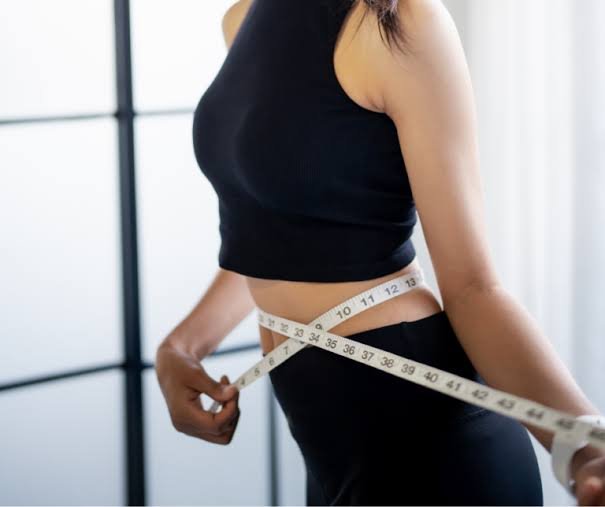
Why Am I Gaining Weight on HRT? You started hormone replacement therapy expecting relief from hot flashes and night sweats. Instead, the scale crept up and your clothes fit differently.
That frustration is common, and it raises a fair question: is HRT actually causing this, or is something else going on?
Why Am I Gaining Weight on HRT?

Most research shows HRT itself does not directly cause fat gain. Scale increases are usually tied to fluid retention from progesterone, or to metabolic shifts that were already underway before you started therapy.
Menopause naturally slows resting metabolic rate and shifts fat storage toward the abdomen. That process is often mistaken for an HRT side effect when it was happening anyway.
Individual response still varies based on hormone type, dose, delivery method, insulin sensitivity, and lifestyle factors.
Is Weight Gain a Real Side Effect of HRT?
The evidence here is more reassuring than most women expect. A large Cochrane review of 28 randomized controlled trials found no evidence that estrogen or combined estrogen-progestogen therapy adds extra weight beyond what typically happens at menopause.
Some research even suggests certain HRT regimens help prevent the fat redistribution that occurs during menopause, rather than causing it.
Despite this, weight gain is one of the most common reasons women report for stopping HRT, with roughly 20% citing it as a factor. The disconnect between perception and evidence is part of what makes this topic confusing.
Why the Scale Still Moves: The Real Causes
Fluid Retention From Progesterone
Progesterone, especially synthetic progestins, can cause the body to hold onto extra water. This shows up as a heavier number on the scale within days, not true fat gain.
This kind of bloating often eases once your body adjusts to the dose or formulation.
Menopause-Related Metabolic Slowdown
Resting metabolic rate naturally declines during the menopausal transition, independent of HRT. This means your body burns fewer calories at rest than it did a few years earlier.
Studies show weight gain is greatest during the perimenopausal years, often before HRT is even started.
Declining Muscle Mass
Lower estrogen levels are linked to a gradual loss of muscle mass. Since muscle burns more calories than fat at rest, less muscle means a lower overall calorie burn.
This shift can be underway long before you start therapy, which is why the timing gets confused with HRT itself.
Worsening Insulin Resistance
Declining estrogen before treatment can reduce insulin sensitivity, making it easier for the body to store fat, especially around the abdomen. HRT often improves this over time rather than worsening it.
Research shows HRT can meaningfully reduce insulin resistance in healthy postmenopausal women.
Hormone Type and Delivery Method
Oral estrogen passes through the liver first, which can affect proteins tied to inflammation and clotting. Transdermal patches or gels skip that first pass through the liver entirely.
The specific hormone, dose, and delivery method all influence how your body responds, so two women on “HRT” can have very different experiences.
Lifestyle Factors That Compound the Effect
Reduced physical activity, higher stress, poor sleep, and unchanged eating habits during a period of hormonal change can all add up. HRT gets blamed, but it’s often one factor among several.
HRT and Weight: What the Research Actually Shows
| Factor | Common Belief | What Evidence Shows |
|---|---|---|
| HRT causes fat gain | Widely assumed true | Cochrane review found no added weight gain from HRT itself |
| Progesterone and bloating | Often ignored | Can cause short-term fluid retention, not fat |
| Menopause and metabolism | Sometimes blamed on HRT | Metabolic rate naturally declines during menopause, with or without HRT |
| HRT and fat distribution | Assumed to worsen it | Some regimens help prevent abdominal fat redistribution |
| HRT and insulin sensitivity | Rarely discussed | Meta-analyses show HRT can improve insulin sensitivity |
| Stopping HRT over weight fears | Common decision | Around 20% of women discontinue HRT due to weight concerns |
Signs Your Weight Change May Not Be HRT-Related
- Weight gain started before you began therapy
- The increase is mostly around the midsection rather than overall
- You notice bloating that fluctuates with your cycle or dose timing
- Fasting glucose or insulin levels were already trending upward
- Sleep quality or stress levels have changed recently
How to Manage Weight Changes While on HRT
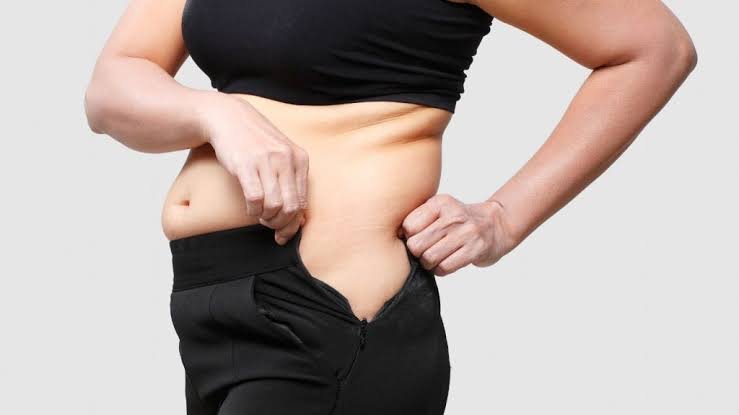
Track More Than the Scale
Body composition, waist circumference, and how your clothes fit tell you more than a single number. Fluid retention can move the scale without reflecting fat gain.
Ask About Your Hormone Formulation
Transdermal options bypass the liver’s first-pass effect and may behave differently than oral forms. Your provider can discuss whether a different formulation or progestogen type fits you better.
Prioritize Strength Training
Since muscle loss lowers resting metabolism, resistance training two to three times a week helps preserve lean mass during this transition.
Monitor Metabolic Markers
Fasting glucose, insulin, HbA1c, and lipid panels give a clearer picture of what’s happening metabolically than weight alone.
Give It Time Before Judging the Cause
Fluid-related changes from a new HRT regimen often settle within a few weeks to months. Reassess with your provider rather than stopping therapy immediately.
Don’t Ignore Sleep and Stress
Both directly affect appetite hormones and cortisol, which can influence weight independent of HRT itself.
When to Talk to Your Doctor
Reach out if weight gain is rapid, accompanied by significant swelling, or paired with new symptoms like severe fatigue or mood changes. These can signal a dose adjustment is needed or point to an unrelated condition worth investigating.
It’s also worth a conversation if you’re considering stopping HRT solely because of the scale, since evidence suggests the benefits for bone, heart, and symptom relief are substantial for many women.
Also Read:
- Why Are MRIs So Expensive? The Real Cost Explained
- The Complete Bariatric Surgery FAQ: BMI, Diet, Exercise, and Mental Health
- Is IUI Treatment Always the First Step in Fertility Care?
- How Peptides Are Changing the Science of Bodybuilding Research
- How Cashless Health Insurance Is Transforming Patient Experience
- Dr. L Barbara Robinson on What Patients Should Understand Before Choosing Robotic Heart Surgery Over a Traditional Procedure
- Why Is My Tongue Itchy? Common Causes & Treatments
- Why Does My Gum Hurt When I Touch It? Causes & Relief
- Why Do My Feet Burn at Night? 9 Possible Causes
- Why Does My Mouth Hurt? Common Causes & Solutions
- Why Do My Toes Go Numb? Causes & Warning Signs
- Why Does My Toe Feel Numb? Causes, Relief & More
- Why Do Gums Bleed? Gum Disease or Something Else?
- Why Is My Eye Burning? Fast Relief Guide
- Why Does My Burp Smell Like Rotten Eggs? What It Means
- Why Does My Gum Hurt in One Spot in the Back? Causes
- Why My Tongue White? Causes & Treatment
- Why Is My Tongue Orange? Causes & Treatment
- Why Does My Tooth Hurt When I Eat Sweets? Easy Fixes
- Natural Skincare Tips for Dry Skin and Chapped Lips
- Why Is My Baby Drooling So Much? Causes Explained
- How the Best Personal Training Studios in Singapore Use Data, and Why Most Gyms Still Do Not
Frequently Asked Questions (FAQs)
Does HRT really cause weight gain?
Most evidence, including a large Cochrane review, found no added weight gain from HRT beyond what naturally happens during menopause.
Why do I feel bloated on HRT?
Progesterone, particularly synthetic progestins, can cause temporary fluid retention. This shows up as extra weight on the scale without being fat gain.
Is menopause or HRT to blame for weight gain?
Menopause itself slows resting metabolic rate and shifts fat storage, often before HRT even starts. This makes it easy to mistakenly blame HRT.
How long does HRT-related bloating last?
Fluid retention often settles within a few weeks to a couple of months as your body adjusts to the new hormone levels.
Does the type of HRT affect weight differently?
Yes. Oral estrogen passes through the liver first, while transdermal patches or gels bypass that process, and each can affect the body differently.
Can HRT help prevent weight gain during menopause?
Some regimens have been shown to help prevent the abdominal fat redistribution that typically occurs at menopause, rather than cause it.
Should I stop HRT if I gain weight?
Talk to your doctor before stopping. Weight gain alone often isn’t caused by HRT, and stopping may mean losing symptom relief and other health benefits.
What lab tests help clarify the cause of weight gain on HRT?
Fasting glucose, insulin, HbA1c, and a lipid panel can show whether metabolic factors, rather than HRT, are driving the change.
Does HRT affect insulin resistance?
Research shows HRT can improve insulin sensitivity in many postmenopausal women rather than worsen it.
Can strength training help offset weight changes on HRT?
Yes. Resistance training helps preserve muscle mass, which supports a higher resting metabolism during and after the menopausal transition.
Is abdominal weight gain normal during menopause?
Yes. A shift toward abdominal fat and a higher waist-to-hip ratio is common during the menopausal transition, independent of HRT use.
How many women stop HRT because of weight concerns?
Estimates suggest around 20% of women discontinue HRT at least partly due to concerns about weight gain.
Does progesterone or estrogen cause more weight-related side effects?
Progesterone, especially synthetic progestins, is more commonly linked to fluid retention. Estrogen is more associated with metabolic and fat-distribution effects.
Can diet and exercise offset HRT-related weight changes?
Yes. Since much of the weight shift is metabolic rather than hormonal in the way people assume, consistent activity and diet adjustments remain effective tools.
When should I see a doctor about weight gain on HRT?
See your doctor if the gain is rapid, involves significant swelling, or comes with new symptoms like fatigue or mood changes.
Conclusion
Weight changes on HRT are rarely caused by the hormones themselves. They’re more often tied to fluid retention, the natural metabolic slowdown of menopause, muscle loss, or lifestyle factors that shift around the same time therapy begins.
Understanding the real driver matters, because it changes the solution. Fluid retention calls for patience and possibly a formulation change, while a metabolic shift calls for strength training and closer attention to lab markers.
If the scale is worrying you, talk to your provider before stopping HRT. Tracking body composition and metabolic markers alongside your weight will give you a far clearer picture than the number alone.


