


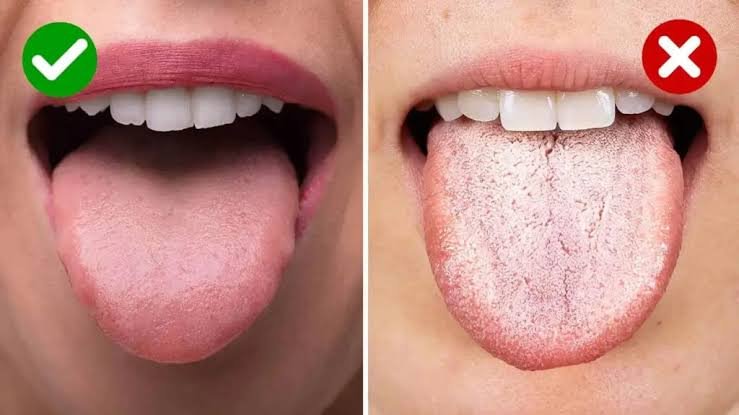
Why my tongue white? A white coating on your tongue is usually caused by trapped bacteria, food debris, and dead cells building up between the tiny bumps on its surface, called papillae.
In most cases, this is harmless and linked to simple things like dehydration, poor oral hygiene, or dry mouth. Sometimes, though, a white tongue points to something more specific, like oral thrush, leukoplakia, or another underlying condition that needs treatment.
What Does a White Tongue Mean?
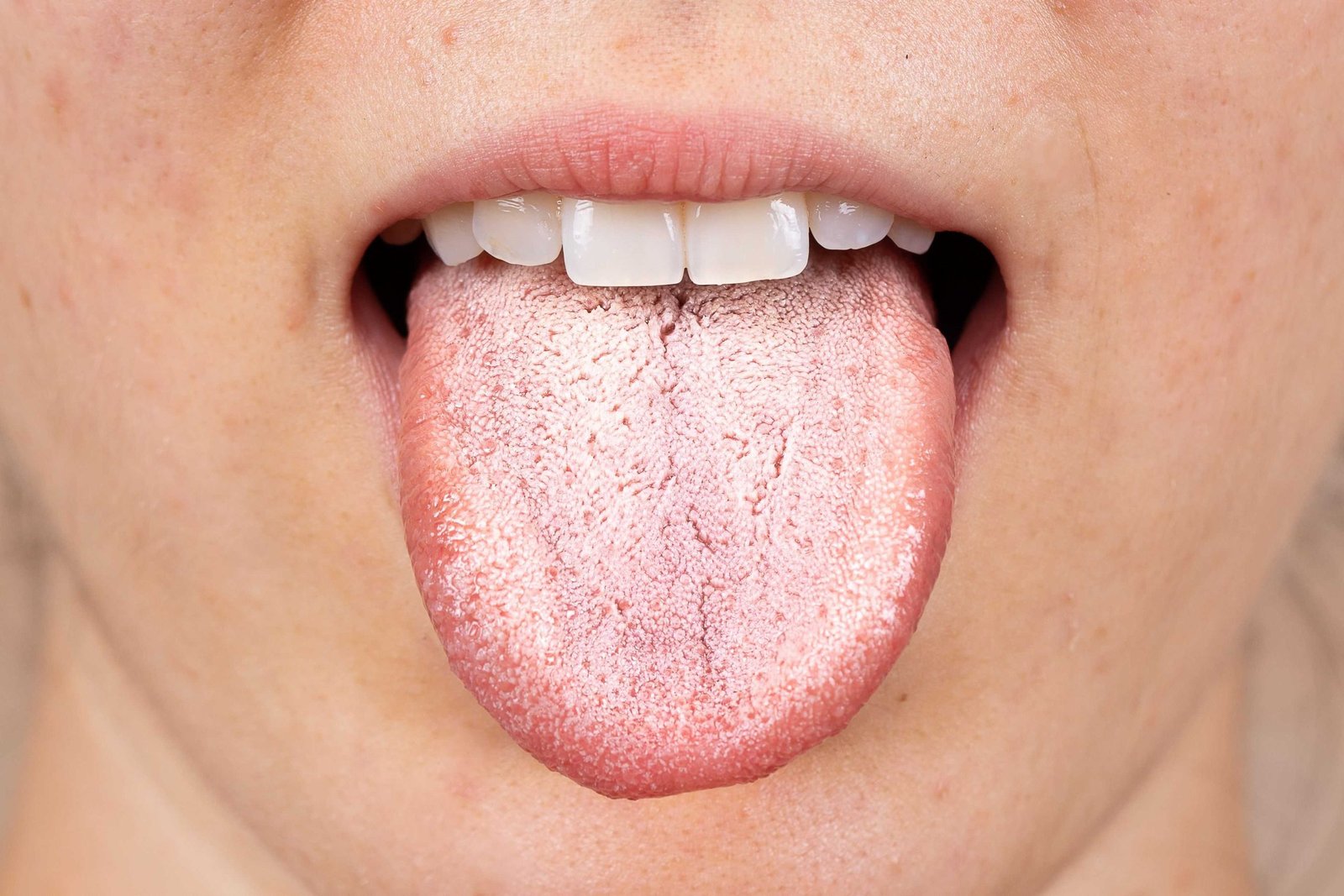
A white tongue happens when a grayish-white coating forms across part or all of the tongue’s surface.
This coating is typically made up of bacteria, food particles, and dead skin cells trapped around the papillae.
In healthy conditions, saliva and normal tongue movement naturally clear away most of this debris.
When something disrupts this process, the buildup becomes visible as a white coating.
Why Does the Tongue Turn White in the First Place?
The tongue’s surface is covered in tiny bumps called papillae, which can trap debris easily.
When these papillae become slightly swollen or inflamed, more bacteria and food particles get caught between them.
This trapped material reflects light differently than healthy tissue, creating the visible white appearance.
The thicker the buildup, the more noticeable and widespread the white coating tends to look.
Common Causes of a White Tongue
Most cases of white tongue come from everyday, easily fixable causes.
| Cause | Why It Happens |
|---|---|
| Poor oral hygiene | Debris and bacteria build up without regular cleaning |
| Dehydration | Reduced saliva allows buildup to stick to the tongue |
| Dry mouth | Less saliva means less natural cleaning of the tongue |
| Smoking or tobacco use | Irritates tissue and reduces saliva flow |
| Mouth breathing | Dries out the tongue’s surface overnight |
| Certain medications | Can reduce saliva production as a side effect |
| Alcohol use | Dries out the mouth and irritates oral tissue |
Poor Oral Hygiene: The Most Common Cause
When brushing and flossing are inconsistent, food debris and bacteria accumulate more easily on the tongue.
Papillae can become slightly enlarged in response, trapping even more material between them.
Over time, this buildup creates the classic white, coated appearance many people notice.
Improving daily hygiene often resolves this type of white tongue within just a few days.
Dehydration and Dry Mouth
Saliva plays a major role in naturally washing away bacteria and food particles from the tongue.
When you’re dehydrated, saliva production drops, allowing debris to stick and accumulate more easily.
Dry mouth can also result from breathing through your mouth, especially during sleep.
Staying hydrated throughout the day is one of the simplest ways to reduce this type of white coating.
Smoking, Tobacco, and Alcohol Use
Smoking irritates the delicate tissue of the tongue and reduces overall saliva production.
This combination creates ideal conditions for bacteria and debris to build up more quickly.
Alcohol has a similar drying effect, further reducing the mouth’s natural ability to clean itself.
Reducing or quitting these habits often leads to noticeable improvement in tongue appearance over time.
Medical Conditions That Can Cause a White Tongue
Beyond everyday causes, several specific conditions are commonly linked to white tongue symptoms.
| Condition | Key Characteristics |
|---|---|
| Oral thrush | Thick, creamy white patches, sometimes described as looking like cottage cheese |
| Leukoplakia | Thick white patches, often linked to tobacco or chronic irritation |
| Geographic tongue | Red patches with white borders that shift location over time |
| Oral lichen planus | White, lace-like patterns inside the mouth and on the tongue |
| Syphilis | Rare oral symptoms as part of a broader sexually transmitted infection |
Oral Thrush Explained
Oral thrush is a fungal infection caused by an overgrowth of yeast in the mouth.
It typically appears as thick, white patches across the tongue and sometimes the inner cheeks.
This condition is more common in infants, older adults, and people with weakened immune systems.
Oral thrush usually requires antifungal medication prescribed by a doctor or dentist to fully clear up.
Leukoplakia Explained
Leukoplakia causes thick, white patches to form on the tongue or inside the mouth.
It’s often linked to chronic irritation from tobacco use, though the exact cause isn’t always clear.
Unlike simple buildup, leukoplakia patches typically can’t be scraped or wiped away easily.
Because a small percentage of cases can become serious over time, dental evaluation is recommended.
Geographic Tongue Explained
Geographic tongue creates patches of redness with distinct white borders across the tongue’s surface.
These patches often change shape, size, and location over days or weeks, giving the tongue a map-like appearance.
It’s more commonly seen in people with eczema, psoriasis, or type 1 diabetes.
Geographic tongue is generally harmless, though it can occasionally cause mild discomfort or sensitivity.
Oral Lichen Planus Explained
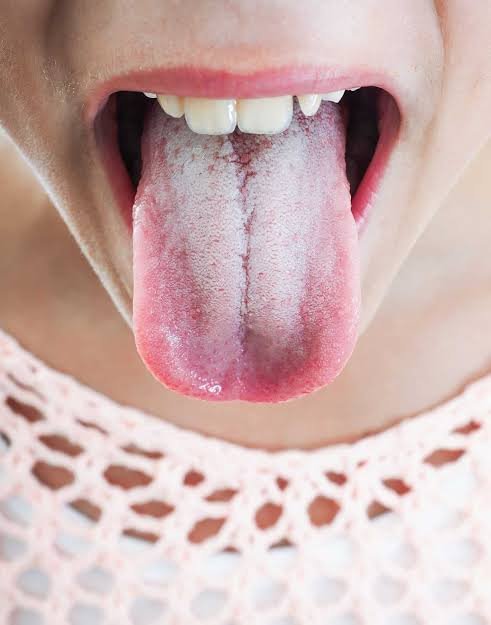
Oral lichen planus is an inflammatory condition affecting the lining of the mouth and tongue.
It typically causes a white, lace-like or scaly pattern rather than a uniform coating.
Some cases involve mild discomfort, while others may include bleeding or larger white patches.
Treatment usually focuses on managing inflammation and discomfort with guidance from a dentist or doctor.
Rare but Serious Causes
In rare cases, persistent white patches can be linked to more serious underlying conditions.
Syphilis, a sexually transmitted infection, can occasionally cause white oral symptoms as part of broader effects.
Mouth cancer is rare but remains one of the more serious potential causes of persistent white lesions.
This is one reason dentists routinely check the tongue and mouth during regular checkups.
Table: When a White Tongue Might Signal Something More Serious
| Warning Sign | Why It Matters |
|---|---|
| Patches that can’t be scraped off | May indicate leukoplakia or another condition |
| Persistent white areas lasting weeks | Warrants professional evaluation |
| Pain, bleeding, or sores | Could suggest inflammation or infection |
| Patches with irregular borders or texture | Should be checked to rule out serious causes |
Black Hairy Tongue: A Related Condition
Sometimes a white tongue is confused with a different condition called black hairy tongue.
This condition causes food particles, dead cells, and bacteria to build up in a way that appears dark and furry.
It shares similar root causes with white tongue, including poor hygiene and dry mouth.
Both conditions often improve with the same basic oral hygiene improvements.
How to Tell the Difference: Simple Buildup vs a Medical Condition
Most simple white tongue cases can be partially or fully wiped or scraped away.
If the white coating persists despite cleaning, or keeps returning quickly, it may point to an underlying condition.
Pain, burning, or a strong odor alongside the white coating are also signs worth mentioning to a dentist.
Tracking how the coating responds to basic hygiene changes over a few days can help clarify the cause.
How to Get Rid of a White Tongue: Step-by-Step
Improve Daily Oral Hygiene
Brush your teeth twice daily using a fluoride toothpaste and a soft-bristled toothbrush.
Floss once a day to remove trapped debris between teeth that can contribute to tongue buildup.
Use a tongue scraper gently each morning to remove the white coating directly from the surface.
Rinse with an antibacterial mouthwash to help reduce overall bacteria levels in the mouth.
Stay Hydrated Throughout the Day
Drink water consistently rather than only when you feel thirsty.
Limit excessive caffeine and alcohol, both of which can contribute to dry mouth.
Chewing sugar-free gum can help stimulate saliva production between meals.
Keeping a water bottle nearby can make consistent hydration easier to maintain.
Adjust Lifestyle Habits
Reduce or quit smoking and tobacco use to lower irritation and improve saliva flow.
Limit alcohol consumption, which can dry out the mouth and worsen buildup.
Breathe through your nose rather than your mouth when possible, especially while sleeping.
Address underlying dry mouth causes, such as reviewing medications with your doctor if needed.
Try Natural Remedies
Aloe vera mouth rinses have shown antifungal properties in some studies and may help reduce buildup.
Salt water rinses can help soothe mild irritation and reduce bacteria after meals.
Probiotic-rich foods like yogurt may help support a healthier balance of oral bacteria.
Combining these remedies with consistent hygiene tends to produce the best results.
Table: Home Remedies for White Tongue at a Glance
| Remedy | How It Helps |
|---|---|
| Tongue scraping | Physically removes buildup from the tongue’s surface |
| Salt water rinse | Soothes irritation and reduces bacteria |
| Aloe vera rinse | May offer antifungal benefits |
| Staying hydrated | Supports natural saliva production and cleaning |
| Probiotic foods | May help balance oral bacteria over time |
Medical Treatments for Underlying Conditions

If oral thrush is confirmed, a doctor or dentist will typically prescribe antifungal medication.
For leukoplakia, treatment often focuses on removing the irritant, such as quitting tobacco use.
Geographic tongue usually doesn’t require specific treatment unless discomfort becomes bothersome.
Oral lichen planus may be managed with topical treatments to reduce inflammation and discomfort.
Table: Treatment Options by Cause
| Cause | Typical Treatment |
|---|---|
| Poor hygiene or dehydration | Improved brushing, flossing, and hydration |
| Oral thrush | Prescription antifungal medication |
| Leukoplakia | Removing irritants like tobacco, monitoring by a dentist |
| Geographic tongue | Usually no treatment needed unless symptomatic |
| Oral lichen planus | Topical treatments guided by a dentist or doctor |
When to See a Dentist or Doctor
Certain signs suggest it’s time to seek professional evaluation rather than relying on home care alone.
- White patches that don’t improve after two weeks of better hygiene
- Patches that can’t be scraped or wiped away
- Pain, burning, or bleeding on the tongue
- Difficulty swallowing or persistent bad breath
- Any unusual sores or lesions that don’t heal
These symptoms may point toward an infection, chronic irritation, or another condition needing treatment.
How Long Does It Take for a White Tongue to Improve?
Simple cases tied to dehydration or mild hygiene issues often improve within just a few days.
Cases linked to smoking or dry mouth may take one to two weeks of consistent lifestyle changes.
Oral thrush typically resolves within one to two weeks once antifungal treatment begins.
Conditions like leukoplakia or oral lichen planus may take longer and require ongoing monitoring.
Preventing a White Tongue Long-Term
Maintain a consistent daily routine of brushing, flossing, and tongue scraping.
Stay hydrated throughout the day, especially in hot weather or during illness.
Avoid smoking and limit alcohol consumption to reduce irritation and dryness.
Schedule regular dental checkups every six months to catch early signs of underlying conditions.
Children and White Tongue
Infants and young children can develop a white tongue, often linked to oral thrush after breastfeeding or bottle feeding.
Milk residue can sometimes be mistaken for thrush, though thrush typically doesn’t wipe away easily.
If a child’s white tongue persists or comes with fussiness or feeding difficulty, a pediatrician visit is recommended.
Gently cleaning a baby’s tongue with a soft cloth after feedings can help prevent buildup.
Diet and Its Role in Tongue Health
Sugary and processed foods can contribute to bacteria buildup, indirectly worsening white tongue appearance.
Crunchy fruits and vegetables can help naturally clean the tongue and teeth between brushings.
Staying well-nourished supports a healthy immune system, which helps prevent fungal overgrowth like oral thrush.
Reducing dairy slightly may help some individuals prone to recurring oral thrush, though hygiene remains the priority.
Quick Recap Checklist
- Brush, floss, and scrape your tongue daily
- Stay hydrated throughout the day
- Reduce smoking, alcohol, and mouth breathing when possible
- Try natural remedies like salt water or aloe vera rinses
- Watch for patches that don’t scrape off or persist beyond two weeks
- See a dentist if pain, bleeding, or unusual sores appear
- Schedule regular dental checkups to catch underlying conditions early
Medications That Can Contribute to White Tongue
Certain medications list dry mouth as a common side effect, indirectly increasing the risk of white tongue.
Muscle relaxers, some antihistamines, and certain blood pressure medications are common examples.
Inhaled corticosteroids, often used for asthma, can also increase the risk of oral thrush if the mouth isn’t rinsed afterward.
Discussing medication side effects with your doctor can help identify and manage this contributing factor.
The Role of Your Immune System
A weakened immune system can make the mouth more susceptible to fungal overgrowth like oral thrush.
Conditions such as diabetes, HIV, or ongoing chemotherapy treatment can all impact immune function.
People in these situations may need closer monitoring and quicker treatment if a white tongue develops.
Supporting overall immune health through diet, sleep, and stress management can help reduce this risk over time.
White Tongue and Digestive Health
Some people notice a white tongue coating alongside digestive symptoms like bloating or acid reflux.
While not a direct cause, poor digestion can sometimes correlate with reduced saliva or oral bacteria imbalance.
Addressing underlying digestive issues may indirectly improve tongue appearance for some individuals.
This connection is still an area of ongoing research rather than a fully established medical cause.
Table: Risk Factors That Increase Likelihood of White Tongue
| Risk Factor | Why It Increases Risk |
|---|---|
| Smoking or tobacco use | Reduces saliva and irritates oral tissue |
| Dry mouth medications | Lowers natural saliva production |
| Weakened immune system | Increases risk of fungal overgrowth |
| Poor hydration habits | Reduces the mouth’s natural cleaning ability |
| Inconsistent oral hygiene | Allows debris and bacteria to accumulate |
Tongue Scraping: Doing It Correctly
Using the right technique with a tongue scraper can make a noticeable difference in results.
Gently place the scraper toward the back of the tongue, without pressing too hard.
Pull the scraper forward in one smooth motion, then rinse it before repeating.
Avoid scraping too aggressively, since this can irritate the tongue’s surface and worsen inflammation.
How Often Should You Scrape Your Tongue?
Most dental professionals recommend scraping the tongue once daily, ideally in the morning.
Over-scraping, especially with a rough or aggressive technique, can actually increase irritation and buildup.
Consistency matters more than frequency when it comes to maintaining a healthy-looking tongue.
Pairing scraping with regular brushing and flossing offers the most complete results.
Comparing Tongue Scrapers and Toothbrushes for This Purpose
While a toothbrush can help clean the tongue, dedicated tongue scrapers are generally more effective.
Scrapers are specifically shaped to reach and remove debris across the tongue’s uneven surface.
Toothbrushes may miss deeper grooves where bacteria and debris commonly accumulate.
Using both together, brush for teeth and scraper for the tongue, offers the most thorough daily routine.
A Final Word Before You Start Treatment
Most white tongue cases are simple, temporary, and respond quickly to basic hygiene and hydration changes.
Paying attention to how the coating responds within the first week helps you know whether home care is enough.
Persistent, painful, or unusual-looking patches are always worth a professional opinion rather than continued guessing.
With the right daily habits, a pink, healthy-looking tongue is achievable for almost everyone.
Small, consistent daily habits truly outperform occasional intense cleaning when it comes to lasting results.
Frequently Asked Questions (FAQs)
1. Why is my tongue white all of a sudden?
This is often due to dehydration, dry mouth, or a temporary buildup of bacteria and food debris.
2. Is a white tongue always caused by poor hygiene?
No, it can also result from dehydration, infections, or underlying conditions like leukoplakia or thrush.
3. Can I scrape off the white coating myself?
Yes, gently using a tongue scraper or toothbrush usually helps, but persistent coating needs evaluation.
4. Is a white tongue contagious?
Most causes aren’t contagious, though oral thrush can spread in certain conditions, especially with weakened immunity.
5. How long does it take for a white tongue to go away?
Simple cases often improve within a few days to two weeks with better hygiene and hydration.
6. Does mouthwash help fix a white tongue?
Yes, antibacterial mouthwash can help when combined with regular brushing, flossing, and tongue scraping.
7. Can smoking really cause a white tongue?
Yes, smoking reduces saliva production and irritates tissue, both of which contribute to a white coating.
8. When should I see a dentist about a white tongue?
See a dentist if the coating persists beyond two weeks, can’t be scraped off, or causes pain.
9. Can dehydration alone cause my tongue to turn white?
Yes, reduced saliva from dehydration allows debris to build up more easily on the tongue’s surface.
10. Is a white tongue ever a sign of something serious?
Rarely, persistent white patches can indicate leukoplakia, syphilis, or in very rare cases, oral cancer.
Conclusion
A white tongue is usually caused by trapped bacteria, food debris, and dead cells building up between the papillae, often linked to dehydration, dry mouth, or inconsistent oral hygiene.
In most cases, this clears up within days to two weeks through better hydration, gentle tongue scraping, and consistent brushing and flossing. Conditions like oral thrush, leukoplakia, geographic tongue, and oral lichen planus are less common causes that may require professional treatment.
Persistent white patches that don’t scrape off, or come with pain, bleeding, or sores, deserve a dental or medical evaluation rather than home remedies alone. With consistent oral hygiene, proper hydration, and regular dental checkups, most people can prevent a white tongue from becoming a recurring problem.


