



Why does my gum hurt in one spot in the back? It’s a strange, specific kind of discomfort — not your whole mouth, just one tender area near your molars or wisdom teeth.
This localized pain usually points to something identifiable, like trapped food, a partially erupted wisdom tooth, or early gum inflammation.
What Does It Mean When Gum Pain Is Localized to One Spot?
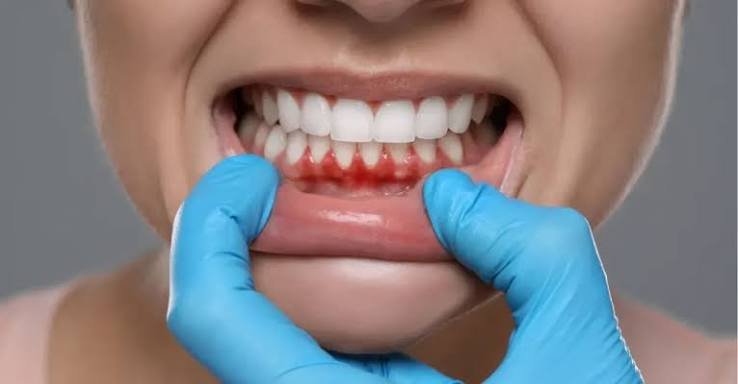
Localized gum pain means the discomfort is concentrated in a single area rather than spread across your entire mouth.
This pattern usually points to a specific, identifiable trigger — like an injury, infection, or a tooth that’s still coming in — rather than a widespread issue.
The back of the mouth is especially prone to this type of pain since it’s harder to clean thoroughly, allowing bacteria to build up more easily.
Is One-Spot Gum Pain Always Serious?
Not always. Minor irritation from crunchy food or brushing too hard often resolves within a few days without any treatment.
However, pain that persists, worsens, or comes with swelling, a bad taste, or difficulty opening your mouth usually signals something that needs professional care.
Paying attention to how the pain behaves helps you decide whether to wait it out or book a dental visit.
Common Causes of Gum Pain in One Spot in the Back
There are several possible reasons for localized back gum pain. Below is a breakdown of the most common causes dentists identify.
1. Pericoronitis (Partially Erupted Wisdom Tooth)
Pericoronitis is one of the most common causes of one-spot back gum pain. It happens when a wisdom tooth is only partially erupted.
A small flap of gum tissue remains over part of the tooth, trapping food particles and bacteria underneath it.
This leads to irritation, swelling, and tenderness, especially when chewing or brushing near the affected area.
2. Gum Abscess
A gum abscess occurs when bacteria cause a localized infection beneath the gumline, often from trapped food or an untreated cavity.
This typically causes severe, throbbing pain in one spot, sometimes with swelling, a visible bump, or a foul taste in the mouth.
3. Trapped Food Particles
Crunchy or fibrous foods like popcorn, nuts, or seeded bread can become lodged between the gum and teeth, causing localized irritation.
This is one of the more minor causes and often resolves quickly once the debris is removed through flossing.
4. Gingivitis
Gingivitis is a mild, early form of gum disease caused by plaque buildup along the gumline, often from inconsistent brushing or flossing.
It can cause red, swollen, tender gums in specific areas, especially spots that are harder to reach and clean thoroughly.
5. Periodontitis (Advanced Gum Disease)
If gingivitis goes untreated, it can progress to periodontitis, which affects deeper gum tissue and the bone supporting your teeth.
This can cause more intense, localized pain, along with bleeding, receding gums, and even loose teeth in severe cases.
6. Gum Recession
When gums pull away from the tooth, they expose the sensitive root surface underneath, which has no protective enamel layer.
This exposure can make one specific spot feel more painful or sensitive, especially to temperature changes or certain foods.
7. Canker Sores (Aphthous Ulcers)
Canker sores are small, shallow lesions that can develop on gum tissue, causing sharp, localized pain, especially when eating or talking.
These sores are not contagious and typically heal on their own within one to two weeks.
8. Injury from Brushing or Sharp Foods
Brushing too hard, using a firm-bristled toothbrush, or accidentally scraping the gum with sharp food can cause a bruised, tender spot.
This type of pain is usually mild and improves quickly once the irritation source is removed.
9. Ill-Fitting Dental Appliances
Dentures, retainers, or generic night guards that don’t fit properly can rub against gum tissue, causing localized soreness and irritation.
10. Referred Pain from a Cracked Tooth
Sometimes pain feels like it’s coming from the gum, but the actual source is a cracked tooth or inflamed nerve nearby.
This referred pain can make it difficult to pinpoint the exact cause without a dental exam and X-ray.
11. Bite Problems or Teeth Clenching
Uneven bite pressure or habitual clenching can put excess stress on one area, causing soreness that feels like gum pain.
12. Sinus Pressure
The roots of upper back teeth sit close to the sinuses. Sinus inflammation can create pressure that feels like localized gum or tooth pain.
Table: Common Causes of One-Spot Back Gum Pain
| Cause | Typical Signs | Needs Dentist Visit |
|---|---|---|
| Pericoronitis | Swelling near wisdom tooth | Yes |
| Gum abscess | Throbbing pain, bump, foul taste | Yes, urgent |
| Trapped food particles | Sudden localized pain | No, try flossing first |
| Gingivitis | Red, swollen, tender gums | Yes |
| Periodontitis | Bleeding, loose teeth | Yes, urgent |
| Gum recession | Sensitivity to temperature | Yes |
| Canker sore | Small, shallow, painful lesion | No, usually self-heals |
| Brushing injury | Mild, localized soreness | No, usually resolves |
| Ill-fitting appliance | Rubbing, irritation | Yes |
| Cracked tooth (referred pain) | Deep, hard to pinpoint pain | Yes |
How to Tell the Difference Between Causes
| Symptom Alongside Pain | Likely Cause |
|---|---|
| Near a wisdom tooth, swollen flap | Pericoronitis |
| Visible bump, foul taste | Gum abscess |
| Pain right after eating crunchy food | Trapped food particles |
| Bleeding when brushing | Gingivitis or periodontitis |
| Sensitivity to hot/cold in one spot | Gum recession |
| Small white or yellow sore | Canker sore |
| Rubbing feeling from a dental device | Ill-fitting appliance |
When One-Spot Gum Pain Is a Dental Emergency

Certain symptoms mean you shouldn’t wait to see a dentist. These signs point toward infection or a more serious issue.
Swelling That Spreads
Swelling that extends beyond the gum into the cheek or jaw often signals a spreading infection needing urgent care.
Fever Alongside Gum Pain
A fever combined with localized gum pain is a strong indicator of infection and should be treated promptly.
Pus or Persistent Bad Taste
Discharge or an ongoing foul taste near the painful spot usually signals an active infection requiring treatment.
Difficulty Opening Your Mouth
Trouble fully opening your mouth, especially near the back molars, can indicate pericoronitis or a spreading infection.
Pain Lasting More Than Two Weeks
Pain that persists or keeps returning despite home care usually means an underlying issue needs professional evaluation.
Table: Wait and Watch vs. See a Dentist Now
| Situation | Wait and Monitor | See a Dentist Now |
|---|---|---|
| Mild soreness after crunchy food | Yes | — |
| Pain fades within a few days | Yes | — |
| Small canker sore, no other symptoms | Yes | — |
| Pain lasting more than 2 weeks | — | Yes |
| Visible swelling or bump | — | Yes |
| Fever or foul taste | — | Yes, urgent |
| Difficulty opening mouth fully | — | Yes, urgent |
Home Remedies for Temporary Relief
While waiting for a dental appointment, these remedies can help manage discomfort at home.
Saltwater Rinse
Rinsing with warm saltwater several times a day helps reduce bacteria and mild inflammation around the affected spot.
Cold Compress
Applying a cold compress to the outside of your cheek can help numb pain and reduce swelling temporarily.
Gentle Flossing
Carefully flossing around the area can dislodge trapped food particles that may be causing localized irritation.
Over-the-Counter Pain Relief
Pain relievers like ibuprofen can help manage discomfort and reduce inflammation until you’re seen by a dentist.
Switch to a Soft-Bristled Toothbrush
Using a softer brush and being extra gentle helps the area heal without further irritation.
Antiseptic Mouthwash
An alcohol-free antiseptic rinse can help reduce bacteria without further irritating sensitive gum tissue.
Table: Home Remedies and How They Help
| Remedy | How It Helps | Use Until |
|---|---|---|
| Saltwater rinse | Reduces bacteria and swelling | Dental visit |
| Cold compress | Numbs pain, reduces swelling | As needed |
| Gentle flossing | Removes trapped food particles | Immediately if debris suspected |
| OTC pain relievers | Manages pain and inflammation | Follow label directions |
| Soft-bristled toothbrush | Prevents further irritation | Ongoing |
Professional Treatment Options
Once you see a dentist, treatment depends on identifying the specific underlying cause of your gum pain.
Deep Cleaning (Scaling and Root Planing)
For gingivitis or periodontitis, a professional cleaning removes plaque and tartar buildup from deep pockets around the teeth.
Abscess Drainage and Antibiotics
If a gum abscess is present, your dentist may drain the infection and prescribe antibiotics to clear the underlying bacteria.
Wisdom Tooth Extraction
If pericoronitis keeps recurring, extracting the partially erupted wisdom tooth is often the most effective long-term solution.
Gum Recession Treatment
Depending on severity, treatment may include desensitizing agents, gum grafting, or guidance on gentler brushing techniques.
Dental Appliance Adjustment
An ill-fitting denture, retainer, or night guard can be adjusted or replaced to eliminate the source of irritation.
Filling or Root Canal for Referred Pain
If a cracked tooth or decay is the true source of pain, a filling or root canal addresses the underlying issue directly.
How to Prevent Gum Pain in One Spot
Many causes of localized gum pain are preventable with consistent daily habits and regular dental care.
Floss Daily, Especially in the Back
Daily flossing helps remove trapped food particles and plaque from hard-to-reach areas near the back molars.
Use a Soft-Bristled Toothbrush
Brushing gently with a soft-bristled brush protects gum tissue and helps prevent injury-related soreness.
Maintain Regular Dental Checkups
Routine exams catch gum disease, wisdom tooth issues, and cracks early, before they cause noticeable pain.
Address Wisdom Teeth Early
If X-rays show a wisdom tooth is likely to cause recurring problems, discussing extraction early can prevent future flare-ups.
Ensure Dental Appliances Fit Properly
Getting dentures, retainers, or night guards properly fitted prevents chronic rubbing and irritation over time.
Avoid Overly Hard or Sharp Foods
Being mindful with crunchy foods like popcorn or hard candy reduces the risk of gum injury near the back of the mouth.
Diet Tips for Sensitive or Irritated Gums
| Foods to Choose | Foods to Limit |
|---|---|
| Soft fruits and vegetables | Popcorn and hard candy |
| Yogurt and soft dairy | Seeded bread and crackers |
| Smoothies | Nuts and hard chips |
| Water | Extremely hot or cold foods |
| Well-cooked grains | Sticky, chewy sweets |
Gum Pain by Age and Life Stage
Age can influence which causes are most likely, so it helps to understand the difference.
Teens and Young Adults
Wisdom tooth eruption and pericoronitis are especially common in the late teens and early twenties as third molars come in.
Adults
Adults more commonly experience gingivitis, periodontitis, or gum recession that develops gradually from years of plaque buildup or aggressive brushing.
Older Adults
Older adults are more likely to deal with gum recession, dental appliance irritation, or referred pain from aging dental work.
Understanding Gum Anatomy and Why Pain Feels Localized
A basic understanding of gum tissue helps explain why pain often concentrates in just one spot rather than spreading.
Gum tissue is directly connected to nerve endings near individual teeth, which is why irritation in one area often stays localized.
The back of the mouth also has more folds and flaps of tissue, particularly around wisdom teeth, creating more places for bacteria to hide.
Quick Recap: Key Takeaways
Before jumping into the FAQs, here’s a fast summary of what matters most when dealing with localized back gum pain.
Most cases stem from trapped food, wisdom teeth, or early gum disease, and many respond well to prompt care and good hygiene.
Watch for warning signs like spreading swelling, fever, or pus, and don’t hesitate to seek care if they appear.
Simple daily habits — gentle brushing, daily flossing, and regular checkups — go a long way in preventing future flare-ups.
Common Myths About Localized Gum Pain
There’s a fair amount of confusion around this condition. Clearing up these myths can ease unnecessary worry.
Myth: Gum Pain Always Means Gum Disease
Trapped food, minor injuries, and canker sores are just as common as gum disease, especially when pain is limited to one spot.
Myth: If It Doesn’t Bleed, It’s Not Serious
Some serious causes, like pericoronitis or referred pain from a cracked tooth, don’t always cause visible bleeding.
Myth: You Should Pop or Squeeze a Gum Bump
Squeezing a swollen area can push infection deeper or spread bacteria, making the situation worse rather than better.
Myth: Wisdom Tooth Pain Always Requires Extraction
Not always. Mild, occasional pericoronitis can sometimes be managed with cleaning and monitoring, though recurring cases often need extraction.
Products That Can Help Manage Gum Discomfort
A few dentist-recommended products can make daily life more comfortable while you address the underlying cause.
Antiseptic Mouth Rinse
An alcohol-free antiseptic rinse helps reduce bacteria around the affected area without causing further irritation.
Water Flosser
A water flosser can gently clean hard-to-reach areas near the back molars and around a partially erupted wisdom tooth.
Soft-Bristled Electric Toothbrush
A gentle electric toothbrush cleans effectively while minimizing trauma to already irritated gum tissue.
Oral Numbing Gel
An over-the-counter numbing gel can provide short-term relief for a sore or tender spot while you wait for treatment.
How Often Should You See a Dentist for Gum Pain?
Routine checkups every six months allow your dentist to catch gum disease, wisdom tooth issues, or recession before pain develops.
If pain is new, localized, or worsening, it’s worth scheduling a visit sooner rather than waiting for your next routine appointment.
Bringing details about when the pain started, what triggers it, and how it has changed can help your dentist diagnose the cause more quickly.
The Connection Between Oral Hygiene and Back-of-Mouth Pain
The back of the mouth is naturally harder to clean thoroughly, which is part of why localized pain shows up there so often.
Molars and wisdom teeth have more grooves, folds, and hard-to-reach surfaces where food particles and bacteria can easily hide.
Using a smaller-headed toothbrush and angling floss carefully around these back teeth can significantly reduce your risk of localized irritation.
Talking to Your Dentist: Questions Worth Asking
When you finally see a dentist, asking the right questions helps you understand both the cause and the long-term fix.
Ask specifically which area is affected, whether it’s tooth-related or gum-related, and what X-rays or exams are needed to confirm the diagnosis.
If a wisdom tooth is involved, ask whether extraction is necessary now or whether monitoring is a reasonable short-term option.
It’s also worth asking about at-home care in the meantime, so you can manage discomfort safely until treatment begins.
Frequently Asked Questions (FAQs)
1. Why does my gum hurt in one spot but not bleed?
This is often due to trapped food, mild trauma, or a developing sore rather than active gum disease or infection.
2. Can a wisdom tooth really cause pain in just one spot?
Yes, a partially erupted wisdom tooth commonly causes pericoronitis, which creates localized pain and swelling nearby.
3. How do I know if it’s an abscess or just irritation?
An abscess typically causes throbbing pain, swelling, a visible bump, or a foul taste, unlike mild, short-lived irritation.
4. Can stress or clenching cause localized gum pain?
Yes, clenching or bite problems can put pressure on one area, creating soreness that feels like gum pain.
5. Is it normal for gum pain to come and go?
Yes, especially with pericoronitis, where inflammation can flare up and settle down repeatedly until the tooth fully erupts or is treated.
6. When should I worry about gum pain in one spot?
Worry if pain lasts more than two weeks, worsens, or comes with swelling, fever, pus, or difficulty opening your mouth.
7. Can a cracked tooth cause gum pain without tooth pain?
Yes, a cracked tooth can cause referred pain that feels like it’s coming from the nearby gum instead.
8. Will a canker sore go away on its own?
Yes, most canker sores heal within one to two weeks without treatment, though rinses can ease discomfort.
9. Can an ill-fitting denture really cause ongoing gum pain?
Yes, a poorly fitted appliance can rub against gum tissue repeatedly, causing chronic soreness until adjusted.
10. What’s the fastest way to relieve localized gum pain at home?
A saltwater rinse and cold compress offer the fastest, easiest relief while you wait for a dental appointment.
Conclusion
Gum pain in one spot toward the back of your mouth almost always has an identifiable cause — from trapped food and an erupting wisdom tooth to early gum disease or a hidden infection. Understanding what’s behind the pain makes it much easier to find the right relief and prevent it from getting worse.
Mild, short-lived soreness can often be managed at home with saltwater rinses, gentle flossing, and a soft-bristled toothbrush. However, pain that lingers, spreads, or comes with swelling, fever, or a bad taste should never be ignored.
Regular dental checkups, careful brushing and flossing, and proper care around the back molars go a long way in preventing localized gum pain from returning — keeping your smile comfortable and your gums healthy for the long run.


