


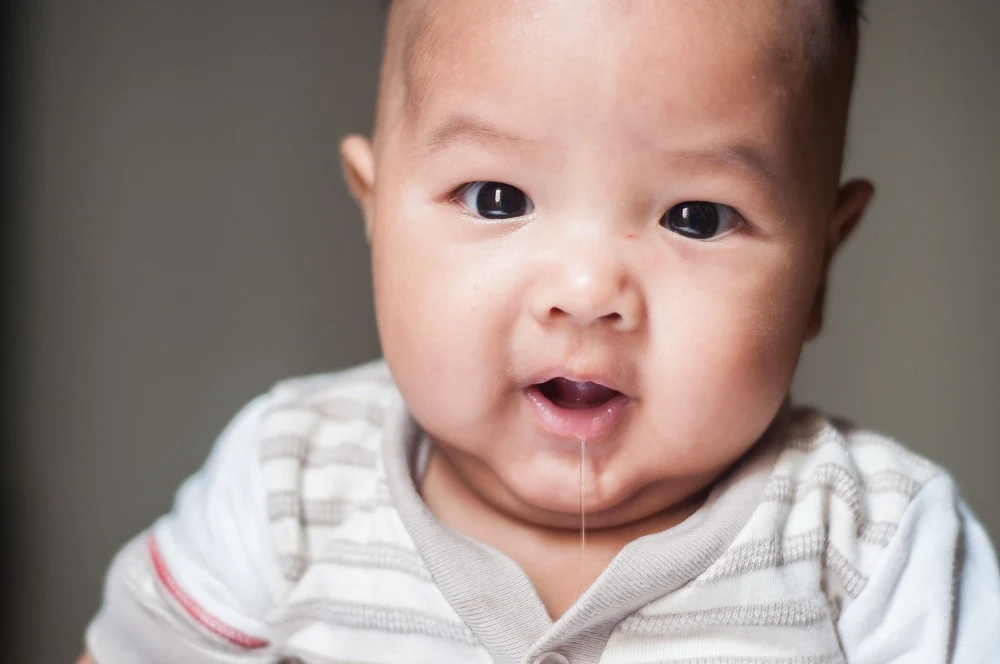
Why is my baby drooling so much? If your little one’s chin, bib, and shirt are constantly damp, you’re witnessing one of the most common and normal parts of infant development.
Babies drool because their salivary glands become highly active early on, long before they’ve mastered the muscle control needed to swallow it all consistently. In most cases, heavy drooling is simply a sign of a developing digestive system, mouth exploration, or upcoming teeth, not something to worry about.
Quick Answer: Top Causes of Excessive Baby Drooling
Before going in depth, here’s a fast overview of what’s usually behind heavy drooling.
| Category | Common Cause | Needs a Doctor? |
|---|---|---|
| Development | Immature swallowing muscles | No |
| Development | Active salivary glands | No |
| Milestone | Teething | No |
| Behavior | Mouthing and chewing objects | No |
| Behavior | Pacifier use or bubble blowing | No |
| Illness | Cold, congestion, or mouth sores | Sometimes |
| Medical | Reflux or oral-motor issues | Sometimes |
| Rare | Swallowing or airway obstruction | Yes |
If drooling comes with breathing trouble, choking, or a sudden refusal to eat, treat it as urgent rather than typical baby mess.
Why Babies Drool: The Basic Explanation
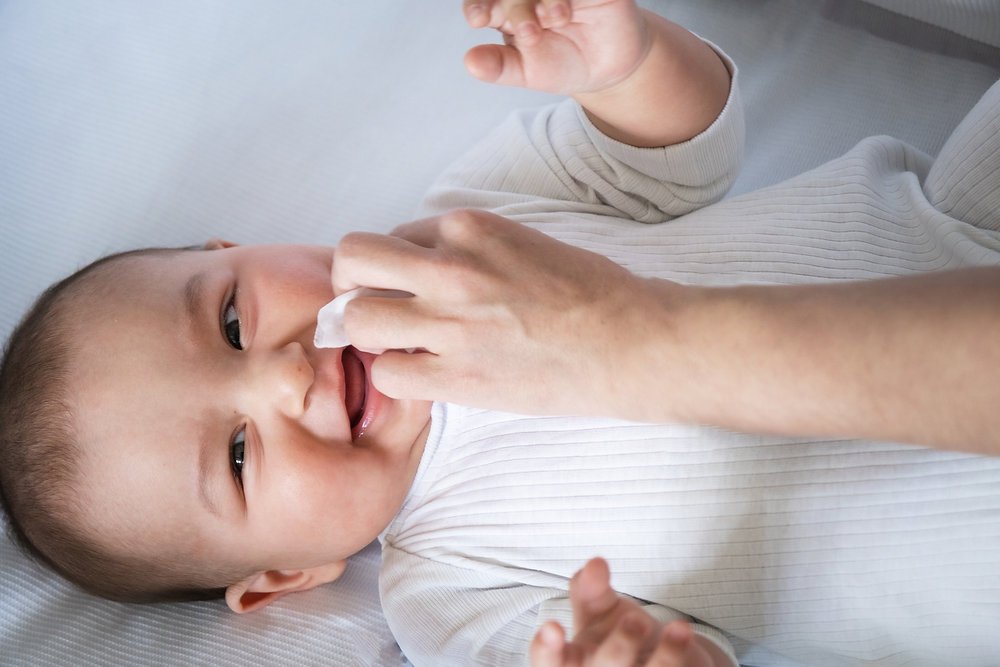
Drooling is simply saliva escaping the mouth involuntarily, and it’s an almost universal part of early infancy.
Salivary Glands Kick Into Gear Early
Around two to three months of age, a baby’s salivary glands become significantly more active, producing far more saliva than a newborn does.
This increase happens well before most babies show any visible signs of teething, which often surprises parents.
Swallowing Muscles Aren’t Fully Developed Yet
Babies don’t gain full control over their mouth and throat muscles until somewhere between 18 and 24 months of age.
Until that control develops, extra saliva simply spills out rather than being swallowed automatically the way it is in older children and adults.
Saliva Supports Digestion and Development
Saliva isn’t just messy, it plays an active role in digestion, helping to break down early foods and protect the mouth from bacteria.
Increased saliva production is actually a sign that a baby’s digestive system is maturing appropriately.
Teething: The Most Common Trigger
Teething is the reason most parents assume is behind the drool, and it’s often correct, though not the only factor.
When Teething Typically Starts
Teething can begin as early as two to three months, though most babies get their first visible tooth between four and seven months of age.
Some babies don’t get a first tooth until after their first birthday, and that’s still considered within a normal range.
How Teething Increases Drooling
As new teeth push against the gums, the irritation stimulates the salivary glands to produce even more saliva to help soothe the area.
This is the body’s natural way of keeping the mouth lubricated and comfortable during an uncomfortable process.
Other Teething Signs to Watch For
Along with drooling, teething commonly causes gum swelling, increased chewing on objects, and mild irritability or fussiness.
A low-grade temperature is sometimes reported by parents, though a true high fever is not considered a typical teething symptom and should be checked separately.
Mouthing and Exploring Objects
Babies use their mouths as a primary tool for learning about the world, and this habit directly increases saliva production.
Chewing on toys, fingers, and other objects stimulates the salivary glands, similar to how teething irritation does.
This behavior often overlaps with teething, since babies naturally seek out things to chew on when their gums feel sore, and it’s a completely healthy way for them to learn about textures and shapes.
Illness-Related Drooling
Sometimes increased drool isn’t about teeth or development at all, but a sign that your baby isn’t feeling well.
Colds and Congestion
When a baby has a cold, the body produces excess mucus, and this combined with nasal congestion can lead to more visible drooling than usual.
Breathing through the mouth due to a stuffy nose can also make drool more noticeable since it isn’t being swallowed as efficiently.
Mouth Sores or Infections
Conditions like hand, foot, and mouth disease or oral thrush can cause painful sores that make swallowing uncomfortable, leading to increased drooling.
If drooling is paired with visible sores, redness, or a reluctance to eat, a pediatrician visit is a reasonable next step.
Acid Reflux
Gastroesophageal reflux can sometimes increase saliva production as the body attempts to soothe irritation in the throat and esophagus.
Frequent spit-up, arching during feeds, or fussiness after eating alongside drooling can point toward reflux as a contributing factor.
Medical Causes That Are Less Common
While rare, certain medical conditions can cause drooling that’s more extreme or persistent than typical development or teething would explain.
Oral-Motor Difficulties
Some babies have difficulty coordinating the muscles needed for swallowing, which can lead to drooling that’s more pronounced than usual for their age.
This is sometimes identified alongside other developmental delays and may benefit from evaluation by a specialist.
Neurological Conditions
In rare cases, conditions affecting muscle tone or nerve function can impact a baby’s ability to swallow saliva effectively.
This is uncommon and typically comes with other noticeable symptoms beyond drooling alone, such as delays in reaching motor or feeding milestones that a pediatrician would track over time.
Swallowing or Airway Obstruction
An object lodged in the throat or a structural airway issue can cause sudden, severe drooling paired with choking, gagging, or breathing difficulty.
This scenario requires immediate medical attention rather than a wait-and-see approach.
Normal Development vs. Warning Signs
Since most drooling is harmless, this table can help you quickly identify when something looks different from typical development.
| Sign | Normal Development | Possible Concern |
|---|---|---|
| Onset age | Starts around 2-3 months | Sudden onset with no prior pattern |
| Feeding | Normal appetite and feeding | Refusing to eat or difficulty latching |
| Breathing | Normal breathing throughout | Noisy breathing, gagging, or choking |
| Behavior | Fussy but consolable | Extreme distress or lethargy |
| Accompanying symptoms | Chewing, mild irritability | High fever, rash, or sudden change |
If your baby falls into the “possible concern” column in more than one area, it’s worth a call to your pediatrician for peace of mind and a proper evaluation.
How Much Drooling Is Considered Normal?

This is one of the most common follow-up questions parents have once they notice heavy drool.
There’s no strict measurement for “normal” drooling since it varies widely from baby to baby, but constant, soaking-through-bibs drooling during the 2-month to 2-year age range is common and expected.
What matters more than the amount is whether drooling is paired with normal feeding, breathing, and behavior, since those factors matter more than volume alone.
When Do Babies Stop Drooling?
Most babies naturally drool less as their swallowing muscles mature and their teething process progresses.
Drooling typically decreases significantly between 18 months and 2 years of age, often tapering off as a child finishes cutting their primary teeth.
If heavy drooling continues well past age 2 or 3 without improvement, it’s worth mentioning to your pediatrician, since this can sometimes indicate an underlying oral-motor issue.
Drool Rash: A Common Side Effect
Constant moisture on a baby’s skin can lead to irritation, and this is one of the most frequent complaints parents have about drooling.
What Causes Drool Rash
When saliva sits on the skin for extended periods, it can break down the skin’s natural barrier, leading to redness, chapping, or small bumps around the mouth, chin, and neck.
This is more common in babies who drool heavily or spend a lot of time with a pacifier or hands near their mouth.
How to Prevent and Treat Drool Rash
Gently wipe your baby’s face with a soft, damp cloth throughout the day, especially after feedings and naps, then pat the area dry rather than rubbing.
Applying a thin layer of a gentle, fragrance-free barrier ointment can help protect the skin from prolonged moisture exposure.
Managing Excessive Drooling at Home
For typical developmental or teething-related drooling, a few simple habits make daily life easier.
Use Bibs Throughout the Day
Keep several soft bibs on hand and change them as soon as they become saturated, since damp fabric against the skin increases the risk of rash.
Look for absorbent, breathable materials that won’t trap moisture against delicate skin.
Offer Safe Teething Toys
Chilled (not frozen) teething rings or soft, baby-safe chew toys can help soothe sore gums and give your baby a safe outlet for chewing.
Always supervise chewing and check toys regularly for damage or small parts that could become a choking hazard.
Keep the Skin Clean and Dry
Wipe drool from the chin and neck regularly throughout the day, paying extra attention before naps and bedtime when drool tends to pool.
Avoid harsh soaps or heavily fragranced wipes, which can further irritate already sensitive skin.
Consider a Cool Washcloth for Gum Relief
A clean, cool (not frozen) washcloth can be gently rubbed along your baby’s gums to provide relief from teething discomfort.
This also doubles as a simple way to keep excess drool wiped away during the process.
Teething Relief Options Compared
| Option | How It Helps | Notes |
|---|---|---|
| Chilled teething ring | Numbs and soothes sore gums | Avoid freezing solid; can be too hard |
| Cool washcloth | Gentle pressure and relief | Supervise closely during use |
| Gum massage with clean finger | Direct pressure relief | Wash hands thoroughly first |
| Pediatrician-approved pain reliever | Reduces discomfort during flare-ups | Only use as directed by your doctor |
Always check with your pediatrician before introducing any new product, especially topical teething gels, since some ingredients aren’t recommended for infants and safety guidelines can change over time.
Drooling While Sleeping
Many parents notice extra drool specifically overnight, and this pattern has its own simple explanation.
During sleep, babies naturally swallow less often, and lying flat allows saliva to pool more easily, leading to a damp pillow or crib sheet by morning.
This is completely normal and doesn’t require any special intervention beyond keeping the sleep area clean and dry, such as using a waterproof crib sheet protector underneath regular bedding.
Drooling and Bubble Blowing
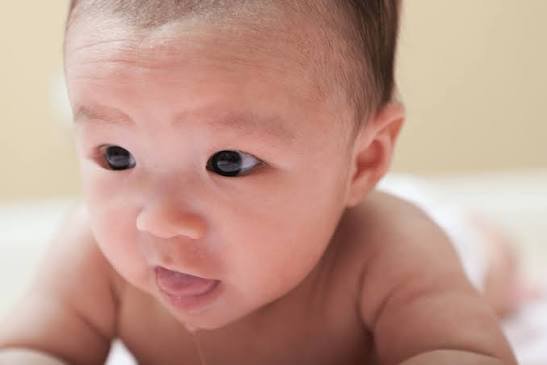
Around 3 to 6 months, many babies start blowing bubbles with their saliva, which often coincides with a noticeable jump in drool volume.
This behavior is a normal developmental milestone tied to babies discovering and experimenting with control over their mouth and lips.
It’s considered a positive sign of oral-motor development rather than a symptom of any underlying issue.
Breastfeeding, Bottle-Feeding, and Drool
Some parents notice more drooling during or after feedings, and this connection is worth understanding.
Sucking motions during breastfeeding or bottle-feeding naturally stimulate saliva production, so it’s common to see extra drool right after a feeding session.
This is a normal reflex response and isn’t a sign that something is wrong with feeding or digestion, so there’s no need to change your feeding routine because of it.
Pacifier Use and Drooling
Pacifier use is another common factor parents ask about when trying to understand increased drool.
Sucking on a pacifier stimulates the same salivary reflex as feeding, which can contribute to more visible drooling throughout the day.
This isn’t harmful, though frequent pacifier use combined with heavy drooling may increase the chance of drool rash around the mouth, making regular cleaning more important.
Genetics and Individual Variation
Just like other aspects of development, some babies simply drool more than others without any underlying reason.
Salivary gland activity and swallowing coordination can vary naturally from baby to baby, meaning two children of the same age can have very different drool levels.
If your baby is otherwise healthy, feeding well, and hitting developmental milestones, individual variation is a perfectly reasonable explanation for heavier-than-average drooling.
Tracking Your Baby’s Drooling Pattern
Keeping a simple record can help you and your pediatrician spot patterns if you’re ever concerned.
Note when drooling seems to increase, whether it lines up with feeding, teething signs, or illness, and whether it’s paired with any other symptoms.
This kind of pattern tracking is especially useful if you’re trying to determine whether a new symptom, like a rash or fussiness, is related to the drooling itself, and it gives your pediatrician clearer information to work with if you do decide to schedule a visit.
How Drooling Differs Between Breastfed and Formula-Fed Babies
Some parents wonder whether feeding method influences how much a baby drools, and it’s a reasonable question given how often the two topics come up together.
In general, drooling levels are driven far more by age, salivary gland development, and teething than by whether a baby is breastfed or formula-fed.
Both groups of babies typically follow the same general drooling timeline, increasing around 2 to 3 months and tapering off closer to age 2, regardless of feeding method.
When to Call Your Pediatrician
Most drooling is completely normal, but certain signs mean it’s worth reaching out to your doctor.
Call your pediatrician if drooling is accompanied by feeding difficulties, persistent coughing, choking, or any signs of breathing trouble.
Also reach out if drool rash isn’t improving with basic home care, or if your baby seems unusually fussy, lethargic, or feverish alongside the increased drooling.
Emergency Warning Signs
A small number of situations require immediate medical attention rather than a scheduled appointment.
Seek emergency care right away if your baby suddenly starts drooling excessively alongside difficulty breathing, blue-tinged lips, or an inability to swallow, since these can indicate a blocked airway.
Sudden onset of severe drooling paired with a high fever and refusal to open the mouth can also indicate a throat infection that needs prompt evaluation.
What to Expect at a Pediatrician Visit
If you do reach out about drooling concerns, knowing what happens at the visit can ease some of the worry.
Your pediatrician will typically start with a general exam, checking growth, feeding history, and developmental milestones alongside a look at the mouth and throat.
If teething or a minor illness seems responsible, reassurance and simple home care are often all that’s needed, with no further testing required.
For more unusual cases, such as concerns about oral-motor coordination or a possible obstruction, your pediatrician may refer you to a specialist like an ENT or a feeding therapist for further evaluation.
| Visit Step | What Happens |
|---|---|
| History review | Feeding, growth, and developmental milestones discussed |
| Physical exam | Mouth, throat, and overall health checked |
| Reassurance or referral | Most cases resolve with guidance; rare cases get specialist referral |
Most visits related to drooling end with simple reassurance, since the overwhelming majority of cases are a normal part of development.
Frequently Asked Questions (FAQs)
Why is my baby drooling so much all of a sudden?
A sudden increase often signals teething, active salivary gland development, or a growth spurt in mouth exploration behavior.
Is excessive drooling always a sign of teething?
No, active salivary glands, mouthing objects, illness, or reflux can all cause heavy drooling without any visible tooth nearby.
At what age do babies start drooling the most?
Drooling typically becomes most noticeable between 2 and 3 months, continuing heavily through the toddler teething years.
When should I worry about my baby’s drooling?
Worry if drooling comes with breathing trouble, choking, feeding refusal, or a high fever, since these need medical evaluation.
How can I prevent drool rash?
Wipe your baby’s skin gently and often, then apply a fragrance-free barrier ointment to protect against prolonged moisture.
Does drooling mean a tooth is about to come in?
It can be an early sign, especially combined with gum swelling and increased chewing, but it isn’t a guarantee on its own.
Can a cold cause more drooling in babies?
Yes, congestion and mouth breathing during a cold can make normal drool more noticeable and harder to swallow efficiently.
When do babies typically stop drooling?
Most babies drool significantly less by 18 to 24 months as swallowing control improves and teething progresses.
Are teething gels safe for excessive drooling relief?
Not all are; check with your pediatrician first, since some topical ingredients aren’t recommended for infants.
Can reflux cause a baby to drool more than usual?
Yes, acid reflux can irritate the throat and esophagus, prompting the body to produce more saliva as a soothing response.
Conclusion
So, why is your baby drooling so much? In the vast majority of cases, it’s simply a normal, healthy part of early development, driven by active salivary glands, developing swallowing muscles, mouth exploration, and teething.
Most babies drool heavily from around two months of age through their second birthday, and this pattern is nothing to worry about on its own. Keep an eye on accompanying signs like feeding, breathing, and overall behavior, since these matter more than the amount of drool itself.
Simple habits like using bibs, wiping the skin gently, and offering safe teething toys can make daily life easier during this messy stage.
If drooling ever comes with breathing difficulty, choking, or a refusal to eat, don’t hesitate to contact your pediatrician, since these signs deserve a closer look beyond typical baby drool. Trust your instincts as a parent, and remember that reaching out for reassurance is always a reasonable choice.


