



Why does my mouth hurt is a question most people search the moment eating, drinking, or even talking starts to feel uncomfortable. Mouth pain can show up in the teeth, gums, tongue, cheeks, or roof of the mouth, and the cause behind it varies widely from person to person.
Sometimes it is something small like a burn from hot food or a minor cut. Other times it points to a cavity, infection, or gum problem that needs professional care.
Common Reasons Why Your Mouth Hurts
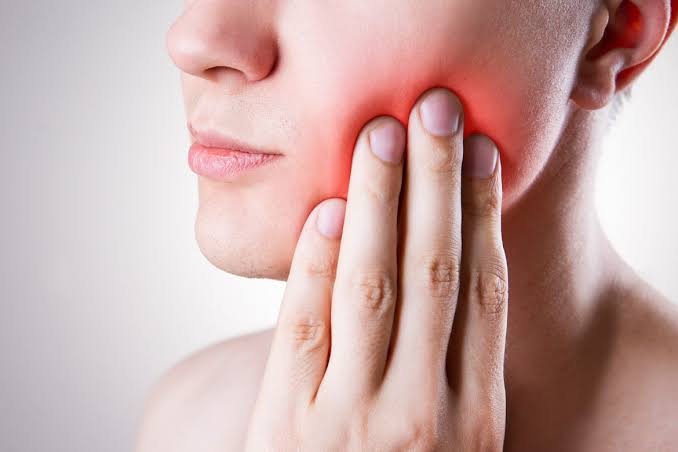
Mouth pain rarely has just one explanation. The location, timing, and intensity of the discomfort usually offer clues about the cause.
Below are the most frequent reasons people experience oral pain.
Tooth Decay and Cavities
Cavities form when bacteria break down the enamel on your teeth over time. This creates small holes that expose sensitive nerve endings inside the tooth.
Pain often gets worse when eating something sweet, hot, or cold.
Gum Disease
Gum disease begins as mild inflammation and can progress into a more serious infection if left untreated. Swollen, red, or bleeding gums are early warning signs.
Pain and tenderness usually increase as the condition advances.
Canker Sores
Canker sores are small, shallow ulcers that appear inside the cheeks, under the tongue, or on the soft tissue of the mouth. They are not contagious and often triggered by stress or minor injury.
Most canker sores heal on their own within one to two weeks.
Cold Sores
Unlike canker sores, cold sores are caused by the herpes simplex virus and are contagious. They typically appear on or near the lips but can occasionally show up inside the mouth.
Early treatment with antiviral medication can shorten how long they last.
Burns or Injuries
Eating very hot food or drinking scalding beverages can burn the tongue, cheeks, or roof of the mouth. Accidental bites or cuts from hard foods cause similar discomfort.
These injuries usually heal within a few days without treatment.
Dry Mouth
A lack of saliva can leave the mouth feeling raw, irritated, and more prone to pain. Certain medications, dehydration, and some medical conditions commonly cause dry mouth.
Staying hydrated and using saliva substitutes can ease the discomfort.
Oral Thrush
Oral thrush is a fungal infection that creates white patches and soreness inside the mouth. It is more common in people with weakened immune systems or those using inhaled steroids.
Antifungal medication is usually needed to clear the infection.
Dental Abscess
A dental abscess is a pocket of infection that forms around the root of a tooth or in the gums. This causes intense, throbbing pain that can spread to the jaw or ear.
An abscess requires prompt dental treatment and sometimes antibiotics.
TMJ Disorders
The temporomandibular joint connects your jaw to your skull, and problems here can cause pain throughout the mouth and face. Clicking, popping, or difficulty opening the mouth are common symptoms.
Stress, teeth grinding, and jaw misalignment are frequent triggers.
Vitamin Deficiencies
Low levels of certain vitamins, particularly B12, iron, and folate, can cause soreness, cracking at the corners of the mouth, or a burning tongue sensation. This type of pain often develops gradually.
Blood tests can confirm whether a deficiency is the underlying cause.
Mouth Pain Symptom and Cause Table
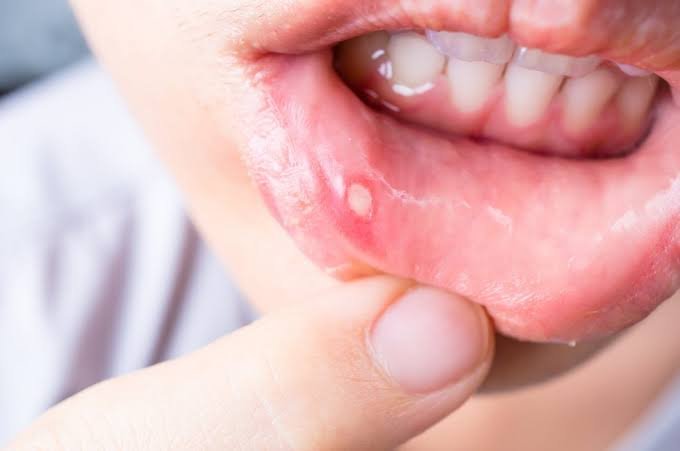
Use this quick reference table to match your symptoms with the likely cause.
| Symptom | Likely Cause | What Helps |
|---|---|---|
| Sharp pain when eating sweets | Cavity | Dental filling or checkup |
| Bleeding, swollen gums | Gum disease | Professional cleaning |
| Small white ulcer inside cheek | Canker sore | Salt water rinse |
| Blister on or near the lip | Cold sore | Antiviral cream |
| Burning after hot food or drink | Burn injury | Cold water, soft foods |
| Constant dryness and irritation | Dry mouth | Hydration, saliva substitute |
| White patches with soreness | Oral thrush | Antifungal medication |
| Throbbing pain spreading to jaw | Dental abscess | Urgent dental care |
| Jaw clicking or locking | TMJ disorder | Jaw exercises, dentist visit |
| Cracking at mouth corners | Vitamin deficiency | Blood test, supplements |
Step-by-Step Guide to Relieve Mouth Pain at Home
Mild mouth pain often responds well to simple home care before it requires a dental or medical visit.
Try these steps in order to manage discomfort safely.
Step 1: Rinse with Warm Salt Water
Mix half a teaspoon of salt into a cup of warm water and swish gently. This helps reduce bacteria and calm inflammation.
Step 2: Apply a Cold Compress
Hold a cold compress against the outside of your cheek near the painful area. This can numb the area and reduce swelling.
Step 3: Avoid Trigger Foods
Steer clear of spicy, acidic, hot, or crunchy foods while your mouth is healing. Soft, cool foods are easier to tolerate.
Step 4: Use Over-the-Counter Pain Relief
Medications like ibuprofen or acetaminophen can reduce pain and inflammation temporarily. Follow the dosage instructions on the label.
Step 5: Try an Oral Numbing Gel
Topical gels containing benzocaine can numb painful sores or irritated areas for short-term relief. These are widely available at pharmacies.
Step 6: Stay Hydrated
Drinking enough water supports saliva production and helps the mouth heal faster. It also reduces irritation from dryness.
Step 7: Maintain Gentle Oral Hygiene
Brush softly with a soft-bristled toothbrush and avoid aggressive flossing near sore areas. This prevents further irritation while keeping bacteria under control.
Step 8: See a Dentist or Doctor if Pain Persists
If the pain lasts longer than one to two weeks or keeps getting worse, home care is no longer enough. Professional evaluation is needed to identify the exact cause.
When Should You See a Dentist or Doctor for Mouth Pain
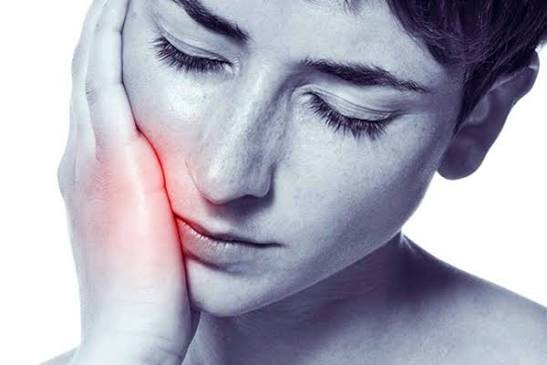
Not all mouth pain can be managed at home. Certain symptoms are signs that you need professional care right away.
Seek prompt medical or dental attention if you notice facial swelling, a high fever, difficulty swallowing, or pain that spreads rapidly. These can indicate a serious infection that needs urgent treatment.
You should also make an appointment if pain lasts more than ten to fourteen days, keeps returning, or is severe enough to interfere with eating and sleeping. A dentist can perform an exam or imaging to find the exact source of the problem.
How to Prevent Future Mouth Pain
Good daily habits significantly lower your risk of developing painful mouth conditions.
A few consistent practices can make a noticeable difference over time.
Brush twice a day and floss daily to prevent cavities and gum disease. Schedule a dental checkup every six months for early detection of problems.
Avoid tobacco products, which increase the risk of oral infections and slow healing. Limit sugary and acidic foods that contribute to tooth decay over time.
Mouth Pain Prevention Checklist
| Habit | Why It Helps |
|---|---|
| Brush twice daily | Removes plaque that causes cavities |
| Floss once a day | Prevents gum inflammation |
| Visit the dentist every 6 months | Catches problems early |
| Limit sugary and acidic foods | Reduces enamel erosion |
| Stay hydrated | Prevents dry mouth irritation |
| Avoid tobacco use | Lowers infection and disease risk |
| Wear a nightguard if you grind teeth | Protects against TMJ strain |
When Mouth Pain May Signal Something More Serious
While most mouth pain is minor, certain patterns deserve closer attention. Pain that does not improve with home care, unexplained lumps, or sores that will not heal after several weeks should always be checked by a professional.
Persistent numbness, difficulty opening the mouth fully, or pain combined with unexplained weight loss are also signs that warrant a medical evaluation rather than continued home treatment.

Frequently Asked Questions (FAQs)
1. Why does my mouth hurt when I eat?
This is often caused by a cavity, sensitive teeth, or a mouth sore irritated by food. A dental exam can pinpoint the exact source.
2. Why does the roof of my mouth hurt?
Burns from hot food, canker sores, or sinus pressure commonly cause this. It usually resolves within a few days with gentle care.
3. Why does my mouth hurt but I don’t have a cavity?
Gum disease, TMJ issues, or vitamin deficiencies can cause pain unrelated to cavities. A dentist can rule out other possible causes.
4. Why does my mouth hurt when I wake up?
Teeth grinding during sleep is a frequent cause of morning jaw and mouth pain. A nightguard can help reduce this over time.
5. Can stress cause mouth pain?
Yes, stress is a known trigger for canker sores and jaw clenching. Managing stress levels often reduces flare-ups.
6. Why does my mouth hurt after brushing?
Brushing too hard or using a stiff-bristled toothbrush can irritate the gums. Switching to a soft-bristled brush usually helps.
7. Is mouth pain a sign of infection?
It can be, especially if accompanied by swelling, fever, or a bad taste. Infections typically require prompt professional treatment.
8. How long should mouth pain last before I see a doctor?
If pain lasts more than ten to fourteen days without improvement, seek professional evaluation. Sooner is better if pain is severe.
9. Can vitamin deficiency really cause mouth pain?
Yes, low B12, iron, or folate levels can cause soreness and cracking at the mouth corners. A blood test can confirm this cause.
10. What home remedies help mouth pain the fastest?
Warm salt water rinses and cold compresses typically offer the quickest relief. Avoiding spicy or acidic foods also speeds up healing.
Conclusion
Mouth pain can stem from many different causes, ranging from minor burns and canker sores to cavities, gum disease, or infections that need professional treatment.
Identifying the location and pattern of your pain is the first step toward finding the right relief, whether that means a simple salt water rinse or a visit to the dentist. Home remedies like cold compresses, hydration, and gentle oral hygiene work well for mild, short-term discomfort.
However, persistent pain, swelling, fever, or sores that will not heal are signs that professional care should not be delayed. Staying consistent with brushing, flossing, and regular dental checkups remains the best way to prevent mouth pain before it starts.
If your discomfort continues beyond one to two weeks or worsens suddenly, reach out to a dentist or doctor for a proper diagnosis and treatment plan tailored to your specific situation.


