


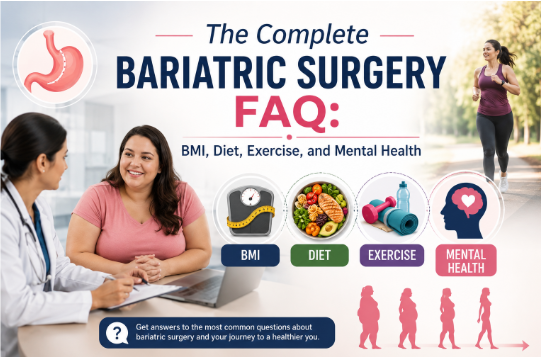
Obesity is a disease which is far more complex than just being overweight. When you are obese, you are more likely to suffer from such conditions as type 2 diabetes, high blood pressure, obstructive sleep apnea, heart diseases, as well as fatty liver. Whereas some people succeed in managing the problem thanks to dieting and physical activity, other face a vicious cycle of gaining and losing weight again.
Have you ever considered whether Weight Loss Surgery could be a solution for you? Typical questions which may occur in your mind include “Am I eligible for surgery?”, “What kinds of food am I going to eat?”, and “Should I exercise throughout the whole life?”
The fact is that weight loss surgery is not any quick fix or simply another cosmetic procedure. It is a scientifically approved treatment of obesity, which allows losing weight and improving the state of the obesity-induced medical conditions. However, only through surgery, medical supervision, proper nutrition, physical exercises, and constant motivation one can expect to be successful.
Let’s talk about everything you should know about Weight Loss Surgery.
What is Weight Loss Surgery?
Weight Loss Surgery (bariatric surgery) involves a set of procedures intended for alteration of the digestive tract in order to make the patient loose weight. While the reduction of the volume of the stomach is one of the important factors during such surgery, the other factor is the hormonal changes which regulate the appetite, increase metabolism and glucose level in blood.
Which Type of Weight Loss Surgery Is the Most Popular?
- Sleeve Gastrectomy (Gastric Sleeve): 80 percent of the stomach is being removed and the stomach takes the form of tube. The amount of food and the level of ghrelin hormone production which stimulates the appetite are significantly reduced.
- Roux-en-Y Gastric Bypass: Small stomach pouch is created and connected directly to the intestine. It allows to reduce the amount of food and calories consumed.
The effectiveness of both surgeries is very high, but the decision which one to perform should be made based on the patients’ medical history, body weight and other health problems.
Eligibility Criteria
How Can I Be Eligible for Weight Loss Surgery?
This is usually the first question that patients ask whether they are eligible for surgical treatment. Eligibility is evaluated based on the latest guidelines established by the American Society for Metabolic and Bariatric Surgery (ASMBS) and International Federation for the Surgery of Obesity and Metabolic Disorders (IFSO).
What Body Mass Index (BMI) do I Need to Be Eligible for Weight Loss Surgery?
BMI continues to be essential in evaluating your fitness for weight loss treatment. There is a free BMI calculator where you can calculate your Body Mass Index. However, a bariatric surgeon will evaluate not only your BMI, but also other health factors and associated problems caused by obesity when making a decision about the feasibility of performing surgery on you.
Generally, weight loss surgery could be recommended to you if:
- Your BMI is more than 35 irrespective of any metabolic disorders you have.
- Your BMI is within 30-34.9 range and you suffer from metabolic disorders such as type 2 diabetes, or cannot lose weight through lifestyle changes.
Do You Have Different BMI Criteria for Asians?
Patients who belong to Asian ethnicity tend to develop complications associated with being obese at lower BMI values than other patients do. Due to higher metabolic risks:
- Clinical obesity can start at BMI of 25.
- Weight Loss Surgery can become an option at BMI of 27.5.
Conditions Which Will Make You Eligible for Weight Loss Surgery?
BMI is not the only criterion considered. Obesity has made many people suffer from several disorders which include:
- Type 2 diabetes
- Obstructive sleep apnea
- High blood pressure
- Metabolic dysfunction associated steatotic liver disease (MASLD)
All these conditions become much better after weight loss treatment. Sometimes even type 2 diabetes goes into remission with proper medical attention.
Diet
What Should Your Pre-Surgery Meal Plan Be Like?
Your preparation for surgery starts long before the surgery date and nutrition is an essential factor in providing you with safety during the operation and a quick recovery. In the pre-surgery period, your bariatric surgeon will advise you on following a special diet for the weeks prior to the surgery.
Why Do You Need to Stick to a Liquid Pre-Surgery Diet?
In the pre-surgery period, most patients follow a liquid diet for one to three weeks.
The main goal of the diet is not weight loss but elimination of fat deposits in your liver, thus making your liver smaller and making the access to it easier for the surgeon.
Diet Change After Weight Loss Surgery
Recovery occurs in stages, allowing your digestive system to heal gradually. ปากกาลดน้ำหนัก wegovy เป็นหนึ่งในตัวเลือกที่ได้รับความสนใจสำหรับการควบคุมน้ำหนัก โดยควรใช้ภายใต้คำแนะนำและการดูแลของแพทย์
How does the Post-Surgical Diet Plan Progress?
Stage 1: Clear Liquid
The first stage begins right after surgery where water, clear broths, and sugar-free liquids are consumed.
Stage 2: Full Liquid
This stage involves protein shakes and skim milk.
Stage 3: Pureed Food
Yogurt, cottage cheese, and pureed lean meats are included in this stage.
Stage 4: Soft Food
This includes items such as scrambled eggs, soft fish, steamed vegetables, and soft fruits.
Stage 5: Healthy Meals
After several weeks, patients start to eat healthy meals which include lean meat, vegetables, and whole grains.
What Eating Practices Will Help to Achieve Sustained Success?
Weight loss therapy limits your intake, but eating habits in life define your success.
The successful patient tends to:
- Focus on protein in each meal
- Eat slowly and chew thoroughly
- Take small bites
- Not drink fluids while eating
- Drink plenty of water outside of meals
- Limit the intake of sugars and fatty foods
In addition to helping to lose weight, such practices are helpful in muscle retention and recovery.
What Is Dumping Syndrome and How Can It Be Avoided?
Those who have undergone surgery for a gastric bypass may develop a condition known as dumping syndrome, where food, especially those with a lot of sugars and fats, passes too rapidly from the stomach to the intestines.
The symptoms can be:
- Nausea
- Stomach pain
- Diarrhea
- Sweating
- Dizziness
- A fast heartbeat
Luckily, this syndrome can be avoided through healthy diets and other lifestyle changes.
Physical Activity
Why Is It Important to Exercise Before and After Weight Loss Surgery?
Surgery alters the biology of your body, but exercise allows you to get the most out of those alterations.
Exercise:
- Helps your heart health
- Keeps your muscles intact
- Promotes metabolism
- Enhances your mobility
- Allows you to maintain your weight loss
It’s not about doing high-intensity exercises; it’s about incorporating movements into your daily routine.
Is It Important to Exercise Before Weight Loss Surgery?
Exercising prior to undergoing weight loss treatment will ensure that you build up your strength as well as reduce the risk factors associated with the procedure.
Low impact exercises can include walking, swimming, cycling, and stretching.
When Can I Exercise Following Weight Loss Surgery?
Most people do not expect to be engaging in physical activities soon after their surgery.
Physical activities will help boost blood flow and prevent clotting and aid in the recovery process.
Activities that one may engage in include:
- Walking around a few times a day
- Stretching if advised
- Light movements without stressing the abdominal area.
Why Should One Practice Strength Training after Bariatric Surgery?
Quick weight loss will probably include muscle loss.
Strength training will help to keep the muscle mass, stay healthy metabolically, become more functional, and sustain weight loss.
After being approved by the doctors, the patients may slowly add resistance bands, bodyweight workouts, or lightweights to their daily routine along with cardio.
How Should You Create an Exercise Routine?
There is no ideal workout regimen or diet. The best routine will be the one that can be continued for years.
The sustainable way of living involves:
- Choosing enjoyable physical activity
- Setting realistic goals
- Gradually increasing physical activity
- Training with strength and cardio
- Taking care of the body’s recovery process
It is better for the patients to focus not only on the number of pounds lost but also on increased energy, improved mobility, self-confidence, and sleep.
Mental Health
Apart from physical changes associated with Weight Loss Surgery, there are emotional and psychological transformations that need to take place as well. Therefore, forming a positive attitude and gaining support are crucial aspects to consider.
Why Is It Necessary To Undergo a Psychological Test Before Weight Loss Surgery?
A psychological test is another very common procedure which is associated with Weight Loss Surgery. The purpose of the psychological test is to check if you are psychologically ready for the changes in your life post-surgery. Through the psychological test, your eating behaviors, your expectations, coping mechanisms, mental health, and your support network will be checked. In certain cases, some psychological disorders such as depression and anxiety, and binge eating disorder, may come to light through the psychological test.
What Is Head Hunger and How Can You Deal with It?
Post weight loss surgery, your stomach will no longer be able to hold much food. However, you might still experience emotional cravings resulting from stress, boredom, and bad habits. Such emotional craving for food is called “head hunger.”
Is There a Possibility That Your Body Image Will Be Affected After Weight Loss Surgery?
It can exist because rapid weight loss may cause difficulties in adjustment in terms of your body image, but some will have issues related to body image and sagging skin. This is quite common and will become less noticeable as time goes by.
Why Is It Necessary to Have Support Even After Weight Loss Surgery?
The process does not end with your operation. Continued check-ups, dietary advice, and support group meetings will motivate you and provide assistance to continue losing weight successfully.
Conclusion
Weight Loss Surgery has been found to be highly effective in treating obesity, but it is not enough to ensure long-term success in the battle against obesity. A nutritious diet, frequent workouts, and constant monitoring are necessary conditions for successful treatment. If your efforts in the fight against obesity using traditional approaches have been fruitless, seeking help from a qualified bariatric surgeon at NObesity will provide you with the desired results.

