



Why do my toenails smell? If you’ve caught a strange, cheesy, or musty odor coming from your feet after taking off your socks, you’re not imagining it and you’re definitely not alone. Toenail odor is more common than people admit, and it almost always has a specific, identifiable cause.
In most cases, the smell comes down to trapped moisture, bacteria, fungus, or debris building up under the nail plate.
Quick Answer: Top Causes of Smelly Toenails
Before going deep, here’s a fast snapshot. Most cases trace back to one of four sources.
| Category | Common Cause | Needs a Doctor? |
|---|---|---|
| Infection | Fungal nail infection (onychomycosis) | Yes |
| Infection | Bacterial infection or Brevibacterium | Yes |
| Hygiene | Trapped sweat, debris, dead skin | No |
| Hygiene | Dirty socks or closed, damp shoes | No |
| Medical | Diabetes or poor circulation | Yes |
| Medical | Hyperhidrosis (excess sweating) | Sometimes |
If the smell is new, strong, or paired with discoloration, treat it as a sign worth investigating rather than something to mask with lotion or spray alone, since covering the smell won’t resolve whatever is causing it underneath.
Fungal Infection: The Most Common Cause
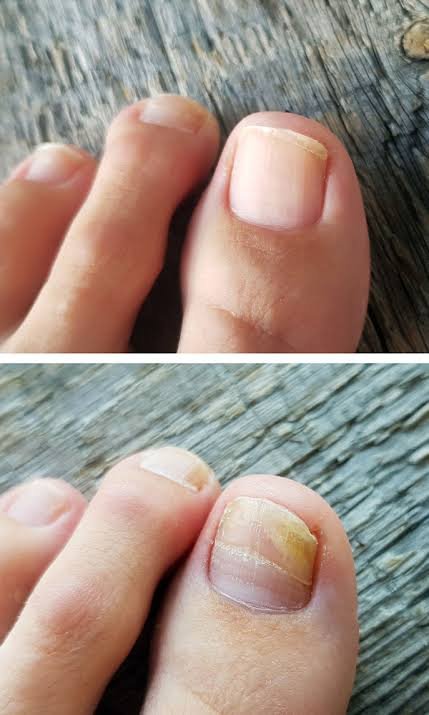
Fungal nail infection, known medically as onychomycosis, is behind the majority of persistent toenail odor cases.
How Fungus Creates the Smell
Fungus feeds on keratin, the protein that makes up your nail. As it breaks the keratin down, it releases smelly byproducts trapped beneath the nail plate.
This is why the odor often gets stronger right after you trim your nails, since cutting releases compounds that were sealed inside.
Signs You’re Dealing With Fungus
Fungal nails typically look thickened, yellow or brown, and crumbly at the edges. You may also notice the nail lifting slightly away from the skin underneath.
A lab test called a mycology test can confirm the diagnosis if you want certainty before starting treatment.
Why It Sometimes Smells Like Cheese
A specific bacteria called Brevibacterium is often present alongside fungal infections. This same bacteria strain is used to make strong cheeses like Limburger, which explains the surprisingly familiar smell.
Both fungus and Brevibacterium thrive in the same warm, damp, dark conditions found inside closed shoes.
Why It Sometimes Smells Like Rotten Eggs
In more advanced fungal infections, the fungus breaks down bacterial compounds and releases sulfur, producing a smell closer to rotten eggs rather than cheese.
This stronger, sulfuric smell often signals a more advanced or long-standing infection that needs professional treatment.
Bacterial Infection and Odor
Fungus isn’t the only microorganism responsible for nail odor. Bacteria thrive in the same moist environment and produce their own smell.
How Bacteria Cause Smell
Moisture trapped under or around the toenail creates the perfect environment for bacteria to multiply. As they multiply, bacteria release volatile compounds similar to those responsible for general foot odor.
Redness, swelling, or drainage around the nail can indicate an active bacterial infection rather than a purely fungal one.
Fungal vs. Bacterial: Quick Comparison
| Feature | Fungal Infection | Bacterial Infection |
|---|---|---|
| Nail color | Yellow, brown, or white | May look normal or red at edges |
| Nail texture | Thick, crumbly, brittle | Usually unchanged |
| Smell type | Cheesy or musty | Sharper, sometimes rotten |
| Skin around nail | Usually normal | Red, swollen, possibly draining |
| Onset | Gradual, over weeks or months | Can appear more quickly |
Since both conditions can overlap, a podiatrist visit is the most reliable way to know exactly what you’re dealing with.
Keratin Debris and Trapped Dead Skin
Not every smell means infection. Sometimes it’s simply a buildup problem.
Dead skin cells, cuticle fragments, and tiny fibers from socks can collect under the nail over time. As this debris sits and decomposes, it produces its own unpleasant smell.
This is especially common in people who wear closed shoes for long hours or who don’t regularly clean under their nails during showers.
Sweat, Hygiene, and Closed Shoes
Feet contain more sweat glands per square inch than almost any other part of the body, which sets the stage for odor if moisture isn’t managed.
Excess Sweating (Hyperhidrosis)
Hyperhidrosis is a condition where sweat glands become overactive, producing far more moisture than normal. This constant dampness increases the chance of both bacterial and fungal growth around the nails.
Treatment options range from absorbent insoles and medicated pads to prescription medication for more severe cases.
Dirty or Reused Socks
Wearing the same socks for multiple days, or socks made from non-breathable materials, traps sweat against the skin and nail bed.
Switching to moisture-wicking socks and changing them daily reduces the damp environment that odor-causing organisms need to thrive.
Non-Breathable Shoes
Shoes made from synthetic materials with poor ventilation keep feet warm and damp all day, essentially creating a greenhouse for fungus and bacteria.
Rotating between at least two pairs of shoes gives each pair time to fully dry out between wears.
Medical Conditions Linked to Toenail Odor
Sometimes smelly toenails point to something happening elsewhere in the body.
Diabetes
Diabetes can reduce circulation to the feet and weaken the immune response, making fungal and bacterial infections more likely and harder to fight off.
People with diabetes should treat any nail odor or discoloration as a priority and involve a doctor early rather than waiting.
Poor Circulation
Reduced blood flow to the feet, common in older adults or people with vascular conditions, slows healing and makes infections more likely to take hold and linger.
Warm feet with good color usually indicate healthy circulation; cold, pale, or discolored feet are worth mentioning to a doctor.
Medication Side Effects
Certain medications, including some antidepressants, anti-inflammatories, and antibiotics, can increase sweat production or change its composition, indirectly contributing to foot and nail odor.
If odor started around the same time as a new prescription, it’s worth asking your prescribing doctor whether that could be a factor.
What Different Smells Might Mean
The specific type of odor can offer clues about the underlying cause, though it’s never a substitute for a professional diagnosis.
| Smell Type | Possible Cause |
|---|---|
| Cheesy or musty | Fungal infection with Brevibacterium bacteria |
| Rotten egg or sulfur-like | Advanced fungal infection |
| Sharp, sour, or vinegar-like | Bacterial overgrowth |
| Mild, generic foot odor | Sweat and trapped debris |
| Sweet or fruity | Possible link to blood sugar changes; consult a doctor |
If you notice a sweet or unusual smell alongside other symptoms like increased thirst or fatigue, mention it to a doctor rather than assuming it’s just a hygiene issue.
Why Does the Smell Get Worse After Trimming?
This is one of the most common follow-up questions people have once they notice toenail odor.
Trimming releases compounds and debris that were previously sealed and trapped beneath the nail plate, which briefly intensifies the smell right after cutting.
If the smell fades quickly after trimming, it’s more likely simple debris. If it lingers or returns strongly within a day, infection becomes more likely.
Why Do Only Some of My Toenails Smell?
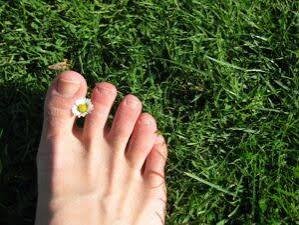
Odor rarely affects all ten toenails equally, and that pattern itself can be informative.
Fungal infections often start in one nail, usually the big toe or a nail with a past injury, before potentially spreading to neighboring nails over time.
If only one or two nails smell and look different from the rest, that isolated pattern points more strongly toward a localized fungal or bacterial infection.
How to Get Rid of Smelly Toenails
Once you have a sense of the likely cause, these steps address both hygiene-based and infection-based odor.
Step 1: Wash and Dry Thoroughly Every Day
Wash feet daily with soap and water, paying close attention to the area under and around each nail.
Dry completely afterward, especially between the toes, since leftover moisture is the single biggest factor that allows odor-causing organisms to thrive.
Step 2: Trim and Clean Nails Regularly
Keep nails trimmed short and straight across, and gently clean underneath them with a soft brush during showers.
Avoid digging aggressively under the nail, since this can create small injuries that let bacteria in.
Step 3: Rotate Shoes and Choose Breathable Materials
Give shoes at least 24 hours to fully dry out between wears, and choose breathable materials like leather or mesh over fully synthetic options when possible.
Removing insoles after wear speeds up drying time significantly.
Step 4: Switch to Moisture-Wicking Socks
Choose socks made from moisture-wicking fabric rather than cotton, which tends to hold onto sweat rather than pulling it away from the skin.
Change socks daily, and more than once a day if you sweat heavily or exercise.
Step 5: Use an Antifungal or Antibacterial Product
Over-the-counter antifungal creams or sprays can help mild cases, especially when used consistently for the full recommended duration.
For a confirmed bacterial issue, an antibacterial foot soak or prescribed treatment from a doctor may be more effective.
Step 6: See a Podiatrist for Confirmed or Persistent Cases
If home care doesn’t improve the smell within a few weeks, or if the nail looks visibly damaged, a podiatrist can confirm the cause and recommend targeted treatment rather than leaving you to guess.
Options range from topical and oral antifungal medications to in-office procedures like debridement or laser therapy for stubborn infections.
Treatment Options Compared
| Treatment | Best For | Notes |
|---|---|---|
| Topical antifungal cream | Mild, early fungal cases | Requires consistent daily use for weeks |
| Oral antifungal medication | Moderate to severe fungal infection | May require liver function monitoring |
| Laser nail therapy | Stubborn or recurring fungal infection | No downtime, multiple sessions often needed |
| Debridement | Thick, damaged nails | Shaves down nail so medication penetrates better |
| Antibacterial soak | Bacterial-driven odor | Often paired with improved hygiene habits |
A podiatrist can help match the right treatment to your specific cause rather than guessing based on smell alone, and getting an accurate diagnosis early usually shortens overall treatment time.
When to See a Doctor
Some signs mean it’s time to stop self-treating and book an appointment.
See a doctor if you notice thickened, crumbling, or discolored nails alongside the smell, since these usually indicate an active fungal infection that needs targeted treatment.
Also seek care if you have diabetes, poor circulation, or a weakened immune system, since infections in these situations can progress faster and cause more serious complications.
Prevention Checklist
Once the odor clears up, these habits help keep it from coming back.
| Habit | Why It Helps |
|---|---|
| Dry feet completely after washing | Removes the moisture organisms need to grow |
| Rotate at least two pairs of shoes | Lets each pair fully dry between wears |
| Wear moisture-wicking socks | Pulls sweat away from skin and nails |
| Trim nails straight across regularly | Prevents debris buildup and injury |
| Use foot powder in shoes | Absorbs excess moisture throughout the day |
| Avoid walking barefoot in public showers or pools | Reduces exposure to fungal spores |
Small daily habits matter more than occasional deep cleaning, since fungus and bacteria both need sustained moisture to establish themselves.
Does Nail Polish or Gel Manicures Play a Role?
Cosmetic nail products aren’t a direct cause of odor, but they can create conditions that make an existing problem worse.
Polish and gel coatings seal the nail surface, which can trap moisture underneath if the nail wasn’t completely dry before application.
If you have a suspected fungal infection, avoid covering the nail with polish until it’s treated, since this can hide visible symptoms while allowing the infection to progress underneath.
Children, Athletes, and High-Risk Groups
Certain groups are more likely to deal with smelly toenails simply because of lifestyle or environment.
Athletes and Active Individuals
Frequent sweating, tight athletic shoes, and shared locker room or pool surfaces all increase exposure to fungal spores and bacteria.
Showering promptly after exercise and changing out of sweaty socks quickly reduces this risk significantly.
People Who Wear Closed-Toe Work Shoes
Jobs that require steel-toe boots or closed shoes for long shifts create extended periods of heat and moisture buildup around the nails.
Using antifungal foot powder at the start of a shift can help absorb sweat throughout the day.
Older Adults
Nail growth slows with age, and circulation often decreases too, both of which make infections more likely to take hold and slower to clear once they do.
Regular podiatry checkups become more valuable as a preventive measure in this age group.
Natural and Home Remedies Worth Trying
For mild, non-infected cases, some home approaches can help manage odor while you monitor the nail.
Vinegar Soaks
A diluted vinegar foot soak can help create an environment less hospitable to bacteria and mild fungal growth due to its acidity.
Soak for about fifteen minutes a few times a week, then dry feet completely afterward.
Tea Tree Oil
Tea tree oil has natural antifungal and antibacterial properties and can be applied topically to the nail area as a mild supportive treatment.
It works best for early-stage or mild cases and shouldn’t replace medical treatment for confirmed infections.
Baking Soda
Baking soda can help absorb moisture and neutralize odor when added to a foot soak or sprinkled inside shoes overnight.
This is more of an odor-management tool than a treatment for the underlying cause.
| Remedy | Best Use | Limitation |
|---|---|---|
| Vinegar soak | Mild odor, early prevention | Not a substitute for antifungal medication |
| Tea tree oil | Mild fungal or bacterial cases | Slower acting than prescription treatment |
| Baking soda | General odor absorption | Doesn’t treat infection directly |
| Foot powder | Daily moisture control | Preventive only |
These remedies work best alongside good hygiene habits, not as a replacement for them.
What to Expect During a Podiatry Visit
If home care isn’t cutting it, knowing what happens at the appointment can make booking one feel less intimidating.
Your podiatrist will typically examine the nail visually first, checking color, thickness, and how it separates from the nail bed.
A small nail clipping may be sent for a lab test to confirm whether fungus, bacteria, or both are present, since treatment differs depending on the result.
Based on the findings, your podiatrist will recommend a treatment plan, which may include topical medication, oral antifungals, laser therapy, or a combination depending on severity.
| Visit Step | What Happens |
|---|---|
| Visual exam | Checks color, thickness, and nail bed separation |
| Nail sample test | Confirms fungal or bacterial cause |
| Treatment plan | Matched to severity and cause |
| Follow-up | Monitors healing and nail regrowth |
Most people see noticeable improvement within a few months of starting the correct treatment, though full nail regrowth can take up to a year since nails grow slowly.
Frequently Asked Questions (FAQs)
Why do my toenails smell like cheese?
A bacteria called Brevibacterium, often present with fungal infections, produces the same compounds found in strong cheeses like Limburger.
Can toenail smell go away on its own?
Mild hygiene-related odor can improve with better washing and drying, but infection-based odor usually needs targeted treatment.
Is toenail odor always a sign of fungus?
No, it can also come from bacteria, trapped debris, sweat, or underlying conditions like diabetes affecting circulation.
Why does the smell get stronger after I cut my nails?
Trimming releases trapped compounds and debris that were sealed under the nail plate, temporarily intensifying the odor.
Can shoes cause my toenails to smell?
Yes, non-breathable shoes trap heat and moisture, creating ideal conditions for both fungal and bacterial growth.
Should I see a podiatrist for smelly toenails?
Yes, especially if the nail looks thick, discolored, or crumbly, since these signs usually point to an infection needing treatment.
Does diabetes affect toenail smell?
Yes, diabetes can reduce circulation and weaken immune response, making infections more likely and harder to clear.
Are home remedies effective for smelly toenails?
Mild cases often improve with consistent hygiene and over-the-counter antifungal products, but persistent cases need professional care.
Can nail polish make the smell worse?
Yes, polish can trap moisture against the nail, potentially worsening fungal growth if applied over an existing infection.
How long does it take to clear a fungal infection?
Treatment can take anywhere from a few weeks for topical options to several months for oral or laser therapy to fully clear.
Conclusion
So, why do your toenails smell? In most cases, it comes down to fungus, bacteria, trapped debris, or excess moisture building up in a warm, closed environment. The specific smell, whether cheesy, sulfuric, or simply sweaty, can offer helpful clues, but a proper diagnosis from a podiatrist is the most reliable way to know exactly what’s happening.
Start with daily washing, thorough drying, breathable shoes, and moisture-wicking socks, since these habits address the root environmental cause behind most odor.
If the smell persists, or if you notice thickening, discoloration, or crumbling nails, don’t wait to get it checked, especially if you have diabetes or circulation issues. With the right combination of hygiene habits and, if needed, targeted antifungal or antibacterial treatment, smelly toenails are almost always manageable and fully treatable over time.


