


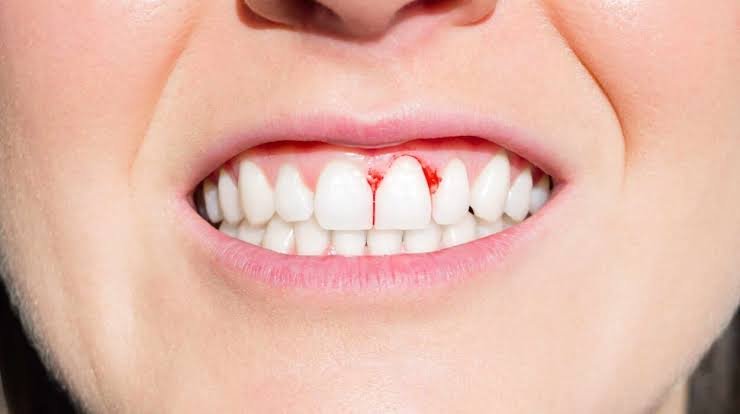
Why do gums bleed is one of the most common questions people ask after noticing pink or red in the sink while brushing or flossing. In most cases, bleeding gums point to gingivitis, the earliest and most treatable stage of gum disease.
But bleeding can also come from aggressive brushing, hormone changes, certain medications, or an underlying health condition.
The Short Answer To Why Gums Bleed
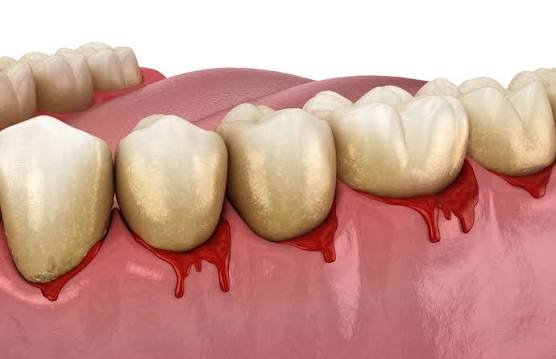
Gums usually bleed because plaque buildup along the gumline causes inflammation, a condition known as gingivitis.
Other common triggers include hard brushing, new flossing habits, hormone shifts, and certain medications like blood thinners.
What Is Plaque And Why It Matters
Plaque is a sticky, colorless film of bacteria that forms on teeth throughout the day.
When plaque is not removed through brushing and flossing, it irritates the gum tissue along the gumline.
This irritation triggers inflammation, which makes gums more fragile and prone to bleeding during normal contact.
Over time, unremoved plaque hardens into tartar, which only a dental professional can remove safely.
Gingivitis: The Most Common Cause Of Bleeding Gums
Gingivitis is the earliest stage of gum disease and the leading cause of bleeding gums worldwide.
It develops when plaque along the gumline is not cleaned away consistently over several days.
Symptoms include red, swollen, tender gums that bleed easily during brushing or flossing.
The good news is gingivitis is fully reversible with improved oral hygiene and professional cleanings.
How Gingivitis Progresses Into Periodontitis
If gingivitis is left untreated, it can advance into periodontitis, a more severe and permanent form of gum disease.
Periodontitis causes the gums to pull away from the teeth, forming pockets where bacteria continue to grow.
Over time, this process damages the connective tissue and bone that hold teeth in place.
Unlike gingivitis, periodontitis cannot be fully reversed, only managed and controlled through ongoing dental treatment.
Brushing And Flossing Habits That Cause Bleeding
Brushing too hard or using a hard bristled toothbrush is a surprisingly common cause of gum bleeding.
Healthy gums can usually tolerate gentle brushing, but excessive pressure irritates and damages soft tissue over time.
Starting a new flossing routine can also cause temporary bleeding as gums adjust to the added stimulation.
This type of bleeding typically fades within a week or two of consistent, gentle flossing.
Toothbrush Type And Bleeding Gums
| Toothbrush Type | Effect On Gums |
|---|---|
| Soft bristled | Gentle on gum tissue, recommended by most dentists |
| Medium bristled | Can irritate sensitive gums over time |
| Hard bristled | Higher risk of gum recession and bleeding |
| Electric with pressure sensor | Helps prevent overly aggressive brushing |
Hormonal Changes And Bleeding Gums
Hormonal shifts during puberty, pregnancy, and menopause can make gums more sensitive and prone to bleeding.
During pregnancy, this is often called pregnancy gingivitis and affects a large percentage of expecting mothers.
Increased blood flow and hormone levels make gum tissue react more strongly to plaque during these life stages.
Maintaining consistent oral hygiene becomes especially important during periods of hormonal change.
Medications That Can Cause Bleeding Gums
Certain medications interfere with normal blood clotting or gum tissue health, increasing the risk of bleeding.
Blood thinners are one of the most common medication related causes of bleeding gums.
Calcium channel blockers, often prescribed for blood pressure, can also cause gum tissue overgrowth and bleeding.
Even over the counter drugs like aspirin or ibuprofen may contribute to easier gum bleeding in some people.
Vitamin Deficiencies Linked To Bleeding Gums
| Nutrient | Role In Gum Health |
|---|---|
| Vitamin C | Supports collagen production and gum tissue repair |
| Vitamin K | Helps blood clot properly and reduces bleeding |
| Calcium | Supports the bone structure surrounding teeth |
| Vitamin D | Helps the body absorb calcium for oral health |
A deficiency in any of these nutrients can make gums more fragile and prone to bleeding.
Eating a balanced diet rich in fruits, vegetables, and dairy supports stronger, healthier gum tissue.
Underlying Health Conditions That Cause Bleeding Gums
Some medical conditions are directly linked to an increased risk of bleeding gums.
Diabetes can make it harder for the body to fight bacteria, increasing the risk of gum infections.
Blood disorders, including leukemia and clotting deficiencies, can cause gums to bleed more easily than normal.
Autoimmune conditions like lupus and HIV have also been associated with higher rates of gum bleeding.
Stress, Sleep, And Bleeding Gums
Chronic stress and lack of sleep can weaken the immune system’s ability to fight off gum inflammation.
A weaker immune response makes it easier for plaque bacteria to trigger gingivitis and bleeding.
Poor sleep has also been linked to higher inflammation levels throughout the entire body, including the gums.
Managing stress and prioritizing consistent sleep can support better overall gum health over time.
Smoking, Vaping, And Gum Health
Smoking and vaping significantly increase the risk of gum disease and related bleeding.
Nicotine restricts blood flow to the gums, which can mask early bleeding while damage continues underneath.
This means smokers may not notice bleeding gums until gum disease has already progressed significantly.
Quitting smoking is one of the most effective ways to improve long term gum health.
Dentures And Bleeding Gums
Ill fitting dentures can rub against gum tissue and create sores that bleed with normal use.
Wearing dentures overnight without removing them increases the risk of irritation and plaque buildup.
Cleaning dentures thoroughly and having them checked for proper fit helps prevent unnecessary gum bleeding.
Regular dental visits ensure dentures continue to fit correctly as the mouth changes over time.
Diet And Bleeding Gums
Foods high in refined sugar and starch can contribute to plaque buildup along the gumline.
Sticky, processed foods are especially likely to remain trapped between teeth and feed harmful bacteria.
A diet rich in whole foods, crunchy vegetables, and adequate hydration supports naturally healthier gums.
Reducing sugary snacks and drinks is a simple but effective step toward reducing gum bleeding.
Common Causes Of Bleeding Gums At A Glance
| Cause | How It Leads To Bleeding |
|---|---|
| Plaque and gingivitis | Inflames gum tissue along the gumline |
| Aggressive brushing | Physically damages soft gum tissue |
| New flossing habits | Temporary irritation as gums adjust |
| Hormonal changes | Increases gum sensitivity to bacteria |
| Medications | Thins blood or affects gum tissue growth |
| Vitamin deficiencies | Weakens gum strength and healing ability |
| Underlying health conditions | Impairs immune response or clotting |
| Smoking or vaping | Restricts blood flow and hides damage |
When Bleeding Gums Are A Warning Sign
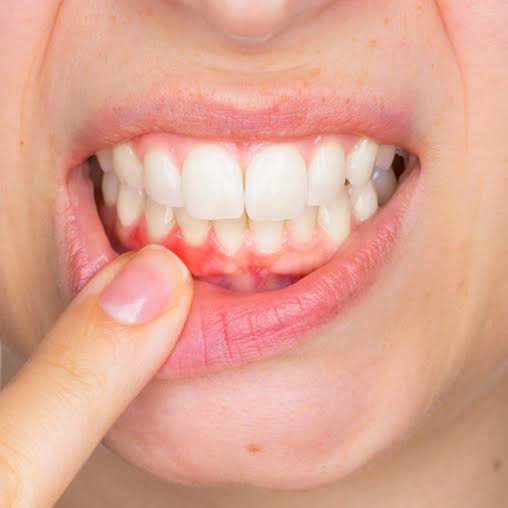
Occasional light bleeding after flossing is usually not a serious concern on its own.
However, gums that bleed frequently, heavily, or without an obvious cause deserve professional attention.
Bleeding that lasts longer than two weeks despite consistent oral hygiene should be evaluated by a dentist.
Persistent bleeding alongside loose teeth, bad breath, or gum recession may indicate advancing gum disease.
How Dentists Diagnose The Cause Of Bleeding Gums
A dentist typically starts by examining the gumline for signs of plaque, tartar, and inflammation.
They may measure the depth of gum pockets around each tooth to check for periodontitis.
If gum disease is ruled out, further testing may be recommended to check for diabetes or blood disorders.
Identifying the exact cause allows for a treatment plan targeted at the real underlying issue.
Treatment Options For Bleeding Gums
| Treatment | Best For |
|---|---|
| Improved brushing and flossing | Mild gingivitis and early bleeding |
| Professional dental cleaning | Plaque and tartar buildup |
| Scaling and root planing | Moderate to advanced gum disease |
| Antibiotic treatment | Active gum infections |
| Osseous or laser surgery | Severe periodontitis cases |
| Medication adjustment | Bleeding linked to prescription drugs |
How To Prevent Bleeding Gums At Home
Brushing twice daily with a soft bristled toothbrush is one of the most effective prevention steps.
Flossing once a day removes plaque from areas a toothbrush cannot fully reach.
Using an antibacterial mouthwash can help reduce plaque buildup between brushing sessions.
Scheduling regular dental checkups allows small issues to be caught before they become serious.
Can Bleeding Gums Heal On Their Own
Mild bleeding caused by starting a new flossing routine often resolves within one to two weeks.
Bleeding caused by early gingivitis can also improve quickly with consistent, proper oral hygiene.
However, bleeding linked to underlying health conditions typically will not improve without addressing the root cause.
If bleeding continues despite good oral care, a dental evaluation is strongly recommended.
Foods That Support Healthier Gums
Leafy greens like spinach and kale are rich in vitamins that support gum tissue repair.
Citrus fruits provide vitamin C, which plays a key role in maintaining strong, resilient gums.
Dairy products like cheese and yogurt supply calcium, supporting the bone structure around your teeth.
Drinking plenty of water throughout the day helps rinse away food particles and bacteria naturally.
Why This Topic Matters For Long Term Health
Gum health is closely connected to overall physical health in ways many people do not realize.
Untreated gum disease has been linked to increased risks for heart disease and other systemic conditions.
Understanding why gums bleed helps people catch small problems before they turn into bigger health concerns.
Simple daily habits often make the biggest difference in preventing long term gum damage.
Children And Bleeding Gums
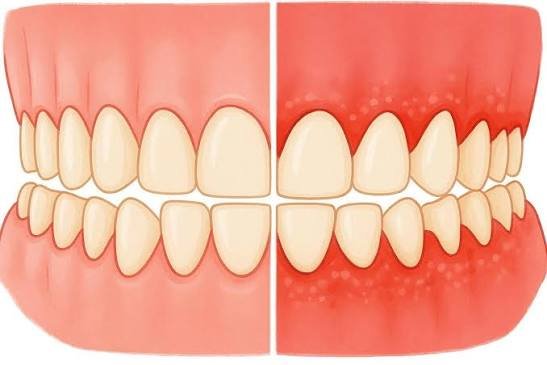
Kids can experience bleeding gums too, often due to inconsistent brushing habits or the arrival of new teeth.
Teething and the loss of baby teeth can temporarily cause mild gum irritation and light bleeding.
Poor brushing technique is also common in children, especially before they develop full motor control.
Parents should supervise brushing and flossing until children can reliably clean their own teeth effectively.
If a child’s gums bleed regularly, a pediatric dentist visit can help rule out early gum disease.
Bleeding Gums And Orthodontic Treatment
People wearing braces or other orthodontic devices often notice more frequent gum bleeding during treatment.
Brackets and wires create extra surfaces where plaque can accumulate if brushing is not thorough.
Orthodontic patients are usually advised to use specialized brushes and floss threaders to reach hard to clean areas.
Regular cleanings during orthodontic treatment help prevent gum inflammation from worsening over months of wear.
The Link Between Gum Health And Heart Health
Research has repeatedly shown a connection between untreated gum disease and an increased risk of cardiovascular problems.
Inflammation from advanced gum disease may contribute to inflammation elsewhere in the body, including blood vessels.
Some studies suggest bacteria from infected gums can enter the bloodstream and affect heart health over time.
This connection is one more reason dentists recommend addressing bleeding gums early rather than ignoring them.
Natural Remedies That May Support Gum Health
Rinsing with warm salt water can help reduce mild gum inflammation and support natural healing.
Some people use diluted hydrogen peroxide rinses to help reduce bacteria along the gumline.
Eating crunchy fruits and vegetables can naturally help clean teeth and stimulate healthy gum tissue.
These remedies can support gum health but should not replace regular brushing, flossing, and dental visits.
Bleeding Gums Versus Other Mouth Bleeding Causes
| Symptom | Likely Cause |
|---|---|
| Bleeding only at the gumline | Gingivitis or plaque buildup |
| Bleeding from a specific tooth area | Localized infection or trauma |
| Bleeding gums plus loose teeth | Possible periodontitis |
| Bleeding gums plus mouth sores | Possible vitamin deficiency or infection |
| Sudden unexplained bleeding | Underlying medical condition, needs evaluation |
Building A Long Term Oral Care Routine
Consistency matters more than intensity when it comes to preventing bleeding gums over the long run.
Brushing gently for two full minutes twice a day is more effective than occasional aggressive brushing.
Replacing your toothbrush every three to four months prevents frayed bristles from irritating gum tissue.
Pairing daily habits with twice yearly dental cleanings offers the best long term protection against gum disease.
Common Searches Related To Bleeding Gums
Many people search for related terms like gums bleeding when brushing, gum disease symptoms, and how to stop bleeding gums fast.
Other common searches include gingivitis treatment at home, why do my gums bleed when I floss, and vitamin deficiency bleeding gums.
Each of these searches connects back to the same core causes covered in this guide, ranging from plaque buildup to underlying health conditions.
Understanding these related terms helps explain why bleeding gums is one of the most searched dental health topics today.
How Age Affects Gum Bleeding Risk
Gum disease risk tends to increase with age, partly due to years of accumulated plaque exposure.
Older adults may also take more medications that list bleeding gums as a possible side effect.
Reduced saliva production, common with age and certain medications, can also raise the risk of gum irritation.
Regular dental visits become even more important as a person gets older to catch changes early.
The Role Of Genetics In Gum Disease
Some people are genetically more prone to gum disease, even with excellent daily oral hygiene habits.
Family history of periodontitis can increase an individual’s risk of developing similar gum problems.
Genetic factors can affect how the immune system responds to plaque bacteria along the gumline.
Knowing your family history can help you and your dentist stay proactive about prevention and monitoring.
Bleeding Gums And Bad Breath Connection
Bleeding gums and persistent bad breath often occur together as symptoms of the same underlying issue.
Bacteria buildup that irritates the gums also produces sulfur compounds responsible for unpleasant breath odor.
Addressing the root cause of gum inflammation frequently improves both bleeding and breath odor at the same time.
Persistent bad breath alongside bleeding gums is a strong signal to schedule a dental checkup soon.
Choosing The Right Mouthwash For Bleeding Gums
Antibacterial mouthwashes containing chlorhexidine or essential oils can help reduce plaque bacteria along the gumline.
Alcohol based mouthwashes may cause additional dryness and irritation for people with already sensitive gums.
Dentists often recommend alcohol free formulas specifically designed to soothe inflamed or bleeding gum tissue.
Using mouthwash as a supplement to brushing and flossing, not a replacement, gives the best results.
What To Expect At A Dental Visit For Bleeding Gums
A typical visit begins with a full examination of the gums, teeth, and surrounding tissue.
The dentist may use a small probe to measure gum pocket depth around each tooth.
X-rays are sometimes taken to check for bone loss associated with more advanced gum disease.
Based on these findings, the dentist will recommend a personalized plan to treat and prevent future bleeding.
Bleeding Gums In People With Diabetes
People with diabetes face a higher risk of gum disease due to elevated blood sugar levels.
High blood sugar can impair the body’s ability to fight off the bacteria that cause gum infections.
Gum disease can also make blood sugar harder to control, creating a two way relationship between the conditions.
Managing blood sugar levels and maintaining strong oral hygiene are both essential for people with diabetes.
Myths About Bleeding Gums
A common myth is that bleeding gums always mean you are brushing too hard, which is not always true.
Another myth suggests bleeding gums will simply go away without any changes to oral hygiene habits.
Some people believe flossing causes gum damage, when in reality inconsistent flossing is usually the real issue.
Separating these myths from facts helps people take the right steps toward healthier gums.
Why Consistency Beats Intensity In Oral Care
Brushing extremely hard once a day is far less effective than gentle brushing done consistently every day.
Gum tissue responds better to steady, gentle care than to occasional aggressive cleaning sessions.
The same principle applies to flossing, where daily gentle flossing outperforms occasional deep cleaning attempts.
Building small, sustainable habits tends to produce better long term results than sporadic intense efforts.
Frequently Asked Questions (FAQs)
Why do gums bleed?
Gums usually bleed due to plaque buildup along the gumline, which causes inflammation known as gingivitis.
Is bleeding gums always a sign of gum disease?
No, bleeding can also come from hard brushing, new flossing habits, hormone changes, or certain medications.
Can stress cause bleeding gums?
Yes, chronic stress and poor sleep can weaken the immune system and increase gum inflammation.
Do bleeding gums heal on their own?
Mild bleeding from new flossing habits often resolves within one to two weeks with consistent care.
What vitamin deficiency causes bleeding gums?
Low vitamin C and vitamin K levels are commonly linked to weaker, more fragile gum tissue.
Can pregnancy cause bleeding gums?
Yes, hormonal changes during pregnancy often lead to pregnancy gingivitis and increased gum sensitivity.
When should I see a dentist for bleeding gums?
See a dentist if bleeding lasts more than two weeks despite good oral hygiene habits.
Can smoking cause bleeding gums?
Yes, smoking restricts blood flow to the gums, which can hide early signs of gum disease.
Does brushing too hard cause bleeding gums?
Yes, aggressive brushing or hard bristled toothbrushes can physically damage and irritate gum tissue.
Can medication cause bleeding gums?
Yes, blood thinners, aspirin, and certain blood pressure medications can increase the risk of bleeding gums.
Conclusion
So why do gums bleed? In most cases, the answer comes down to plaque buildup and gingivitis, the earliest and most reversible stage of gum disease. But bleeding gums can also be caused by aggressive brushing, new flossing habits, hormonal changes, certain medications, vitamin deficiencies, or underlying health conditions like diabetes.
Occasional light bleeding is usually nothing to worry about, especially if it fades within a couple of weeks of consistent oral hygiene. However, bleeding that persists, worsens, or comes with other symptoms like loose teeth or bad breath deserves a professional evaluation.
Since gum health is closely tied to overall physical health, addressing bleeding gums early is one of the simplest ways to protect both your smile and your long term wellbeing.
If you are unsure what is causing your bleeding gums, a dentist can identify the exact cause and recommend the right treatment plan. Small daily habits like gentle brushing, regular flossing, and a balanced diet go a long way toward keeping your gums healthy for years to come.


