



Why do my toes go numb is a question most people ask after noticing a strange tingling or complete loss of feeling in one or both feet. In many cases, numb toes come from something simple like tight shoes, cold weather, or sitting in one position too long.
But ongoing or unexplained numbness can also point to nerve damage, poor circulation, or an underlying health condition like diabetes.
The Short Answer To Why Toes Go Numb

Toes usually go numb because of pressure on a nerve or reduced blood flow to the feet.
Common triggers include tight footwear, cold temperatures, prolonged sitting, nerve damage, and circulation problems like diabetes.
How Numbness In The Toes Actually Happens
Numbness happens when nerve signals between the toes and the brain are interrupted or weakened.
This interruption can come from direct pressure on a nerve or from reduced blood supply to nerve tissue.
The medical term for a limb falling asleep is paresthesia, which usually resolves once pressure is relieved.
When numbness lasts longer or returns often, it may point to a deeper nerve or circulation issue.
Tight Shoes And Toe Numbness
Wearing shoes that are too tight or narrow is one of the most common causes of numb toes.
Tight footwear compresses the small nerves and blood vessels that run through the front of the foot.
This compression reduces blood flow and nerve signaling, leading to tingling or a total loss of feeling.
Switching to properly fitted, wider shoes often resolves this type of numbness within minutes.
Cold Weather And Numb Toes
Cold temperatures cause blood vessels in the feet to narrow in order to preserve core body heat.
This natural response reduces blood flow to the toes, which can lead to temporary numbness.
Wearing warm, moisture wicking socks and insulated footwear helps prevent cold related toe numbness.
Numbness from cold exposure typically fades quickly once the feet are warmed back up.
Sitting Or Standing Too Long
Sitting cross legged or in one position for an extended period can compress the nerves in the legs and feet.
Standing for long hours can also place repeated pressure on the nerves and blood vessels of the feet.
This type of numbness usually clears up within minutes after changing position or moving around.
Taking regular breaks to stretch and walk helps prevent this common, harmless form of numbness.
Common Everyday Causes Of Toe Numbness
| Cause | Why It Happens |
|---|---|
| Tight shoes | Compresses nerves and blood vessels in the foot |
| Cold weather | Narrows blood vessels to preserve body heat |
| Prolonged sitting | Puts pressure on leg and foot nerves |
| Standing too long | Reduces circulation to the feet over time |
| Overuse or long walks | Temporarily irritates foot nerves |
Peripheral Neuropathy Explained
Peripheral neuropathy refers to damage affecting the nerves outside the brain and spinal cord, often in the feet.
This condition can cause ongoing numbness, tingling, burning, or weakness in the toes and feet.
Diabetes is the leading cause of peripheral neuropathy, but it is not the only one.
Other causes include alcohol overuse, certain infections, and specific vitamin deficiencies.
Diabetes And Numb Toes
Diabetes is the most common medical cause of chronic toe numbness worldwide.
High blood sugar levels over time can damage the small nerves in the feet, a condition called diabetic neuropathy.
People with diabetes are encouraged to check their feet daily since numbness can hide injuries like cuts or ulcers.
Left unmanaged, this combination of numbness and poor healing can lead to serious foot complications.
Poor Circulation And Peripheral Artery Disease
Peripheral artery disease occurs when plaque buildup narrows the arteries that carry blood to the legs and feet.
Reduced blood flow from this condition can cause numbness, pain, and weakness in the toes.
Smoking, high cholesterol, and high blood pressure all increase the risk of developing this circulation problem.
Managing these risk factors can help improve blood flow and reduce numbness over time.
Vitamin B12 Deficiency And Toe Numbness
Vitamin B12 plays a critical role in maintaining healthy nerve function throughout the body.
A deficiency in B12 can lead to nerve damage that presents as numbness or tingling in the toes.
People following vegan or vegetarian diets are at higher risk of developing this type of deficiency.
Blood tests can confirm a B12 deficiency, and treatment usually involves dietary changes or supplements.
Nutrient Deficiencies Linked To Toe Numbness

| Nutrient | Role In Nerve Health |
|---|---|
| Vitamin B12 | Supports nerve signal transmission |
| Vitamin B6 | Helps maintain healthy nerve function |
| Folate | Supports nerve cell repair and growth |
| Magnesium | Helps regulate nerve and muscle signals |
Alcohol Use And Nerve Damage
Long term heavy alcohol use can lead to a condition called alcoholic neuropathy.
This type of nerve damage often results from both direct alcohol toxicity and related nutrient deficiencies.
Symptoms typically include numbness, tingling, and weakness that starts in the feet and toes.
Reducing alcohol intake and improving nutrition can help slow or halt further nerve damage.
Structural Foot Problems That Cause Numbness
Bunions can stretch or compress nearby nerves, leading to numbness along the inside of the big toe.
Morton’s neuroma is a thickening of tissue around a nerve, often between the third and fourth toes.
This condition commonly causes burning pain that can progress into numbness over time.
Both conditions are often managed with better footwear, orthotics, or in some cases minor procedures.
Toe Injuries And Numbness
A broken or fractured toe can cause numbness in addition to pain and swelling.
Direct trauma to the toe can damage nearby nerves, leading to temporary or lasting numbness.
Anyone experiencing numbness after an injury should be evaluated to rule out a fracture.
Proper treatment and healing time are important to avoid long term nerve complications.
Spinal And Nerve Related Causes
Nerve compression in the lower back can cause numbness that radiates down into the legs and toes.
Conditions like a herniated disc or sciatica are common spinal causes of foot and toe numbness.
Numbness caused by spinal issues often comes with lower back pain or weakness in the legs.
A doctor may recommend imaging tests to identify the exact location of nerve compression.
Neurological Conditions Linked To Toe Numbness
Multiple sclerosis can disrupt nerve signals throughout the body, sometimes causing numbness in the toes and feet.
Stroke and other brain related events can also cause sudden numbness, often on just one side of the body.
Guillain Barre syndrome is a rarer condition that causes rapid nerve damage, often starting in the feet.
Numbness linked to neurological conditions is usually accompanied by other noticeable symptoms.
Serious Causes Of Toe Numbness At A Glance
| Condition | Key Symptoms Alongside Numbness |
|---|---|
| Diabetic neuropathy | Slow healing wounds, tingling, burning |
| Peripheral artery disease | Leg pain when walking, cold feet |
| Herniated disc or sciatica | Lower back pain, leg weakness |
| Multiple sclerosis | Vision changes, muscle weakness |
| Stroke | Sudden one sided numbness, confusion |
When Toe Numbness Is An Emergency
Numbness that comes on suddenly and affects one side of the body can be a sign of a stroke.
Numbness following a seizure or accompanied by slurred speech requires immediate emergency medical attention.
Sudden numbness paired with severe pain, discoloration, or coldness in the foot should also be treated urgently.
In these situations, it is important to seek emergency care rather than waiting for symptoms to improve.
When To See A Doctor For Toe Numbness
Numbness that lasts more than a few minutes without an obvious cause should be evaluated by a doctor.
Numbness that keeps returning or worsens over time may point to an underlying nerve or circulation problem.
People with diabetes should report any new numbness right away due to the risk of hidden injuries.
Numbness accompanied by weakness, swelling, or changes in skin color also warrants prompt medical evaluation.
How Doctors Diagnose The Cause Of Numb Toes
A doctor typically starts with a physical exam and a review of medical history and symptoms.
Blood tests can check for diabetes, vitamin deficiencies, and other underlying conditions linked to numbness.
Nerve conduction studies may be used to measure how well signals travel through the nerves.
Imaging tests like an MRI can help identify spinal or structural causes of numbness.
Treatment Options For Toe Numbness
| Treatment | Best For |
|---|---|
| Better fitting footwear | Numbness from tight or narrow shoes |
| Blood sugar management | Diabetic neuropathy |
| Vitamin supplementation | Nutrient deficiency related numbness |
| Physical therapy | Nerve compression from spinal issues |
| Medication adjustment | Numbness linked to certain prescriptions |
| Lifestyle changes | Alcohol related nerve damage |
How To Prevent Toe Numbness At Home
Choosing shoes with a wide toe box helps prevent nerve compression during daily activities.
Taking regular movement breaks during long periods of sitting improves circulation to the feet.
Managing blood sugar levels is essential for anyone at risk of diabetic neuropathy.
Eating a balanced diet rich in B vitamins supports long term nerve health.
Exercises That May Help Improve Circulation
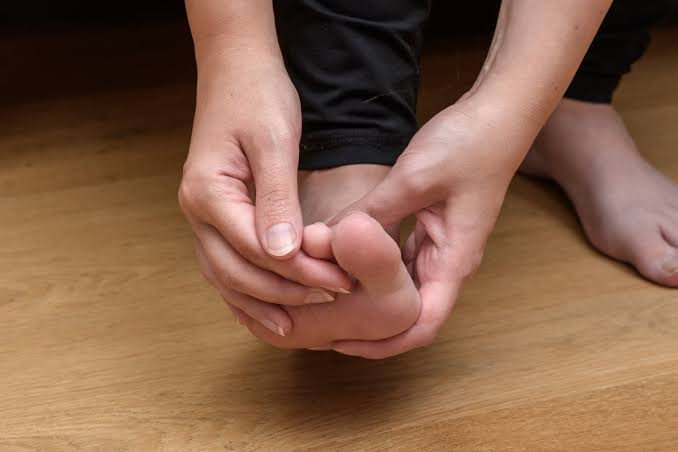
Simple toe stretches and ankle circles can help improve blood flow during long periods of sitting.
Walking regularly supports healthy circulation throughout the legs and feet over time.
Elevating the feet periodically can help reduce pressure and support better blood flow.
These habits work best when combined with proper footwear and management of any underlying conditions.
Toe Numbness In Older Adults
Age related changes in circulation and nerve function make numbness more common among older adults.
Reduced blood vessel elasticity can slow blood flow to the feet as people get older.
Age also increases the likelihood of underlying conditions like diabetes and peripheral artery disease.
Regular foot checks become especially important for older adults, even when numbness seems mild.
Toe Numbness During Pregnancy
Pregnancy can cause temporary numbness in the toes and feet due to fluid retention and swelling.
Extra pressure from weight gain can also compress nerves in the lower legs and feet.
This type of numbness is usually harmless and tends to improve after delivery.
Wearing supportive footwear and elevating the feet can help ease pregnancy related numbness.
Toe Numbness And Exercise Or Running
Long distance running or high impact activities can temporarily numb the toes due to repeated pressure.
Improperly fitted running shoes are a common contributor to numbness during and after exercise.
This numbness typically fades shortly after resting and removing pressure from the feet.
Choosing shoes with adequate room in the toe box can help prevent this exercise related numbness.
Medications That Can Cause Numb Toes
Certain chemotherapy drugs are well known for causing nerve damage that leads to numbness in the toes.
Some medications used to treat seizures or high blood pressure can also contribute to nerve related side effects.
Long term use of specific antibiotics has been linked to nerve damage in rare cases.
Anyone experiencing new numbness after starting a medication should discuss it with their prescribing doctor.
The Difference Between Tingling And True Numbness
Tingling often feels like a prickling or pins and needles sensation and usually comes before full numbness.
True numbness involves a complete or near complete loss of sensation in the affected area.
Both symptoms can share the same underlying causes, ranging from pressure to nerve damage.
Tracking whether symptoms are tingling only or full numbness can help a doctor narrow down the cause.
How Footwear Choices Affect Long Term Foot Health
Shoes with a narrow toe box gradually push toes together, increasing pressure on small nerves over time.
High heels shift body weight forward, adding extra pressure to the front of the foot.
Supportive, properly fitted shoes distribute weight more evenly and reduce unnecessary nerve compression.
Replacing worn out shoes regularly helps maintain proper support and reduce numbness risk.
Common Searches Related To Numb Toes
Many people search for related terms like numb toes when walking, tingling toes causes, and numbness in feet diabetes.
Other common searches include why do my toes go numb at night, cold feet numbness causes, and peripheral neuropathy symptoms.
Each of these searches connects back to the same core causes covered in this guide, from simple pressure to underlying nerve conditions.
Understanding these related terms helps explain why toe numbness is such a widely searched health topic.
Toe Numbness On Only One Foot Versus Both Feet
Numbness affecting both feet at the same time often points to a systemic cause like diabetes or a vitamin deficiency.
Numbness in just one foot is more likely to be caused by localized nerve compression, injury, or footwear.
Sudden numbness in only one foot alongside weakness can sometimes signal a spinal or neurological issue.
Noting which foot or toes are affected helps a doctor narrow down the likely underlying cause.
Raynaud’s Phenomenon And Toe Numbness
Raynaud’s phenomenon causes blood vessels in the toes and fingers to narrow suddenly in response to cold or stress.
This narrowing sharply reduces blood flow, leading to numbness along with color changes in the skin.
Affected toes may turn white or blue before returning to normal color as circulation improves.
Keeping the feet warm and managing stress can help reduce the frequency of Raynaud’s episodes.
Anemia And Toe Numbness
Anemia reduces the number of healthy red blood cells available to carry oxygen throughout the body.
Lower oxygen delivery to the extremities can contribute to numbness and a cold sensation in the toes.
Fatigue, pale skin, and shortness of breath often accompany numbness caused by anemia.
Treating the underlying cause of anemia typically improves circulation related numbness over time.
Building A Long Term Foot Care Routine
Checking your feet regularly for numbness, color changes, or injuries helps catch problems early.
Choosing supportive, well fitted shoes reduces unnecessary pressure on nerves throughout the day.
Managing chronic conditions like diabetes and high blood pressure protects long term nerve and circulatory health.
Combining these habits with regular checkups offers the best defense against ongoing toe numbness.
Nerve Compression Sites Beyond The Foot
Nerve compression does not always happen directly in the foot, since nerves travel a long path from the spine.
The sciatic nerve, for example, runs from the lower back through the leg and can affect the toes when compressed.
Tarsal tunnel syndrome involves compression of a nerve near the ankle, similar to carpal tunnel in the wrist.
Identifying exactly where a nerve is compressed helps guide more targeted and effective treatment.
Comparing Temporary And Chronic Toe Numbness
| Feature | Temporary Numbness | Chronic Numbness |
|---|---|---|
| Duration | Minutes to a couple hours | Days, weeks, or ongoing |
| Common cause | Pressure, cold, tight shoes | Diabetes, nerve damage, circulation issues |
| Resolves with movement | Usually yes | Often no |
| Needs medical evaluation | Rarely | Usually yes |
Foods That Support Healthy Nerve Function
Fish like salmon and tuna provide omega-3 fatty acids that support overall nerve health.
Whole grains, eggs, and leafy greens are good sources of B vitamins essential for nerve signaling.
Nuts and seeds provide magnesium, which helps regulate healthy nerve and muscle function.
Staying well hydrated also supports healthy circulation, which plays a direct role in preventing numbness.
Wearable Devices And Monitoring Foot Health
Some people with diabetes or circulation issues use wearable devices to monitor foot temperature and pressure.
These tools can help detect early warning signs of reduced circulation before numbness becomes severe.
Pairing wearable monitoring with regular self checks offers an extra layer of protection for at risk individuals.
Discussing available monitoring options with a doctor can help determine what tools might be useful for your situation.
Myths About Toe Numbness
A common myth is that numb toes always mean permanent nerve damage, which is not usually true.
Another myth suggests numbness only happens to older adults, when in fact it can affect people of any age.
Some people believe numbness always requires medication, though many cases improve with simple lifestyle changes.
Understanding these myths helps people respond to numbness with the right level of concern rather than unnecessary worry.
Frequently Asked Questions (FAQs)
Why do my toes go numb?
Toes usually go numb due to nerve pressure, poor circulation, tight shoes, cold weather, or prolonged sitting.
Is numbness in toes always serious?
No, occasional numbness from tight shoes or cold weather is usually harmless and temporary.
Can diabetes cause numb toes?
Yes, high blood sugar over time can damage foot nerves, causing diabetic neuropathy and numbness.
When should I worry about numb toes?
See a doctor if numbness lasts more than a few minutes, returns often, or comes with other symptoms.
Can vitamin deficiency cause toe numbness?
Yes, low levels of vitamin B12 and other B vitamins can lead to nerve damage and numbness.
Can sitting too long cause numb toes?
Yes, prolonged sitting compresses nerves in the legs and feet, leading to temporary numbness.
Is sudden toe numbness an emergency?
Sudden one sided numbness can signal a stroke and requires immediate emergency medical attention.
Can poor circulation cause numb toes?
Yes, conditions like peripheral artery disease reduce blood flow, leading to numbness and pain.
Do tight shoes cause toe numbness?
Yes, tight or narrow shoes compress nerves and blood vessels, commonly causing numb toes.
Can back problems cause numbness in toes?
Yes, a herniated disc or sciatica can compress nerves that cause numbness in the toes.
Conclusion
So why do my toes go numb? In many cases, the cause is simple, tight shoes, cold weather, or sitting in one position too long, all of which put temporary pressure on nerves or blood flow. But numbness that lasts, returns often, or comes with other symptoms can point to something more serious, like diabetic neuropathy, poor circulation, or nerve compression in the spine.
Paying attention to how often numbness occurs and what other symptoms come with it makes a real difference in catching problems early. If numbness is new, sudden, or paired with weakness, pain, or color changes in the foot, it is best to seek medical care right away rather than waiting it out.
For occasional, harmless numbness, simple changes like better fitting shoes and regular movement breaks often solve the problem for good. Paying close attention to your feet today can help protect your mobility and nerve health well into the future.


