


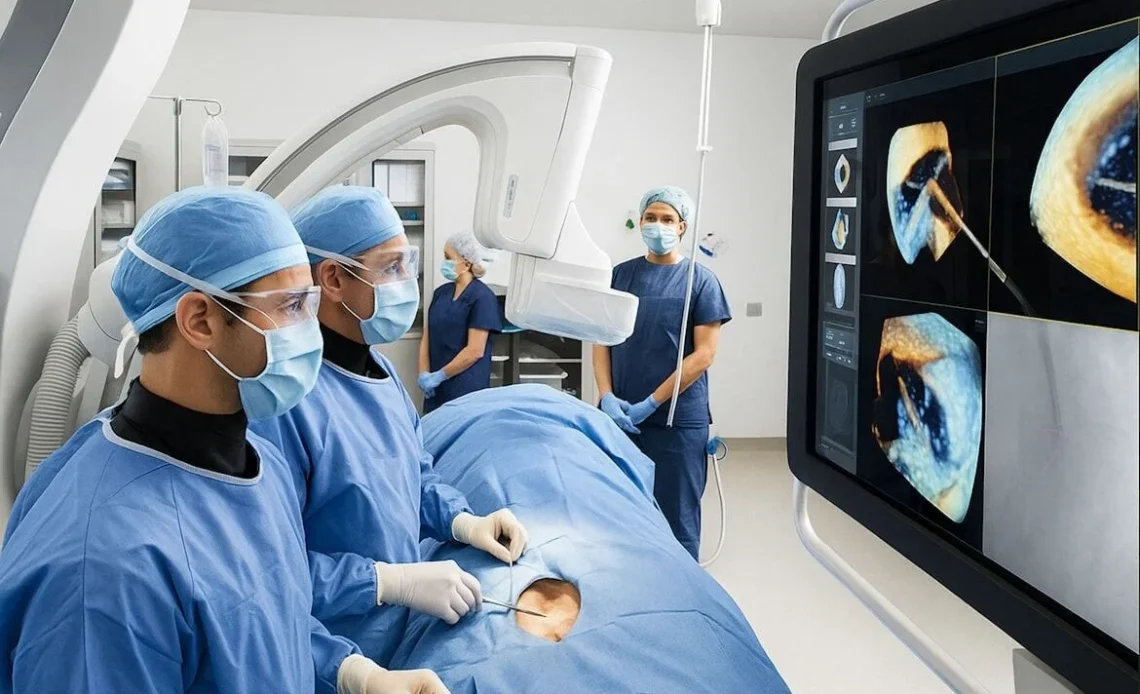
Choosing heart surgery is a major decision, and patients can understandably feel drawn to robotic procedures because they are often associated with smaller incisions and advanced technology. Dr. Barbara L Robinson has discussed what she has seen firsthand regarding robotic surgery, but technology should never be the only reason a patient chooses one procedure over another. Before deciding between robotic and traditional heart surgery, patients should understand the differences, the possible benefits and limitations, and which approach is most appropriate for their individual condition.
Robotic Heart Surgery Is Still Major Surgery
The word “robotic” can make a procedure sound completely different from conventional surgery. In reality, robotic heart surgery is still performed by a surgeon, with specialized robotic instruments controlled by the surgeon rather than operating independently. The technology can provide enhanced visualization and precise instrument movement, but the procedure remains a serious medical intervention.
Patients should therefore avoid thinking about robotic surgery as an automatically easier or safer version of traditional surgery. Every operation carries potential risks, which depend on factors such as the patient’s condition, overall health, the specific procedure, and the surgical team’s experience. A technology label alone cannot determine whether an operation is appropriate.
Ask Why Robotic Surgery Is Being Recommended
One of the most important questions a patient can ask is, “Why is robotic surgery appropriate for me?” The answer should relate to the patient’s specific diagnosis and the procedure being considered. A patient deserves to understand what the surgeon expects the robotic approach to accomplish.
Some patients may be suitable candidates for minimally invasive approaches, while others may require a more traditional operation. The location and complexity of the problem, previous surgeries, anatomy, and other health conditions can all affect the decision. A procedure that works well for one patient may not be the right choice for another.
Patients should also ask what would make their surgeon recommend traditional surgery instead. This question can reveal important details about the patient’s particular circumstances. It shifts the conversation away from whether robotic surgery sounds more modern and toward whether it is genuinely the most appropriate option.
Smaller Incisions Do Not Tell the Whole Story
One of the commonly discussed attractions of robotic and minimally invasive surgery is the possibility of smaller incisions. Smaller incisions may be associated with less disruption to surrounding tissues in some procedures. They can also be appealing to patients who are concerned about scarring or recovery.
However, incision size is only one part of the surgical experience. Patients should ask about pain, hospital stay, recovery time, complications, activity restrictions, and follow-up care. A smaller incision does not automatically mean that every patient will have a shorter or easier recovery.
It is also important to understand that “minimally invasive” does not mean “minor.” Heart surgery involves structures that are essential to life, and even a procedure performed through smaller openings requires careful planning and highly skilled surgical care. Patients should approach the decision with the same seriousness they would give any major cardiac operation.
Surgeon Experience Matters
The technology used in an operation is only one part of the equation. The surgeon’s training and experience with the particular procedure are also extremely important. Patients should feel comfortable asking how frequently the surgeon performs the recommended operation and how experienced the surgical team is with that approach.
A patient can ask whether the surgeon performs both robotic and traditional procedures. This can be useful because it may indicate that the surgeon is able to recommend an approach based on the patient’s needs rather than being committed to only one technique. The important issue is not simply whether a surgeon uses robotic technology but whether they know when it is appropriate. Patients can also ask how the hospital supports the procedure. Heart surgery involves more than the person performing the operation. Anesthesiologists, nurses, perfusionists, critical care specialists, technicians, and other professionals may all play important roles before, during, and after surgery.
Recovery Should Be Part of the Decision
Patients often focus heavily on what happens in the operating room and overlook the recovery period. Yet recovery can have a major effect on daily life. Before choosing an approach, patients should ask how long they may need to remain in the hospital and what the first several weeks at home might involve.
Questions about driving, work, exercise, lifting, medications, wound care, and cardiac rehabilitation can also be useful. Patients should know what activities may be restricted and when they can reasonably expect to resume them. Having realistic expectations can make the recovery process less stressful.
It is also important to ask who will provide follow-up care. A successful operation is only one part of a patient’s recovery. Regular appointments, monitoring, medication management, and rehabilitation may all contribute to getting back to normal activities.
Don’t Choose Based on Technology Alone
Robotic surgery can sound appealing because it represents sophisticated medical technology. Patients may see smaller incisions or advanced instruments and assume that the newest approach must automatically be the best one. That assumption can be misleading.
Technology should serve the patient, not become the reason for choosing a particular procedure. A surgeon may recommend robotic surgery because it offers a meaningful advantage in a particular case. Another patient may be better served by a traditional approach.
Patients should therefore ask, “What benefit would the robotic approach give me specifically?” If the answer is unclear, it is reasonable to request a more detailed explanation. Understanding the expected benefit is much more useful than choosing an operation simply because its technology sounds impressive.
Specialized Knowledge Still Matters
Robotic heart surgery requires a surgical team with appropriate training and experience. Patients researching Dr. Barbara Robinson Cardiothoracic Surgery should keep in mind that cardiothoracic care covers complex conditions involving the heart, lungs, and chest, and treatment decisions need to be individualized. Patients should ask their surgeon about experience with the exact operation they are considering rather than relying on general claims about robotic surgery.
The number and type of procedures performed can be more informative than simply knowing that a hospital has robotic equipment. It is also worth asking whether the surgical team has experience converting a minimally invasive procedure to an open operation if circumstances require it. While no patient should assume that such a situation will occur, understanding how the team prepares for unexpected challenges can provide useful perspective.
Make the Decision With Complete Information
A good surgical decision should involve more than a discussion of incision size or technology. Patients should understand the reason for the procedure, available alternatives, potential risks, expected benefits, recovery requirements, and the experience of the team performing the operation.
They should also feel comfortable asking questions until the answers make sense. Medical terminology can be confusing, and there is nothing wrong with asking a surgeon to explain something differently. A patient who understands the decision is better prepared to participate in their own care.
Dr. Barbara L Robinson can be part of the wider conversation about how patients should evaluate robotic surgery, but no article or online resource can determine the right procedure for an individual patient. That decision should be made with a qualified cardiac or cardiothoracic surgical team after reviewing the patient’s diagnosis, medical history, anatomy, risks, and available treatment options.
Conclusion
Robotic heart surgery can offer important advantages for appropriately selected patients, but it should not be chosen simply because it is newer or uses sophisticated technology. Patients should ask why the approach is recommended, how it compares with traditional surgery, what risks and benefits apply to their situation, how experienced the surgical team is, and what recovery will involve. With clear information and an open conversation with their medical team, patients can make a more informed decision about the surgical approach that best fits their individual needs.

