


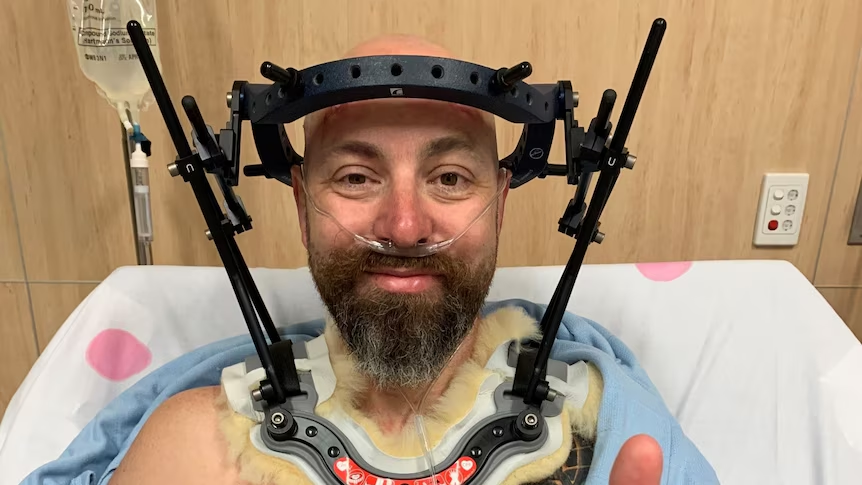
An accident can change much more than a person’s physical health. A head injury can affect memory, focus, movement, sleep, emotions, and the ability to work or enjoy normal activities. When symptoms continue after an accident, speaking with a brain injury attorney can help a person understand the legal issues surrounding the injury while medical professionals focus on treatment and recovery.
Brain Injuries Are Not Always Easy to Recognize
One of the challenges of a brain injury is that the signs may not always be obvious. A person may look fine after an accident while experiencing problems that are difficult for others to see.
According to the Centers for Disease Control and Prevention, symptoms of a mild traumatic brain injury or concussion can affect how a person feels, thinks, acts, and sleeps. Headaches, dizziness, tiredness, vision problems, memory trouble, difficulty concentrating, anxiety, irritability, and sleep changes can all occur.
Some symptoms appear immediately. Others may develop hours or days later. This is one reason medical evaluation is important after an accident involving a blow, bump, or jolt to the head.
A person should not assume that an injury is minor simply because there was no loss of consciousness. Brain injuries can occur without a person passing out.
Everyday Activities Can Become More Difficult
Life after a brain injury may involve challenges that were never part of a person’s routine before the accident.
Simple tasks can require more effort. Reading a few pages may lead to headaches. Following a conversation may become tiring. Remembering appointments, completing work assignments, preparing meals, or keeping track of bills may take longer than before.
These changes can be frustrating because the person may understand what needs to be done but struggle to complete it.
Problems with attention and memory can also affect school and employment. Someone who previously handled a busy schedule may need additional breaks or more time to complete familiar tasks. In some cases, returning to the same job may require changes to duties or working hours.
The effects depend on several factors, including the part of the brain affected and the severity of the injury. The National Institute of Child Health and Human Development notes that traumatic brain injuries can affect cognition, communication, behavior, emotions, and sensory functions. Some effects may last for a long time.
Emotional Changes Can Affect Relationships
Brain injuries can change how a person feels and responds to everyday situations. Irritability, anxiety, sadness, mood changes, and difficulty controlling emotions may occur after a traumatic brain injury.
These changes can be difficult for family members and friends to understand. A person who was normally patient may become easily frustrated. Someone who enjoyed social activities may begin avoiding them because noise, crowds, or conversation have become overwhelming.
Relationships can suffer when these changes are mistaken for a lack of effort or a change in personality.
The emotional impact can also work in the other direction. A person who has lost some independence may feel discouraged or worried about the future. Concerns about work, finances, relationships, and recovery can add stress during an already difficult period.
Recognizing these changes as part of the recovery process can help families provide appropriate support.
Work and Financial Security May Be Affected
A serious brain injury can create financial problems as well as medical challenges.
Medical appointments, rehabilitation, medication, therapy, transportation, and other forms of care can create significant expenses. At the same time, an injured person may be unable to work or may have to reduce working hours.
For some people, returning to the same position may not be possible. Problems with concentration, memory, balance, communication, or physical abilities can interfere with job duties.
The financial impact may continue even after the initial medical bills are paid. A person may need ongoing treatment, rehabilitation, assistive equipment, or help with daily activities.
This makes it important to keep records throughout recovery. Medical records, treatment instructions, employment information, receipts, and notes about symptoms can help create a clear record of how the injury has affected daily life.
Recovery Can Take Time
There is no single recovery timeline for every brain injury. A mild injury may improve within weeks, while more serious injuries can require extensive rehabilitation and long-term care.
The CDC explains that people recovering from moderate or severe traumatic brain injuries may need specialized medical care and rehabilitation. Rehabilitation can help people relearn skills, improve daily functioning, return to work, and participate in activities with family and friends.
Treatment may include physical therapy, occupational therapy, speech therapy, cognitive therapy, counseling, or vocational support. The appropriate combination depends on the person’s needs.
Recovery can also have setbacks. A person may feel better one day and experience increased symptoms after doing too much. Following medical guidance and gradually returning to normal activities can help reduce unnecessary strain during recovery.
Documenting Changes After an Accident
Keeping track of symptoms can be useful during recovery. A simple record can show when headaches occur, how sleep is affected, whether concentration is difficult, and how symptoms interfere with work or household activities.
Family members can also notice changes that an injured person does not recognize. For example, they may observe unusual forgetfulness, mood changes, confusion, or difficulty completing familiar tasks.
This information can be useful when speaking with healthcare providers. It may also help establish how the injury has changed a person’s daily life.
Medical care should remain the priority. If symptoms continue, worsen, or interfere with normal activities, discussing them with a healthcare provider is important. Emergency medical attention may be necessary for warning signs such as repeated vomiting, seizures, increasing confusion, weakness, slurred speech, or a worsening headache.
Understanding the Legal Side of a Brain Injury
When another person’s actions contributed to an accident, the injured person may have questions about legal responsibility and compensation.
Brain injury claims can involve more than immediate medical expenses. Depending on the circumstances, damages may relate to lost income, future medical care, rehabilitation, reduced earning ability, and the broader effects of the injury.
Determining the full impact can be difficult when symptoms are expected to continue or when future care needs are uncertain. Medical records and professional evaluations can help establish the nature and extent of the injury.
A person considering legal action should also be aware that deadlines can apply to injury claims. Those deadlines vary based on the circumstances and applicable law, so getting legal information early can help protect important options.
Moving Forward After a Brain Injury
A brain injury can reshape daily life in ways that are difficult to predict immediately after an accident. Physical symptoms may be only one part of the problem. Memory, concentration, emotions, relationships, employment, and financial security can also be affected.
Recovery often requires patience, medical care, support from others, and adjustments to everyday routines. Keeping accurate records and following professional medical advice can help a person understand the recovery process.
When an accident causes a serious brain injury, understanding both the medical and legal consequences can be important. With appropriate care and support, injured people can work toward the greatest level of recovery possible while addressing the challenges created by the accident.


