


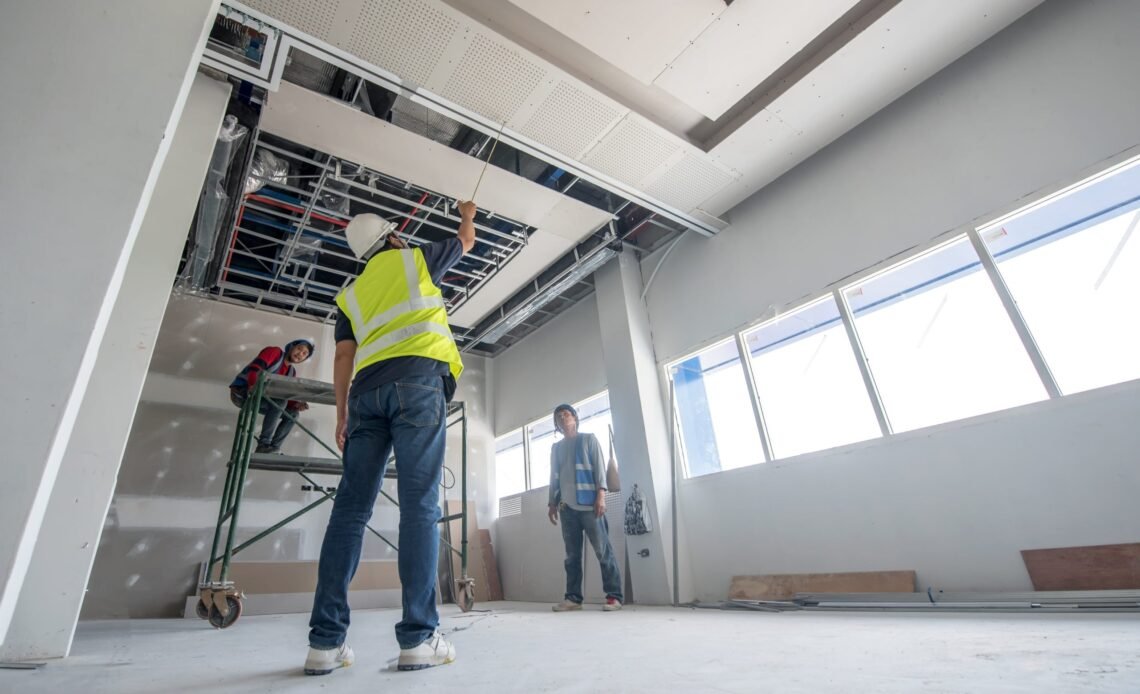
Empty office floors are a headache for any landlord. At the same time, television and film productions are always looking for real buildings to shoot in. For commercial property owners, that creates an opportunity: turning unused space into temporary income without disrupting the tenants who are already there.
Why productions want office buildings
Offices, lobbies and corridors appear in countless shows and commercials. Producers look for authentic spaces that save the cost of building a set. A vacant floor with good natural light or an interesting lobby can be exactly what a crew needs.
Which spaces work best
- Vacant floors that can serve as a main set
- Lobbies and atriums with distinctive design
- Conference rooms and executive suites
- Empty retail or ground-floor space
- Rooftops, parking areas and loading docks for support
Protecting your tenants
The main concern for most landlords is protecting existing tenants. A well-planned shoot is scheduled around building rules, uses designated elevators and routes, and keeps noise and crowds away from occupied floors. Clear agreements and open communication are key.
What an agreement should cover
Before a crew arrives, owners typically want written terms covering dates, hours, access areas, insurance, security and restoration of the space. Productions generally provide a certificate of insurance and agree to leave the space as they found it. Having a clear process helps everyone know what to expect.
Think about support spaces too
Productions also need room for crew work, storage and meetings, not only filming. Unused suites can serve as production office space, which adds another way for a building to earn income during a busy shoot.
Getting started
Many owners are unsure where to begin. Working with an agency that specializes in commercial filming locations can help present your property to producers, manage requests and coordinate with building management. They can also advise on what makes a space attractive and what is needed to prepare it.
Coverage of this trend in outlets such as The New York Times, CNN and The Real Deal has shown that more owners are considering filming as a way to bring in revenue from space that would otherwise sit idle. Every building is different, so it is wise to review the possibilities with an expert before committing.
Revenue from a shoot depends on factors such as location, size and how many days are needed, so no two arrangements look alike. It is sensible to treat filming as a supplement to your leasing strategy, not a replacement for it, and to keep your tenants informed about any planned activity in advance.
For landlords with vacancies, location filming can be a flexible option that fits around leasing plans. With the right preparation and the right partner, empty space can start earning again while your tenants carry on as usual.


