


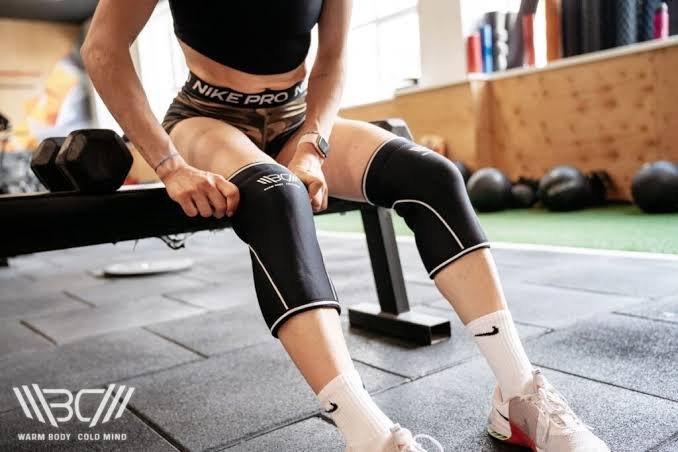
A training session can change quickly when your knees start feeling unsupported during squats, lunges, or leg presses. The right knee sleeves for gym workouts can provide compression, warmth, and a more secure feeling around the joint. However, choosing a pair simply because it looks strong or fits a popular recommendation can lead to an unsuitable purchase. Knowing the common mistakes beforehand makes it easier to select sleeves that match your training style, comfort needs, and movement demands.
Choosing Size Without Checking Measurements
One of the easiest mistakes is selecting knee sleeves based only on your usual clothing size. Knee sleeves need a more specific fit because they sit tightly around the knee.
Manufacturers may use different sizing systems, so a medium from one brand may not fit like a medium from another. Measuring the relevant part of your leg according to the manufacturer’s instructions gives a more reliable starting point.
A sleeve that is too loose may move during exercise, while one that is excessively tight can become uncomfortable and difficult to wear for an entire workout.
Assuming Tighter Always Means Better
A firm sleeve can feel supportive, but maximum tightness is not automatically the best choice. Your knee still needs to bend naturally while you squat, step, jump, or perform other movements.
If the sleeve creates excessive pressure, causes discomfort, or distracts you during training, its tightness may be working against you. Compression should provide a secure feel without making normal movement unnecessarily difficult.
The ideal balance depends on your body, training intensity, and the exercises you regularly perform.
Ignoring The Sleeve Thickness
Knee sleeves come in different thicknesses, and thickness can affect both support and mobility. When choosing gym knee support, consider how the sleeve thickness fits your training style and movement needs.
Thicker sleeves may offer a stronger, more structured feeling, which some strength athletes prefer during heavy lifting. Thinner options can feel less restrictive and may be more practical for general gym sessions involving several types of exercise.
Before buying, consider whether you mainly perform heavy squats and strength movements or prefer workouts that combine resistance training, cardio, machines, and functional exercises.
Buying Only For The Appearance
A sleeve can look impressive without being the right choice for your training.
Colour, branding, patterns, and overall appearance may influence a purchase, but these factors say little about fit, construction, material, compression, or comfort. Training equipment should first serve a practical purpose.
Look beyond appearance and consider how the sleeve is constructed, how it feels when bending the knee, and whether its design suits the activities you actually perform.
Forgetting About Material And Comfort
The material used in a sleeve affects how it feels during a workout. Since the sleeve remains in close contact with the skin, comfort becomes particularly important during longer training sessions.
Some materials provide greater structure, while others may offer more flexibility. Breathability, stretch, internal texture, and seam construction can also influence the overall experience.
If a sleeve feels irritating, overheats quickly, or becomes uncomfortable after prolonged use, you may be less likely to wear it consistently.
Wearing The Wrong Support For Your Workout
Not every gym session requires the same level of knee support. Someone performing heavy barbell squats may have different requirements from someone doing cycling, machine exercises, or high-repetition leg workouts.
This is why gym knee support should be selected according to actual training demands rather than a general idea that every workout needs maximum reinforcement.
Consider your routine as a whole. The movements you perform, the loads you handle, and the amount of knee flexion involved can all influence which sleeve design makes sense.
Treating Sleeves As Injury Protection
Knee sleeves can provide compression, warmth, and a feeling of stability, but they should not be treated as a guarantee against injury.
Good training habits still matter. Technique, progressive loading, adequate recovery, appropriate exercise selection, and attention to discomfort remain important parts of responsible training.
If knee pain is persistent, severe, or affecting normal movement, simply adding a sleeve is not a substitute for professional assessment. Equipment should support a sensible training approach rather than conceal a problem that needs attention.
Neglecting Ease Of Putting Them On
A sleeve can perform well on paper but still be frustrating if it is extremely difficult to put on and remove. For people looking for knee sleeves for gym training, ease of use should be considered alongside fit and compression.
Tight sleeves often require some effort, especially when they are new. However, there is a difference between a secure fit and equipment that makes every workout unnecessarily inconvenient.
Think about your normal routine. If you train frequently, you may want a sleeve that offers the required compression while remaining manageable enough to use consistently.
Failing To Check Construction Quality
A knee sleeve experiences repeated stretching, bending, sweating, and friction. Poor construction may therefore become noticeable after regular use.
Look at details such as stitching, edges, material consistency, and the overall finish. A sleeve designed for repeated training should be able to maintain its shape and fit through regular use.
This is especially relevant for people who train several times a week. A small difference in construction quality can become significant after months of repeated workouts.
Making The Final Choice With Purpose
Choosing a knee sleeve becomes easier when the decision starts with your training rather than the product itself. Think about the exercises you perform most often, the level of support you expect, how much compression feels comfortable, and how frequently you intend to use the sleeves.
A good pair should feel secure without becoming a distraction. It should allow the knee to move through the required range while providing the compression and warmth you are looking for.
Most importantly, equipment should complement sound training habits. The right sleeve cannot replace good technique, sensible progression, or adequate recovery, but it can become a useful part of a well-planned gym setup.
Conclusion
The smallest equipment choices can influence how comfortable and consistent a workout feels. Avoiding sizing mistakes, choosing appropriate thickness, checking construction, and matching support to your activity can make gym knee support more practical for regular training.
For athletes comparing training equipment and accessories, PRO WOLF offers options designed around different strength-training requirements, making it worth exploring when building a more purposeful gym setup.

