



If you keep clearing your throat and waking up with a raw, scratchy feeling, you have probably asked why does post nasal drip cause sore throat in the first place. The answer comes down to mucus, irritation, and constant contact with sensitive throat tissue.
Why Does Post Nasal Drip Cause Sore Throat?
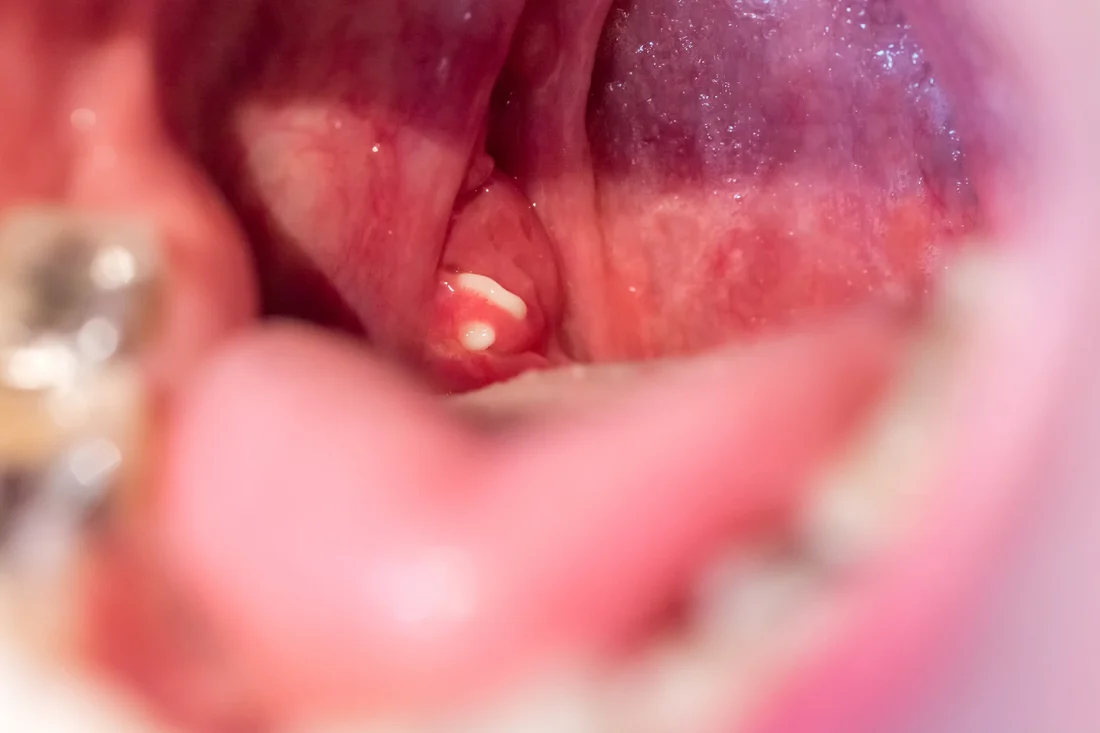
Post nasal drip causes a sore throat because excess mucus continuously drips down the back of your throat, irritating and inflaming the delicate tissue there. The constant swallowing, throat clearing, and coughing this triggers adds even more friction and swelling.
Common causes include colds, allergies, sinus infections, acid reflux, dry air, and a deviated septum. Treating the underlying cause is usually the fastest way to relieve both the drip and the sore throat.
What Is Post Nasal Drip?
Post nasal drip happens when your nose and sinuses produce more mucus than usual, and that mucus drains down the back of your throat instead of out through your nostrils. Everyone produces mucus daily, but you rarely notice it when the amount is normal.
When production increases, the excess pools and drips continuously, creating a sensation often described as a lump in the throat. This constant flow is what sets the stage for throat irritation.
How Post Nasal Drip Leads to a Sore Throat
There are several overlapping reasons mucus drainage turns into throat pain rather than staying a minor annoyance.
Constant Mucus Irritation
Mucus from an infection or allergic reaction often contains inflammatory substances and irritants. When this mucus repeatedly coats the throat lining, it triggers swelling and soreness over time.
Repeated Throat Clearing
The tickling sensation from dripping mucus makes you clear your throat far more often than normal. This repeated action creates friction that can leave the throat feeling raw and inflamed.
Frequent Coughing
Postnasal drip is one of the most common triggers of a persistent cough. Ongoing coughing further stresses the throat tissue, deepening the soreness.
Nighttime Pooling
When you lie down, mucus can no longer drain forward and instead pools at the back of your throat. This is why sore throats linked to postnasal drip often feel worse in the morning.
Swelling of Throat Tissue
Even without an active infection, the tonsils and surrounding tissue can swell from ongoing mucus contact. This swelling adds to the discomfort and can create a persistent lump-in-throat feeling.
Common Causes of Post Nasal Drip
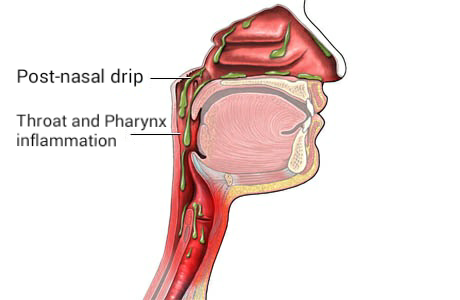
Post nasal drip is a symptom, not a condition on its own, so identifying the root cause matters for real relief.
Colds and Viral Infections
A common cold is one of the most frequent triggers of temporary post nasal drip. Mucus production increases as your body fights off the virus.
Allergies
Seasonal or year-round allergies, often called allergic rhinitis, cause the nasal lining to overreact to triggers like pollen or dust. This reaction increases mucus output significantly.
Sinus Infections
Sinusitis causes inflammation and mucus buildup inside the sinus cavities. As this mucus drains, it often leads to a sore throat alongside facial pressure and headaches.
Acid Reflux and GERD
Stomach acid moving up into the throat can mimic or worsen postnasal drip symptoms. This is sometimes called laryngopharyngeal reflux, and it directly irritates throat tissue.
Dry or Cold Air
Cold temperatures and dry indoor heating can thicken mucus and irritate nasal passages. This often makes post nasal drip and the resulting sore throat worse in winter months.
Deviated Septum
A crooked nasal septum can block proper mucus drainage on one side of the nose. This structural issue often leads to chronic postnasal drip that does not fully resolve with medication alone.
Certain Medications
Some medications, including birth control pills and blood pressure drugs, can increase mucus production as a side effect. Reviewing your medications with a doctor can help identify this cause.
Symptoms That Often Come With Post Nasal Drip
Recognizing the full symptom pattern helps confirm postnasal drip as the source of your sore throat.
- A constant feeling of mucus at the back of the throat
- Frequent throat clearing or the urge to swallow
- A persistent dry or productive cough
- Hoarseness or a raspy voice
- Bad breath from mucus buildup
- Nausea if excess mucus is swallowed
- Nasal congestion or a runny nose
Comparison: Common Post Nasal Drip Causes
| Cause | Typical Duration | Sore Throat Severity |
|---|---|---|
| Common cold | 5 to 10 days | Mild to moderate |
| Allergies | Seasonal or year-round | Mild, recurring |
| Sinus infection | 1 to 4 weeks | Moderate to severe |
| Acid reflux (GERD/LPR) | Ongoing without treatment | Moderate, chronic |
| Dry air | Worsens in winter | Mild |
| Deviated septum | Chronic, structural | Mild to moderate |
How to Relieve a Sore Throat From Post Nasal Drip

Most cases improve with a combination of hydration, drainage support, and treating the underlying trigger.
Stay Hydrated
Drinking plenty of water helps thin mucus so it drains more easily and irritates the throat less. Warm liquids like tea or broth can be especially soothing.
Use a Humidifier
Adding moisture to dry indoor air prevents mucus from thickening overnight. This is particularly helpful for reducing morning throat soreness.
Try Saline Nasal Rinses
Rinsing the nasal passages with a saline solution helps clear excess mucus at the source. This is a gentle, drug-free option many doctors recommend first.
Elevate Your Head While Sleeping
Propping your head up with an extra pillow encourages mucus to drain forward instead of pooling. This simple change can noticeably reduce nighttime and morning throat pain.
Consider Antihistamines or Decongestants
If allergies are the trigger, antihistamines can reduce mucus production effectively. Decongestants may help short term, but should not be used for more than a few days due to rebound congestion.
Gargle With Warm Salt Water
A warm salt water gargle can temporarily soothe irritated throat tissue. This is a low-cost remedy that pairs well with other treatments.
Address Acid Reflux
If GERD or LPR is contributing to your symptoms, avoiding trigger foods and eating earlier in the evening can help. In some cases, a doctor may recommend medication to reduce stomach acid.
Mistakes to Avoid
A few common habits can make postnasal drip and the related sore throat worse instead of better.
- Overusing decongestant sprays beyond three consecutive days
- Skipping hydration during illness
- Ignoring symptoms that last longer than two to three weeks
- Lying flat immediately after eating if reflux is a factor
- Assuming every sore throat is bacterial and needs antibiotics
When to See a Doctor

Most postnasal drip resolves on its own or with basic home care within one to two weeks. However, certain signs suggest it is time for a professional evaluation.
You should see a doctor if your sore throat lasts more than a week, comes with a high fever, or is paired with thick yellow or green mucus. Persistent symptoms may point to a sinus infection, chronic rhinitis, or an underlying condition like GERD that needs targeted treatment.
An ENT specialist can perform a physical exam, and sometimes a nasal endoscopy, to identify the exact cause. This step is especially important if symptoms keep returning despite home treatment.
Also Read:
- Why Does My Throat Hurt at Night? Quick Answers
- Why Do I Cough at Night? When to See a Doctor
- Why Is My Snot Yellow? Symptoms, Causes & Relief
- Why Do My Teeth Hurt When I Have a Cold? Explained
- Why Do My Teeth Hurt When I’m Sick? Sinus Pressure
- Why Do I Have a Bad Taste in My Mouth? Easy Remedies
- Why Does My Mouth Hurt? Common Causes & Solutions
- Why Does My Gum Hurt When I Touch It? Causes & Relief
- Why Does My Gum Hurt in One Spot in the Back? Causes
- Why Do Gums Bleed? Gum Disease or Something Else?
- Why Is My Tongue Itchy? Common Causes & Treatments
- Why My Tongue White? Causes & Treatment
- Why Is My Tongue Orange? Causes & Treatment
- Why Are My Taste Buds Swollen? Causes & Treatment
- Why Does My Floss Smell Like Poop? Fix Bad Breath
- Why Does My Burp Smell Like Rotten Eggs? What It Means
- Why Am I Burping Eggs? Doctor Explains
- Why Is My Baby Drooling So Much? Causes Explained
- Why Is My Eye Burning? Fast Relief Guide
- Why Does My Eyes Hurt? Symptoms You Should Know
- Why Do My Feet Burn at Night? 9 Possible Causes
- Why Do I Gag When I Brush My Teeth?
- Why Are MRIs So Expensive? The Real Cost Explained
Frequently Asked Questions (FAQs)
Why does post nasal drip cause sore throat but not always a cough?
Sore throat comes from direct mucus contact and swelling, while a cough is triggered by irritation of nerve endings deeper in the airway. Some people experience one symptom more strongly than the other depending on where the mucus settles.
Can post nasal drip cause a sore throat without any infection?
Yes, mucus irritation alone can cause swelling and soreness even without a viral or bacterial infection. Allergies and dry air are common non-infectious triggers.
How long does a sore throat from post nasal drip usually last?
If caused by a cold, it typically resolves within five to ten days. Allergy-related or chronic cases can last longer until the underlying trigger is managed.
Is postnasal drip contagious?
Postnasal drip itself is not contagious, but the virus causing it, such as a cold, can spread to others. Allergy-related postnasal drip is never contagious.
Can allergies alone cause a sore throat through post nasal drip?
Yes, allergic rhinitis increases mucus production enough to irritate the throat on its own. This is one of the most common non-infectious causes of ongoing throat soreness.
Why is my sore throat worse in the morning?
Mucus pools in the back of the throat overnight because lying down stops normal forward drainage. This pooling explains why symptoms often feel worse right after waking up.
Does drinking milk make post nasal drip worse?
For some people, dairy can temporarily thicken mucus and make it feel more noticeable. This effect varies from person to person and is not universal.
Can acid reflux really cause postnasal drip symptoms?
Yes, acid reflux, particularly laryngopharyngeal reflux, can closely mimic or worsen postnasal drip. It irritates the same throat tissue and often causes a similar lump-in-throat sensation.
Should I use a decongestant or antihistamine for post nasal drip?
Antihistamines work best for allergy-related causes, while decongestants target congestion from colds or sinus infections. Choosing the right one depends on your specific trigger.
Can a humidifier really help reduce a sore throat from post nasal drip?
Yes, adding moisture to the air prevents mucus from becoming thick and irritating. This is especially useful during dry winter months or in heated indoor spaces.
Is it normal for post nasal drip to cause bad breath?
Yes, excess mucus sitting in the throat can contribute to noticeable bad breath. Treating the underlying cause usually resolves this symptom as well.
Can children get a sore throat from postnasal drip too?
Yes, children experience postnasal drip from colds and allergies just like adults do. Hydration, saline rinses, and pediatrician-approved treatments are usually recommended first.
When does post nasal drip become chronic?
Postnasal drip is generally considered chronic when it persists for more than a few weeks without improvement. Chronic cases often need medical evaluation to find the exact cause.
Can a deviated septum alone cause repeated sore throats?
Yes, a deviated septum can lead to poor mucus drainage and chronic postnasal drip. Over time, this can result in recurring throat irritation.
Does spicy food really trigger post nasal drip?
Yes, spicy foods can stimulate mucus glands and trigger temporary postnasal drip in some people. This effect is usually short-lived and resolves once the food is fully digested.
Can weather changes trigger postnasal drip and a sore throat?
Yes, sudden temperature or humidity changes can irritate the nasal lining and increase mucus production. This is a well-documented, non-allergic trigger.
Is a lump-in-throat feeling always related to post nasal drip?
Not always, but it is one of the most common causes of that sensation. Acid reflux and throat muscle tension can produce a similar feeling.
What color of mucus signals a bacterial sinus infection?
Thick yellow or green mucus, especially alongside facial pain and fever, may point toward a bacterial sinus infection. This combination is a common reason doctors recommend further evaluation.
Can post nasal drip affect your voice?
Yes, ongoing mucus irritation can lead to hoarseness or a raspy voice. This usually improves once the postnasal drip is treated.
Should I see an ENT specialist for chronic post nasal drip?
Yes, if symptoms persist despite home care or keep recurring, an ENT specialist can identify structural or chronic causes. They may use a nasal endoscopy to get a clearer diagnosis.
Conclusion
Post nasal drip causes a sore throat because ongoing mucus contact irritates and inflames sensitive throat tissue, especially when combined with coughing and throat clearing. Colds, allergies, sinus infections, acid reflux, and dry air are the most common triggers behind this pattern.
Simple steps like staying hydrated, using a humidifier, trying saline rinses, and elevating your head at night often bring real relief. If your sore throat lasts more than a week or keeps coming back, it is worth having a doctor identify and treat the underlying cause.


