



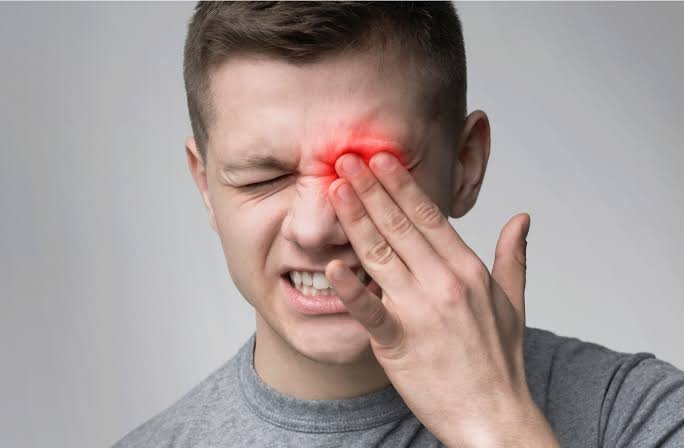
Why does my eyes hurt is a question almost everyone ends up searching at some point, whether it’s after a long day at the computer or a sudden sharp twinge out of nowhere.
Eye pain can show up as a dull ache, a gritty feeling, burning, stinging, or sharp stabbing discomfort, and each sensation often points toward a different cause.
Most cases trace back to something simple like eye strain, dryness, or a minor irritant, while a smaller number signal an infection or a condition that needs prompt attention.
Common Reasons Why Does My Eyes Hurt

Eye pain has a wide range of possible triggers, and narrowing it down usually starts with looking at how the pain feels and where it’s located.
1. Digital Eye Strain
Long hours in front of screens is one of the most frequent causes of sore, tired eyes today. This happens when the eye muscles get fatigued from constant close-up focusing.
Symptoms often include blurry vision, dryness, and a dull ache that builds throughout the day.
2. Dry Eye Syndrome
Dry eye develops when your eyes don’t produce enough tears or when tears evaporate too quickly. This can leave the surface of the eye feeling gritty, raw, or burning.
It tends to worsen in air-conditioned rooms, windy weather, or after long screen sessions.
3. Corneal Abrasion
A corneal abrasion is a scratch on the clear front surface of the eye, often caused by rubbing, a fingernail, or a stray object. It can hurt more than expected for such a small injury.
Most minor scratches heal within a couple of days with antibiotic drops from a doctor.
4. Foreign Body in the Eye
Dust, an eyelash, or a small piece of debris can easily slip under the eyelid and cause sharp irritation. Blinking repeatedly usually makes it feel worse rather than better.
Rinsing gently with clean water or artificial tears often clears minor debris on its own.
5. Conjunctivitis (Pink Eye)
This common infection or allergic reaction inflames the thin membrane covering the white of the eye. It typically brings redness, discharge, and a gritty, sore feeling.
Viral and bacterial forms are contagious, so hand hygiene matters while symptoms last.
6. Stye
A stye is a small, tender bump that forms on the edge of the eyelid due to a blocked oil gland. It’s usually painful to the touch, especially when blinking.
Warm compresses several times a day typically help it drain and heal faster.
7. Sinus Pressure
Sinus infections or seasonal allergies can build pressure behind and around the eyes. This often causes a heavy, aching sensation on one or both sides of the face.
The discomfort usually eases once the underlying sinus congestion clears up.
8. Migraine
Migraines frequently cause sharp pain in or behind one eye, along with light sensitivity and sometimes nausea. This pain can be intense enough to be mistaken for an eye-specific problem.
Resting in a dark, quiet room is one of the most common ways people find relief.
9. Uveitis or Iritis
This is inflammation inside the eye, often triggered by trauma, infection, or an immune system condition. It tends to cause deeper pain along with redness and blurred vision.
Because it can affect vision if untreated, prompt evaluation by an eye doctor is important.
10. Acute Angle-Closure Glaucoma
This is a rare but serious condition where pressure inside the eye rises suddenly. It’s considered a medical emergency due to the risk of permanent vision loss.
Severe pain, nausea, vomiting, and blurred vision together are signs to seek emergency care immediately.
Types of Eye Pain and What They Might Mean

The way your eye pain feels offers useful clues about its likely source. The table below summarizes common sensations and their typical associations.
| Type of Pain | Common Sensation | Frequently Linked To |
|---|---|---|
| Sharp, stabbing | Sudden and intense | Infection, foreign object, corneal scratch |
| Burning or stinging | Ongoing discomfort | Dry eye, allergies, conjunctivitis |
| Dull ache | Mild, spread out | Eye strain, sinus pressure, migraine |
| Gritty or sandy feeling | Like something is inside the eye | Dry eye, foreign body |
| Throbbing behind the eye | Deep, pressing pain | Migraine, sinus infection |
| Severe pain with nausea | Intense and sudden | Acute angle-closure glaucoma (emergency) |
Where the Pain Is Located Matters
Eye pain doesn’t always come from inside the eyeball itself, and location can help point toward the cause.
Pain on the Surface
Surface-level pain usually feels sharp or gritty and often comes from dryness, a scratch, or debris. It tends to improve once the irritant is addressed.
Pain Deep Inside the Eye
Deeper, aching pain is more often linked to inflammation, infection, or pressure changes inside the eye. These cases are more likely to need a professional evaluation.
Pain Around the Eye
Discomfort in the brow, temple, or surrounding area frequently traces back to sinus pressure, tension headaches, or migraines. The eye itself may look completely normal in these cases.
Digital Eye Strain: A Closer Look
Since screen time is such a common trigger, it deserves a more detailed breakdown.
What Causes It
Staring at a screen reduces your natural blink rate, which lets the eye surface dry out faster. Poor lighting, glare, and incorrect screen distance all make it worse.
The 20-20-20 Rule
A widely recommended habit is looking at something 20 feet away for 20 seconds every 20 minutes. This simple break gives eye muscles a chance to relax.
Other Helpful Adjustments
Increasing text size, reducing screen brightness to match room lighting, and using artificial tears can all ease symptoms. Blue-light filtering settings may also help some people feel more comfortable.
Dry Eye Syndrome Explained
Dry eye is common enough that it’s worth understanding in more depth.
Why Tears Matter
Tears keep the eye’s surface smooth, lubricated, and protected from irritants. When tear production drops or tears evaporate too fast, the surface becomes more sensitive.
Common Triggers
Air conditioning, heating systems, windy conditions, and extended screen use can all speed up tear evaporation. Certain medications and aging can also reduce natural tear production.
Simple Relief Options
Over-the-counter artificial tears are usually the first line of relief for mild dry eye. A humidifier at home or work can also reduce how quickly your tears evaporate.
When Eye Pain Signals an Emergency
Most eye pain is manageable, but a few warning signs mean it’s time to seek care right away.
Sudden Severe Pain
Intense pain that comes on suddenly, especially with nausea or vomiting, needs urgent evaluation. This combination can point to a serious pressure-related eye condition.
Sudden Vision Changes
Any sudden blurring, vision loss, or seeing halos around lights alongside eye pain should not be ignored. These symptoms can indicate a condition that threatens long-term vision.
Pain After an Injury
If eye pain follows a direct blow, cut, or chemical exposure, prompt medical attention is important. Even injuries that seem minor at first can worsen quickly.
Pain With Light Sensitivity
Significant sensitivity to light paired with eye pain can be a sign of inflammation inside the eye. This combination often warrants a same-day appointment.
Eye Pain in Contact Lens Wearers
Contact lens use adds a few extra risk factors worth knowing about.
Sleeping in Contacts
Leaving lenses in overnight increases the risk of corneal infections like keratitis. This can cause pain, redness, and light sensitivity that develops quickly.
Dirty or Expired Lenses
Using lenses past their recommended wear time or without proper cleaning raises infection risk significantly. Following the replacement schedule reduces this risk considerably.
What to Do If Lenses Hurt
If a lens causes pain, remove it immediately rather than trying to push through the discomfort. Persistent pain after removal is a sign to have the eye checked.
Home Care Tips for Mild Eye Discomfort
Many everyday cases of eye soreness respond well to simple home care.
Cool or Warm Compresses
A cool compress can calm general irritation and swelling, while a warm compress helps with styes and blocked glands. Choosing the right temperature depends on the underlying cause.
Artificial Tears
Preservative-free artificial tears are gentle enough for frequent use throughout the day. They’re often the simplest fix for dryness-related discomfort.
Resting Your Eyes
Taking regular breaks from screens and bright environments gives strained eyes time to recover. Even short breaks throughout the day can make a noticeable difference.
Avoiding Rubbing
Rubbing tired or itchy eyes can worsen irritation and even risk a scratch on the cornea. Gently patting with a clean tissue is a safer alternative.
How Eye Doctors Diagnose the Cause
Understanding what an exam involves can make the process feel less intimidating.
Vision and Pressure Checks
A standard exam typically includes a vision test and a measurement of the pressure inside your eyes. These checks help rule out conditions like glaucoma.
Surface Examination
Doctors often use a special light to examine the surface of the eye for scratches, foreign objects, or signs of infection. This step is usually quick and painless.
Discussing Your Symptoms
Describing exactly how the pain feels, when it started, and what makes it better or worse helps guide diagnosis. Bringing this information to your appointment speeds up the process.
Eye Pain vs Headache: Telling the Difference
These two often overlap, which can make the cause confusing.
Pain Centered in the Eye
If pressing gently near the eye increases discomfort, the source is more likely the eye itself. Redness or visual changes typically point the same direction.
Pain Radiating From Elsewhere
If the eye looks normal but the area around it throbs, a headache or migraine is often the underlying cause. Sinus pressure follows a similar pattern.
Eye Pain by Age Group
Certain causes of eye pain become more or less common depending on age.
Children
In kids, eye pain often traces back to a foreign object, conjunctivitis picked up at school, or a stye. Rubbing from allergies is another frequent cause worth ruling out first.
Adults
Working-age adults commonly experience digital eye strain and dry eye due to heavy screen use throughout the day. Contact lens-related irritation is also more common in this group.
Older Adults
Older adults face a higher risk of conditions like glaucoma and age-related dry eye. Regular eye exams become increasingly important for catching these issues early.
Environmental Factors That Trigger Eye Pain
The environment around you plays a bigger role in eye comfort than many people realize.
Dry or Air-Conditioned Rooms
Air conditioning and heating systems both reduce humidity in the air, which speeds up tear evaporation. Running a humidifier can noticeably ease this kind of irritation.
Wind and Dust
Outdoor wind can dry the eye surface quickly and carry small particles that cause irritation. Sunglasses provide a simple layer of protection in these conditions.
Smoke and Pollution
Smoke, whether from cigarettes or wildfires, is a common irritant that causes burning and redness. Staying indoors with filtered air during heavy smoke events helps limit exposure.
Chlorine and Swimming Pools
Chlorinated pool water can strip the eye’s natural tear film and leave eyes feeling sore afterward. Rinsing with clean water and using rewetting drops afterward usually helps.
Eye Pain and Sleep
Sleep habits have a surprisingly strong connection to how your eyes feel during the day.
Not Enough Sleep
Insufficient sleep reduces the eyes’ ability to recover from daily strain, often leading to soreness and dryness the next day. Consistent sleep is one of the simplest ways to support eye comfort.
Sleeping With Contacts In
As mentioned earlier, sleeping in contact lenses significantly raises infection risk. Removing lenses before bed every night is one of the easiest habits to build.
Eye Strain Before Bed
Using bright screens right before sleep can leave eyes feeling tired and irritated the next morning. Dimming screens or switching to night mode in the evening can help.
Medications and Eye Pain
Some medications can contribute to eye discomfort as a side effect.
Antihistamines
Antihistamines can reduce natural tear production, which sometimes leads to dry, sore eyes. Pairing them with artificial tears can offset this effect.
Certain Blood Pressure Medications
Some blood pressure medications list dry eyes or light sensitivity as a possible side effect. Discussing alternatives with a doctor is worthwhile if symptoms are bothersome.
Decongestants
Decongestants can also dry out mucous membranes, including those around the eyes. Staying hydrated can help reduce this side effect.
Prevention Tips for Everyday Eye Health
A few consistent habits go a long way toward keeping eye pain from becoming a regular problem.
Follow the 20-20-20 Rule
This simple screen-break habit remains one of the most effective ways to prevent digital eye strain. Setting a recurring reminder makes it easier to stick with.
Stay Hydrated
Proper hydration supports healthy tear production throughout the day. Keeping water nearby during long work sessions is a small but useful habit.
Wear Protective Eyewear
Sunglasses outdoors and safety glasses during certain tasks protect against UV exposure, wind, and debris. This is especially useful for people who spend a lot of time outside.
Keep Up With Eye Exams
Routine eye exams catch developing issues before they cause noticeable pain. Most eye doctors recommend a checkup at least once every one to two years for healthy adults.
Eye Pain Myths Worth Clearing Up
A few common misconceptions can lead people to either worry too much or too little about eye pain.
Myth: All Eye Pain Needs Immediate Medical Care
Most eye pain is mild and resolves with simple home care like rest and artificial tears. Only specific warning signs, covered earlier, point to a true emergency.
Myth: Eye Pain Always Comes From the Eye Itself
As shown above, sinus pressure, migraines, and tension headaches frequently cause pain that feels like it’s coming from the eye. The eye exam itself is often completely normal in these cases.
Myth: Screens Permanently Damage Your Eyes
Screen use causes temporary strain and dryness rather than lasting damage in most healthy adults. Good habits like the 20-20-20 rule keep this discomfort well managed.
Myth: Eye Pain Always Comes With Visible Redness
Some causes of eye pain, including certain types of dryness or nerve-related discomfort, show no visible redness at all. A normal-looking eye does not automatically rule out real discomfort or a condition worth checking.
Frequently Asked Questions (FAQs)
Why do my eyes hurt after using my phone or computer?
Extended screen time reduces your blink rate, which dries out the eye’s surface and leads to strain. Taking regular breaks and using artificial tears usually helps.
What does it mean if only one eye hurts?
One-sided pain often points to something localized like a foreign object, stye, or corneal scratch. If it persists or worsens, an eye doctor should take a look.
Can allergies cause eye pain?
Yes, allergies can cause itching, burning, and mild pain along with redness and watery eyes. Antihistamine eye drops often bring relief for allergy-related discomfort.
Is eye pain with a headache serious?
It depends on the pattern, but sudden severe pain with nausea or vision changes needs urgent care. Milder aching tied to a typical headache is usually not an emergency.
How do I know if I have a scratched cornea?
A corneal abrasion typically causes sharp pain, light sensitivity, and a feeling like something is stuck in your eye. An eye doctor can confirm it with a quick exam.
Can dry eye cause real pain, or just discomfort?
Dry eye can definitely cause genuine pain, not just mild irritation, especially when it’s left untreated. Burning, stinging, and grittiness are all common with more severe dry eye.
Should I go to the ER for eye pain?
Sudden severe pain, vision loss, or pain after a chemical exposure or injury all warrant emergency care. Milder, gradual discomfort can usually wait for a regular appointment.
Why does my eye hurt when I move it?
Pain that worsens with eye movement can be linked to sinus inflammation or, less commonly, optic nerve inflammation. Persistent movement-related pain is worth having checked.
Can stress cause eye pain?
Stress can contribute to tension headaches and eye strain, which may feel like general eye discomfort. Managing stress and taking visual breaks often helps reduce these symptoms.
When should I see an eye doctor for eye pain?
See a doctor if pain is severe, doesn’t improve within a day or two, or comes with vision changes. Any pain following an injury should also be checked promptly.
Conclusion
Eye pain can come from something as minor as too much screen time or as serious as a sudden spike in eye pressure, so paying attention to how the pain feels really matters.
Sharp, gritty, or burning sensations often point toward strain, dryness, or a small irritant that clears up with simple home care.
Deeper, throbbing pain or discomfort paired with nausea, vision changes, or intense light sensitivity is a stronger signal that something more serious may be going on.
Most everyday cases respond well to rest, artificial tears, and a few adjustments to screen habits, hydration, and lighting.
Environmental factors, sleep, and even certain medications can all play a quiet role in how your eyes feel day to day. Still, sudden severe pain, vision loss, or pain following an injury should never be ignored, since early treatment makes a real difference for long-term eye health.
When in doubt, a quick visit to an eye doctor is always the safest way to get a clear answer and the right next steps.


