



Why does my floss smell like poop? In most cases, it’s caused by trapped food particles and bacteria breaking down between your teeth, releasing volatile sulfur compounds (VSCs) that smell foul, sometimes fecal.
This is often called “perio breath” by dentists, and it’s a common early warning sign of plaque buildup, gum disease, or hidden decay. While it can be alarming, it’s usually fixable with better flossing technique and oral hygiene habits. In rare cases, a strong, persistent odor can point to something beyond the mouth.
What Does It Mean When Floss Smells Like Poop?
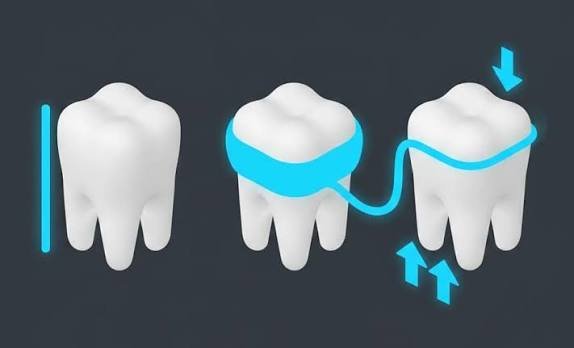
A poop-like smell on floss usually means bacteria have been breaking down trapped debris between your teeth.
This process releases volatile sulfur compounds, which can smell like rotten eggs, sulfur, or even feces in stronger cases.
Dentists sometimes call this “perio breath” because it’s closely linked to gum health.
An occasional mild odor is normal, but a strong, consistent smell is worth paying attention to.
The Science Behind the Smell
Your mouth naturally contains both helpful and harmful bacteria.
When bacteria break down trapped food and plaque, they release gases called volatile sulfur compounds (VSCs).
These VSCs, including hydrogen sulfide and methyl mercaptan, are responsible for the foul odor you notice on floss.
The stronger the bacterial buildup, the more concentrated and unpleasant the smell becomes.
Common Causes of Floss Smelling Like Poop
Several everyday and dental factors can lead to this specific type of odor.
| Cause | Why It Happens |
|---|---|
| Trapped food particles | Food stuck between teeth decomposes and releases odor |
| Plaque buildup | Bacteria-filled film on teeth produces sulfur compounds |
| Gingivitis | Early gum inflammation traps bacteria near the gumline |
| Periodontitis | Advanced gum disease creates deep bacterial pockets |
| Tooth decay | Cavities harbor bacteria that produce strong odors |
| Dry mouth | Less saliva means less natural bacteria control |
| Tonsil stones | Trapped debris in tonsils can create a similar foul smell |
| Poor flossing technique | Missing key spots leaves bacteria undisturbed |
Trapped Food Particles: The Most Common Cause
Tiny pieces of food easily get stuck between teeth, especially after meat, fibrous vegetables, or sticky snacks.
If not removed quickly, these particles begin to decompose within about 24 hours.
This decomposition process is what creates the strong, unpleasant smell you notice on your floss.
Flossing daily helps remove this debris before bacteria have time to fully break it down.
Plaque and Bacterial Buildup
Plaque is a sticky, colorless film of bacteria that constantly forms on your teeth.
If not removed through regular brushing and flossing, plaque hardens into tartar over time.
Tartar traps even more bacteria, increasing the production of odor-causing sulfur compounds.
Flossing physically disturbs this bacterial layer, which is why the smell becomes so noticeable afterward.
Gum Disease and the Poop-Like Smell
Gingivitis is the earliest stage of gum disease, marked by red, swollen, or bleeding gums.
At this stage, bacteria accumulate along the gumline, creating a distinctly foul smell during flossing.
If left untreated, gingivitis can progress into periodontitis, a more serious form of gum disease.
Periodontitis creates deep pockets between teeth and gums where bacteria thrive undisturbed, intensifying the odor significantly.
Tooth Decay and Hidden Cavities
Cavities create small holes in teeth where food and bacteria can become trapped.
These hidden pockets are difficult to clean with regular brushing alone.
Bacteria inside a cavity can produce a strong, localized odor that shows up clearly on floss.
A dental exam is often needed to detect decay that isn’t visible during normal brushing.
Dry Mouth and Its Role in Bad Odor

Saliva plays a key role in washing away food particles and controlling bacteria levels naturally.
When your mouth is dry, bacteria can multiply more easily and produce stronger odors.
Dry mouth can be caused by dehydration, certain medications, mouth breathing, or underlying health conditions.
Drinking more water and treating dry mouth can noticeably reduce floss odor over time.
Tonsil Stones and Similar Smells
Tonsil stones form when food debris and bacteria become trapped in small pockets of the tonsils.
These stones can produce a strong odor similar to what you notice when flossing.
Gently rinsing with salt water can help dislodge small tonsil stones at home.
Persistent or large tonsil stones may require a dentist or doctor’s evaluation.
Table: Where Bacteria Commonly Hide in the Mouth
| Location | Why Bacteria Accumulate Here |
|---|---|
| Between teeth | Toothbrush bristles can’t reach these tight spaces |
| Below the gumline | Deep pockets form with gum disease, trapping debris |
| Tongue surface | Rough texture traps bacteria and food particles |
| Tonsil crevices | Natural pockets can collect debris over time |
| Around dental work | Fillings, crowns, or braces can trap extra food |
Is a Poop-Smelling Floss Ever a Sign of Something Serious?
In most cases, this odor is directly tied to oral hygiene and is not dangerous.
However, breath or floss odor resembling feces can occasionally point to conditions beyond the mouth.
Rare causes include chronic sinus infections, acid reflux (GERD), and in very rare cases, bowel-related issues.
These non-dental causes are uncommon and usually come with other noticeable symptoms.
When to See a Dentist
Certain signs mean it’s time to book a dental visit rather than rely on home fixes alone.
- Persistent strong odor despite daily brushing and flossing
- Bleeding, swollen, or red gums
- Loose teeth or visible gum recession
- Pain or sensitivity in a specific tooth
- Bad breath that doesn’t improve with better hygiene
These symptoms may point to gum disease or decay that needs professional treatment.
When to See a Doctor Instead of a Dentist
If your dentist rules out oral causes and the odor persists, a doctor visit may be needed.
Watch for additional symptoms like chronic heartburn, nasal congestion, or digestive issues alongside the smell.
These combinations may suggest GERD, a sinus infection, or another non-dental condition.
A doctor can run appropriate tests to identify and treat the underlying cause.
How to Fix Bad Breath and Floss Odor: Step-by-Step
Improve Your Flossing Technique
Use a gentle C-shape motion to hug each tooth as you floss, rather than snapping the floss straight down.
Make sure to reach slightly below the gumline, where bacteria commonly hide.
Use a clean section of floss for each tooth to avoid spreading bacteria around your mouth.
Floss at least once daily, ideally before bed, to remove debris before bacteria multiply overnight.
Strengthen Your Brushing Routine
Brush for a full two minutes, twice daily, using a fluoride toothpaste.
Angle your toothbrush toward the gumline to clean where plaque commonly builds up.
Replace your toothbrush every three to four months, or sooner if bristles fray.
Don’t rinse your mouth immediately after brushing, since this washes away protective fluoride too soon.
Clean Your Tongue Daily
Use a tongue scraper or your toothbrush to gently clean your tongue’s surface each day.
This removes bacteria that contribute significantly to overall bad breath.
Focus especially on the back of the tongue, where bacteria tend to accumulate most.
Stay Hydrated to Prevent Dry Mouth

Drink water consistently throughout the day to keep saliva production steady.
Avoid excessive caffeine and alcohol, both of which can contribute to dry mouth.
Chewing sugar-free gum can help stimulate saliva flow between meals.
Use the Right Mouthwash
Choose an antibacterial or antiseptic mouthwash rather than one that only masks odor temporarily.
Look for products containing chlorine dioxide or cetylpyridinium chloride, which target odor-causing bacteria directly.
Avoid alcohol-based mouthwashes if you already experience dry mouth, since they can worsen it.
Table: Daily Oral Hygiene Routine for Fresher Floss
| Step | Frequency | Purpose |
|---|---|---|
| Brushing | Twice daily | Removes surface plaque and food particles |
| Flossing | Once daily | Cleans between teeth and below gumline |
| Tongue cleaning | Once daily | Reduces bacteria contributing to bad breath |
| Mouthwash | Once or twice daily | Targets odor-causing bacteria directly |
| Dental checkup | Every six months | Catches decay or gum disease early |
Diet Changes That Help Reduce Floss Odor
Certain foods are more likely to get trapped between teeth and cause stronger odors.
Meat fibers, leafy greens, and sticky snacks are common culprits worth flossing out promptly.
Reducing sugary foods can also help, since sugar feeds the bacteria responsible for plaque and odor.
Eating crunchy fruits and vegetables can naturally help clean teeth surfaces between brushings.
Natural Remedies to Freshen Breath and Reduce Odor
Chewing fresh parsley or mint leaves can help neutralize odor temporarily.
Green tea contains compounds that may help reduce odor-causing bacteria in the mouth.
Rinsing with warm salt water can soothe gums and reduce bacteria after meals.
Baking soda mixed with water can be used occasionally as a natural, mild antibacterial rinse.
Products That Can Help With Persistent Odor
Water flossers can reach areas traditional floss sometimes misses, especially around dental work.
Interdental brushes are useful for people with larger gaps between teeth or gum recession.
Antibacterial toothpaste designed for gum health can help reduce bacteria levels over time.
Tongue scrapers designed specifically for odor control can be more effective than a toothbrush alone.
Table: Floss and Tool Options Compared
| Tool | Best For | Notes |
|---|---|---|
| Traditional floss | Daily general use | Effective when technique is correct |
| Water flosser | Braces, dental work, sensitive gums | Gentle and thorough around hardware |
| Interdental brushes | Larger gaps or gum recession | Reaches wider spaces effectively |
| Floss picks | Convenience and travel | Easier grip, slightly less precise |
Building a Long-Term Oral Health Routine
Consistency matters more than intensity when it comes to preventing floss odor.
Set a fixed daily time for flossing, such as right before bed, to build a lasting habit.
Track any recurring bad smell over a week or two to notice patterns tied to diet or technique.
Schedule regular dental cleanings every six months to catch early gum disease or decay.
How Long Does It Take to Notice Improvement?
Most people notice less floss odor within one to two weeks of consistent, correct flossing.
Gum inflammation from early gingivitis often improves within two to four weeks of better hygiene.
More serious gum disease or decay may take longer and typically requires professional treatment.
Patience and consistency are key, since bacteria levels take time to fully rebalance.
Quick Recap Checklist
- Floss once daily using a gentle C-shape motion around each tooth
- Brush for two full minutes, twice a day
- Clean your tongue daily to reduce bacteria
- Stay hydrated to prevent dry mouth
- Use an antibacterial mouthwash rather than one that only masks smell
- Watch for bleeding gums or persistent odor despite good hygiene
- See a dentist if the smell doesn’t improve within a few weeks
Proper Flossing Technique Explained in Detail
Many people floss daily but still miss key areas, allowing odor to persist.
Start with about 18 inches of floss, winding most of it around your middle fingers.
Hold a small section taut between your thumbs and index fingers as you work between each tooth.
Curve the floss into a C-shape against one tooth, then gently slide it beneath the gumline.
Move the floss up and down a few times before moving to the next tooth with a clean section.
Common Flossing Mistakes That Cause Odor to Linger
Snapping the floss straight down instead of curving it can injure gums and miss plaque.
Skipping the back teeth is common, yet these areas often harbor the most trapped debris.
Using the same section of floss for every tooth spreads bacteria instead of removing it.
Flossing too roughly can cause gum irritation, which paradoxically increases bacteria buildup over time.
Water Flossers: Do They Help With Odor?
Water flossers use a steady stream of water to flush out debris between teeth and gums.
They can be especially helpful for people with braces, bridges, or sensitive gums.
Research suggests water flossers can reduce plaque and gum inflammation when used consistently.
Combining a water flosser with traditional floss occasionally can offer even more thorough cleaning.
The Link Between Bad Breath and Floss Odor
Floss odor and general bad breath usually share the same root cause: bacteria and trapped debris.
If your floss smells bad, it’s likely contributing to noticeable breath odor throughout the day too.
Addressing floss odor through better hygiene often improves overall breath freshness as a direct result.
This is why dentists consider the “floss smell test” a simple, at-home indicator of oral health.
How Age and Health Conditions Affect Floss Odor
Older adults may experience more floss odor due to naturally reduced saliva production over time.
Certain health conditions, like diabetes, can also increase susceptibility to gum disease and related odor.
Pregnancy can temporarily increase gum sensitivity and bacteria levels due to hormonal changes.
Smoking significantly increases the risk of gum disease, dry mouth, and persistent bad odor.
Table: Risk Factors That Increase Floss Odor
| Risk Factor | Why It Increases Odor |
|---|---|
| Smoking | Reduces saliva flow and increases gum disease risk |
| Diabetes | Impairs healing and increases infection risk in gums |
| Pregnancy | Hormonal changes increase gum sensitivity and bacteria |
| Aging | Naturally reduced saliva production over time |
| Certain medications | Many drugs list dry mouth as a side effect |
Children and Floss Odor
Children can experience floss odor too, often from trapped snacks or inconsistent brushing habits.
Teaching proper flossing technique early helps build lasting habits that prevent future gum issues.
If a child’s floss consistently smells strong despite good hygiene, a pediatric dentist visit is recommended.
Baby teeth cavities can also contribute to localized odor, similar to adult tooth decay.
Professional Treatments for Persistent Odor
A professional dental cleaning removes hardened tartar that regular brushing and flossing cannot reach.
Deep cleaning, called scaling and root planing, treats early to moderate gum disease effectively.
For more advanced periodontitis, a dentist may recommend more specialized periodontal treatment.
Treating any underlying cavities also removes a common hidden source of persistent odor.
Traveling and Maintaining Fresh Floss Habits
Travel often disrupts regular brushing and flossing schedules, especially during busy trips.
Packing travel-sized floss picks or a small water flosser can help maintain consistency on the go.
Unfamiliar diets, more snacking, and less access to a toothbrush can all worsen temporary odor.
Sticking to your normal routine as closely as possible while traveling helps prevent noticeable setbacks, and keeping a spare travel kit in your bag removes the excuse to skip flossing entirely.
A Final Word Before You Fix It
Most floss odor cases trace back to a simple, fixable habit rather than a serious health problem.
Paying attention to when and where the smell is strongest can help you pinpoint the exact cause faster.
Small, consistent improvements in technique often make a bigger difference than switching products constantly.
Give any new routine at least two weeks before judging whether it’s working.
Frequently Asked Questions (FAQs)
1. Why does my floss smell like poop even though I brush regularly?
Brushing alone doesn’t reach between teeth, so trapped food and bacteria there can still cause a strong odor.
2. Is it normal for floss to smell bad sometimes?
Yes, a mild odor occasionally is normal, but a strong or constant smell often signals a problem.
3. Can gum disease really cause floss to smell like poop?
Yes, gingivitis and periodontitis trap bacteria near the gumline, producing a distinctly foul odor.
4. How often should I floss to prevent bad smell?
Flossing once daily, ideally at night, is enough to prevent most odor-causing buildup.
5. Can dry mouth make my floss smell worse?
Yes, less saliva allows bacteria to multiply more easily, intensifying odor on floss.
6. Does mouthwash help fix floss odor permanently?
Mouthwash helps reduce bacteria short-term, but daily flossing and brushing are needed for lasting results.
7. Could tonsil stones be causing the smell I notice?
Yes, tonsil stones trap debris and bacteria, producing an odor similar to what’s noticed on floss.
8. When should I worry that it’s not just an oral hygiene issue?
If a dentist rules out oral causes and the smell persists with other symptoms, see a doctor.
9. Can diet changes reduce the smell on my floss?
Yes, reducing sugary and sticky foods can lower plaque buildup and improve odor over time.
10. How long until floss stops smelling bad after improving hygiene?
Most people notice improvement within one to two weeks of consistent, correct oral hygiene habits.
This guide has covered the science, the causes, and the fixes, so you now have everything needed to tackle this common but manageable oral health issue with confidence.
Conclusion
A poop-like smell on your floss almost always comes down to trapped food particles and bacteria producing volatile sulfur compounds between your teeth. In most cases, this is fixable through better flossing technique, consistent brushing, tongue cleaning, and staying hydrated to prevent dry mouth.
Gum disease and tooth decay are common underlying causes, so persistent odor despite good hygiene is worth a dental visit. In rare situations, non-dental issues like sinus infections or acid reflux can play a role, and a doctor may need to get involved.
With the right daily routine, most people notice noticeably fresher floss and breath within one to two weeks. Staying consistent with brushing, flossing, and regular dental checkups is the most reliable long-term fix for this common but very manageable problem.


