



Why are my taste buds swollen? It’s a strange, uncomfortable feeling — small red or white bumps on your tongue that make eating, talking, or even breathing feel irritating.
The good news is that swollen taste buds are extremely common and usually harmless. In fact, more than half of people experience them at some point in their life.
What Are Taste Buds and Why Do They Swell?

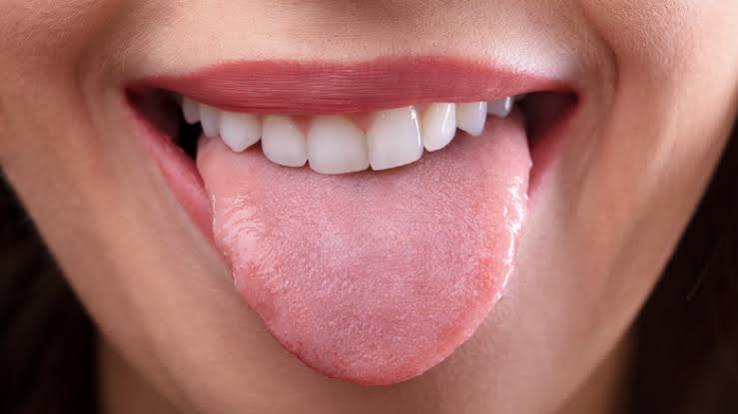
Taste buds are tiny sensory receptors located inside the small bumps on your tongue, called papillae. They allow you to detect sweet, salty, sour, bitter, and savory flavors.
When a taste bud becomes irritated, the cell can expand, causing the surrounding papilla to become inflamed, red, and sometimes painful.
This swelling can affect just one taste bud or several at once, depending on the underlying cause.
Is It Normal for Taste Buds to Swell?
Yes, swollen taste buds are a very common complaint. Most cases are mild, temporary, and resolve on their own within a few days.
The swelling usually happens after eating something too hot, spicy, or acidic, or after minor irritation like biting your tongue.
It only becomes a concern when swelling lasts longer than two weeks, spreads significantly, or comes with other worrying symptoms.
Common Symptoms of Swollen Taste Buds
Recognizing the signs helps you understand whether you’re dealing with a minor irritation or something that needs closer attention.
Redness or White Spots
Swollen taste buds often appear as small red bumps, though some may look white or fluid-filled depending on the cause.
Pain or Tenderness
Discomfort is common, especially when eating hot, spicy, or acidic foods that further irritate the area.
Burning Sensation
A mild burning or stinging feeling on the tongue is a frequent symptom, particularly with acid reflux or dietary irritants.
Altered Taste Perception
Some people notice a temporary change in how food tastes while the taste buds are inflamed.
Common Causes of Swollen Taste Buds
There are several reasons your taste buds might become inflamed. Below is a breakdown of the most frequent causes identified by dental and medical experts.
1. Eating Spicy or Acidic Foods
Spicy, acidic, or extremely hot foods are one of the most common triggers. They irritate the delicate tissue of the tongue, leading to temporary swelling.
2. Burns from Hot Food or Drinks
Eating or drinking something too hot can cause a mild burn on the tongue, which often blisters and swells at the site of contact.
3. Poor Oral Hygiene
Not brushing or flossing regularly allows plaque and bacteria to build up, which can inflame the tongue and surrounding taste buds.
4. Dry Mouth (Xerostomia)
Reduced saliva production allows bacteria to grow more easily in the mouth, increasing the risk of irritation and swollen taste buds.
5. Acid Reflux (GERD)
Stomach acid that travels up into the esophagus and mouth can burn the tongue’s surface, leading to inflamed and swollen taste buds.
6. Allergic Reactions
Certain foods, medications, or dental products can trigger an allergic response that causes swelling on the tongue and taste buds.
7. Vitamin and Mineral Deficiencies
Low levels of vitamin B, iron, or zinc can affect oral tissue health, making taste buds more prone to inflammation.
8. Smoking and Tobacco Use
Chemicals in tobacco products irritate the soft tissues of the mouth, including the tongue, often leading to chronic swelling over time.
9. Dental Appliances
Braces, dentures, or retainers can rub against the tongue repeatedly, causing localized irritation and swollen papillae.
10. Viral or Bacterial Infections
Infections affecting the mouth and throat, including common colds or strep throat, can trigger inflammation as part of the immune response.
11. Oral Thrush (Fungal Infection)
A yeast overgrowth in the mouth can affect taste buds, especially in people with weakened immune systems or those on certain medications.
12. Stress and Transient Lingual Papillitis
Often called “lie bumps,” this harmless condition causes small, sometimes painful bumps on the tongue, possibly triggered by stress or digestive upset.
13. Biting or Injuring the Tongue
Accidentally biting your tongue while eating or talking can cause localized swelling and tenderness at the site of injury.
Table: Common Causes of Swollen Taste Buds at a Glance
| Cause | Typical Symptoms | Usually Resolves In |
|---|---|---|
| Spicy or acidic food | Mild redness, burning | 1–2 days |
| Hot food burn | Blistering, tenderness | 2–4 days |
| Poor oral hygiene | Widespread irritation | Improves with hygiene |
| Dry mouth | Bacterial buildup, soreness | Varies |
| Acid reflux | Burning, recurring swelling | Ongoing until treated |
| Allergic reaction | Sudden swelling, itching | Hours to days |
| Vitamin deficiency | Chronic, recurring bumps | Weeks with supplementation |
| Dental appliance rubbing | Localized sore spot | Days to weeks |
| Viral/bacterial infection | Multiple bumps, pain | 1–2 weeks |
| Stress-related (lie bumps) | Sudden painful bumps | 2–4 days |
When Swollen Taste Buds Are Harmless
Most cases of swollen taste buds are minor and self-limiting. If the swelling appeared shortly after eating something hot or spicy, it’s almost always nothing to worry about.
Similarly, a single sore bump from accidentally biting your tongue typically heals within a few days without any treatment needed.
These harmless cases usually don’t come with fever, spreading swelling, or difficulty swallowing.
When Swollen Taste Buds Signal a Problem
Certain symptoms alongside swelling suggest it’s time to pay closer attention or seek medical care.
Swelling Lasting More Than Two Weeks
Persistent swelling that doesn’t improve after two weeks should be evaluated by a doctor or dentist to rule out underlying causes.
A Bump That Grows or Bleeds
A single bump that grows larger, bleeds easily, or doesn’t heal may need further evaluation, especially in smokers or heavy drinkers.
Sudden Swelling with Breathing Difficulty
Rapid swelling of the tongue, mouth, or throat combined with trouble breathing or swallowing is a medical emergency requiring immediate care.
Recurring Episodes
Taste bud swelling that keeps coming back may point to an underlying condition like chronic acid reflux or a nutritional deficiency.
Signs of Infection
Fever, spreading redness, or pus-like discharge alongside swelling could indicate a bacterial infection needing treatment.
Table: Harmless vs. Concerning Symptoms
| Symptom | Likely Harmless | Needs Medical Attention |
|---|---|---|
| Swelling after spicy food | Yes | — |
| Resolves within a few days | Yes | — |
| Single sore bump from biting tongue | Yes | — |
| Lasts longer than 2 weeks | — | Yes |
| Growing or bleeding bump | — | Yes |
| Sudden swelling with trouble breathing | — | Yes, emergency |
| Fever or spreading redness | — | Yes |
Home Remedies for Swollen Taste Buds
Most mild cases can be managed comfortably at home while the swelling goes down naturally. Here are the most effective remedies.
Saltwater Rinse
Rinsing with warm saltwater twice a day helps reduce inflammation and keeps the area clean while it heals.
Ice or Cold Water
Sucking on an ice cube or sipping cold water can numb discomfort and reduce swelling quickly.
Avoid Irritating Foods
Steer clear of spicy, acidic, hot, or crunchy foods until the swelling and tenderness fully subside.
Stay Hydrated
Drinking plenty of water helps maintain saliva production, which naturally protects the mouth from bacteria and irritation.
Use a Soft-Bristled Toothbrush
Switching to a soft toothbrush temporarily reduces further irritation to sensitive, swollen areas of the tongue.
Try an Antiseptic Mouthwash
An alcohol-free antiseptic rinse can help reduce bacteria without further irritating already sensitive tissue.
Apply Honey
Honey has natural antibacterial properties and can be dabbed gently on the affected area for soothing relief.
Table: Home Remedies and How They Help
| Remedy | How It Helps | Frequency |
|---|---|---|
| Saltwater rinse | Reduces inflammation, cleans area | 2x daily |
| Ice or cold water | Numbs pain, reduces swelling | As needed |
| Soft-bristled toothbrush | Prevents further irritation | Ongoing |
| Antiseptic mouthwash | Reduces bacteria | 1–2x daily |
| Honey | Soothes and fights bacteria | 1–2x daily |
| Hydration | Supports saliva production | Throughout day |
Professional Treatment Options
If home care isn’t enough, or an underlying condition is suspected, a dentist or doctor may recommend the following treatments.
Oral Examination
A professional exam helps rule out other oral lesions and confirms whether the swelling is truly related to taste buds.
Prescription Anti-Inflammatory Medication
Stronger anti-inflammatory treatments may be prescribed for persistent or severe swelling that doesn’t respond to home care.
Antibiotics or Antifungal Medication
If a bacterial or fungal infection is identified, targeted medication is used to clear the infection and reduce swelling.
Acid Reflux Treatment
Antacids, proton-pump inhibitors, or H2-receptor blockers can help if chronic acid reflux is causing repeated swelling.
Nutritional Evaluation
Blood tests can check for vitamin B, iron, or zinc deficiencies, with supplements recommended if levels are low.
Allergy Testing
If an allergic reaction is suspected, testing can help identify and avoid the specific trigger going forward.
How to Prevent Swollen Taste Buds

Prevention often comes down to simple daily habits that protect the delicate tissue of your mouth and tongue.
Practice Good Oral Hygiene
Brush twice daily, floss regularly, and use a gentle mouth rinse to reduce bacterial buildup in the mouth.
Let Food and Drinks Cool
Give hot food and beverages time to cool slightly before eating to avoid burns on the tongue.
Limit Spicy and Acidic Foods
If you’re prone to swelling, moderating spicy or acidic food intake can reduce how often it happens.
Manage Acid Reflux
Avoiding trigger foods, eating smaller meals, and not lying down right after eating can help control reflux-related swelling.
Stay Hydrated
Consistent water intake supports healthy saliva levels, which naturally protect against bacteria and dryness.
Avoid Tobacco Products
Reducing or quitting smoking significantly lowers irritation and chronic inflammation risk in the mouth.
Eat a Balanced, Nutrient-Rich Diet
Getting enough vitamin B, iron, and zinc through diet or supplements supports healthy oral tissue.
Diet Tips for Sensitive Taste Buds
What you eat during a flare-up can either speed up healing or make swelling worse. Here’s a simple guide.
| Foods to Choose | Foods to Avoid |
|---|---|
| Cool or room-temperature foods | Extremely hot foods and drinks |
| Soft, bland foods (yogurt, oatmeal) | Spicy or heavily seasoned dishes |
| Water and herbal tea | Citrus juices and soda |
| Mild soups | Crunchy or sharp-edged foods |
| Smoothies | Alcohol and tobacco |
Common Myths About Swollen Taste Buds
There’s a fair amount of confusion around this condition. Clearing up these myths can ease unnecessary worry.
Myth: Swollen Taste Buds Always Mean Infection
Most cases are caused by simple irritation, not infection. Infection is only one of many possible causes.
Myth: They’re Always a Sign of Cancer
Oral cancer is a rare cause and usually presents differently, with a persistent, non-healing, often painless growth rather than typical swelling.
Myth: You Should Pop or Pick at Them
Picking at swollen taste buds can worsen irritation and increase the risk of infection. It’s best to leave them alone.
Myth: Only Poor Hygiene Causes Swelling
While hygiene plays a role, diet, allergies, deficiencies, and stress are equally common triggers unrelated to hygiene habits.
Swollen Taste Buds in Children vs. Adults
Age can influence both common causes and how quickly swelling resolves, so it’s worth understanding the difference.
In Children
Kids often develop swollen taste buds from eating something too hot or accidentally biting their tongue while eating or talking.
In Adults
Adults more commonly experience swelling linked to acid reflux, smoking, dental appliances, or chronic stress-related flare-ups.
In Older Adults
Dry mouth becomes more common with age or certain medications, increasing the likelihood of recurring taste bud irritation.
When to See a Doctor or Dentist
Most swollen taste buds don’t require professional care, but certain situations call for a proper evaluation.
See a doctor if swelling lasts more than two weeks, keeps recurring, or is accompanied by fever, spreading redness, or severe pain.
Also seek care if you notice a single growing bump that bleeds easily, especially if you smoke or drink alcohol heavily.
Sudden swelling with difficulty breathing or swallowing is a medical emergency and requires immediate attention.
Different Types of Papillae on Your Tongue
Understanding tongue anatomy helps explain why swelling can look different depending on which papillae are affected.
Fungiform Papillae
These small, mushroom-shaped bumps are scattered across the tongue’s surface and are the most commonly affected during swelling episodes.
Circumvallate Papillae
Located toward the back of the tongue, these larger papillae are less commonly irritated but can swell due to reflux or infection.
Filiform Papillae
These thread-like papillae don’t contain taste buds but can still become irritated and contribute to overall tongue discomfort.
Foliate Papillae
Found on the sides of the tongue, these can swell due to injury, infection, or irritation from sharp foods.
Table: Papillae Types and Common Swelling Triggers
| Papillae Type | Location | Common Trigger |
|---|---|---|
| Fungiform | Scattered across tongue surface | Hot/spicy food, injury |
| Circumvallate | Back of tongue | Acid reflux, infection |
| Filiform | Entire tongue surface | Dryness, irritation |
| Foliate | Sides of tongue | Sharp food, injury |
Lifestyle Factors That Contribute to Swelling
Beyond direct causes, certain everyday habits can make you more prone to swollen taste buds over time.
High Stress Levels
Chronic stress affects the body’s inflammatory response and immune function, which may increase susceptibility to tongue irritation.
Frequent Alcohol Consumption
Alcohol can dry out the mouth and irritate oral tissue, making taste buds more likely to become inflamed.
Inconsistent Sleep
Poor sleep can weaken immune defenses, making the mouth more vulnerable to infection-related swelling.
Skipping Regular Dental Checkups
Missing routine cleanings allows plaque buildup and untreated irritation from appliances to go unnoticed longer.
How Diet Quality Affects Taste Bud Health
A nutrient-poor diet doesn’t just affect your waistline — it directly impacts how quickly your mouth heals and how resilient your taste buds are.
Diets low in vitamin B12, iron, and zinc are strongly linked to more frequent and longer-lasting taste bud inflammation.
Highly processed, sugary diets can also disrupt the natural bacterial balance in the mouth, increasing irritation risk over time.
Incorporating leafy greens, lean proteins, and whole grains supports faster healing and reduces how often swelling occurs.
Tracking Your Symptoms: What to Note
If swelling keeps recurring, keeping a simple symptom log can help you and your doctor identify patterns faster.
Note when the swelling started, what you ate beforehand, how long it lasted, and whether it came with pain, fever, or bleeding.
This information speeds up diagnosis significantly, especially if an allergy, reflux pattern, or dietary trigger is suspected.
Quick Recap: Key Takeaways
Before jumping into the FAQs, here’s a fast summary of what matters most when dealing with swollen taste buds.
Most cases are minor, caused by diet or small injuries, and clear up within a few days without any special treatment.
Watch for warning signs like prolonged swelling, bleeding, fever, or breathing difficulty, and don’t hesitate to seek care if they appear.
Simple daily habits — good hygiene, hydration, a balanced diet, and avoiding irritants — go a long way in preventing future flare-ups.
Frequently Asked Questions (FAQs)
1. Why are my taste buds suddenly swollen?
Sudden swelling is usually caused by hot or spicy food, minor injury, or an allergic reaction. It typically resolves within a few days.
2. How long do swollen taste buds usually last?
Most cases clear up within two to four days. Anything lasting longer than two weeks should be checked by a professional.
3. Can stress really cause swollen taste buds?
Yes, stress is linked to a harmless condition called transient lingual papillitis, which causes temporary painful bumps on the tongue.
4. Are swollen taste buds contagious?
No, most causes aren’t contagious. However, if a viral or bacterial infection is the cause, it’s best to avoid sharing utensils.
5. Can acid reflux cause taste buds to swell repeatedly?
Yes, chronic acid reflux can cause recurring swelling until the underlying reflux is properly managed or treated.
6. What’s the fastest home remedy for relief?
A cold ice cube or a warm saltwater rinse are two of the fastest, most effective ways to reduce discomfort at home.
7. Can a vitamin deficiency cause swollen taste buds?
Yes, low levels of vitamin B, iron, or zinc are known to contribute to recurring taste bud inflammation.
8. Should I avoid brushing my tongue when it’s swollen?
No, gentle brushing with a soft-bristled brush is still recommended to prevent bacterial buildup during healing.
9. When should I worry about a swollen taste bud?
Worry if it lasts over two weeks, grows, bleeds, or comes with fever, difficulty swallowing, or breathing problems.
10. Can dental appliances cause ongoing swelling?
Yes, braces, retainers, or dentures that rub against the tongue can cause repeated localized swelling until adjusted.
Conclusion
Swollen taste buds are uncomfortable, but in most cases, they’re a temporary and harmless response to everyday irritants like spicy food, minor burns, or mild stress. Simple home remedies like saltwater rinses, cold water, and avoiding trigger foods usually bring relief within a few days.
The key is knowing when to let it heal naturally and when to seek professional care. Persistent swelling, a growing or bleeding bump, recurring flare-ups, or symptoms like fever and difficulty swallowing all warrant a closer look from a doctor or dentist.
By practicing good oral hygiene, managing acid reflux, staying hydrated, and eating a balanced diet, you can significantly reduce how often swollen taste buds show up — keeping your mouth comfortable and your meals enjoyable again.


