


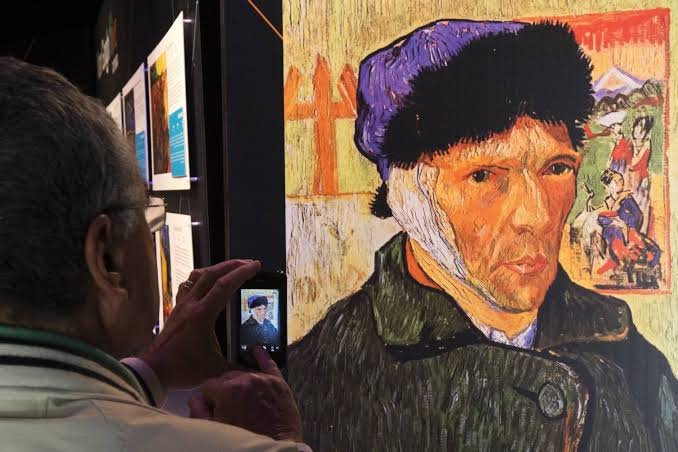
Why did Vincent van Gogh cut off his ear is one of the most searched questions in art history, and the honest answer is that historians still are not entirely certain. What is well documented is that on December 23, 1888, van Gogh severed part of his left ear during a mental health crisis following a heated argument with fellow painter Paul Gauguin.
What remains debated is the exact trigger, whether Gauguin himself was involved, and what underlying condition caused van Gogh’s breakdown.
Quick Facts About Vincent van Gogh
| Detail | Information |
|---|---|
| Full name | Vincent Willem van Gogh |
| Born | March 30, 1853, Netherlands |
| Died | July 29, 1890, age 37, Auvers-sur-Oise, France |
| Ear incident date | December 23, 1888 |
| Location of incident | Arles, France |
| Ear affected | Left ear |
| Companion at the time | Paul Gauguin |
| Famous painting after incident | Self-Portrait with Bandaged Ear (1889) |
| Where he was hospitalized after | Hôtel-Dieu hospital, Arles |
| Later institution | Saint-Paul-de-Mausole asylum |
What Actually Happened on December 23, 1888
Vincent van Gogh was living in the Yellow House in Arles, France, sharing the space with fellow painter Paul Gauguin.
The two artists had a tense, difficult relationship, and tensions had been building for weeks before the incident occurred.
On the evening of December 23, the two men reportedly had a heated argument that escalated dramatically.
Later that night, van Gogh severed part of his own left ear, wrapped it in paper, and delivered it to a woman at a nearby brothel.
The Aftermath of the Incident
The following morning, police discovered van Gogh at his home, badly injured and in a confused state.
He was taken to the Hôtel-Dieu hospital in Arles, where doctors treated his wound and monitored his condition.
Van Gogh later said he could not clearly remember the events of that night once he had recovered.
Gauguin left Arles for Paris shortly afterward, effectively ending their brief but intense artistic partnership.
Why This Story Became So Famous
Van Gogh’s act of self-mutilation quickly became one of the most talked-about moments in art history.
Newspaper reports at the time varied in their details, with some even mistakenly identifying van Gogh’s nationality.
The dramatic nature of the event, combined with van Gogh’s later fame, cemented the story as a symbol of the tortured artist.
His painting Self-Portrait with Bandaged Ear, created shortly after the incident, further immortalized the moment in art history.
The Gauguin Argument Theory
The most widely accepted explanation is that a explosive argument with Paul Gauguin triggered van Gogh’s breakdown.
The two artists had sharply different personalities and creative philosophies, which caused ongoing friction during their time together.
Some accounts suggest Gauguin threatened to leave Arles permanently, which may have deeply distressed van Gogh, who valued the partnership.
This theory remains the most commonly cited explanation in museums and mainstream historical accounts.
The Theo Engagement Theory
A more recent theory, researched by art historian Martin Bailey, suggests a different trigger entirely.
Bailey found evidence that van Gogh may have received a letter on December 23 announcing his brother Theo’s engagement to Johanna Bonger.
Theo was van Gogh’s primary emotional and financial supporter, and the news of his upcoming marriage may have triggered deep fear of abandonment.
Under this theory, the Gauguin argument and the engagement news may have combined to trigger the breakdown that same night.
The Gauguin Involvement Theory
A more controversial theory suggests that Gauguin, a skilled fencer, may have actually been responsible for injuring van Gogh’s ear during their argument.
Under this theory, the two men made a private pact afterward to protect Gauguin from legal consequences, allowing the self-mutilation story to stand.
This theory remains disputed among historians and is not the mainstream accepted account of what happened.
Most art historians continue to support the traditional account that van Gogh injured himself during a psychological crisis.
Mental Health Theories
Many historians believe van Gogh’s actions were connected to an underlying mental health condition rather than any single triggering event.
Proposed diagnoses over the decades have included bipolar disorder, temporal lobe epilepsy, and borderline personality disorder, though no single diagnosis has ever been confirmed.
Some researchers have also pointed to malnutrition, exhaustion, and heavy alcohol use, including absinthe consumption, as contributing factors.
Van Gogh experienced repeated psychological episodes throughout the rest of his life, suggesting a chronic underlying condition rather than an isolated incident.
The Role of Absinthe
Absinthe was a popular and potent alcoholic drink in late nineteenth century France, and van Gogh was known to drink it regularly.
Some historians have suggested that heavy absinthe consumption may have worsened van Gogh’s mental state and contributed to his impulsive actions.
This theory remains speculative, since absinthe alone is unlikely to fully explain the recurring psychological episodes van Gogh experienced.
Common Myths vs Confirmed Facts
Separating popular myth from documented history helps clarify what is actually known about this event.
| Claim | Myth or Fact |
|---|---|
| Van Gogh cut off his entire ear | Myth, only part of the ear was removed |
| He gave the ear to a prostitute | Fact, well documented in multiple accounts |
| Gauguin may have caused the injury | Disputed theory, not confirmed |
| The argument with Gauguin was the sole cause | Debated, likely one of several factors |
| Van Gogh had a single, confirmed mental illness diagnosis | Myth, no single diagnosis has been confirmed |
| He was hospitalized after the incident | Fact, treated at Hôtel-Dieu hospital |
What Happened After the Incident
Van Gogh returned home about two weeks after being hospitalized and resumed painting almost immediately.
He experienced a new psychological episode about a month later, which led him to accept that he was dealing with a serious mental health condition.
He voluntarily admitted himself to the Saint-Paul-de-Mausole asylum in Saint-Rémy-de-Provence for treatment and stability.
Van Gogh’s Most Productive Period
Despite his declining mental health, the period following the ear incident produced some of van Gogh’s most celebrated work.
While at the asylum in Saint-Rémy, he painted Starry Night, now one of the most recognized paintings in the world.
He also completed numerous other major works during this time, fluctuating between periods of severe distress and intense creative output.
This contrast between personal suffering and artistic achievement has fueled much of the public fascination with his life story.
Van Gogh’s Final Years
In May 1890, van Gogh moved to Auvers-sur-Oise, a village near Paris, to be closer to his brother Theo.
He continued to struggle with loneliness and despair despite his growing artistic output during this period.
On July 27, 1890, van Gogh was fatally shot, and he died two days later at the age of thirty-seven.
The exact circumstances of his death, much like the ear incident, remain the subject of ongoing historical debate.
Why the Ear Incident Still Fascinates People Today
The ear incident continues to capture public interest because it blends genius, tragedy, and unresolved mystery in a single moment.
Van Gogh’s later fame as one of history’s most celebrated painters makes the contrast with his personal suffering especially striking.
New research and competing theories continue to emerge, keeping the story relevant more than a century after it occurred.
Museums, documentaries, and historians continue to revisit the event, often presenting multiple theories rather than a single definitive answer.
How Historians Study This Event
Historians rely on a combination of letters, hospital records, newspaper reports, and witness accounts to reconstruct the events of that night.
Van Gogh’s extensive correspondence with his brother Theo remains one of the richest primary sources available to researchers.
Because van Gogh himself rarely discussed the incident in detail afterward, much of the story has been pieced together from secondary accounts.
This gap in direct testimony is part of why so many competing theories continue to circulate today.
Life Before Arles
Vincent van Gogh did not begin his career as a painter, initially working as an art dealer, teacher, and even a preacher in his younger years.
He only committed fully to painting in his late twenties, after years of struggling to find his purpose and place in the world.
His early works were darker in tone, focusing on peasant life in the Netherlands, before his style shifted dramatically after moving to France.
By the time he arrived in Arles in 1888, van Gogh had developed the bold, expressive style that would later define his most famous paintings.
Why van Gogh Moved to Arles
Van Gogh moved to Arles in the south of France seeking brighter light, warmer weather, and fresh inspiration for his work.
He hoped to establish an artists’ community there, envisioning a shared studio where painters could live and create together.
He rented the now-famous Yellow House, which became both his home and his primary painting studio during this period.
This dream of a collaborative artist community was part of why he was so eager for Gauguin to join him in Arles.
The Relationship Between van Gogh and Gauguin
Van Gogh and Gauguin had corresponded for some time before Gauguin agreed to join him in Arles in October 1888.
The two artists had very different personalities, with van Gogh being intense and emotionally driven, while Gauguin was more reserved and strong willed.
Their differing approaches to art and life created friction almost immediately after Gauguin’s arrival at the Yellow House.
Despite the tension, the two also produced notable work during this period, including paintings that referenced each other’s presence and influence.
Financial and Emotional Pressures
Van Gogh relied heavily on financial support from his brother Theo, who worked as an art dealer in Paris.
This financial dependence created ongoing emotional pressure, as van Gogh often felt guilty about his inability to support himself through his art.
Theo’s support was not only financial but also deeply emotional, with the two brothers exchanging hundreds of letters throughout Vincent’s life.
Any perceived threat to this relationship, such as Theo’s engagement, may have carried significant emotional weight for someone already under considerable stress.
The Letters Between Vincent and Theo
The extensive correspondence between Vincent and Theo van Gogh remains one of the most valuable historical records of the artist’s inner life.
These letters reveal van Gogh’s evolving artistic philosophy, his daily struggles, and his shifting emotional state in the months leading up to the ear incident.
Historians studying the events of December 1888 rely heavily on this correspondence to piece together van Gogh’s mindset at the time.
Without these letters, much of what is known today about van Gogh’s psychological state would remain far less clear.
Self-Portrait with Bandaged Ear in Detail
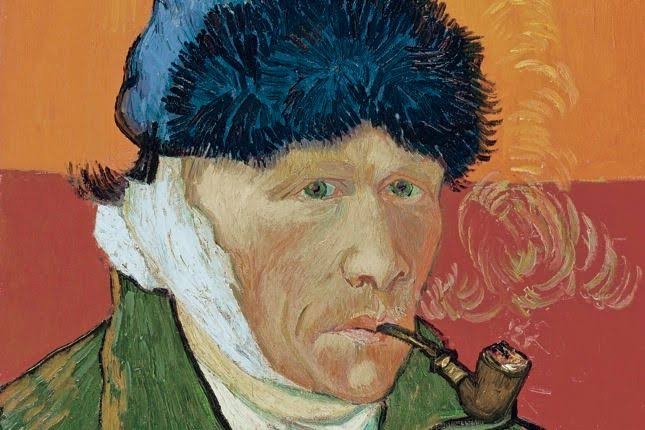
Van Gogh painted Self-Portrait with Bandaged Ear in January 1889, shortly after being released from the hospital.
The painting shows him wearing a fur cap and coat, with a bandage visibly wrapped around his injured ear.
Behind him, a Japanese print hangs on the wall, reflecting his long-standing interest in Japanese art and design.
Art historians view this painting as both a personal record of the event and a striking example of van Gogh’s ability to process trauma through his work.
Legacy of the Ear Incident in Popular Culture
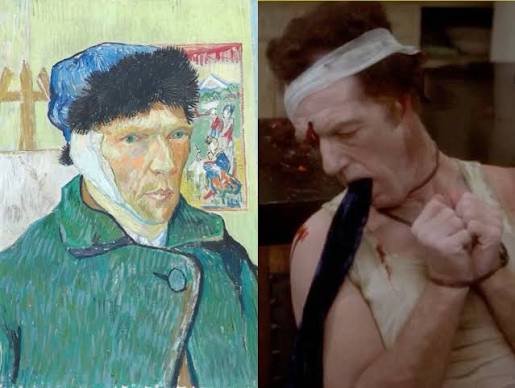
The ear incident has become deeply embedded in popular culture, referenced in films, books, songs, and countless retellings of van Gogh’s life story.
This widespread retelling has, over time, led to some exaggeration and distortion of the actual documented facts.
Popular culture often simplifies the story into a single dramatic cause, when historical evidence suggests a more complex combination of factors.
Understanding the documented facts helps separate the more sensationalized popular version from what historians actually know.
Van Gogh’s Broader Impact on Art History
Despite selling only one painting during his lifetime, van Gogh is now considered one of the most influential painters in Western art history.
His bold use of color, expressive brushwork, and emotional intensity influenced generations of artists who came after him.
Museums around the world, including the Van Gogh Museum in Amsterdam, continue to draw millions of visitors each year to view his work.
His posthumous fame stands in sharp contrast to the poverty and personal struggles he experienced throughout most of his life.
Ongoing Historical Debate
Despite extensive research, historians have not reached full consensus on every detail surrounding the ear incident.
New theories and interpretations continue to emerge as researchers reexamine letters, medical records, and historical accounts with fresh perspectives.
This ongoing debate is part of what keeps the story relevant in academic and popular discussions more than a century later.
Rather than a single confirmed explanation, most credible historians now describe the event as the result of multiple overlapping stresses.
Visiting Sites Connected to the Ear Incident
The original Yellow House where van Gogh lived was destroyed during World War II, though the site in Arles remains a popular destination for admirers of his work.
The Hôtel-Dieu hospital where he was first treated has since been restored and now operates as a cultural space dedicated to his memory.
Saint-Paul-de-Mausole, the asylum where he later stayed, still exists today and offers visitors insight into the setting where he painted Starry Night.
Many visitors to Arles and Saint-Rémy-de-Provence follow a self-guided trail connecting the locations most closely tied to this period of his life.
Lessons From van Gogh’s Story
Van Gogh’s story is often used today to highlight the importance of mental health awareness and early intervention.
His repeated psychological episodes, occurring despite periods of intense creativity, illustrate how mental illness can coexist with extraordinary talent and productivity.
Modern discussions of his life increasingly focus less on sensationalizing the ear incident and more on understanding the broader pattern of his struggles.
This shift in framing reflects a growing effort among historians and educators to present his story with greater context and compassion, rather than reducing his life to a single dramatic moment.
His experience continues to resonate with people who see in it a reminder that creative genius and personal struggle are often deeply intertwined.
Why Confirmed Facts Still Matter
Even with so many competing theories, historians continue to prioritize documented evidence over dramatic retellings when presenting van Gogh’s life.
This careful, evidence-based approach helps ensure that future generations understand the real complexity behind one of art history’s most famous moments, rather than settling for a simplified legend.
Frequently Asked Questions (FAQs)
Why did Vincent van Gogh cut off his ear?
The most widely accepted explanation is a mental health crisis triggered by a heated argument with Paul Gauguin. Other theories point to distress over his brother Theo’s engagement or an underlying psychological condition.
Did van Gogh cut off his whole ear or just part of it?
Van Gogh removed only part of his left ear, not the entire ear. This detail is often exaggerated in popular retellings of the story.
Is it true that Gauguin cut off van Gogh’s ear?
This is a disputed theory suggested by some historians, but it is not the mainstream accepted account. Most historians still believe van Gogh injured himself during a psychological episode.
What did van Gogh do with his ear after cutting it?
He wrapped the severed portion in paper and delivered it to a woman at a nearby brothel in Arles. The woman reportedly fainted upon seeing it.
What happened to van Gogh immediately after the incident?
He was found injured at his home the next morning and taken to the Hôtel-Dieu hospital in Arles for treatment. He later said he could not clearly remember the events of that night.
Did van Gogh have a diagnosed mental illness?
No single diagnosis has ever been confirmed, though theories include bipolar disorder, epilepsy, and other psychological conditions. He experienced repeated psychological episodes for the rest of his life.
What happened to van Gogh’s friendship with Gauguin after the incident?
Gauguin left Arles for Paris shortly after the incident, ending their brief but intense collaboration. The two never lived together again.
Which famous painting is connected to this incident?
Van Gogh painted Self-Portrait with Bandaged Ear shortly after the event, which remains one of his most recognized works. It visually documents the aftermath of the incident.
Where was van Gogh treated after cutting off his ear?
He was first treated at the Hôtel-Dieu hospital in Arles and later voluntarily admitted himself to the Saint-Paul-de-Mausole asylum. This later stay produced some of his most celebrated paintings.
How did van Gogh die?
Van Gogh died on July 29, 1890, two days after being shot, at the age of thirty-seven. The exact circumstances surrounding his death remain debated among historians.
Conclusion
The story behind why Vincent van Gogh cut off his ear remains one of art history’s most famous yet unresolved mysteries, blending confirmed facts with competing theories that historians still debate today.
What is documented is that van Gogh severed part of his left ear on December 23, 1888, following a tense period with Paul Gauguin, and that he was hospitalized shortly afterward. What remains uncertain is the exact trigger, whether it was the argument with Gauguin, distress over his brother’s engagement, an underlying mental health condition, or some combination of all three.
Rather than a single dramatic explanation, the evidence points to a complex psychological crisis shaped by multiple stresses in van Gogh’s life at the time. This blend of genius, tragedy, and unanswered questions is part of why the story continues to fascinate art lovers and historians more than a century later.


