


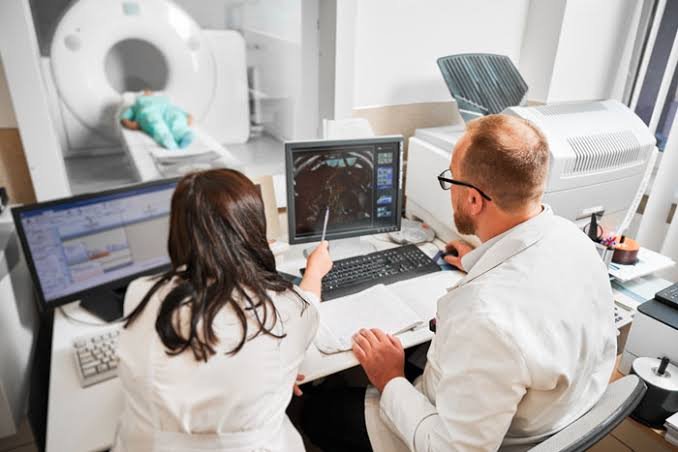
Why are MRIs so expensive is a question almost everyone asks after seeing a bill for a single scan that can run into thousands of dollars.
An MRI machine itself can cost millions to buy and install, and that price tag trickles down into what patients ultimately pay. Add in electricity, cooling systems, specialized staff, and insurance negotiations, and the final number starts to make more sense.
What Makes MRI Machines So Costly to Begin With
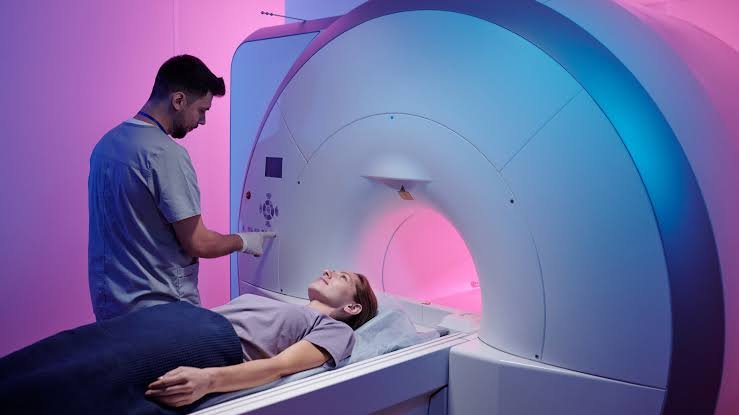
The price of an MRI scan starts with the machine itself, long before a patient ever lies down on the table.
Understanding this upfront cost explains a large part of what you see on your bill.
The Machine Purchase Price
A new MRI scanner can cost anywhere from $150,000 for a low-field used unit to $3 million for a state-of-the-art 3 Tesla machine. Higher magnetic field strength generally means a higher price tag.
A simple rule many providers use is multiplying the magnet’s Tesla strength by one million dollars.
The Custom Room and Installation
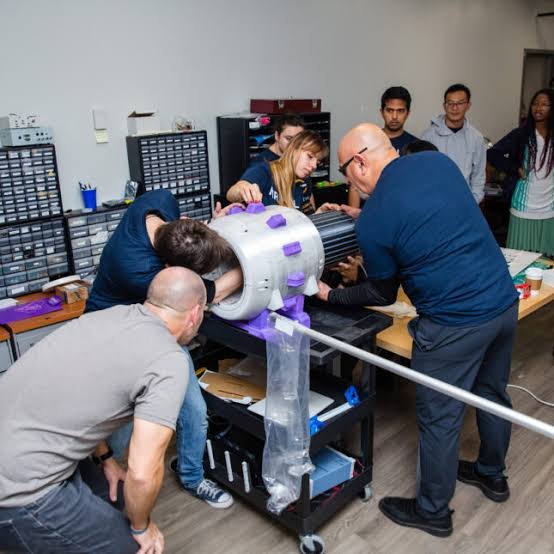
MRI machines cannot sit in a regular room; they require a shielded suite built specifically to contain the magnetic field. Installation and room construction alone can add $2 million to $5 million to the total setup.
Safety features must also protect staff and patients standing just outside the room.
Superconducting Magnets and Liquid Helium
The core of an MRI machine relies on superconducting wire cooled with liquid helium to near absolute zero. This cooling process must run continuously, since MRI machines cannot simply be switched off like other equipment.
Helium is a limited, expensive resource, which adds to ongoing operating costs.
Ongoing Costs That Keep MRI Prices High
Buying the machine is only the beginning. Several recurring expenses keep the cost of running an MRI scanner high year after year.
These costs get passed along through the price of every scan performed.
Electricity and Cooling
An average MRI scan uses close to 20 kWh of electricity, far more than most household appliances use in a day. Because the machine runs continuously, energy costs add up significantly over a year.
Cooling systems also run nonstop to maintain the superconducting magnet.
Maintenance and Service Contracts
MRI machines require specialized technicians for repairs and routine upkeep. Many facilities pay for service contracts ranging from $5,000 to $25,000 per month to cover parts and emergency repairs.
These contracts help avoid unpredictable, even higher repair bills.
Specialized Staff Training
Operating an MRI machine and interpreting the images requires years of specialized education. A radiographer typically needs three to six years of study, while a radiologist needs over a decade of training.
This expertise is factored directly into the professional fee on your bill.
Limited Manufacturer Competition
Only a handful of companies manufacture MRI machines worldwide, which limits competitive pricing. With fewer options, hospitals and imaging centers have less negotiating power on equipment costs.
This lack of competition contributes to consistently high purchase prices.
MRI Cost Breakdown: Where Your Money Actually Goes
Your MRI bill is not just one flat charge. It typically combines several separate fees into a single total.
| Cost Component | What It Covers | Approximate Share of Bill |
|---|---|---|
| Technical fee | Equipment use, facility overhead | 60–70% |
| Professional fee | Radiologist’s interpretation of images | 15–20% |
| Facility fee | Hospital or center operating costs | 10–15% |
| Contrast dye (if used) | Additional imaging material | 5–10% |
Why Hospital MRIs Cost More Than Imaging Centers
The exact same MRI scan can cost drastically different amounts depending on where you get it done.
Hospitals typically charge more due to higher overhead and facility fees.
Hospital-Based MRI Pricing
Hospitals often add facility fees to cover emergency services, administrative costs, and broader infrastructure. These charges apply even if your MRI has nothing to do with an emergency visit.
This is why the same scan can cost two to three times more at a hospital.
Freestanding Imaging Center Pricing
Independent imaging centers typically have lower overhead since they focus solely on diagnostic scans. Many offer self-pay discounts that can reduce costs by 50 to 70 percent compared to hospitals.
Choosing an outpatient center is one of the simplest ways to cut your MRI expense.
Average MRI Cost by Body Part and Setting
MRI pricing varies not just by location but also by which part of the body is being scanned.
| Body Part Scanned | Imaging Center Cost Range | Hospital Cost Range |
|---|---|---|
| Brain | $400 – $1,200 | $1,500 – $4,000 |
| Knee or joint | $300 – $1,000 | $1,200 – $3,500 |
| Spine | $500 – $1,500 | $1,800 – $4,500 |
| Abdomen | $500 – $1,600 | $2,000 – $5,000 |
| Full body | $1,000 – $3,000 | $3,000 – $8,000 |
How Insurance Affects What You Pay for an MRI
Insurance plays a major role in determining your final out-of-pocket cost for an MRI scan.
The amount you pay depends heavily on your deductible, copay, and network status.
In-Network vs. Out-of-Network Pricing
Insurance companies negotiate discounted rates with in-network providers, which significantly lowers your cost. Going out-of-network can mean paying the full, undiscounted price.
Always confirm network status before scheduling your scan.
High-Deductible Health Plans
If you have not met your deductible yet, you may be responsible for the entire negotiated cost of the MRI. This can still result in a bill of several hundred to a few thousand dollars.
Checking your deductible status beforehand helps you plan financially.
Uninsured and Self-Pay Patients
Patients without insurance often face the highest listed prices unless they specifically ask about self-pay discounts. Many facilities offer reduced cash rates that are not advertised upfront.
Always ask directly about self-pay pricing before booking.
Ways to Reduce the Cost of Your MRI
There are several practical strategies patients can use to lower what they ultimately pay for an MRI scan.
These steps can add up to significant savings, especially for uninsured or high-deductible patients.
Compare Prices Between Facilities
Costs for the same scan can vary by thousands of dollars between providers in the same city. Calling a few local imaging centers for quotes is well worth the time.
Choose an Outpatient Imaging Center
As mentioned earlier, standalone imaging centers are typically far cheaper than hospital-based radiology departments. This is often the single biggest cost-saving choice you can make.
Ask About Self-Pay or Cash Discounts
Many facilities offer significantly reduced rates for patients who pay directly instead of billing insurance. It never hurts to ask before your appointment.
Use a Health Savings Account
If you have an HSA or FSA, using those pre-tax funds can effectively reduce your real cost. This makes the expense easier to absorb financially.
Negotiate the Final Bill
Some providers are willing to negotiate the price after the fact, especially for uninsured patients. Asking for an itemized bill and requesting a lower rate can sometimes work.
MRI Cost-Saving Checklist
| Strategy | Potential Savings |
|---|---|
| Choose imaging center over hospital | 50–70% lower cost |
| Ask about self-pay discount | 20–40% lower cost |
| Compare multiple providers | 10–30% lower cost |
| Confirm in-network status | Avoids full out-of-network price |
| Negotiate the bill afterward | Varies by provider |
Why MRI Prices Vary So Much Across the Country
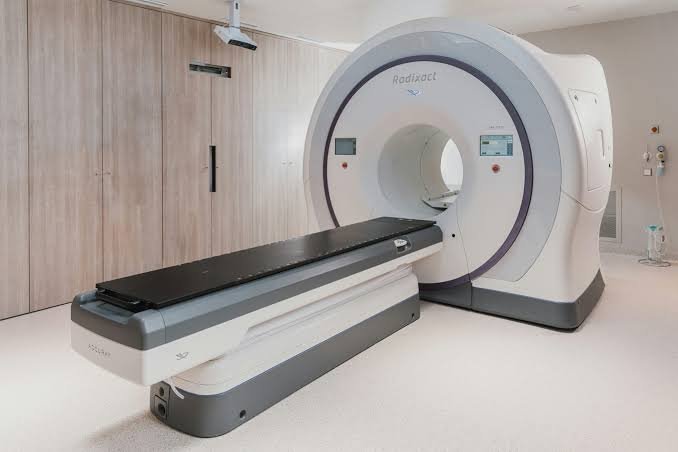
MRI pricing is not standardized, which leads to wide variation depending on location and provider type.
According to Medicare data, MRI charges have ranged from around $474 on the low end to over $13,000 for the same type of scan in different regions. This inconsistency stems from differing overhead costs, regional demand, and negotiated insurance rates.
Rural areas sometimes see lower prices due to less demand, while urban hospital systems often charge significantly more because of higher operating costs.
Is an Expensive MRI Always Worth It
A higher price does not automatically mean better image quality or a more accurate diagnosis.
What matters more is the machine’s Tesla strength, the technician’s experience, and the radiologist’s expertise in reading the results. A well-run outpatient center with a properly calibrated machine can deliver results just as reliable as an expensive hospital scan.
Always prioritize accreditation and reviews over price alone when choosing where to get scanned.
Frequently Asked Questions (FAQs)
1. Why does an MRI cost thousands of dollars?
The high price reflects the machine’s multi-million dollar cost, ongoing maintenance, and specialized staff needed to operate it. These expenses get built into every scan performed.
2. Why are MRIs more expensive than X-rays?
MRI machines are far more complex and costly to build, maintain, and operate than X-ray equipment. They also require continuous cooling and superconducting magnets that X-rays do not need.
3. Why do hospitals charge more for MRIs than imaging centers?
Hospitals add facility fees to cover broader operating costs beyond just the scan itself. Standalone imaging centers have lower overhead and often charge significantly less.
4. Can I negotiate the price of an MRI?
Yes, many providers will negotiate, especially with uninsured or self-pay patients. It is always worth asking for a discount before or after your scan.
5. Why does MRI pricing vary so much between providers?
Pricing depends on location, facility type, equipment cost, and insurance negotiations. There is no standardized national rate for MRI scans.
6. Does insurance cover the full cost of an MRI?
Coverage depends on your specific plan, deductible, and whether the provider is in-network. Some patients still owe a significant amount out of pocket.
7. Are open MRI machines cheaper than closed MRI machines?
Open MRI scans can sometimes cost less, though image quality may be slightly lower for certain scans. Pricing still varies by provider regardless of machine type.
8. Why do MRI machines use so much electricity?
The superconducting magnets require constant cooling, and the machine cannot be powered off between scans. This continuous operation significantly raises energy costs.
9. Is a cheaper MRI less accurate?
Not necessarily; price often reflects overhead costs rather than image quality. Accreditation and technician skill matter more than the price tag.
10. What is the average cost of an MRI in the United States?
Recent data shows the average MRI cost is around $2,611, though prices can range from a few hundred to over $10,000 depending on location and body part scanned.
Conclusion
MRIs are expensive largely because of the enormous upfront cost of the machines themselves, which can run into millions of dollars once installation and specialized rooms are included.
Ongoing expenses like electricity, cooling, maintenance contracts, and highly trained staff continue to drive up the price of every scan performed.
Where you choose to get your MRI matters just as much as your insurance coverage, since hospital-based scans often cost far more than outpatient imaging centers for the exact same procedure.
Comparing prices, asking about self-pay discounts, and confirming your insurance network status are simple steps that can meaningfully lower your bill. While the cost can feel overwhelming, understanding what drives these prices makes it easier to make informed, budget-conscious decisions the next time your doctor recommends a scan.


