



Why is my tongue itchy? That odd, hard-to-scratch sensation can range from a mild annoyance to a sign your body is reacting to something specific.
In most cases, an itchy tongue traces back to a food-related allergy, a mild irritation, or a minor infection, and it clears up quickly once the trigger is identified. In rarer cases, it can be an early warning sign of a more serious allergic reaction that needs immediate attention.
Quick Answer: Top Causes of an Itchy Tongue
Before going in depth, here’s a fast overview of what’s usually behind tongue itchiness.
| Category | Common Cause | Needs Urgent Care? |
|---|---|---|
| Allergy | Oral Allergy Syndrome (pollen-food) | Usually No |
| Allergy | True food allergy | Sometimes Yes |
| Allergy | Contact allergy (toothpaste, dental work) | No |
| Infection | Oral thrush (candidiasis) | No |
| Injury | Bite, burn, or piercing irritation | No |
| Medical | Dry mouth or nutritional deficiency | No |
| Emergency | Anaphylaxis with swelling or breathing trouble | Yes |
If itching is paired with swelling, hives, or trouble breathing, treat it as a medical emergency rather than something to wait out, since prompt action in these situations can make a meaningful difference in outcome.
Oral Allergy Syndrome: The Most Common Cause

Oral Allergy Syndrome, also called Pollen-Food Syndrome, is behind the majority of itchy tongue cases reported by adults.
How Oral Allergy Syndrome Works
People with pollen allergies, especially to birch, ragweed, or grass, sometimes react to raw fruits, vegetables, and nuts because their proteins closely resemble the pollen proteins the immune system is already primed to attack.
This cross-reaction causes an itchy or tingling sensation, usually limited to the mouth, tongue, and throat.
Common Trigger Foods
Frequent culprits include fruits like apples, cherries, bananas, and peaches, along with vegetables such as tomatoes, carrots, and celery, plus certain nuts and seeds.
Not every person reacts to the same foods, since it depends on which specific pollen allergy you have, and reactions can even shift slightly from year to year as pollen sensitivities change.
Why Cooking the Food Often Helps
The proteins responsible for the reaction are broken down by heat, so many people with Oral Allergy Syndrome can eat the same foods cooked or canned without any symptoms.
This is one of the clearest signs that OAS, rather than a true food allergy, is the underlying cause.
True Food Allergies
Unlike Oral Allergy Syndrome, a true food allergy involves the immune system reacting more broadly, not just in the mouth.
How Food Allergies Differ From OAS
Food allergies can affect the skin, digestive system, and respiratory system, not just the mouth, and symptoms don’t disappear just because the food is cooked.
Common triggers include peanuts, tree nuts, shellfish, dairy, soy, and eggs.
Recognizing a Food Allergy Reaction
Itching in the tongue or mouth is often the first sign, sometimes followed by hives, swelling, stomach upset, or difficulty breathing within minutes of eating.
Any reaction that spreads beyond the mouth or worsens quickly should be treated as a medical emergency.
Contact Allergies in the Mouth
Sometimes the itch has nothing to do with food at all, but with something touching your mouth directly.
Ingredients in toothpaste, mouthwash, dental materials, lip balm, or certain medications can trigger a localized allergic reaction on the tongue and inside the mouth.
If your itchy tongue started around the same time you switched oral care products, that timing is a strong clue worth investigating first.
Oral Thrush (Candidiasis)
Oral thrush is a fungal infection caused by an overgrowth of yeast that normally lives in the mouth in small amounts.
Signs of Oral Thrush
Along with an itchy or sore tongue, thrush typically produces creamy white patches on the tongue or inside the cheeks that can resemble cottage cheese.
It’s more common in babies, older adults, people with weakened immune systems, and those using inhaled steroids or recent antibiotics.
Why It Causes Itching
The yeast overgrowth irritates the delicate tissue of the tongue, leading to itching, soreness, and sometimes a burning sensation while eating or drinking.
Thrush usually requires an antifungal treatment prescribed by a doctor or dentist rather than resolving on its own.
Injury and Irritation
Sometimes the explanation is much simpler and mechanical rather than allergic or infectious.
Biting or Burning the Tongue
Accidentally biting your tongue while eating, or burning it on hot food or drink, can cause temporary itching and tenderness as the tissue heals.
This type of itch usually fades within a few days without any specific treatment.
Tongue Piercings
Piercings can irritate the surrounding tissue, especially in the days following the procedure or if there’s a mild infection developing around the jewelry.
Persistent itching, swelling, or discharge around a piercing site should be checked by a professional.
Dry Mouth
A dry mouth environment can make the tongue feel itchy, rough, or uncomfortable even without an infection or allergy present.
Reduced saliva flow, whether from dehydration, certain medications, or a condition like Sjögren’s syndrome, removes the natural moisture and protection saliva normally provides.
Staying hydrated and addressing the underlying cause of dry mouth often resolves this type of itchiness.
Nutritional Deficiencies
Certain vitamin and mineral deficiencies can affect the health and sensation of your tongue over time.
Low levels of B vitamins, iron, or zinc have been linked to tongue discomfort, including itching, soreness, or a burning sensation in some people.
A blood test can confirm whether a deficiency is contributing to your symptoms, especially if the itch is chronic and unexplained.
Hormonal Changes
Hormonal shifts can occasionally play a role in mouth sensations that are otherwise hard to explain.
Some people report temporary tongue itching or irritation during pregnancy or menopause, likely related to broader hormonal changes affecting oral tissue.
This type of itching is usually mild and tends to resolve once hormone levels stabilize, though it’s still worth mentioning at a routine checkup if it persists or feels unusually bothersome.
Oral Allergy Syndrome vs. True Food Allergy: Quick Comparison

Since these two causes are frequently confused, this table highlights the key differences.
| Feature | Oral Allergy Syndrome | True Food Allergy |
|---|---|---|
| Where symptoms occur | Mouth, tongue, throat only | Can affect skin, gut, lungs |
| Reaction to cooked food | Usually none | Often still reacts |
| Onset | Almost immediately after eating | Minutes after eating |
| Severity | Usually mild | Can be mild to severe |
| Risk of anaphylaxis | Low | Higher, especially with nuts or shellfish |
If you’re unsure which one you’re dealing with, an allergist can run specific tests to confirm the cause.
Why Does the Tip of My Tongue Itch Specifically?
This is one of the most searched variations of this topic, and it usually points to a more localized trigger.
The tip of the tongue often makes first contact with food, drinks, or oral care products, making it more likely to react first to a contact or food-related irritant.
If only the tip itches and the rest of your mouth feels normal, contact allergy or a specific trigger food is often a more likely explanation than a broader systemic reaction.
Why Does My Tongue Itch After Eating Certain Foods?
Since food-related triggers are so common, this pattern deserves its own explanation.
If itching starts within minutes of eating raw fruits, vegetables, or nuts and fades on its own, Oral Allergy Syndrome is the most likely explanation.
If itching is paired with swelling, hives, or symptoms beyond the mouth, treat it as a possible true food allergy and seek medical guidance, especially before eating that food again.
Why Does My Tongue Itch at Night?
Nighttime itching is another common variation worth addressing separately.
Reduced saliva production while sleeping can dry out the mouth, making the tongue feel itchier or rougher by morning, especially for mouth breathers.
If nighttime itching is a regular pattern, addressing dry mouth through hydration or a humidifier is a reasonable first step.
How to Relieve an Itchy Tongue at Home
For mild, non-emergency cases, these steps often bring quick relief.
Step 1: Identify and Avoid the Trigger
Think back to what you ate, drank, or used in your mouth right before the itching started, since this is often the fastest way to identify the cause.
Keeping a simple food and symptom diary can help you spot patterns over time.
Step 2: Rinse With Cool Water
A cool water rinse can help soothe mild irritation and wash away any remaining allergen or irritant from the surface of the tongue.
Avoid extremely cold or hot rinses, since temperature extremes can sometimes worsen sensitivity.
Step 3: Try an Antihistamine for Mild Allergic Reactions
An over-the-counter antihistamine can help calm mild allergic itching, especially if it’s related to Oral Allergy Syndrome or a mild contact allergy.
Always follow dosing instructions and check with a pharmacist if you’re unsure which option is appropriate.
Step 4: Switch Oral Care Products
If a contact allergy is suspected, switch to a fragrance-free, sensitive-formula toothpaste and mouthwash to see if symptoms improve.
Reintroduce products one at a time afterward to help pinpoint the exact trigger if needed.
Step 5: Stay Hydrated
Drinking enough water throughout the day supports healthy saliva production, which helps protect and soothe the tissue of the tongue.
This is especially helpful if dry mouth is contributing to the itching.
Step 6: See a Doctor for Persistent or Recurring Symptoms
If home care doesn’t help within a few days, or if the itching keeps coming back, a doctor or allergist can run tests to identify the exact cause.
This is especially important if you suspect a true food allergy rather than a mild oral allergy.
Treatment Options by Cause
| Cause | Typical Treatment |
|---|---|
| Oral Allergy Syndrome | Avoid raw trigger foods or cook them; antihistamines for symptoms |
| True food allergy | Avoidance of the allergen; emergency epinephrine if severe |
| Contact allergy | Switch oral care products; identify and avoid the specific ingredient |
| Oral thrush | Prescription antifungal medication |
| Dry mouth | Increased hydration; treating the underlying cause |
| Nutritional deficiency | Supplementation and dietary changes based on blood test results |
A confirmed diagnosis makes treatment far more effective than guessing, especially for allergy-related causes.
When to See a Doctor
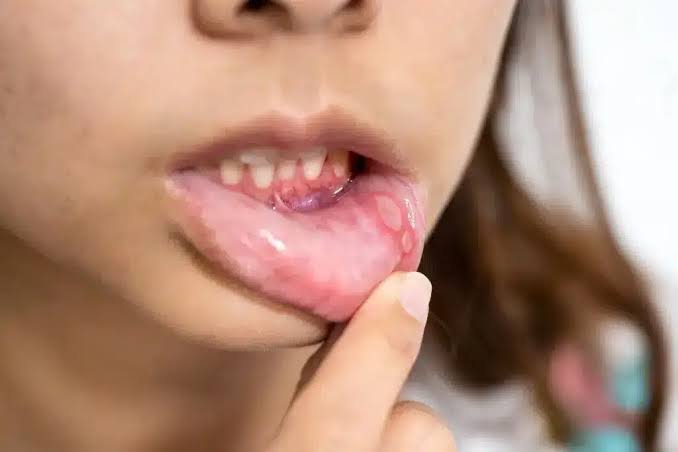
Certain patterns and symptoms mean it’s time to move beyond home care.
See a doctor if itching is persistent, recurring, or paired with visible white patches, soreness, or symptoms that suggest a nutritional deficiency or infection.
Also seek medical care if you suspect a true food allergy, especially if you’ve never been formally diagnosed, since testing can help you avoid a more serious reaction in the future.
Emergency Warning Signs
Some symptoms require immediate emergency care rather than a scheduled appointment.
Seek emergency medical care right away if tongue itching is accompanied by swelling of the lips, tongue, or throat, difficulty breathing, hives spreading across the body, or a rapid heartbeat, since these can signal anaphylaxis.
Anaphylaxis is a life-threatening allergic reaction, and anyone experiencing these combined symptoms should use an epinephrine auto-injector if available and call emergency services immediately rather than waiting to see if symptoms improve on their own.
Diagnostic Tests a Doctor May Use
Understanding what to expect can make a medical visit feel less uncertain.
| Test | What It Detects |
|---|---|
| Skin prick allergy test | Identifies specific pollen or food allergies |
| Blood allergy test | Measures immune response to specific allergens |
| Oral swab or culture | Confirms oral thrush or other infections |
| Blood tests for nutrients | Checks B vitamin, iron, and zinc levels |
Your doctor will typically start with a detailed symptom history before deciding which specific tests make the most sense for your situation, and results often guide a clear treatment plan within one or two visits.
Prevention Checklist
Once the current cause is identified, these habits help reduce the chance of recurring itchiness.
| Habit | Why It Helps |
|---|---|
| Keep a food and symptom diary | Helps identify specific triggers over time |
| Cook trigger fruits and vegetables | Reduces reaction from Oral Allergy Syndrome |
| Use fragrance-free oral care products | Lowers risk of contact allergy reactions |
| Stay well hydrated | Supports healthy saliva and reduces dry mouth |
| Get tested if reactions are unclear | Confirms exact allergens for safer avoidance |
| Carry an epinephrine auto-injector if prescribed | Provides fast treatment for severe reactions |
Consistent tracking and avoidance of known triggers does more to prevent future flare-ups than treating symptoms after they appear, and it also gives your doctor clearer information if testing ever becomes necessary.
Geographic Tongue and Itchiness
Geographic tongue is a harmless condition that can sometimes cause itching or sensitivity, and it’s worth knowing about since it’s often mistaken for something more serious.
This condition causes irregular, map-like patches on the tongue’s surface where the normal small bumps are temporarily missing.
While usually painless, some people experience mild itching, burning, or sensitivity to spicy or acidic foods when patches are active, and symptoms tend to come and go over time.
Medication Side Effects
Certain medications can cause an itchy or unusual sensation in the mouth as a side effect rather than a true allergic reaction.
Some blood pressure medications, antibiotics, and other prescription drugs have been associated with changes in taste, dryness, or tongue irritation in some users.
If your itchy tongue started around the same time as a new prescription, mention this timing to your prescribing doctor rather than assuming it’s unrelated.
Stress and Anxiety
While less commonly discussed, stress and anxiety can sometimes manifest as unusual physical sensations, including mouth and tongue discomfort.
Anxiety can contribute to dry mouth, teeth grinding, or increased awareness of normal bodily sensations, all of which might make a mild tongue itch feel more noticeable or bothersome.
This doesn’t mean stress is the direct cause of itching, but it can be a contributing factor worth mentioning if other causes have been ruled out.
Seasonal Patterns and Itchy Tongue
Many people notice their itchy tongue symptoms follow a seasonal pattern, and understanding this connection can help with prevention.
Since Oral Allergy Syndrome is closely tied to pollen allergies, symptoms often worsen during specific pollen seasons, such as spring for tree pollen or late summer for ragweed.
Tracking whether your symptoms line up with a particular season can help confirm whether pollen-related cross-reactivity is the underlying cause.
Children and Itchy Tongue
Itchy tongue symptoms in children deserve slightly different consideration than in adults.
Oral thrush is particularly common in infants and young children, while food allergies often first appear during early childhood as new foods are introduced.
Any child experiencing tongue itching alongside swelling, difficulty breathing, or refusal to eat should be seen by a pediatrician promptly, since children can react more unpredictably to allergens than adults.
Frequently Asked Questions (FAQs)
Why does my tongue itch after eating fruit?
This is often Oral Allergy Syndrome, caused by proteins in raw fruit resembling pollen proteins your immune system already reacts to.
Is an itchy tongue always an allergic reaction?
No, it can also stem from infections like oral thrush, dry mouth, minor injuries, or nutritional deficiencies.
Can toothpaste cause my tongue to itch?
Yes, certain ingredients in toothpaste or mouthwash can trigger a contact allergy, especially with a recent product switch.
When is an itchy tongue a medical emergency?
It’s an emergency if paired with swelling, difficulty breathing, hives, or a rapid heartbeat, since these can signal anaphylaxis.
Does cooking food prevent Oral Allergy Syndrome symptoms?
Yes, heat breaks down the triggering proteins, so many people can eat the same food cooked without reacting.
Can oral thrush cause an itchy tongue?
Yes, this fungal infection irritates the tongue’s tissue, often alongside creamy white patches inside the mouth.
Why does only the tip of my tongue itch?
The tip often makes first contact with food or oral care products, making it more prone to localized contact reactions.
Can dry mouth make my tongue feel itchy?
Yes, reduced saliva removes natural moisture and protection, making the tongue feel rough or itchy.
Should I see an allergist for a recurring itchy tongue?
Yes, especially if you suspect a true food allergy, since testing can confirm exact triggers and reduce future risk.
Can vitamin deficiencies cause tongue itching?
Yes, low B vitamins, iron, or zinc have been linked to tongue discomfort, including itching and soreness.
Conclusion
So, why is your tongue itchy? In most cases, the answer comes down to a food-related allergy, especially Oral Allergy Syndrome, or a simple irritation from oral care products, dry mouth, or a minor injury.
Less commonly, it can signal oral thrush, a nutritional deficiency, or a true food allergy that needs closer medical attention. Paying attention to timing, whether symptoms follow a specific food or product, and whether they stay limited to the mouth, helps narrow down the likely cause.
If itching ever comes with swelling, hives, or trouble breathing, treat it as a medical emergency and seek help immediately. For everything else, identifying your specific trigger through simple tracking, and confirming it with a doctor or allergist if needed, is the most reliable path to lasting relief.


