


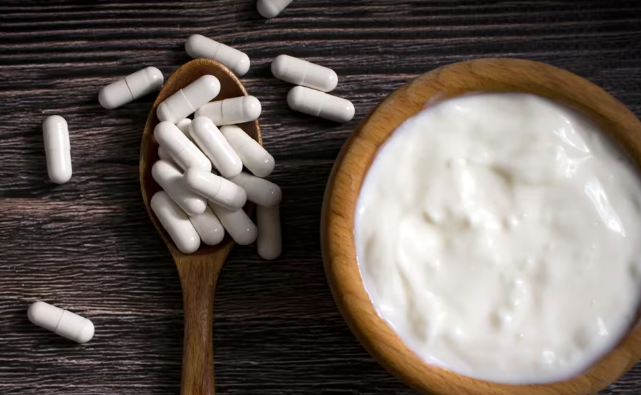
Probiotics have become a common part of daily wellness routines, yet many people still feel unsure about when to take them. Should you take probiotics in the morning or at night? Do they work better before food, with a meal or on an empty stomach?
The answer depends on the probiotic strains, capsule design and product instructions. There is no single timing rule that applies to every supplement. For most people, the best time to take probiotics is the time recommended on the label and the time they can follow consistently.
Probiotics are live microorganisms that may provide health benefits when consumed in adequate amounts. However, different strains can work differently, so timing, dosage and formulation all matter.
What Is the Best Time to Take Probiotics?
The best time to take probiotics depends on the specific product. Some manufacturers recommend taking them before meals, while others suggest taking them with food.
Research on one probiotic formulation found that bacterial survival was highest when people took it with a meal or around 30 minutes before eating. Survival was lower when the probiotic was taken 30 minutes after the meal.
However, this was one laboratory study from PubMed involving specific organisms and conditions, so the result should not be treated as a universal rule for every product. A practical approach is simple:
- Read the product label.
- Follow the recommended dosage.
- Choose a time you can maintain daily.
- Avoid changing the schedule repeatedly.
Consistency usually matters more than choosing an exact hour.
Should You Take Probiotics in the Morning or at Night?
Both morning and night can work. One is not automatically better than the other. Your routine, meal timing and product instructions should guide your decision.
Benefits of Taking Probiotics in the Morning
Morning may be the most convenient time if you already take supplements with breakfast. Connecting the probiotic to an established routine can help you remember it every day. Morning use may suit you when:
- The label recommends taking it before breakfast.
- You eat breakfast at a regular time.
- You find it easier to remember supplements early in the day.
- The probiotic causes no discomfort when taken in the morning.
Take the capsule with room-temperature water unless the label says otherwise. Avoid swallowing it with very hot tea or coffee, as heat may affect live microorganisms in some probiotic products.
When Taking Probiotics at Night May Be Better
Night-time use may suit people who skip breakfast or have a more predictable evening routine. You may also prefer the evening if your product requires a dose before dinner.
Taking probiotics before bed does not necessarily improve their effectiveness. There is not enough evidence to say that all probiotics work better at night. Choose the evening only when it matches the label instructions and helps you stay consistent.
Should You Take Probiotics Before or After Food?
Meal timing may affect how well some probiotic organisms survive stomach acid. Food can temporarily reduce stomach acidity and provide a more protective environment.
However, probiotic products differ. Some contain acid-resistant capsules, while others contain strains that tolerate stomach conditions better.
Taking Probiotics Before a Meal
Many products recommend taking probiotics shortly before eating. This may allow the capsule to enter the stomach as food begins to reduce acidity.
One study found better survival when a probiotic was taken with food or 30 minutes before a meal than when it was taken afterward. Taking a probiotic before a meal may be suitable when:
- The label specifically recommends it.
- The capsule is designed for pre-meal use.
- You can follow the schedule without missing doses.
Taking Probiotics With a Meal
Some probiotic supplements may be taken with food. A meal may help buffer stomach acid and support the survival of certain bacteria.
Food type may also make a difference. Laboratory research has found that some probiotics survive simulated digestion better with foods such as porridge than with acidic drinks such as juice.
This does not mean you must eat a specific meal with every probiotic. It simply shows why food and formulation can influence survival.
Taking Probiotics After a Meal
Taking probiotics after food may still be appropriate when the label recommends it. However, do not assume that after-meal use is always best.
If the manufacturer advises taking the supplement before or with food, follow that guidance. The product may have been designed and tested around those instructions.
Can You Take Probiotics on an Empty Stomach?
You can take some probiotics on an empty stomach, but this does not apply to every formula.
An empty stomach can be more acidic, which may reduce the survival of sensitive probiotic organisms. On the other hand, delayed-release or acid-resistant capsules may protect their contents until they reach the intestine. Use these checks:
- Read whether the label says “empty stomach,” “before meals” or “with food.”
- Check whether the capsule is enteric-coated or delayed-release.
- Notice whether taking it without food causes discomfort.
- Ask a healthcare professional when you remain unsure.
Do not follow a general online rule when your product provides specific directions.
When Should You Change the Timing?
Some people notice mild gas or bloating when they begin a probiotic, especially when the formula also contains prebiotic fibre. You may consider changing the timing when:
- The product causes discomfort on an empty stomach.
- You repeatedly forget the dose.
- Your meals do not match the recommended schedule.
- A healthcare professional advises a different routine.
Do not keep experimenting for weeks when symptoms become severe or persistent. Stop and seek professional advice if you develop significant pain, vomiting, allergic symptoms or worsening digestive problems.
A study from NCCIH reveals that people who are seriously ill or have weakened immune systems may face a higher risk of complications from probiotics and should seek medical guidance before using them.
How Does ZeroHarm Gut Army Fits Into a Daily Routine?
ZeroHarm Gut Army combines ten probiotic strains with inulin as a prebiotic ingredient. According to the current product directions, users should take two capsules daily, 30 minutes before breakfast and dinner. Check the latest product label before use because instructions can change.
The formula may suit people looking for probiotic and prebiotic support in one product. However, it should complement a balanced diet, adequate fibre, hydration, physical activity and healthy sleep.
For more guidance on comparing probiotic formulations, read ZeroHarm’s guide to the best probiotic capsules for bloating.
Final Thoughts
The best time to take probiotics is not automatically morning, night or bedtime. It depends on the strains, capsule design, meal instructions and your daily routine.
Start with the product label. Some probiotics may work best shortly before or with food, while delayed-release formulas may offer greater flexibility. Take the correct dose, store the product properly and follow a consistent schedule.
Probiotics should support, not replace a balanced diet and appropriate medical care. Speak with a healthcare professional when digestive symptoms persist or when you have underlying health concerns.


