



Why is my tongue orange is a question that can feel alarming the first time you notice it in the mirror, but in most cases the cause is completely harmless.
Certain foods, drinks, medications, and everyday oral hygiene habits are the most common reasons behind an orange tongue. In rarer cases, it can point to something like oral thrush, dry mouth, or a nutrient imbalance that deserves a closer look.
What a Healthy Tongue Should Look Like
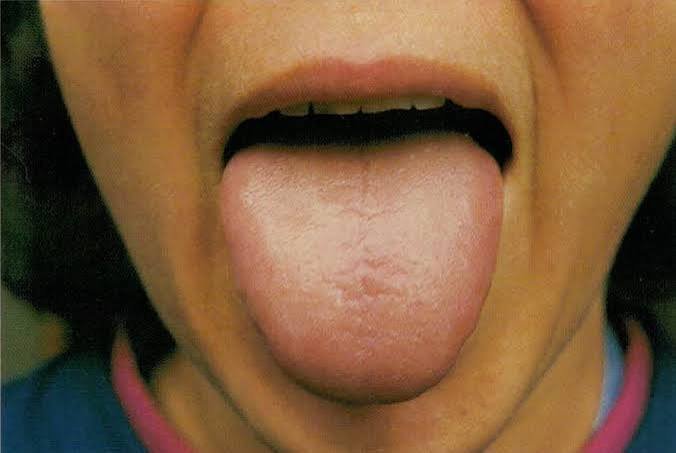
A healthy tongue is typically light to medium pink, moist, and covered in small bumps called papillae.
Some natural variation in color and texture is normal from person to person and even from day to day.
Noticing a change from your tongue’s usual color, especially an orange tint, is what typically prompts people to search for answers.
Comparing your tongue’s current appearance to how it usually looks is a helpful first step before assuming something is wrong.
Foods and Drinks That Stain the Tongue
The most common and harmless cause of an orange tongue is simply something you recently ate or drank.
Orange-colored candies, popsicles, gelatin, and drinks with artificial food coloring can temporarily stain the tongue’s surface.
Coffee, tea, and other richly pigmented beverages can also leave a temporary orange or yellow-orange tint behind.
This type of staining usually fades on its own within a few hours, especially after brushing or drinking water.
Carotenemia From Beta Carotene
Carotenemia is a harmless condition caused by eating large amounts of foods rich in beta carotene.
Beta carotene is the pigment responsible for the orange color in carrots, sweet potatoes, pumpkins, mangoes, papayas, and cantaloupe.
Eating these foods in excess over time can cause a buildup of the pigment in the skin and tongue.
This condition is most common in infants and young children who eat large amounts of pureed carrots or sweet potatoes.
Carotenemia vs Jaundice
Carotenemia can sometimes be mistaken for jaundice, since both conditions can cause a yellow-orange skin tone.
The key difference is that jaundice also affects the whites of the eyes, turning them yellow, while carotenemia does not.
If you notice yellowing in the eyes along with an orange tongue or skin tone, this is a sign to see a doctor promptly.
Carotenemia alone, without eye involvement, is generally considered harmless and resolves once beta carotene intake is reduced.
Poor Oral Hygiene
Poor oral hygiene is one of the most frequently cited causes of an orange or discolored tongue.
When food particles, bacteria, and dead cells are not regularly cleaned away, they can build up on the tongue’s surface.
This buildup, combined with certain foods or drinks, can create a yellowish-orange coating across the tongue.
Brushing the tongue regularly, not just the teeth, helps prevent this type of buildup from forming.
Oral Thrush and Candida Overgrowth
Oral thrush is a fungal infection caused by an overgrowth of Candida, a yeast that naturally lives in the mouth.
This overgrowth can cause the tongue to appear white, yellow, green, or orange, depending on the individual case.
People with weakened immune systems, those taking steroid medications, and infants are more prone to developing oral thrush.
Thrush can also cause discomfort, a cottony feeling in the mouth, or difficulty tasting food properly.
Dry Mouth and Xerostomia
Dry mouth, medically known as xerostomia, reduces the amount of saliva available to naturally clean the mouth.
Without enough saliva, bacteria can accumulate more easily on the tongue’s surface, contributing to discoloration.
Xerostomia is a common side effect of many medications, including antihistamines, antidepressants, and blood pressure medications.
Staying hydrated and using saliva-stimulating products can help reduce dry mouth symptoms and related tongue discoloration.
Medications That Can Cause an Orange Tongue
Certain medications contain compounds or dyes that can temporarily turn the tongue orange.
Rifampin, an antibiotic commonly used to treat tuberculosis, is one well-documented example of a medication causing this effect.
This type of discoloration is usually temporary and fades once the medication is stopped or after brushing and drinking water.
If you suspect a medication is causing tongue discoloration, do not stop taking it without first speaking to your doctor.
Tobacco Use
Smoking or chewing tobacco can contribute to an orange, yellow, or brown discoloration of the tongue over time.
Tobacco use also increases the risk of dry mouth, which further contributes to bacterial buildup and tongue discoloration.
Reducing or quitting tobacco use often leads to a noticeable improvement in tongue color and overall oral health.
Persistent discoloration in long-term tobacco users should also be evaluated by a dentist to rule out other oral health concerns.
Nutritional Deficiencies
Deficiencies in B vitamins, particularly B12 and B2, can contribute to changes in tongue color and texture.
Iron deficiency anemia is another nutritional factor that can affect the tongue’s normal pink appearance.
These deficiencies can sometimes cause a condition called glossitis, which involves inflammation and discoloration of the tongue.
Addressing the underlying nutritional deficiency, often with dietary changes or supplements, typically improves tongue appearance over time.
Common Causes at a Glance
| Cause | How Common | Usually Harmless |
|---|---|---|
| Food or drink staining | Very common | Yes |
| Carotenemia from beta carotene | Common | Yes |
| Poor oral hygiene | Very common | Yes |
| Oral thrush | Less common | Needs treatment |
| Dry mouth | Common | Yes, manage underlying cause |
| Medication side effect | Less common | Usually yes |
| Tobacco use | Common in users | Needs monitoring |
| Nutritional deficiency | Less common | Needs evaluation |
What Different Tongue Colors Can Mean
Comparing an orange tongue to other tongue color changes can help provide broader context for what your body might be signaling.
| Tongue Color | Possible Cause |
|---|---|
| White | Oral thrush, dehydration, or poor hygiene |
| Yellow | Dehydration, thrush, or liver-related issues |
| Orange | Diet, hygiene, thrush, or dry mouth |
| Red or purple | Vitamin B12 or folic acid deficiency |
| Black or brown | Tobacco use or certain medications |
How to Treat an Orange Tongue at Home
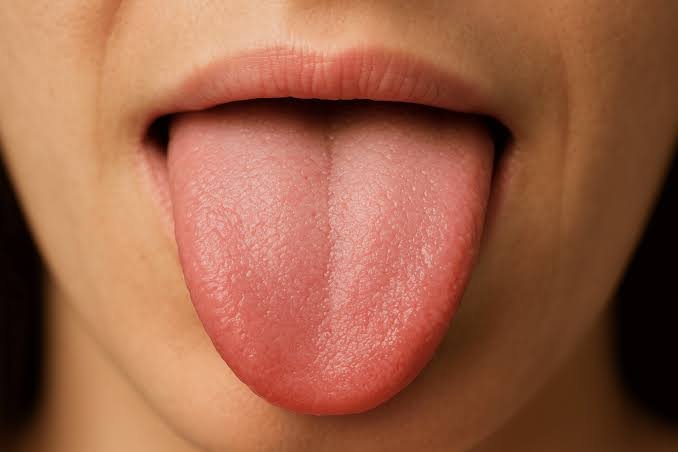
Improving your oral hygiene routine is the first and most effective step for most cases of an orange tongue.
Brushing your tongue gently with a toothbrush or using a dedicated tongue scraper removes bacteria and food debris that contribute to discoloration.
Staying well hydrated supports healthy saliva production, which naturally helps keep the mouth and tongue cleaner.
Reducing intake of heavily colored foods, drinks, and candies allows any temporary staining to fade more quickly.
Adjusting Your Diet
If carotenemia is suspected, gradually reducing high beta carotene foods can help the tongue return to its normal color over several weeks.
This does not mean eliminating these foods entirely, since they offer important nutritional value, but rather moderating portion sizes.
Balancing your diet with a wider variety of fruits and vegetables helps avoid excessive intake of any single pigment-rich food group.
Tongue color typically improves gradually rather than overnight once dietary adjustments are made.
When to See a Dentist or Doctor
An orange tongue accompanied by pain, swelling, or difficulty eating should be evaluated by a dentist or doctor.
Discoloration that persists for more than two weeks despite improved oral hygiene and dietary changes also warrants a professional opinion.
Signs of oral thrush, such as white patches alongside the orange discoloration, should be assessed and treated promptly.
Yellowing of the eyes alongside an orange tongue or skin tone should be treated as a reason to seek medical care right away.
What to Expect at a Dental Visit
A dentist will typically ask about your recent diet, oral hygiene habits, and any medications you are currently taking.
They will examine your tongue closely for texture, coating, and any additional signs like white patches or unusual sores.
If a fungal infection like thrush is suspected, they may prescribe an antifungal medication or refer you to a physician.
If the cause appears related to an underlying health condition, they may recommend follow-up care with your primary doctor.
Preventing Future Tongue Discoloration
Brushing your teeth and tongue twice a day remains one of the most effective ways to prevent discoloration from returning.
Using a tongue scraper as part of your daily routine helps remove bacteria that brushing alone may miss.
Staying hydrated throughout the day supports healthy saliva flow and reduces the risk of dry mouth related discoloration.
Moderating intake of heavily pigmented foods and drinks helps prevent temporary staining from becoming a frequent occurrence.
Orange Tongue in Infants and Young Children
Carotenemia is especially common in infants and toddlers who eat large amounts of pureed carrots, squash, or sweet potatoes.
Because baby food often relies heavily on these vegetables, young children are more likely to develop noticeably orange-tinted skin and tongues.
This is generally considered a harmless sign of a diet rich in vegetables rather than a cause for concern.
Pediatricians typically recommend simply diversifying the types of vegetables offered rather than eliminating any of them entirely.
Orange Tongue and Diabetes Connections
Some research has explored links between tongue coating color and metabolic conditions like diabetes and prediabetes.
Studies have found associations between yellow tongue coating and blood sugar irregularities, and orange tongue coloring can sometimes overlap with this pattern.
This connection does not mean an orange tongue confirms diabetes, but it may be worth mentioning during a routine checkup if other symptoms are present.
Fatigue, increased thirst, or frequent urination alongside tongue discoloration are symptoms worth discussing with a doctor.
The Role of Bacteria on the Tongue’s Surface
The tongue’s textured surface, covered in small bumps called papillae, naturally traps bacteria, food particles, and dead skin cells.
When this buildup is not regularly cleared away, it can combine with pigments from food or drink to create a more noticeable orange tint.
This is part of why tongue coating tends to look different first thing in the morning compared to right after brushing.
Gentle daily cleaning helps reduce this buildup without irritating the sensitive surface of the tongue.
Comparing Tongue Scrapers and Toothbrushes
A dedicated tongue scraper is generally more effective than a toothbrush alone at removing the thin layer of buildup responsible for discoloration.
Tongue scrapers are typically made of plastic or metal and are designed to gently pull debris forward and off the tongue’s surface.
Using a toothbrush to brush the tongue is still helpful and better than skipping tongue cleaning altogether.
Choosing whichever tool you are more likely to use consistently is often more important than which specific tool performs marginally better.
Mouthwash and Tongue Discoloration
Certain mouthwashes, particularly those containing chlorhexidine, can occasionally contribute to temporary tongue or tooth staining with prolonged use.
This type of staining is typically brown or yellow-brown rather than a true orange, but it can sometimes appear similar.
Switching mouthwash types or reducing frequency of use, after consulting a dentist, can help if staining is suspected to be mouthwash related.
Rinsing with water after using a staining mouthwash may help reduce the buildup of residue over time.
Hydration and Its Effect on Tongue Appearance
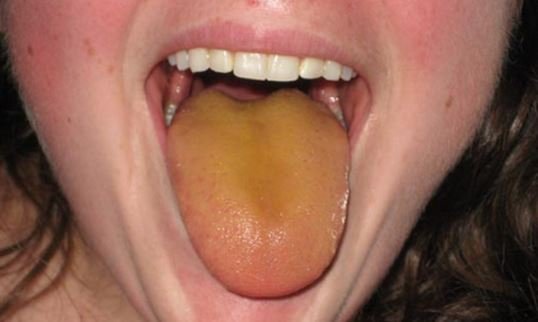
Adequate hydration supports healthy saliva production, which plays a key role in naturally cleaning the mouth throughout the day.
Dehydration can lead to a drier, more coated tongue surface, which may appear more discolored than a well-hydrated tongue.
Drinking water consistently throughout the day, rather than only when thirsty, helps maintain more stable saliva levels.
This simple habit supports not just tongue color but overall oral health and comfort.
Orange Tongue During Illness
A temporary orange or coated tongue can sometimes appear during a cold, flu, or other illness that affects appetite and hydration.
Reduced fluid intake and mouth breathing during congestion can both contribute to a drier, more visibly coated tongue.
This type of discoloration typically resolves on its own once the illness passes and normal hydration and hygiene habits resume.
If discoloration persists well beyond recovery from the illness, it may be worth a closer look.
Building a Simple Daily Oral Care Routine
A consistent daily routine is one of the most effective long-term strategies for preventing tongue discoloration from developing in the first place.
Brushing teeth and tongue for a full two minutes, twice daily, forms the foundation of an effective routine.
Adding a tongue scraper and staying consistent with hydration rounds out a simple but effective approach.
Scheduling regular dental checkups also allows a professional to catch and address any changes early, before they become more noticeable or persistent.
Tracking Changes Over Time
Taking a quick photo of your tongue whenever you notice discoloration can help you track whether the color is improving, worsening, or staying the same.
This simple habit makes it much easier to notice genuine patterns rather than relying on memory alone from one day to the next.
Sharing these photos with a dentist or doctor, if needed, can also help them assess changes more accurately during an appointment.
Common Myths About Tongue Color
A common myth is that any unusual tongue color automatically signals a serious illness, when in reality most cases trace back to diet or hygiene.
Another myth is that scrubbing the tongue harder or more frequently speeds up recovery, when gentle, consistent cleaning is actually more effective.
Understanding which causes are common and harmless, versus which warrant medical attention, helps reduce unnecessary worry while still staying alert to genuine warning signs.
Living With Occasional Tongue Discoloration
Many people notice their tongue color shift slightly throughout the day depending on what they have recently eaten or how hydrated they are.
Occasional, mild discoloration that clears up with normal brushing is generally not something to worry about or track closely.
Keeping a mental note of any patterns, such as discoloration appearing after specific foods or medications, can help you feel more confident about the cause.
This awareness also makes it easier to describe your symptoms clearly if you ever do need to see a dentist or doctor, since specific details tend to speed up an accurate diagnosis.
Overall, an orange tongue is one of the more manageable oral health changes to address once the underlying cause is identified through simple observation.
Frequently Asked Questions (FAQs)
Why is my tongue orange all of a sudden?
A sudden orange tongue is usually caused by something you recently ate or drank, such as candy, popsicles, or coffee. This type of staining is temporary and typically fades within a few hours.
Is an orange tongue a sign of a serious health problem?
In most cases, an orange tongue is harmless and linked to diet, hygiene, or dry mouth. It becomes more concerning only if paired with pain, yellow eyes, or symptoms that persist for weeks.
Can eating too many carrots really turn my tongue orange?
Yes, this is called carotenemia, caused by excess beta carotene from foods like carrots, sweet potatoes, and mangoes. Reducing intake of these foods allows the color to fade over several weeks.
How can I tell the difference between carotenemia and jaundice?
Carotenemia affects the skin and tongue but not the eyes, while jaundice also turns the whites of the eyes yellow. Yellowing in the eyes should always be evaluated by a doctor.
Can poor oral hygiene really cause an orange tongue?
Yes, buildup of bacteria and food debris on the tongue’s surface is one of the most common causes of discoloration. Regular brushing and tongue scraping usually resolves this quickly.
Could my orange tongue be caused by a medication I’m taking?
Yes, certain medications, including the antibiotic rifampin, are known to cause temporary tongue discoloration. Do not stop any medication without speaking to your doctor first.
Is oral thrush a common cause of an orange tongue?
It is less common than diet or hygiene causes, but oral thrush can cause orange, yellow, or white discoloration. People with weakened immune systems are more prone to developing this fungal infection.
Should I be worried if my tongue is orange and dry?
Dry mouth combined with an orange tongue is often linked to reduced saliva production, sometimes caused by medications. Staying hydrated and addressing the underlying cause of dry mouth usually helps.
How long does it take for an orange tongue to go back to normal?
Simple food or drink staining often fades within hours, while carotenemia may take several weeks of reduced intake to resolve. Persistent discoloration beyond two weeks should be evaluated by a professional.
When should I see a doctor about an orange tongue?
You should see a doctor if the discoloration persists for more than two weeks, causes pain, or is paired with yellow eyes. These signs suggest the cause may need more than simple dietary or hygiene changes.
Conclusion
An orange tongue is usually nothing to worry about, with diet, oral hygiene, and dry mouth accounting for the vast majority of cases people search for online. Foods and drinks rich in artificial coloring or beta carotene are the most common culprits, and both types of discoloration typically fade once intake is reduced or oral hygiene improves.
Less commonly, an orange tongue can be linked to oral thrush, certain medications, or nutritional deficiencies that benefit from a closer look by a dentist or doctor.
Paying attention to accompanying symptoms, like pain, yellow eyes, or discoloration that lasts more than two weeks, helps you know when it is time to seek professional care rather than simply waiting it out. With a few simple adjustments to diet and oral hygiene, most people see their tongue return to its normal color within days to a few weeks.


