



Why does my tooth hurt when I eat sweets? You take a bite of cake or a piece of candy, and suddenly a sharp, uncomfortable jolt shoots through your tooth.
This is one of the most common dental complaints, and it almost always means sugar is reaching a sensitive part of your tooth that’s normally protected.
What Does It Mean When Sweets Trigger Tooth Pain?
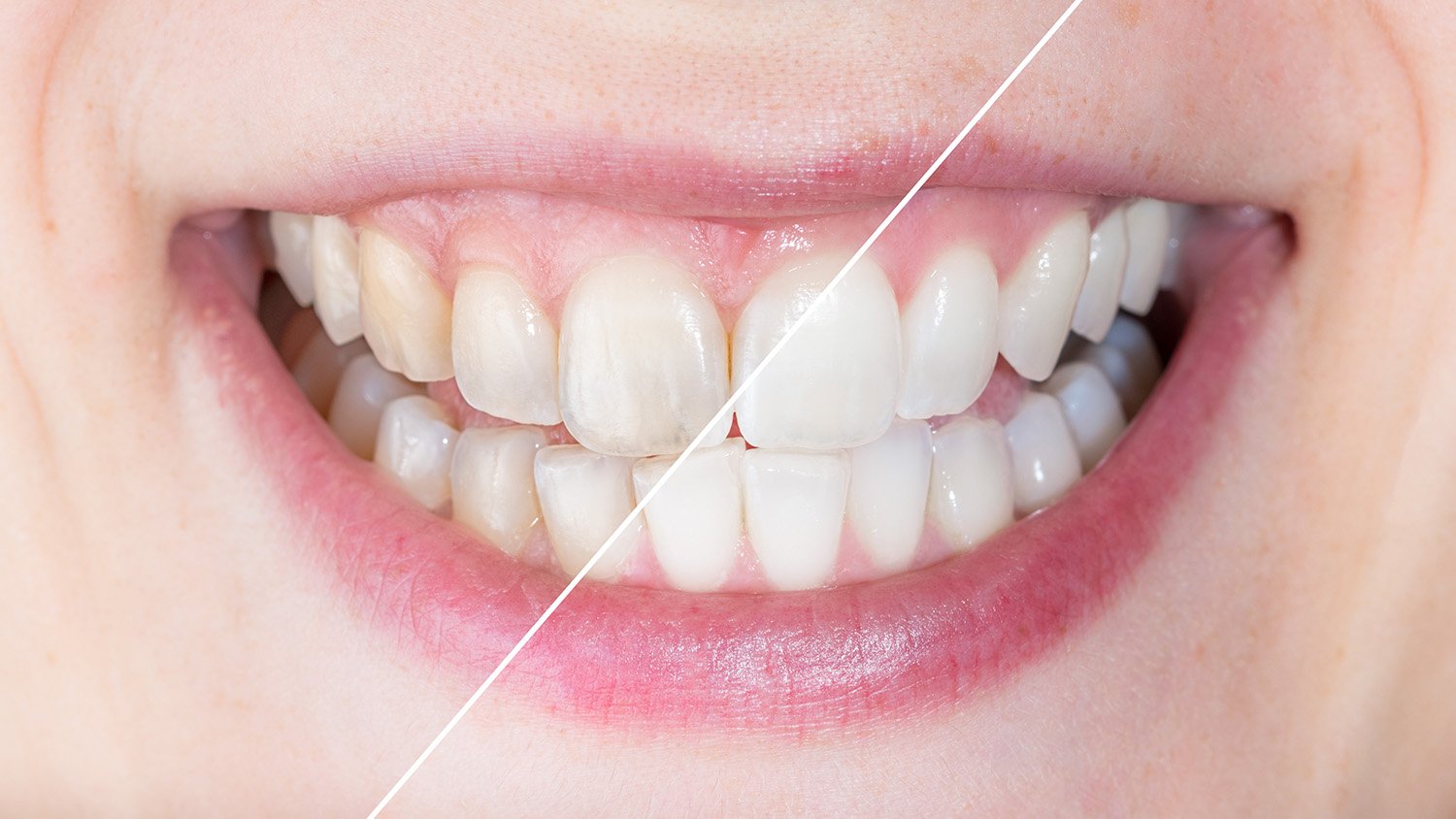
Sugar sensitivity happens when the protective layers of your tooth — enamel and gum tissue — are compromised in some way.
Once these layers are weakened, sugar can reach the nerve-connected inner layer of the tooth, called dentin, triggering a sharp or aching sensation.
This type of pain can feel different from person to person, ranging from a brief sting to a lingering, throbbing ache.
Is Tooth Pain from Sweets Always Serious?
Not always, but it’s rarely something to fully ignore. Even mild, occasional sensitivity is usually an early warning sign worth paying attention to.
A quick sting that fades in seconds is often less concerning than pain that lingers, worsens, or happens with every sweet food you eat.
Tracking how often it happens and how long it lasts can help you and your dentist figure out the right next step. Even a short symptom note on your phone can make a real difference during your appointment.
How Sugar Actually Causes Tooth Pain
Understanding the process behind sugar sensitivity makes it easier to see why prevention and early treatment matter so much.
Every time you eat something sugary, a chemical reaction begins in your mouth almost immediately, even if you don’t feel it right away.
When sugar sits on your teeth, it interacts with naturally occurring bacteria in your mouth, which then produce acid as a byproduct.
This acid attacks and weakens tooth enamel over time, eventually exposing the sensitive dentin layer underneath.
Once dentin is exposed, its microscopic tubules allow sugar to directly stimulate the nerve inside the tooth, causing that sharp jolt of pain.
Common Causes of Tooth Pain When Eating Sweets
There are several possible reasons behind sugar sensitivity. Below is a breakdown of the most common causes dentists identify.
1. Enamel Erosion
Enamel is the hard outer shell that protects your teeth. Sugary and acidic foods gradually wear it down over time.
As enamel thins, sugar can reach the dentin layer more easily, causing sudden sensitivity that seems to appear out of nowhere.
2. Tooth Decay (Cavities)
Cavities are small holes caused by acid-producing bacteria feeding on sugar left on the teeth. Left untreated, they grow larger and deeper.
Once a cavity reaches the dentin or nerve, sweet foods can trigger sharp, noticeable pain in that specific tooth.
3. Exposed Dentin
Dentin sits just beneath enamel and contains tiny tubules connected directly to the tooth’s nerve. When exposed, even mild sugar exposure can cause pain.
Dentin exposure can result from enamel erosion, gum recession, or physical damage to the tooth surface.
4. Gum Recession
When gums pull away from the tooth, they expose the root surface underneath, which has no protective enamel layer at all.
Exposed roots are extremely sensitive to sugar, as well as hot and cold temperatures.
5. Cracked or Fractured Tooth
A small, sometimes invisible crack can allow sugar and bacteria to seep into the tooth’s inner layers, triggering sudden sharp pain.
This type of pain often affects just one specific tooth and may worsen when biting down.
6. Worn or Loose Fillings
Old fillings can crack, wear down, or loosen over time, creating small gaps where sugar and bacteria can seep in and reach sensitive tissue.
7. Gum Disease (Gingivitis or Periodontitis)
Inflamed or infected gums can expose sensitive tooth structures, making sweets and other stimuli more likely to trigger discomfort.
Gum disease often develops slowly, so sensitivity to sweets can be an early warning sign before more obvious symptoms appear.
8. Teeth Grinding (Bruxism)
Grinding your teeth, often during sleep, gradually wears down enamel, increasing sensitivity to sugar and other triggers over time.
9. Recent Teeth Whitening
Whitening treatments can temporarily increase sensitivity as the whitening agent penetrates enamel, making sugar exposure feel more intense for a short period.
10. Frequent Sugar and Acidic Food Exposure
Regularly snacking on sugary or acidic foods keeps acid levels elevated in the mouth, accelerating enamel erosion and increasing sensitivity over time.
Table: Common Causes of Sweet-Triggered Tooth Pain
| Cause | Type of Pain | Needs Dentist Visit |
|---|---|---|
| Enamel erosion | Sudden sharp sting | Yes |
| Cavities | Sharp pain, specific tooth | Yes |
| Exposed dentin | Quick, jolt-like pain | Yes |
| Gum recession | Sensitivity near gumline | Yes |
| Cracked tooth | Sharp pain when biting | Yes |
| Worn/loose fillings | Localized sensitivity | Yes |
| Gum disease | Dull ache, bleeding gums | Yes |
| Teeth grinding | Widespread sensitivity | Yes |
| Recent whitening | Temporary, mild sensitivity | No, usually fades |
How to Tell the Difference Between Causes
| Symptom Alongside Pain | Likely Cause |
|---|---|
| Pain only in one specific tooth | Cavity or crack |
| Pain near the gumline | Gum recession |
| Bleeding or swollen gums | Gum disease |
| Sore jaw in the morning | Teeth grinding |
| Pain after a recent whitening treatment | Temporary sensitivity |
| Pain near an old dental filling | Worn or loose filling |
When Sugar Sensitivity Is Mild vs. When It’s a Warning Sign
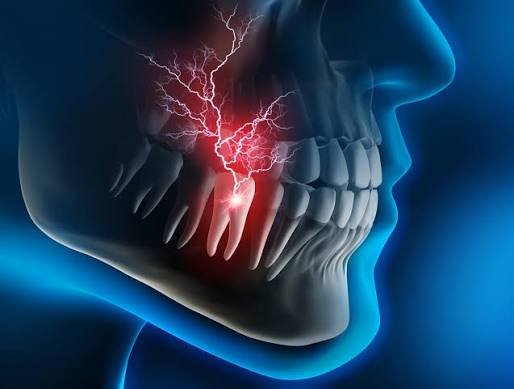
A brief, mild reaction to sweets that fades quickly is often an early, manageable stage of sensitivity.
Lingering pain, pain that occurs with biting, spontaneous pain without any trigger, or swelling usually points to a deeper, more serious issue.
Paying attention to these patterns helps you and your dentist decide the right next step for treatment.
Table: Mild Sensitivity vs. Concerning Symptoms
| Symptom | Likely Mild | Needs Dental Evaluation |
|---|---|---|
| Brief sting that fades quickly | Yes | — |
| Pain only with sweets, not other foods | Yes | — |
| Pain lasting several minutes or longer | — | Yes |
| Pain when biting down | — | Yes |
| Spontaneous pain with no trigger | — | Yes |
| Visible swelling or discoloration | — | Yes |
Home Remedies for Temporary Relief
While waiting for a dental appointment, these remedies can help manage sugar sensitivity at home.
Desensitizing Toothpaste
Toothpaste designed for sensitive teeth can help block the tubules in dentin, reducing pain triggered by sugar over time.
Saltwater Rinse
Rinsing with warm saltwater helps reduce bacteria and mild inflammation around a sensitive or irritated tooth.
Avoid Extreme Temperatures
Steer clear of very hot or cold foods alongside sweets, since combined triggers can intensify sensitivity.
Rinse After Eating Sweets
Swishing with water after eating something sugary helps clear away sugar residue before it interacts with bacteria.
Chew Sugar-Free Gum
Sugar-free gum can stimulate saliva production, which naturally helps neutralize acid and protect enamel.
Over-the-Counter Pain Relief
Pain relievers like ibuprofen can help manage discomfort temporarily until you’re seen by a dentist.
Table: Home Remedies and How They Help
| Remedy | How It Helps | Use Until |
|---|---|---|
| Desensitizing toothpaste | Blocks dentin tubules | Ongoing daily use |
| Saltwater rinse | Reduces bacteria and inflammation | Dental visit |
| Rinsing after sweets | Clears sugar residue | Immediately after eating |
| Sugar-free gum | Boosts saliva, neutralizes acid | Throughout day |
| OTC pain relievers | Manages discomfort | Follow label directions |
Professional Treatment Options
Once you see a dentist, treatment will depend on the underlying cause of your sugar sensitivity.
Fluoride Treatment
Professional fluoride treatments can strengthen weakened enamel and reduce sensitivity in its early stages.
Fillings for Cavities
Decayed portions of a tooth are removed and filled to stop pain and prevent the cavity from growing.
Bonding or Crowns for Cracks
Depending on severity, bonding, crowns, or onlays can repair cracked teeth and protect them from further sensitivity.
Gum Treatment
Deep cleaning or gum disease treatment addresses recession and inflammation that expose sensitive root surfaces.
Root Canal Therapy
If decay or damage reaches the tooth’s nerve, a root canal removes infected tissue and relieves persistent pain.
Custom Night Guard
For grinding-related sensitivity, a custom night guard protects enamel from further wear during sleep.
How to Prevent Tooth Pain from Sweets
Prevention often comes down to consistent daily habits that protect enamel and gum health over time.
Practice Good Oral Hygiene
Brushing twice daily and flossing regularly removes plaque and sugar residue before it can cause lasting damage.
Use a Soft-Bristled Toothbrush
Brushing gently with a soft-bristled brush protects enamel and helps prevent gum recession over time.
Limit Sugary and Acidic Snacking
Reducing how often you snack on sugar and acidic foods lowers the frequency of acid attacks on your enamel.
Rinse or Chew Gum After Sweets
Rinsing with water or chewing sugar-free gum after eating sweets helps neutralize acid before it causes damage.
Wear a Night Guard if You Grind
If bruxism is suspected, a night guard significantly reduces enamel wear and related sensitivity.
Schedule Regular Dental Checkups
Routine exams catch cavities, cracks, and gum recession early, before they cause noticeable pain.
Diet Tips to Reduce Sugar Sensitivity
| Foods to Choose | Foods to Limit |
|---|---|
| Cheese and dairy | Sticky candies and caramel |
| Crunchy fruits and vegetables | Sugary sodas and juices |
| Water | Hard candy |
| Nuts (in moderation) | Frequent sugary snacking |
| Sugar-free gum | Extremely hot or cold sweets |
Sugar Sensitivity in Children vs. Adults
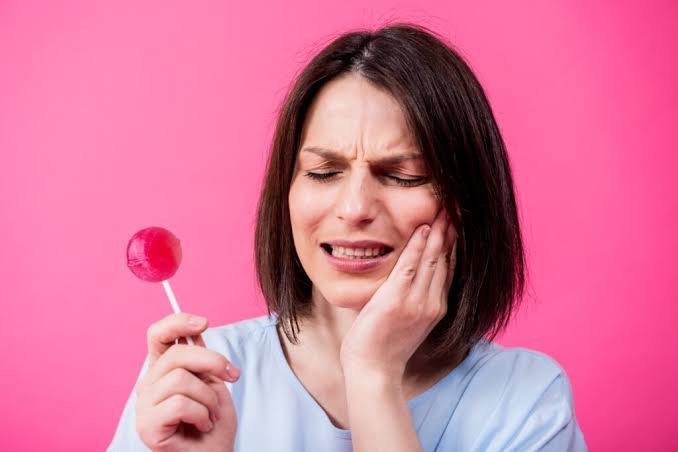
Age can influence which causes are most likely behind sugar-triggered tooth pain.
In Children
Kids often experience sensitivity from early cavities, especially on molars, due to frequent snacking and developing brushing habits.
In Adults
Adults more commonly deal with enamel erosion, gum recession, or worn fillings that build up gradually over the years.
In Older Adults
Gum recession and existing dental work become more common contributors to sugar sensitivity as enamel naturally thins with age.
Understanding Tooth Anatomy and Why Sugar Causes Pain
A basic understanding of tooth structure helps explain why sensitivity to sweets happens the way it does.
Enamel
Enamel is the hard, protective outer layer with no nerve endings, which is why early damage often goes unnoticed.
Dentin
Beneath enamel, dentin contains microscopic tubules leading directly to the nerve, making exposure a fast trigger for pain.
Pulp
The innermost layer contains nerves and blood vessels. Pain becomes sharp and intense once decay or cracks reach this layer.
Table: Tooth Layers and Sensitivity Progression
| Layer | Contains Nerves? | Sensitivity Level When Exposed |
|---|---|---|
| Enamel | No | Minimal |
| Dentin | Yes, indirectly | Moderate to sharp |
| Pulp | Yes, directly | Severe pain |
Lifestyle Habits That Increase Risk
Beyond direct dental causes, certain habits can make sugar sensitivity more likely to develop or worsen over time.
Frequent Sipping on Sugary Drinks
Sipping soda or sweetened beverages throughout the day keeps acid levels elevated, increasing enamel erosion risk.
Brushing Immediately After Sweets
Brushing right after eating something acidic or sugary can actually spread softened enamel; waiting 30 minutes is better.
Skipping Regular Dental Visits
Missing checkups allows small issues like early decay or enamel thinning to progress unnoticed until pain appears.
Quick Recap: Key Takeaways
Before jumping into the FAQs, here’s a fast summary of what matters most when dealing with sugar sensitivity.
Most cases stem from enamel erosion, cavities, gum recession, or cracks, and many respond well to prompt dental care.
Watch for warning signs like lingering pain, biting pain, or spontaneous discomfort, and don’t hesitate to book a dental visit if they appear.
Simple daily habits — gentle brushing, rinsing after sweets, limiting sugary snacks, and regular checkups — go a long way in preventing future sensitivity.
Common Myths About Sugar Sensitivity
There’s a lot of confusion about why sweets cause tooth pain. Clearing up these myths helps you respond correctly.
Myth: Only Kids Get Sensitive Teeth from Sugar
Adults are just as likely, if not more so, to experience sugar sensitivity due to years of enamel wear and gum recession.
Myth: Sensitive Toothpaste Cures the Problem
Sensitive toothpaste manages symptoms but doesn’t fix underlying causes like cavities, cracks, or gum disease.
Myth: If It Doesn’t Hurt All the Time, It’s Not Serious
Even occasional sensitivity is often an early warning sign that shouldn’t be ignored, especially if it’s new or worsening.
Myth: Brushing Harder Prevents Sensitivity
Brushing too hard actually wears down enamel faster and can cause gum recession, making sensitivity worse over time.
Products That Can Help Manage Sugar Sensitivity
A few dentist-recommended products can make daily life more comfortable while you address the underlying cause.
Fluoride Mouthwash
A fluoride rinse used daily can help strengthen enamel and reduce sensitivity over time.
Soft-Bristled Electric Toothbrush
Electric toothbrushes with soft bristles clean effectively without being overly abrasive on weakened enamel.
Xylitol-Sweetened Gum
Gum sweetened with xylitol not only avoids feeding harmful bacteria but can actually help reduce cavity-causing bacteria over time.
Dental Sealants
For cavity-prone teeth, sealants provide an extra protective barrier against sugar and bacteria on chewing surfaces.
How Often Should You See a Dentist for Sensitivity?
Routine checkups every six months allow your dentist to catch enamel wear, cavities, or gum recession before sensitivity becomes painful.
If sensitivity is new or worsening, it’s worth scheduling a visit sooner rather than waiting for your next routine appointment.
Bringing details about when the pain happens, how long it lasts, and its intensity can help your dentist diagnose the cause more quickly.
The Connection Between Diet and Long-Term Enamel Health
What you eat over months and years has a cumulative effect on enamel strength and overall sensitivity.
Diets high in processed sugar and acidic beverages accelerate enamel erosion, while diets rich in calcium and phosphates help support remineralization.
Dairy products, leafy greens, and foods high in calcium can help strengthen enamel naturally over time, working alongside good dental hygiene.
Talking to Your Dentist: Questions Worth Asking
When you finally see a dentist about sugar sensitivity, asking the right questions helps you understand both the cause and the long-term fix.
Ask exactly which layer of the tooth is affected, whether the cause is enamel wear, decay, or gum recession, and what treatment options exist.
If a filling or crown is recommended, ask about expected recovery time and whether sensitivity should improve immediately or gradually.
It’s also worth asking whether your diet or brushing habits are contributing, so you can make targeted changes going forward.
Bringing this level of detail to your appointment often speeds up diagnosis and helps your dentist recommend the most effective, lasting treatment rather than a temporary fix.
Frequently Asked Questions (FAQs)
1. Why does only one tooth hurt when I eat sweets?
This usually points to a localized issue like a cavity, crack, or worn filling in that specific tooth.
2. Is sugar sensitivity the same as sensitivity to hot and cold?
Not exactly. Sugar sensitivity is specifically triggered by sweets interacting with compromised areas of the tooth, though causes often overlap.
3. Can sensitive toothpaste really fix the problem?
It can reduce symptoms by blocking dentin tubules, but it won’t fix underlying issues like cavities or cracks.
4. How long does sensitivity after teeth whitening usually last?
Whitening-related sensitivity typically fades within a few days to about a week after treatment.
5. Can gum disease really cause sweet sensitivity?
Yes, inflamed or receding gums expose sensitive root surfaces, making sugar exposure noticeably more uncomfortable.
6. Should I stop eating sweets completely?
Not necessarily, but reducing frequency and rinsing afterward can significantly lower your risk of continued sensitivity.
7. When should I see a dentist for sugar sensitivity?
See a dentist if pain lingers, occurs with biting, happens spontaneously, or if a specific tooth is consistently affected.
8. Can teeth grinding cause sugar sensitivity?
Yes, grinding wears down enamel over time, making teeth more vulnerable to sugar-triggered pain.
9. Are cavities the most common cause of this pain?
Cavities are common, but enamel erosion and gum recession are equally frequent culprits behind sugar sensitivity.
10. What’s the fastest way to relieve pain after eating sweets?
Rinsing with water immediately and using a desensitizing toothpaste offer the fastest, easiest relief at home.
Conclusion
Tooth pain when eating sweets is uncomfortable, but it’s almost always a signal that your enamel, dentin, or gums need attention. Whether it’s early enamel erosion, a hidden cavity, or gum recession, understanding the cause makes it much easier to find lasting relief.
Mild, occasional sensitivity can often be managed at home with desensitizing toothpaste, rinsing after sweets, and simple dietary adjustments. However, pain that lingers, worsens, or occurs with biting should never be ignored, since it often points to a deeper issue that needs professional care.
Regular dental checkups, gentle brushing, a protective night guard if needed, and mindful sugar habits go a long way in preventing sensitivity from returning. Paying attention to these small signals now can save you from a more painful and costly dental problem later — letting you enjoy your favorite treats without the worry of sudden, sharp pain.


