



Why is my eye burning is one of the most common eye-related questions people search for, especially when the sensation strikes suddenly and without warning.
In most cases, a burning eye is caused by something simple like dryness, allergies, or a mild irritant, and it clears up on its own within a few hours. In other cases, burning eyes can signal an infection, injury, or underlying condition that needs proper treatment.
Understanding What Causes a Burning Sensation
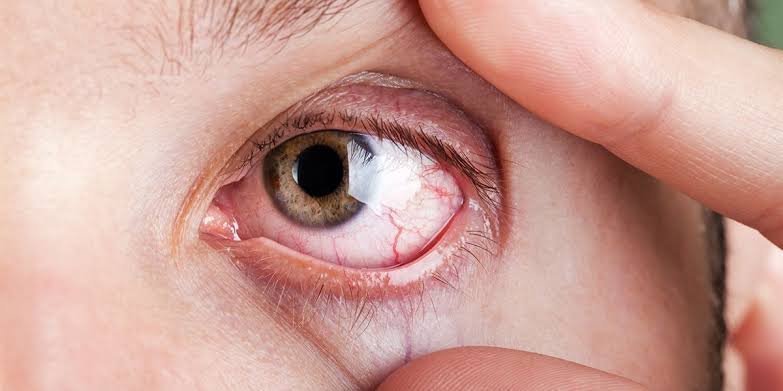
Burning eyes occur when the surface of the eye becomes irritated, inflamed, or dried out.
Your eyes rely on a healthy layer of tears made of oil, water, and mucus to stay comfortable and protected.
When this tear layer is disrupted, or when an irritant comes into contact with the eye, a burning or stinging sensation can result.
Identifying the underlying cause is the key step toward finding effective, lasting relief.
Dry Eye Syndrome
Dry eye syndrome is the leading cause of burning eyes for most people.
This condition occurs when your eyes do not produce enough tears, or when the tears you produce are not balanced correctly.
Long hours in front of a screen, dry indoor air, and reduced blinking frequency can all contribute to dry eye symptoms.
Unlike temporary irritation, dry eye burning tends to persist throughout the day rather than resolving quickly.
Digital Eye Strain
Extended screen use significantly reduces how often you blink, which allows the eye’s surface to dry out more quickly.
This condition, often called digital eye strain, commonly causes burning, fatigue, and blurred vision after long work or study sessions.
Following the twenty-twenty-twenty rule, looking at something twenty feet away for twenty seconds every twenty minutes, can help reduce symptoms.
Adjusting screen brightness and reducing glare also helps minimize digital eye strain over time.
Allergies and Allergic Conjunctivitis
Allergies are another leading cause of burning eyes, especially during high pollen seasons.
Allergic conjunctivitis occurs when allergens like pollen, dust, or pet dander trigger an immune response in the eyes.
This often causes burning alongside itching, redness, watery discharge, and sometimes a runny nose or sneezing.
Antihistamine eye drops and avoiding known allergens are typically effective at managing allergy-related burning.
Chemical Exposure
Everyday products like shampoo, sunscreen, cleaning supplies, and makeup can cause temporary burning if they come into contact with the eyes.
Chlorine from swimming pools is another very common source of chemical irritation and burning sensation in the eyes.
Rinsing the eyes immediately with clean water is the recommended first step after any chemical exposure.
Prolonged or severe chemical exposure can cause more serious damage and should be evaluated by a medical professional.
Contact Lens Overuse
Wearing contact lenses for extended periods, or without proper cleaning, is a common cause of burning and irritation.
Expired eye drops, unclean lenses, or sharing lenses with others can also introduce bacteria that lead to discomfort or infection.
Giving your eyes regular breaks from contact lenses helps reduce the risk of burning and related complications.
Replacing lenses and cleaning solutions according to the manufacturer’s schedule is essential for maintaining eye comfort and health.
Conjunctivitis (Pink Eye)
Conjunctivitis, commonly known as pink eye, is an inflammation of the thin membrane covering the surface of the eye.
This condition can be caused by viruses, bacteria, or allergens, and often causes burning alongside redness and discharge.
Viral and bacterial conjunctivitis are highly contagious and typically require careful hygiene and, in bacterial cases, antibiotic treatment.
A doctor can determine the specific cause of conjunctivitis and recommend the appropriate treatment approach.
Blepharitis
Blepharitis is an inflammation of the eyelids, often caused by blocked oil glands near the base of the eyelashes.
This condition commonly causes burning, redness, and crusty debris along the eyelid margin, especially noticeable in the morning.
Warm compresses and gentle eyelid cleaning are typically recommended as first-line treatment for blepharitis symptoms.
Chronic or worsening blepharitis symptoms should be evaluated by an eye doctor for further management.
Photokeratitis (Eye Sunburn)

Photokeratitis occurs when the eyes are overexposed to ultraviolet light from the sun, tanning beds, or certain types of lamps and equipment.
This condition is essentially a sunburn on the surface of the eye and can cause significant burning, pain, and light sensitivity.
Symptoms typically appear several hours after exposure and can be quite uncomfortable, though they usually resolve within a day or two.
Wearing UV-protective sunglasses is the most effective way to prevent photokeratitis from occurring.
Foreign Bodies and Debris
A small foreign object, such as sand, dust, or an eyelash, can cause a sudden burning or gritty sensation in the eye.
Rubbing the eye can worsen irritation or cause a scratch on the eye’s surface, so gentle flushing is recommended instead.
Using sterile saline solution or clean water to rinse the eye often removes minor debris effectively.
Persistent discomfort after flushing may indicate a scratch or embedded object that requires professional evaluation.
Other Underlying Conditions
Several less common conditions can also cause burning eyes as part of a broader set of symptoms.
Ocular rosacea, Sjögren’s syndrome, pterygium, and shingles affecting the eye area can all produce burning sensations alongside other distinct symptoms.
Sinusitis and vision problems, like uncorrected myopia or astigmatism, can also indirectly contribute to eye strain and burning.
These conditions typically require a proper diagnosis from an eye doctor rather than home treatment alone.
Common Causes at a Glance
| Cause | Typical Accompanying Symptoms | Usually Self-Treatable |
|---|---|---|
| Dry eye syndrome | Persistent burning, grittiness | Yes, with drops |
| Digital eye strain | Fatigue, blurred vision | Yes |
| Allergic conjunctivitis | Itching, watery eyes, sneezing | Yes |
| Chemical exposure | Sudden burning, redness | Yes, if mild |
| Contact lens overuse | Discomfort, redness | Yes, with breaks |
| Viral or bacterial conjunctivitis | Discharge, redness | Sometimes, may need doctor |
| Blepharitis | Crusty eyelids, redness | Sometimes |
| Photokeratitis | Pain, light sensitivity | Usually resolves alone |
Fast Relief Methods You Can Try at Home
Rinsing the eyes gently with clean, lukewarm water can quickly relieve burning caused by dust, smoke, or mild irritants.
Artificial tears or lubricating eye drops provide fast relief for burning related to dryness or screen use.
Cool compresses applied over closed eyelids can soothe general irritation and reduce inflammation.
Warm compresses are more effective specifically for blepharitis or blocked oil glands rather than general dryness.
Quick Relief Comparison
| Remedy | Best For |
|---|---|
| Cool compress | General irritation, allergies |
| Warm compress | Blepharitis, blocked glands |
| Artificial tears | Dryness, screen fatigue |
| Saline rinse | Dust, debris, mild chemical exposure |
| Antihistamine drops | Allergy-related burning |
When to Avoid Rubbing Your Eyes
Rubbing burning eyes can worsen irritation and increase the risk of scratching the cornea’s delicate surface.
Rubbing can also spread bacteria or viruses if the burning is related to conjunctivitis or another infection.
Blinking rapidly or gently flushing with water is a safer way to address the urge to rub your eyes.
Washing your hands before touching your eyes at all helps prevent introducing additional irritants or bacteria.
Preventing Burning Eyes
Using a humidifier in dry indoor environments helps maintain healthier moisture levels for your eyes.
Taking regular screen breaks throughout the day significantly reduces the risk of digital eye strain and related burning.
Wearing sunglasses with UV protection helps prevent both photokeratitis and general sun-related eye irritation.
Replacing contact lenses and solutions on schedule, along with proper handwashing, reduces the risk of infection-related burning.
When Burning Eyes Signal an Emergency
Sudden, severe eye burning accompanied by vision changes should be treated as a medical emergency requiring immediate care.
Chemical exposure that does not improve after thorough rinsing also warrants urgent medical attention.
Burning accompanied by significant pain, swelling, or discharge that worsens over a day or two should not be ignored.
Any burning sensation following an eye injury should be evaluated promptly to rule out serious damage.
When to See an Eye Doctor
Burning eyes that persist beyond a few hours despite basic home treatment are worth having evaluated by a professional.
Recurring episodes of burning, especially alongside other symptoms like discharge or vision changes, suggest an underlying condition needing diagnosis.
An eye doctor can perform tests to distinguish between dry eye, allergies, infection, or a more specific underlying condition.
Getting an accurate diagnosis early often leads to faster, more effective long-term relief.
What to Expect During an Eye Exam
A doctor will typically ask about when your symptoms started and whether you have noticed any specific triggers.
They will examine the surface of your eye closely, checking for redness, dryness, discharge, or visible irritation.
In some cases, they may perform specific tests to measure tear production or check for underlying allergies.
Based on these findings, they can recommend a treatment plan tailored to your specific cause of burning eyes.
Burning Eyes and Sinus Congestion
Sinus congestion and infections can sometimes cause a burning sensation around and behind the eyes.
This happens because the sinuses are located close to the eye sockets, and inflammation in one area can affect the other.
Burning eyes linked to sinusitis are often accompanied by facial pressure, congestion, and discomfort that worsens when bending forward.
Treating the underlying sinus infection or congestion typically resolves the associated eye discomfort as well.
Burning Eyes From Uncorrected Vision Problems
Uncorrected vision issues like myopia, astigmatism, or presbyopia can cause eyes to strain more than necessary throughout the day.
This added strain often leads to fatigue, headaches, and a burning sensation, especially after reading or close-up work.
Scheduling a comprehensive eye exam can identify whether glasses or a change in prescription is needed.
Addressing the underlying vision problem often reduces or eliminates strain-related burning entirely.
Environmental Triggers for Burning Eyes
Wind, dust, and smoke are among the most common everyday environmental triggers for temporary eye burning.
These irritants can dry out the eye’s surface quickly, especially during outdoor activities or in polluted areas.
Wearing wraparound sunglasses can help create a barrier against wind and airborne particles in outdoor settings.
Staying indoors during high pollution or high pollen days can also help reduce exposure-related burning.
Seasonal Patterns in Eye Burning
Many people notice their eyes burn more frequently during specific seasons, particularly spring and fall when pollen counts rise.
Dry winter air combined with indoor heating can also increase burning eyes during colder months.
Tracking whether your symptoms follow a seasonal pattern can help confirm whether allergies or dry air are the likely cause.
Adjusting your environment and using preventive eye drops during high-risk seasons can help minimize discomfort.
Medication Side Effects and Burning Eyes
Certain medications, including antihistamines, decongestants, and some blood pressure medications, can reduce tear production as a side effect.
This reduction in natural lubrication can lead to dryness and burning, even in people who do not otherwise experience dry eyes.
If you suspect a medication is contributing to your symptoms, discuss this with your doctor before making any changes.
Using artificial tears alongside these medications can often help offset this particular side effect.
Makeup and Skincare Product Sensitivities
Certain ingredients in makeup, moisturizers, and skincare products can cause burning if they migrate into the eyes.
Waterproof mascara and eyeliner applied too close to the lash line are particularly common culprits for this type of irritation.
Switching to hypoallergenic or fragrance-free products can help reduce sensitivity-related burning for people prone to this issue.
Removing eye makeup gently and completely each night also helps prevent buildup that can contribute to irritation.
Building an Eye Care Routine to Prevent Burning

A consistent daily routine can significantly reduce how often burning eyes occur for most people.
Taking regular breaks from screens, staying hydrated, and using a humidifier in dry environments all support healthier eyes.
Wearing sunglasses outdoors and replacing contact lenses on schedule further reduces common triggers.
Scheduling annual eye exams helps catch and address underlying issues before they lead to frequent discomfort.
Burning Eyes in Children
Children can experience burning eyes for many of the same reasons as adults, including allergies, dryness, or irritant exposure.
Rubbing eyes frequently, complaining of itchiness, or excessive tearing are common signs of discomfort in younger children who may not clearly describe their symptoms.
Conjunctivitis is especially common in school-age children due to close contact with other children and frequent hand-to-eye contact.
A pediatrician or eye doctor can help determine the cause and recommend age-appropriate treatment for a child’s burning eyes.
Burning Eyes and Contact Lens Solutions
Certain contact lens solutions contain preservatives that can cause a burning or stinging sensation in sensitive individuals.
Switching to a preservative-free solution, if recommended by an eye doctor, can help reduce this type of irritation.
Allowing lenses to sit in solution for the full recommended time before wearing them also helps minimize residual irritation.
Persistent burning specifically tied to a particular solution brand is worth mentioning to your eye care provider.
The Connection Between Sleep and Eye Comfort
Poor sleep quality or insufficient sleep can contribute to dryness and burning, since the eyes rest and recover overnight.
Sleeping in a dry room, or with fans blowing directly on the face, can also worsen morning eye dryness.
Ensuring adequate, quality sleep supports overall eye comfort in addition to broader health benefits.
Using a humidifier in the bedroom can help maintain better moisture levels while sleeping.
Nutrition and Eye Health
Diets low in omega-3 fatty acids have been associated with a higher likelihood of dry eye symptoms, including burning.
Foods like fatty fish, flaxseed, and walnuts are commonly recommended to support healthy tear production.
Staying well hydrated throughout the day also plays a supporting role in maintaining comfortable, well-lubricated eyes.
While diet alone will not resolve every case of burning eyes, it can be a helpful part of a broader management plan.
Frequently Asked Questions (FAQs)
Why does my eye suddenly start burning for no reason?
Sudden burning is often caused by mild dryness, screen use, or exposure to dust or smoke in the environment. Rinsing with clean water or using artificial tears usually provides quick relief.
Is burning in one eye more concerning than both eyes?
Burning in one eye can sometimes indicate a foreign object, injury, or localized infection rather than general dryness or allergies. If it persists or worsens, it should be evaluated by a doctor.
Can allergies really cause my eyes to burn?
Yes, allergic conjunctivitis is a common cause of burning eyes, especially alongside itching and watery discharge. Antihistamine eye drops and avoiding known allergens usually help manage symptoms.
How do I know if my burning eyes are from dry eye or an infection?
Dry eye burning tends to persist throughout the day without discharge, while infections often include redness, discharge, or crusting. A doctor can confirm the exact cause if symptoms are unclear.
Is it safe to use eye drops for burning eyes every day?
Preservative-free artificial tears are generally safe for regular daily use to manage dryness-related burning. Medicated drops should only be used as directed by a doctor.
Can staring at a screen all day cause burning eyes?
Yes, extended screen use reduces blinking frequency, which dries out the eye’s surface and causes burning. Taking regular breaks and using artificial tears can help reduce this effect.
What should I do if a chemical gets in my eye and it burns?
Rinse your eye immediately with clean water for several minutes and remove contact lenses if you wear them. Seek medical attention if burning persists or vision changes occur.
Can wearing contact lenses too long cause burning eyes?
Yes, overwearing or improperly cleaning contact lenses is a common cause of eye burning and irritation. Giving your eyes regular breaks from lenses helps prevent this issue.
When should I go to the emergency room for burning eyes?
You should seek emergency care if burning is sudden, severe, or accompanied by vision changes or a chemical exposure that does not improve with rinsing. These symptoms may indicate a serious underlying issue.
How long does it typically take for burning eyes to go away?
Mild irritation from dust or dryness often improves within a few hours with home treatment. Burning that persists beyond a day or two should be evaluated by an eye doctor.
Conclusion
A burning sensation in the eyes is usually caused by something manageable, like dry eye syndrome, allergies, digital eye strain, or mild irritant exposure, and most cases improve quickly with simple home remedies like artificial tears or a gentle water rinse.
Less commonly, burning eyes can point toward an infection, injury, or underlying condition such as blepharitis or photokeratitis, which benefit from a proper diagnosis and targeted treatment. Paying attention to accompanying symptoms, like discharge, vision changes, or pain that worsens over time, helps you know when home care is enough and when it is time to see an eye doctor.
Simple prevention habits, including regular screen breaks, UV-protective sunglasses, and proper contact lens care, go a long way toward reducing how often burning eyes occur in the first place. If burning persists beyond a few hours despite basic care, a prompt evaluation is the safest and most effective next step.


