


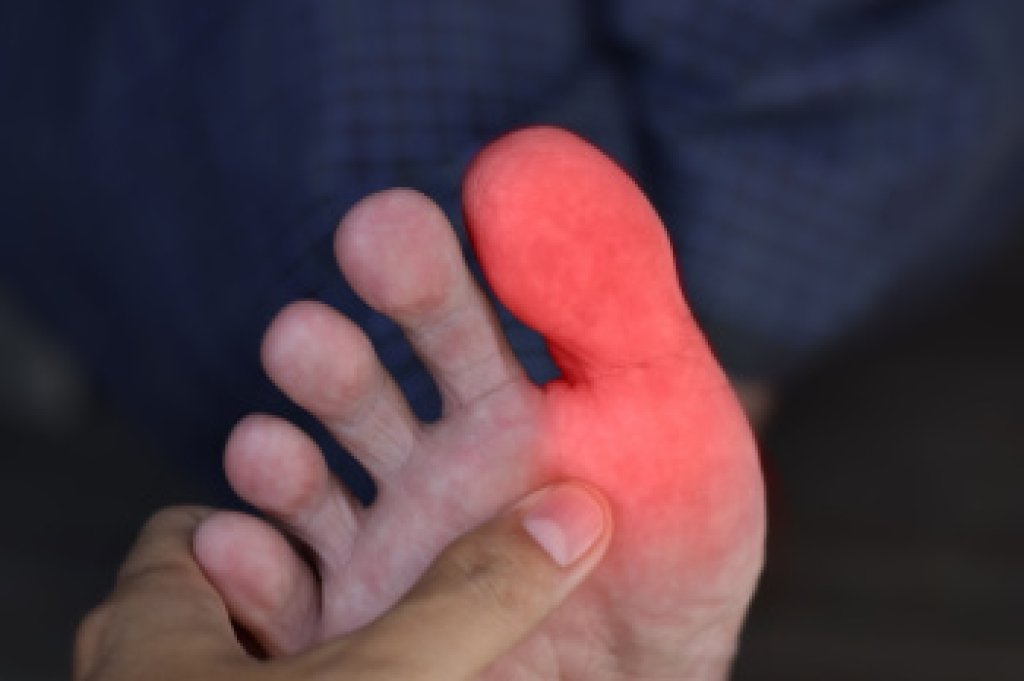
Why does my toe feel numb? That strange loss of feeling, sometimes paired with tingling or a pins-and-needles sensation, can be alarming the first time it happens.
In most cases, toe numbness is temporary and harmless, caused by something as simple as tight shoes or sitting in one position too long. But when numbness lingers, comes and goes repeatedly, or shows up without an obvious trigger, it can point to a nerve, circulation, or underlying health issue that deserves attention.
Quick Answer: Top Causes of Numb Toes
Before going in depth, here’s a fast overview of the most common categories behind toe numbness.
| Category | Common Cause | Needs a Doctor? |
|---|---|---|
| Circulation | Tight or ill-fitting shoes | No |
| Circulation | Peripheral artery disease (PAD) | Yes |
| Nerve | Peripheral neuropathy | Yes |
| Nerve | Morton’s neuroma | Sometimes |
| Nerve | Pinched nerve in the back | Yes |
| Medical | Diabetes | Yes |
| Medical | Vitamin B12 deficiency | Yes |
| Temporary | Cold exposure or prolonged sitting | No |
If numbness is sudden, spreads quickly, or comes with weakness or facial drooping, treat it as an emergency rather than something to monitor at home.
Temporary Causes: The Most Common Explanation
Most people who search this question are dealing with something simple and short-lived rather than a serious condition.
Tight or Ill-Fitting Shoes
Shoes that are too tight, narrow, or short can compress blood vessels and nerves in the foot, cutting off normal circulation to the toes.
This type of numbness usually improves quickly once the shoes come off or you switch to a properly fitting pair.
Sitting or Standing in One Position Too Long
Prolonged pressure on the nerves in your legs or feet, like sitting cross-legged, can cause the classic “foot falling asleep” sensation known as paresthesia.
This feeling typically resolves within minutes of moving around and relieving the pressure.
Cold Exposure
Cold temperatures cause blood vessels to narrow, reducing blood flow to the toes and producing numbness along with a pale or bluish tint to the skin.
Warming the feet gradually usually restores normal sensation without any lasting effects.
Overuse From Exercise
Long periods of running, walking, or standing, such as a full day at a theme park, can temporarily overwork the nerves and blood vessels in the feet.
This numbness typically fades with rest and doesn’t require any specific treatment beyond taking a break.
Nerve-Related Causes of Toe Numbness
When numbness becomes chronic or recurring, nerve issues are one of the most common underlying explanations.
Peripheral Neuropathy
Peripheral neuropathy is damage to the nerves outside the brain and spinal cord, and the toes are especially vulnerable because their nerves travel the farthest distance from the body’s core.
Causes range from diabetes and alcohol use to infections, certain medications, and autoimmune conditions.
Morton’s Neuroma
Morton’s neuroma is a thickening of tissue around a nerve, usually between the third and fourth toes, often triggered by repeated pressure or tight footwear.
Along with numbness, it commonly causes a burning sensation or the feeling of standing on a pebble.
Pinched Nerve or Spinal Issues
Nerve compression anywhere along the path from the lower spine to the toes can interrupt normal signals and cause numbness far from the actual site of the problem.
A herniated disc or spinal stenosis in the lower back is a common source of this kind of referred numbness.
Bunions
Bunions are bony bumps that form at the base of the big toe, and as they grow, they can shift the structure of the foot enough to compress nearby nerves.
This compression can lead to tingling or numbness localized to the affected toe.
Circulatory Causes of Toe Numbness
Poor blood flow is another major category, and it often comes with its own set of warning signs.
Peripheral Artery Disease (PAD)
PAD occurs when arteries supplying blood to the legs and feet become narrowed, usually due to plaque buildup, reducing circulation to the toes.
Along with numbness, PAD often causes leg cramping during activity, cold feet, and slow-healing wounds on the toes.
Raynaud’s Phenomenon
Raynaud’s phenomenon causes blood vessels to overreact to cold or stress, constricting sharply and temporarily cutting off blood flow to the toes and fingers.
Affected toes often turn white or blue before returning to normal color as circulation resumes.
Varicose Veins
Varicose veins can create pressure changes in the surrounding tissue, sometimes contributing to nerve irritation and numbness in the toes and feet.
This is more common in people who stand for long periods or have a family history of vein issues.
Medical Conditions Linked to Toe Numbness
Chronic or unexplained toe numbness is sometimes the first noticeable sign of a broader health condition.
Diabetes
Diabetes is one of the leading causes of chronic toe numbness, largely due to diabetic peripheral neuropathy caused by prolonged high blood sugar damaging small nerves over time.
People with diabetes are also at higher risk of poor circulation, which can compound the numbness and slow healing if injuries occur.
Vitamin B12 Deficiency
Vitamin B12 plays a key role in nerve health, and a deficiency can lead to numbness, tingling, and even balance problems if left untreated.
This is more common in older adults, vegans, and people with certain digestive conditions that affect nutrient absorption.
Multiple Sclerosis (MS)
MS is an autoimmune condition that damages the protective coating around nerves, and numbness in the toes or feet is sometimes one of the earliest symptoms.
Other early signs can include vision changes, fatigue, and muscle weakness, so a pattern of multiple symptoms is more significant than numbness alone.
Anemia
Anemia reduces the number of healthy red blood cells available to carry oxygen throughout the body, which can occasionally contribute to numbness in the extremities.
Fatigue, pale skin, and shortness of breath often accompany anemia-related numbness.
Gout
Gout is a form of arthritis caused by uric acid crystal buildup, most often affecting the big toe, and the resulting inflammation can sometimes lead to numbness alongside intense pain and swelling, flare-ups tend to come on suddenly and are often worse at night.
Nerve vs. Circulation: Quick Comparison
Since nerve and circulation problems can feel similar, this table highlights a few key differences.
| Sign | Nerve-Related | Circulation-Related |
|---|---|---|
| Skin color change | Uncommon | Common (pale, blue, or red) |
| Burning or tingling | Common | Less common |
| Cold feet | Sometimes | Very common |
| Slow-healing wounds | Uncommon | Common |
| Numbness pattern | Often follows a specific nerve path | Often affects whole foot or toes evenly |
This distinction is a helpful starting point, but a proper diagnosis still requires an exam and, in many cases, specific testing.
Why Does Only My Big Toe Feel Numb?
Numbness isolated to the big toe is common enough to deserve its own explanation.
The big toe carries a disproportionate share of body weight and pressure during standing and walking, making it more prone to nerve compression from bunions, tight shoes, or joint issues like gout.
If numbness is limited to just the big toe and doesn’t spread, footwear and joint-related causes are often more likely than widespread nerve damage.
Why Do My Toes Go Numb at Night?
Nighttime numbness is one of the most frequently searched variations of this topic.
Lying in certain positions can compress nerves in the legs or lower back for extended periods, and reduced movement overnight allows this pressure to build without the usual daytime relief of shifting position.
If nighttime numbness is a regular pattern, adjusting sleep position or checking mattress and blanket weight around the feet is a reasonable first step before assuming a medical cause.
Why Do My Toes Go Numb While Running or Walking?
Exercise-induced numbness is common and usually falls into the temporary category, but it’s worth understanding the mechanism.
Repetitive impact and prolonged pressure from footwear during running or walking can temporarily compress nerves and blood vessels in the forefoot.
Choosing shoes with a wider toe box and proper cushioning often reduces or eliminates this type of numbness during activity.
How to Relieve Temporary Toe Numbness
For numbness that’s mild and not tied to an underlying condition, these steps often help.
Step 1: Change Your Footwear
Switch to shoes with a wider toe box and make sure there’s enough room to wiggle your toes without pressure on the sides.
Avoid shoes that are too short, since this pushes toes forward and compresses them against the front of the shoe.
Step 2: Adjust Your Position
If numbness follows sitting or standing in one spot, take breaks to move around and shift positions every 20 to 30 minutes.
Elevating your feet periodically can also help improve circulation if you sit for long stretches.
Step 3: Warm Cold Feet Gradually
If cold exposure is the trigger, warm your feet slowly with socks or a warm (not hot) foot soak rather than direct intense heat.
Avoid extreme temperature changes, since this can be uncomfortable and isn’t necessary for restoring normal circulation.
Step 4: Stretch and Massage
Gentle foot and calf stretches, along with massage, can help relieve pressure on nerves and encourage healthy blood flow to the toes.
This is especially helpful after long periods of standing or wearing tight shoes.
Step 5: Monitor for Patterns
Keep track of when numbness happens, how long it lasts, and what you were doing beforehand, since patterns often reveal the underlying trigger.
This information is also valuable if you eventually need to describe the issue to a doctor.
When Toe Numbness Needs Medical Attention

Certain patterns and accompanying symptoms mean it’s time to move beyond home care.
See a doctor if numbness is persistent, recurring, or spreading, rather than resolving quickly after changing position or footwear.
Also seek medical care if numbness comes with pain, weakness, changes in skin color, slow-healing sores, or symptoms that suggest diabetes or circulation problems.
Emergency Warning Signs
Some symptoms require immediate emergency care rather than a scheduled appointment.
Seek emergency medical care right away if toe or foot numbness is accompanied by facial drooping, sudden severe headache, slurred speech, or widespread body weakness, since these can be signs of a stroke.
Sudden, severe numbness spreading rapidly up the leg, especially with pain or color change, can also signal a serious circulation blockage that needs urgent evaluation.
Diagnostic Tests a Doctor May Use
Understanding what to expect can make a medical visit feel less uncertain.
| Test | What It Detects |
|---|---|
| Physical and neurological exam | Reflexes, sensation, and muscle strength |
| Blood tests | Diabetes, vitamin B12 levels, thyroid function |
| Nerve conduction study | How well nerves transmit signals |
| Doppler ultrasound | Blood flow and circulation in the legs and feet |
| MRI of the spine | Nerve compression from disc or spinal issues |
Your doctor will typically start with the least invasive tests and add more specific ones based on your symptoms and history.
Treatment Options by Cause
Since numbness has so many possible causes, treatment approaches vary widely depending on the diagnosis.
| Cause | Typical Treatment |
|---|---|
| Tight shoes | Switch to properly fitted, wider footwear |
| Peripheral neuropathy | Manage underlying condition, medication for symptoms |
| Morton’s neuroma | Padding, orthotics, or in some cases injections or surgery |
| PAD | Lifestyle changes, medication, or procedures to improve blood flow |
| Vitamin B12 deficiency | Supplementation and dietary changes |
| Pinched nerve | Physical therapy, medication, or surgery in severe cases |
A confirmed diagnosis is essential before starting treatment, since some approaches, like footwear changes, won’t help if the underlying cause is medical.
Prevention Checklist
Once numbness resolves, these habits help reduce the chance of it returning.
| Habit | Why It Helps |
|---|---|
| Choose shoes with a wide toe box | Reduces pressure on toes and nerves |
| Take movement breaks during long sitting periods | Prevents prolonged nerve compression |
| Manage blood sugar if diabetic | Reduces risk of diabetic neuropathy |
| Get regular checkups for B12 and circulation | Catches deficiencies and PAD early |
| Avoid crossing legs for extended periods | Reduces pressure on leg nerves |
| Keep feet warm in cold weather | Prevents cold-related vessel constriction |
Consistency with these habits matters more than occasional adjustments, especially for people with risk factors like diabetes or a family history of circulation issues.
Age and Risk Factors
Certain factors make chronic toe numbness more likely, even if the immediate trigger seems minor.
Age is a significant factor, since nerve function and circulation both naturally decline over time, making older adults more susceptible to both neuropathy and PAD.
Smoking, obesity, and a sedentary lifestyle also raise the risk of circulation problems, while uncontrolled blood sugar significantly raises the risk of nerve damage over time.
Numbness in One Toe vs. Multiple Toes
The pattern of numbness, whether it’s isolated or widespread, can offer useful clues about the underlying cause.
Numbness limited to one or two toes often points to a localized issue, like a pinched nerve, Morton’s neuroma, or pressure from footwear affecting a specific spot.
Numbness that affects most or all toes on both feet more often suggests a systemic cause, such as diabetes, vitamin deficiency, or another condition affecting the nervous system broadly.
| Pattern | More Likely Cause |
|---|---|
| One toe, comes and goes | Footwear, localized nerve compression |
| One toe, constant | Morton’s neuroma, bunion, injury |
| Multiple toes, both feet | Diabetes, neuropathy, vitamin deficiency |
| Multiple toes, one foot only | Pinched nerve, circulation issue on that side |
This pattern is one of the first things a doctor will ask about, so tracking it beforehand can speed up diagnosis.
Numbness After an Injury
Toe numbness following an injury deserves separate attention, since the cause is usually more direct.
A stubbed toe, dropped object, or sprain can bruise or compress the small nerves in the toe, leading to temporary numbness alongside pain and swelling.
If numbness after an injury doesn’t improve within a few days, or if the toe looks deformed or is unable to move normally, it’s worth having it examined for a possible fracture or more significant nerve damage.
Pregnancy and Toe Numbness
Pregnancy can also contribute to temporary numbness in the toes and feet, which is worth mentioning separately since it’s a common but often overlooked cause.
Fluid retention and swelling during pregnancy can put pressure on nerves in the legs and feet, leading to numbness or tingling, especially in the later trimesters.
This typically improves after delivery, but any sudden or severe numbness during pregnancy should still be mentioned to a healthcare provider.
Can Diet Affect Toe Numbness?
Diet plays a bigger role in nerve health than many people realize.
Beyond vitamin B12, deficiencies in vitamin D, folate, and certain minerals like magnesium and potassium can also contribute to nerve-related symptoms, including numbness.
Excessive alcohol consumption is another dietary factor, since it can directly damage peripheral nerves over time, a condition sometimes called alcoholic neuropathy.
Living With Chronic Toe Numbness
For people managing an ongoing condition like diabetic neuropathy, daily habits make a meaningful difference in comfort and safety.
Check your feet daily for cuts, blisters, or sores, since reduced sensation makes it easy to miss injuries that could worsen without treatment.
Choose well-fitted, supportive footwear at all times, and avoid walking barefoot, especially outdoors, to reduce the risk of unnoticed injury.
Frequently Asked Questions (FAQs)
Why does my toe go numb when I sit for a while?
Prolonged pressure compresses nerves in your leg or foot, temporarily interrupting normal signals until you move and relieve the pressure.
Is toe numbness a sign of diabetes?
It can be, since chronic high blood sugar damages small nerves over time, leading to diabetic peripheral neuropathy.
Can tight shoes really cause numb toes?
Yes, shoes that are too tight or narrow compress blood vessels and nerves, reducing circulation and sensation in the toes.
Why does only my big toe feel numb?
The big toe bears extra pressure during standing and walking, making it more prone to nerve compression from bunions or footwear.
When should I worry about numb toes?
Worry if numbness is persistent, recurring, or paired with pain, weakness, or color changes, since these need medical evaluation.
Can a pinched nerve in my back cause toe numbness?
Yes, nerve compression in the lower spine can interrupt signals traveling down to the toes, causing numbness far from the actual problem.
Does vitamin B12 deficiency cause numb toes?
Yes, B12 is essential for nerve health, and low levels can lead to numbness, tingling, and balance issues.
Is numb toes with facial drooping an emergency?
Yes, this combination can signal a stroke and requires immediate emergency medical care.
Can cold weather cause toe numbness?
Yes, cold temperatures narrow blood vessels, reducing circulation to the toes until they’re warmed gradually.
How is chronic toe numbness diagnosed?
Doctors typically use a physical exam, blood tests, and sometimes a nerve conduction study or imaging to identify the underlying cause.
Conclusion
So, why does your toe feel numb? In most cases, the explanation is simple and temporary, tied to tight shoes, sitting too long, or cold exposure. But when numbness becomes chronic, recurring, or spreads without an obvious trigger, it often points to a nerve or circulation issue, and sometimes an underlying condition like diabetes, vitamin B12 deficiency, or peripheral artery disease.
Paying attention to accompanying symptoms, like pain, color changes, or weakness, helps determine how urgently you need care. If numbness is sudden and paired with facial drooping, slurred speech, or widespread weakness, treat it as a medical emergency.
For everything else, a doctor can run the right tests to pinpoint the cause and guide you toward the most effective treatment for lasting relief.


