


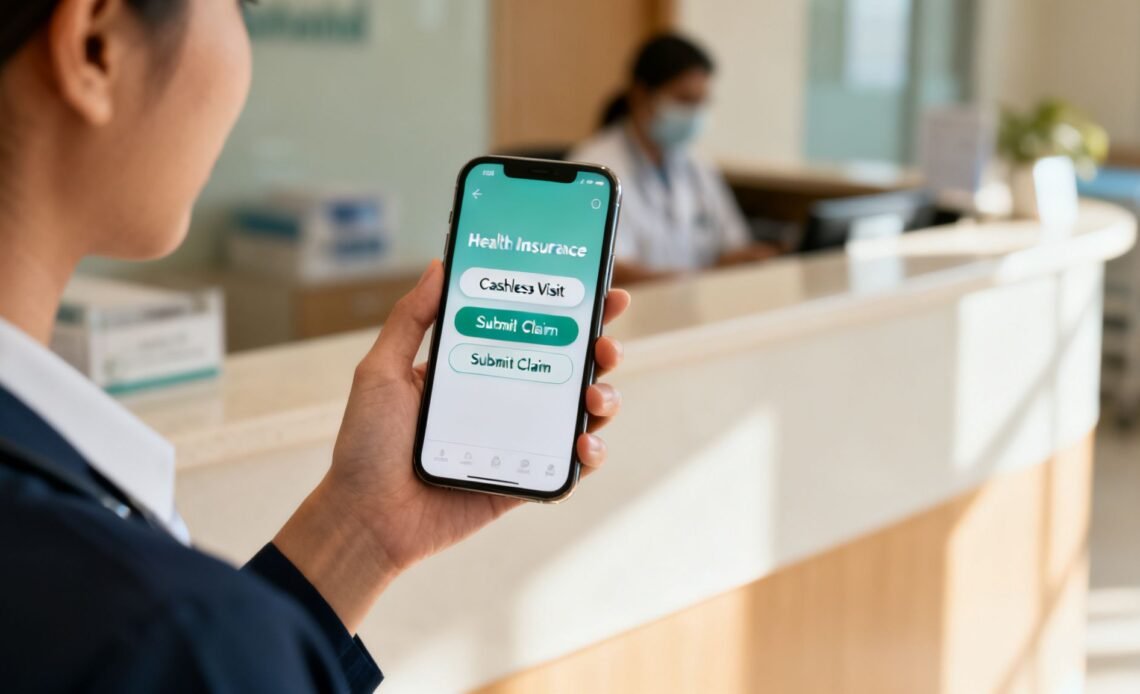
You are at a hospital, juggling admission forms, calls to family, and making certain decisions. The last thing you want is another task at the billing counter. That is where health insurance with a cashless facility can make the hospital experience easier. Instead of paying eligible treatment costs upfront and seeking reimbursement later, the insurer can pay the network hospital directly, subject to the policy terms and approved amount.
What Does Cashless Health Insurance Mean?
With cashless health insurance, the insurer or Third-Party Administrator (TPA), on behalf of the insurer, can make payment directly to a network hospital for eligible treatment costs, to the extent pre-authorisation is approved. This does not mean every hospital expense disappears from your bill. Costs outside the approved amount or those not covered under the policy may still need to be paid by you.
That distinction matters. Cashless does not mean cost-free. It mainly changes how the eligible hospital bill is settled.
How Does Cashless Health Insurance Change Your Hospital Experience?
At a network hospital, the insurance desk usually helps with the cashless request and coordinates with the insurer or TPA. If the request is authorised, the approved amount is settled directly with the hospital, subject to the policy terms. So, instead of paying the eligible amount upfront and applying for reimbursement later, part of the payment process takes place between the hospital and the insurer.
You may still have to pay certain expenses yourself if they are outside the approved amount or do not fall within your policy terms. Knowing this beforehand can make the billing process easier to understand when you are already dealing with a hospital stay.
What Should You Check Before Using a Cashless Facility?
Before using a cashless facility, check these details:
- Network status:Confirm that the hospital is currently part of your insurer’s network.
- Policy terms:Check the applicable coverage, limits, waiting periods, and cost-sharing provisions.
- Authorisation process:Ask the hospital’s insurance desk what documents and information are required for the cashless request.
- Additional expenses:Keep in mind that expenses outside the approved amount or policy coverage may need to be settled directly with the hospital.
Network hospital lists can change, so checking the latest list before planned treatment is useful.
Can Cashless Treatment Work at Every Hospital?
A cashless facility may be available at network providers that have an arrangement with the insurer. If treatment is taken at another eligible hospital, reimbursement may be available subject to the terms and conditions of the policy.
This is one reason you should not assume that every hospital visit will follow the same payment process. Your policy document and the current network hospital list are the right places to check the applicable details.
What Does Cashless Mean for The Patient Experience?
Cashless treatment does not remove every financial responsibility, but it can change how you deal with hospital expenses. Instead of paying the entire eligible bill first and following up for reimbursement later, the payment for the approved amount is handled directly between the insurer and network hospital.
The result is a hospital experience where some of the financial administration happens in the background. Knowing how the process works can help you avoid surprises and understand which expenses you may still need to pay yourself.
Conclusion
Cashless health insurance is mainly about the way eligible hospital expenses are settled. The facility depends on the network hospital, pre-authorisation, and the terms of your policy. It is therefore worth checking these details before you need them, rather than trying to understand them while managing a hospital admission.

