


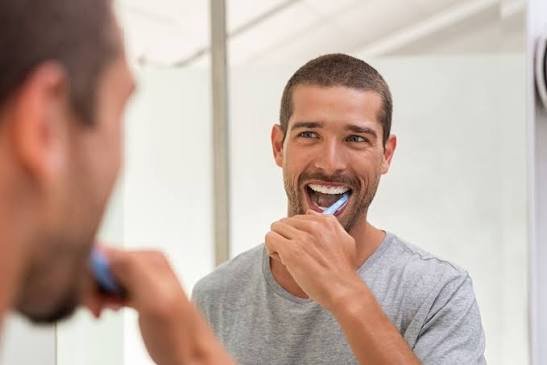
If you find yourself asking why do I gag when I brush my teeth almost every single day, you are not alone. This is one of the most common oral care complaints, and it usually comes down to a sensitive gag reflex rather than anything serious.
Why Do I Gag When I Brush My Teeth?

Gagging while brushing usually happens because your toothbrush touches the soft palate, back of the tongue, or throat, triggering your natural gag reflex. Some people simply have a more sensitive reflex than others.
Other common triggers include aggressive brushing, a large toothbrush head, strong-flavored toothpaste, anxiety, pregnancy, acid reflux, and nasal congestion. Most cases can be improved with small changes to technique and products.
What Is the Gag Reflex, Really?
The gag reflex, also called the pharyngeal reflex, is a protective response built into your body. It exists to stop foreign objects, food, or liquid from entering your airway and throat.
When something touches the soft palate, the back of your tongue, or the uvula, nerves send a signal that triggers a sudden throat contraction. This is completely normal, and it protects you from choking.
Some people have a naturally hypersensitive gag reflex, while others barely notice it at all. Most of us sit somewhere in the middle, reacting only during specific triggers like brushing, dental visits, or taking pills.
What Causes Gagging When Brushing Your Teeth
There is rarely one single cause. Usually it is a combination of technique, sensitivity, and daily habits working together.
A Naturally Sensitive Gag Reflex
Some people are simply born with a more reactive gag reflex than others. This sensitivity can stay the same throughout life or change with age, stress, and health conditions.
Brushing Too Far Back
Reaching the back molars, tongue, or soft palate with your brush is one of the biggest triggers. Even a light touch in this zone can set off the reflex instantly.
Aggressive Brushing Technique
Scrubbing hard or pushing the brush too far into your mouth increases contact with sensitive tissue. A gentler, more controlled stroke reduces this risk significantly.
Toothbrush Head Size
A toothbrush head that is too large is more likely to bump the back of your throat. Smaller, child-size or compact heads give you more control near the back teeth.
Toothpaste Flavor and Texture
Strong mint, foaming agents, or an unpleasant aftertaste can intensify nausea for some people. Switching to a milder or unflavored toothpaste often helps.
Electric Toothbrush Vibrations
The buzzing sensation from an electric toothbrush can be too intense for a sensitive mouth. Some people find a manual brush easier to control while adjusting.
Other Reasons You Might Gag While Brushing

Beyond technique, several health-related and situational factors can make the gag reflex more reactive than usual.
Pregnancy and Morning Sickness
During early pregnancy, hormonal changes make the gag reflex far more sensitive. Brushing, especially near the back teeth or tongue, can trigger nausea that would not normally happen.
Anxiety and Dental Fear
Feeling nervous or tense naturally heightens the gag reflex. Anticipating discomfort before you even start brushing can make the reaction worse.
Acid Reflux or GERD
Stomach acid moving into the esophagus irritates the throat and increases sensitivity. People with GERD often notice gagging happens more on days reflux is already active.
Illness, Allergies, and Sinus Congestion
Swollen tonsils, postnasal drip, or a sore throat from a cold can inflame the soft tissue in your mouth. This inflammation makes the gag reflex fire more easily than normal.
Not Cleaning the Tongue Properly
A coated or unclean tongue can contribute to nausea during brushing. Using a dedicated tongue scraper instead of scrubbing with the toothbrush often reduces this trigger.
How to Stop Gagging While Brushing Your Teeth
The good news is that a sensitive gag reflex can usually be managed with a few practical adjustments.
Adjust Your Brushing Angle
Try holding the brush at a slight angle instead of straight on. Brushing vertically or diagonally often avoids the soft palate more effectively than horizontal strokes.
Brush the Front Teeth First
Start with the front and side teeth before slowly working toward the back. This builds comfort and reduces sudden surprise contact with sensitive areas.
Use a Smaller Toothbrush Head
A compact or child-size head gives you better control near the molars. Less bulk in your mouth means fewer accidental touches to the throat.
Practice Nasal Breathing
Breathing slowly through your nose while brushing helps keep your body calm. Tension makes the gag reflex more reactive, so relaxed breathing works against it.
Try Gradual Desensitization
Gently touch the back of your tongue with a clean finger or brush for a few seconds daily. Slowly increasing exposure over time can reduce reflex sensitivity.
Switch Toothpaste Flavors
If mint feels overwhelming, try a mild, unflavored, or children’s toothpaste instead. Less intense flavor and foam can make a noticeable difference.
Distract Your Mind
Listening to music or a podcast while brushing shifts your focus away from the sensation. This small habit reduces anticipatory tension that often worsens gagging.
Shorten Brushing Time Temporarily
If two full minutes feels overwhelming, start with shorter sessions and build up gradually. Consistency matters more than a perfect first attempt.
Comparison: Ways to Manage a Sensitive Gag Reflex
| Method | Best For | Effort Level |
|---|---|---|
| Smaller toothbrush head | Reaching back teeth comfortably | Low |
| Mild or unflavored toothpaste | Strong taste or texture triggers | Low |
| Desensitization exercises | Long-term reflex sensitivity | Medium |
| Nasal breathing and relaxation | Anxiety-related gagging | Low |
| Mouthwash or dental wipes | Temporary relief when brushing feels impossible | Low |
| Consulting a dentist | Persistent or worsening symptoms | Medium |
Alternative Oral Care Options
On days when brushing feels impossible, a few backup options can help protect your teeth.
Alcohol-Free Mouthwash
An antiseptic rinse can temporarily reduce bacteria and freshen breath. It is not a full replacement for brushing but can bridge a difficult moment.
Dental Wipes
These are gentler than a toothbrush and can clean teeth and gums with less sensation. Many people find them useful during pregnancy or illness.
Rinsing with Water
Simply rinsing with water after eating or vomiting helps reduce acid buildup. This protects enamel until a full brushing session is possible again.
When to See a Dentist
Occasional gagging while brushing is usually harmless and manageable at home. However, you should speak with a dentist if the gagging is new, severe, worsening, or paired with other symptoms.
Persistent gagging combined with pain, swelling, difficulty swallowing, or unexplained weight changes deserves a professional evaluation. A dentist can rule out oral health issues and suggest personalized solutions.
Also Read:
- Why Does My Mouth Hurt? Common Causes & Solutions
- Why Does My Gum Hurt When I Touch It? Causes & Relief
- Why Does My Gum Hurt in One Spot in the Back? Causes
- Why Do Gums Bleed? Gum Disease or Something Else?
- Why Is My Tongue Itchy? Common Causes & Treatments
- Why My Tongue White? Causes & Treatment
- Why Is My Tongue Orange? Causes & Treatment
- Why Are My Taste Buds Swollen? Causes & Treatment
- Why Does My Tooth Hurt When I Eat Sweets? Easy Fixes
- Why Do My Bottom Teeth Hurt All of a Sudden? Common Causes
- Why Do My Teeth Hurt When I’m Sick? Sinus Pressure
- Why Does My Floss Smell Like Poop? Fix Bad Breath
- Why Is My Baby Drooling So Much? Causes Explained
- Why Does My Burp Smell Like Rotten Eggs? What It Means
- Why Am I Burping Eggs? Doctor Explains
- Natural Skincare Tips for Dry Skin and Chapped Lips
- Why Do My Feet Burn at Night? 9 Possible Causes
- Why Do My Toes Go Numb? Causes & Warning Signs
- Why Does My Toe Feel Numb? Causes, Relief & More
- Why Is My Eye Burning? Fast Relief Guide
- Why Does My Eyes Hurt? Symptoms You Should Know
- Why Are MRIs So Expensive? The Real Cost Explained
Frequently Asked Questions (FAQs)
Why do I gag when I brush my teeth but not at other times?
This usually happens because the toothbrush is the only object regularly touching your soft palate or the back of your tongue. Other daily activities rarely make similar contact with these sensitive areas.
Is it normal to gag every time I brush my teeth?
Yes, for many people this is completely normal and simply reflects a sensitive gag reflex. It only becomes a concern if it is new, worsening, or accompanied by pain.
Can toothpaste flavor really cause gagging?
Yes, strong mint flavors, heavy foaming, or an unpleasant aftertaste can intensify nausea in sensitive individuals. Switching to a milder or unflavored paste often reduces the reaction.
Does brushing my tongue make gagging worse?
Yes, brushing too far back on the tongue is one of the most common triggers. A dedicated tongue scraper used gently can be a more comfortable alternative.
Why do I suddenly gag when brushing during pregnancy?
Pregnancy hormones increase sensitivity throughout the body, including the gag reflex. This is extremely common, especially during the first trimester.
Can anxiety cause gagging while brushing?
Yes, feeling tense or nervous makes the gag reflex fire more easily. Practicing slow breathing before and during brushing can help calm this response.
Is a hypersensitive gag reflex a medical condition?
In most cases, it is simply a normal variation rather than a diagnosed condition. However, persistent or severe cases should be discussed with a doctor or dentist.
Can acid reflux make brushing teeth trigger gagging?
Yes, GERD irritates the throat and esophagus, making the area more reactive to touch. Managing reflux symptoms can sometimes reduce gagging during brushing as well.
Why does my electric toothbrush make me gag more than a manual one?
The vibration and buzzing sensation can feel more intense against sensitive tissue. Switching to a manual brush temporarily may reduce discomfort while you build tolerance.
What toothbrush size is best if I gag easily?
A smaller or child-size head is often easier to control near the back teeth. This reduces the chance of accidentally touching the throat or soft palate.
Can a sore throat or cold make me gag more while brushing?
Yes, swelling from illness or allergies increases sensitivity in the mouth and throat. Gagging often becomes more noticeable until the inflammation settles down.
Should I stop brushing my back teeth if I gag there?
No, back teeth still need regular cleaning to prevent decay and gum disease. Instead, adjust your angle, technique, or brush size rather than skipping these areas.
Can desensitization exercises actually reduce gagging over time?
Yes, gradually and gently exposing the back of the tongue to touch can lower reflex sensitivity. Consistency over several weeks tends to produce the best results.
Is it safe to use mouthwash instead of brushing if I can’t stop gagging?
An alcohol-free mouthwash can be a temporary backup on especially difficult days. It should not permanently replace brushing, since it does not remove plaque the same way.
Why do I gag more in the morning than at night?
Morning gagging is often linked to an empty stomach, morning sickness, or increased sensitivity after waking. Some people find brushing later in the morning more comfortable.
Can dental anxiety from past experiences affect brushing at home?
Yes, negative past experiences with dental tools can heighten sensitivity even during routine home care. Working on relaxation techniques can help reduce this carryover effect.
Does holding my breath make gagging worse while brushing?
Yes, holding your breath increases tension, which can heighten the gag reflex. Steady nasal breathing is generally more effective at keeping the reflex calm.
Can children experience the same gagging issues while brushing?
Yes, sensitive gag reflexes are common in children as well as adults. Using a smaller brush and mild toothpaste flavor can help make brushing easier for kids too.
Will my gag reflex become less sensitive with age?
For many people, sensitivity gradually decreases with consistent exposure over time. However, some individuals maintain a sensitive reflex throughout their life.
When should gagging while brushing be checked by a dentist?
You should see a dentist if gagging is sudden, severe, painful, or paired with swallowing difficulty. Persistent changes in your gag reflex are worth a professional evaluation.
Conclusion
Gagging while brushing your teeth is usually caused by a sensitive gag reflex reacting to contact with the soft palate, tongue, or throat. Technique, toothbrush size, toothpaste flavor, anxiety, pregnancy, and reflux can all make this reaction more noticeable.
Small changes like adjusting your brushing angle, choosing a smaller brush, switching toothpaste, and practicing calm breathing can make a real difference. If gagging suddenly worsens or comes with pain, a dentist visit is the safest next step.


