


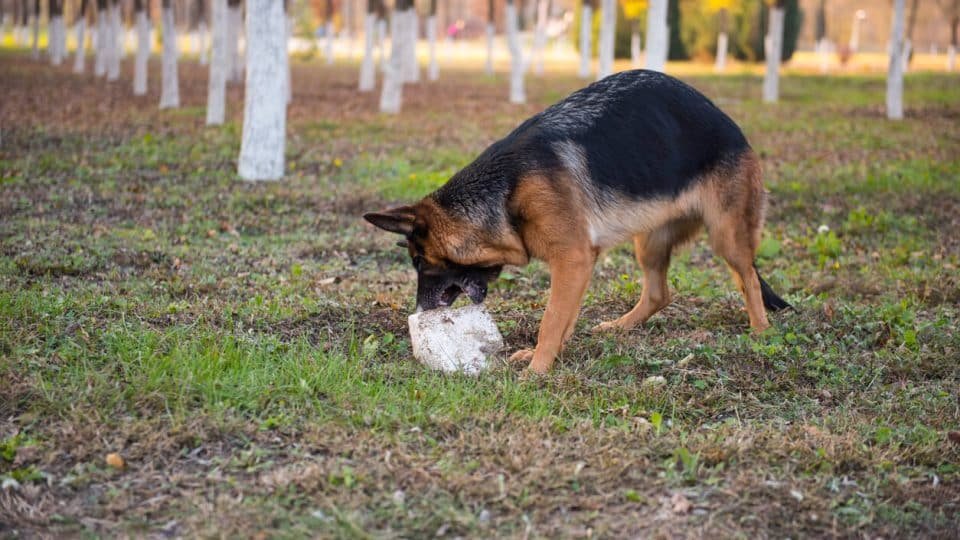
Why Is My Dog Eating Rocks? Watching your dog pick up and swallow rocks is unsettling. It looks strange, and it can be dangerous.
The good news is that this behavior almost always has a clear explanation. It can range from harmless curiosity to a medical issue that needs a vet’s attention.
Why Is My Dog Eating Rocks?
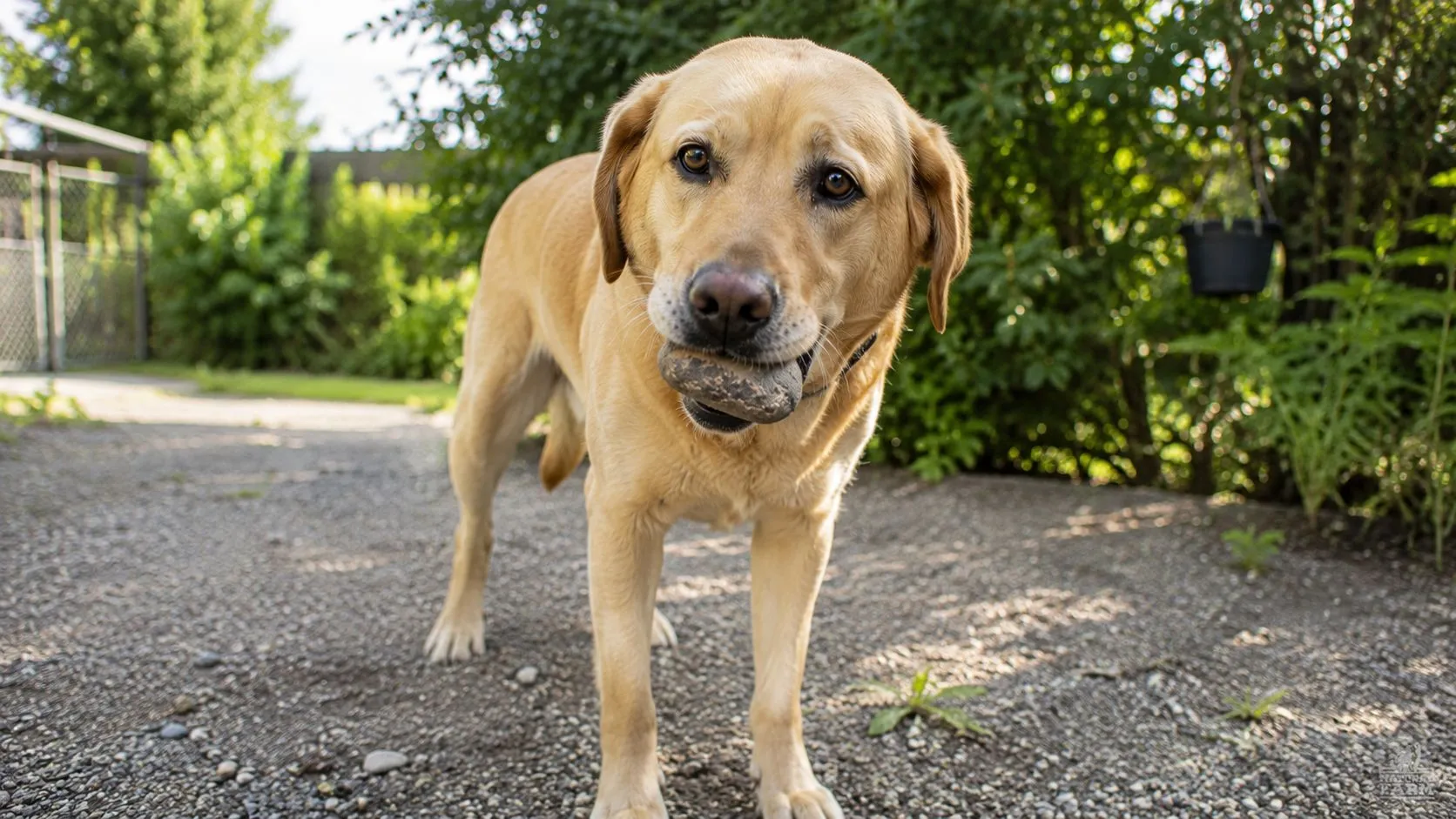
Dogs eat rocks for reasons that fall into three buckets: normal exploration, behavioral issues like boredom or anxiety, and medical causes like pica or nutrient deficiency.
Occasional rock-nibbling in puppies is usually harmless curiosity. Frequent or obsessive rock-eating in adult dogs is more likely tied to stress, hunger, or an underlying health problem.
Any rock-eating habit still carries real risk, since even one swallowed stone can cause a blockage or crack a tooth.
Is It Normal for Dogs to Eat Rocks?
Occasional licking or mouthing of rocks is common, especially in puppies. Dogs explore the world through their mouths the way toddlers do with their hands.
That said, “normal” does not mean “safe.” Even a single rock can lodge in the intestines or damage teeth, so the behavior is worth addressing no matter how casual it looks.
Frequent, repeated, or obsessive rock-eating is not considered normal and usually points to something specific going on with your dog.
Common Reasons Why Dogs Eat Rocks
Curiosity and Natural Exploration
Puppies and young dogs investigate new textures, smells, and tastes with their mouths. A rock that smells like another animal or has food residue on it is an easy target.
This is more common in open yards, gardens, or gravel driveways where dogs spend unsupervised time outside.
Boredom and Lack of Stimulation
A dog without enough physical exercise or mental enrichment will often invent their own entertainment. Chewing and swallowing rocks can become a way to pass the time.
Dogs left alone for long stretches, or those without regular walks and playtime, are especially prone to this.
Teething in Puppies
Puppies between three and six months old are cutting adult teeth, and their gums are sore. Chewing on something hard, including rocks, can relieve that discomfort.
This phase usually fades once adult teeth finish coming in, but it’s still worth redirecting to safer chew toys.
Attention-Seeking Behavior
Some dogs learn that picking up a rock gets an instant, dramatic reaction from their owner. Even a negative response, like shouting or chasing, can reinforce the habit.
If your dog seems to “perform” the behavior right in front of you, attention-seeking is a likely driver.
Anxiety and Stress
Dogs with separation anxiety or general nervousness sometimes chew or eat non-food items as a coping mechanism. Research has linked pica-type behavior to elevated anxiety in dogs.
Watch for other anxiety signs like pacing, excessive licking, destructive chewing indoors, or distress when left alone.
Pica (Compulsive Eating Disorder)
Pica is the medical term for a persistent urge to eat non-food items, including rocks, dirt, fabric, or plastic. It can stem from behavioral, nutritional, or medical roots.
Dogs with true pica tend to eat rocks compulsively, not just occasionally, and the habit is hard to redirect with toys alone.
Nutritional Deficiencies
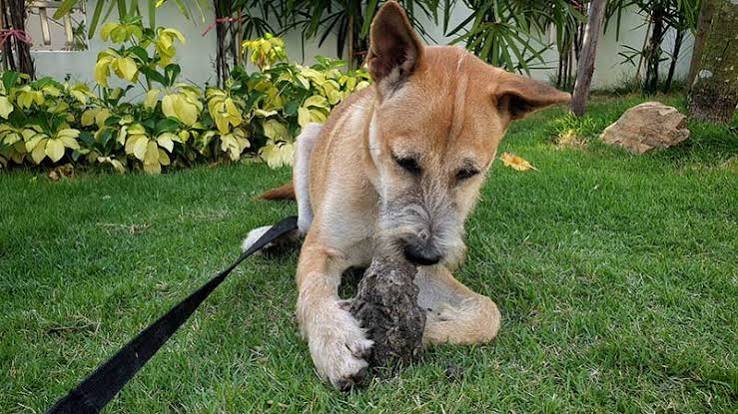
Veterinarians note that clear evidence linking rock-eating to mineral deficiency is limited, though an unbalanced or poorly formulated diet is still worth ruling out.
This is more relevant for dogs on homemade or raw diets that aren’t properly balanced, since these carry a higher risk of nutrient gaps.
Underlying Medical Conditions
Conditions that spike hunger or cause gut discomfort can drive a dog toward eating strange objects. These include diabetes, intestinal parasites, thyroid problems, and gastrointestinal disease.
A dog that suddenly starts eating rocks, especially alongside weight loss, increased thirst, or appetite changes, should be checked by a vet.
Health Risks of Dogs Eating Rocks
Dental Damage
Rocks are hard enough to crack or chip teeth. Broken teeth are painful and often need extraction or veterinary dental repair.
Intestinal Blockage
Stomach acid cannot break down rocks. A swallowed rock, or several small ones, can get stuck in the intestines and cause a life-threatening obstruction.
Choking
A rock that’s the wrong size can lodge in the throat or airway. This is a true emergency that needs immediate action.
Poisoning
Rocks picked up outdoors may carry pesticides, fertilizer residue, or other chemicals. Swallowing a contaminated rock can introduce toxins into your dog’s system.
Signs Your Dog Swallowed a Rock
| Sign | What It May Mean |
|---|---|
| Vomiting or retching | Possible blockage or gut irritation |
| Loss of appetite | Discomfort or obstruction |
| Lethargy | Pain, illness, or blockage |
| Abdominal pain or bloating | Possible intestinal obstruction |
| Straining or inability to pass stool | Blockage further down the digestive tract |
| Drooling excessively | Nausea or something stuck in the throat |
| Pawing at the mouth | Dental injury or object caught in mouth |
When to See a Vet Immediately
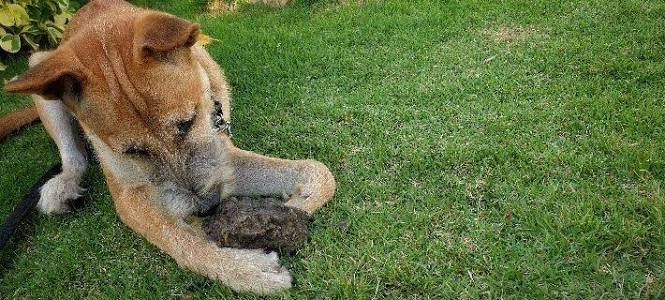
Call your vet right away if your dog shows any of the signs above, especially vomiting, lethargy, or a swollen abdomen. These can indicate a blockage that requires urgent treatment.
It’s also worth a same-day call if you know your dog swallowed a rock, even without symptoms yet, since blockages can develop over hours or days.
How to Stop Your Dog From Eating Rocks
Increase Physical Exercise
A well-exercised dog has less pent-up energy to spend on destructive habits. Daily walks, fetch, or off-leash time can make a real difference.
Add Mental Stimulation
Puzzle feeders, scent games, and rotating chew toys keep a dog’s brain engaged so rocks feel less interesting by comparison.
Manage the Environment
Block access to rock beds, gravel paths, or landscaping stones. Supervise outdoor time in yards where rocks are present.
Use Positive Reinforcement Training
Teach a reliable “leave it” or “drop it” cue and reward your dog generously when they respond. Avoid yelling or chasing, since that can reinforce the behavior through attention.
Address Anxiety Directly
If stress seems to be the trigger, calming routines, consistent schedules, and in some cases a veterinary behaviorist can help reduce the underlying anxiety.
Rule Out Medical Causes
Ask your vet about bloodwork, a fecal exam for parasites, and a diet review. Treating an underlying condition often resolves the behavior on its own.
Offer Safe Chew Alternatives
Durable rubber chew toys or vet-approved dental chews give your dog an appropriate outlet for chewing without the risks of rock ingestion.
Also Read:
- Why Is My Dog Coughing So Much? Signs & Symptoms
- Why Is My Dog Not Drinking Water but Eating? Real Reasons
- Why Is My Tongue Itchy? Common Causes & Treatments
- Why Are MRIs So Expensive? The Real Cost Explained
- Why Does My Gum Hurt When I Touch It? Causes & Relief
- Why Do My Feet Burn at Night? 9 Possible Causes
- Why Does My Mouth Hurt? Common Causes & Solutions
- Why Is My Baby Drooling So Much? Causes Explained
- Why Do My Toes Go Numb? Causes & Warning Signs
- Why Does My Toe Feel Numb? Causes, Relief & More
- Why Do Gums Bleed? Gum Disease or Something Else?
- Why Is My Eye Burning? Fast Relief Guide
- Why Does My Burp Smell Like Rotten Eggs? What It Means
- Why Does My Gum Hurt in One Spot in the Back? Causes
- Why My Tongue White? Causes & Treatment
- Why Is My Tongue Orange? Causes & Treatment
- Why Does My Tooth Hurt When I Eat Sweets? Easy Fixes
- Natural Skincare Tips for Dry Skin and Chapped Lips
- The Complete Bariatric Surgery FAQ: BMI, Diet, Exercise, and Mental Health
- Is IUI Treatment Always the First Step in Fertility Care?
- How Peptides Are Changing the Science of Bodybuilding Research
- How Cashless Health Insurance Is Transforming Patient Experience
Frequently Asked Questions (FAQs)
Why is my dog eating rocks all of a sudden?
A sudden change usually points to stress, a new environment, boredom, or a developing medical issue. It’s worth a vet check if the habit appears out of nowhere.
Is it normal for puppies to eat rocks?
Occasional mouthing of rocks is common during teething and early exploration. It’s still worth discouraging since even puppies can choke or develop blockages.
Can eating rocks kill a dog?
Yes, in serious cases. A rock lodged in the intestines can cause a fatal obstruction if it isn’t treated quickly by a vet.
What does pica mean in dogs?
Pica is a compulsive urge to eat non-food items like rocks, dirt, or fabric. It can be behavioral, nutritional, or medical in origin.
How do I know if my dog swallowed a rock?
Watch for vomiting, lethargy, loss of appetite, straining to pass stool, or a swollen belly. Any of these warrant a vet call.
Will a dog pass a small rock on its own?
Small, smooth rocks sometimes pass naturally, but there’s no reliable way to predict this at home. A vet can check with an X-ray if you’re unsure.
Should I induce vomiting if my dog eats a rock?
No, don’t do this without direct veterinary guidance. Vomiting up a rock can cause injury on the way back up, so call your vet first.
Do dogs eat rocks because of a mineral deficiency?
Some owners believe this, but veterinary evidence for a direct link is weak. A balanced, vet-approved diet still rules out one possible contributing factor.
Can boredom really cause a dog to eat rocks?
Yes. Dogs without enough exercise or mental stimulation often turn to chewing and swallowing objects, including rocks, out of restlessness.
How can I stop my dog from eating rocks in the yard?
Block access to rocky areas, supervise outdoor time, and redirect chewing to safe toys. Training a solid “leave it” cue also helps a lot.
Is rock-eating a sign of anxiety in dogs?
It can be. Anxious dogs are more likely to show pica-type behaviors as a coping mechanism, especially alongside pacing or destructive chewing.
What health problems cause a dog to eat rocks?
Diabetes, intestinal parasites, thyroid issues, and gastrointestinal disease can all increase appetite or discomfort in ways that lead to eating strange objects.
Are certain dog breeds more likely to eat rocks?
Any breed can develop the habit, though high-energy or anxious breeds that don’t get enough stimulation tend to show it more often.
What toys can replace rock-chewing?
Durable rubber chew toys, puzzle feeders, and vet-approved dental chews give dogs a safer outlet for the same chewing urge.
When should I take my dog to the emergency vet for eating rocks?
Go immediately if you see vomiting, severe lethargy, a bloated abdomen, or signs of choking. These can indicate a true emergency.
Can eating rocks damage a dog’s teeth?
Yes. Rocks are hard enough to crack or chip teeth, which can lead to pain and the need for dental treatment.
Does neutering or spaying affect rock-eating behavior?
Not directly. Rock-eating is tied to boredom, anxiety, teething, or medical issues rather than reproductive status.
How long does it take for a dog to pass a rock?
This varies by rock size and your dog’s size, and it isn’t predictable at home. A vet can monitor progress with imaging if needed.
Conclusion
Rock-eating in dogs is rarely random. It usually traces back to curiosity, boredom, anxiety, teething, or an underlying medical issue like pica or a health condition that increases hunger.
The behavior is worth taking seriously even when your dog seems fine, since a single swallowed rock can lead to a dental injury or a dangerous blockage.
Start with the basics: more exercise, mental stimulation, a supervised yard, and safer chew alternatives. If the habit continues or your dog shows any warning signs, a vet visit will help rule out medical causes and get your dog back on track.


