


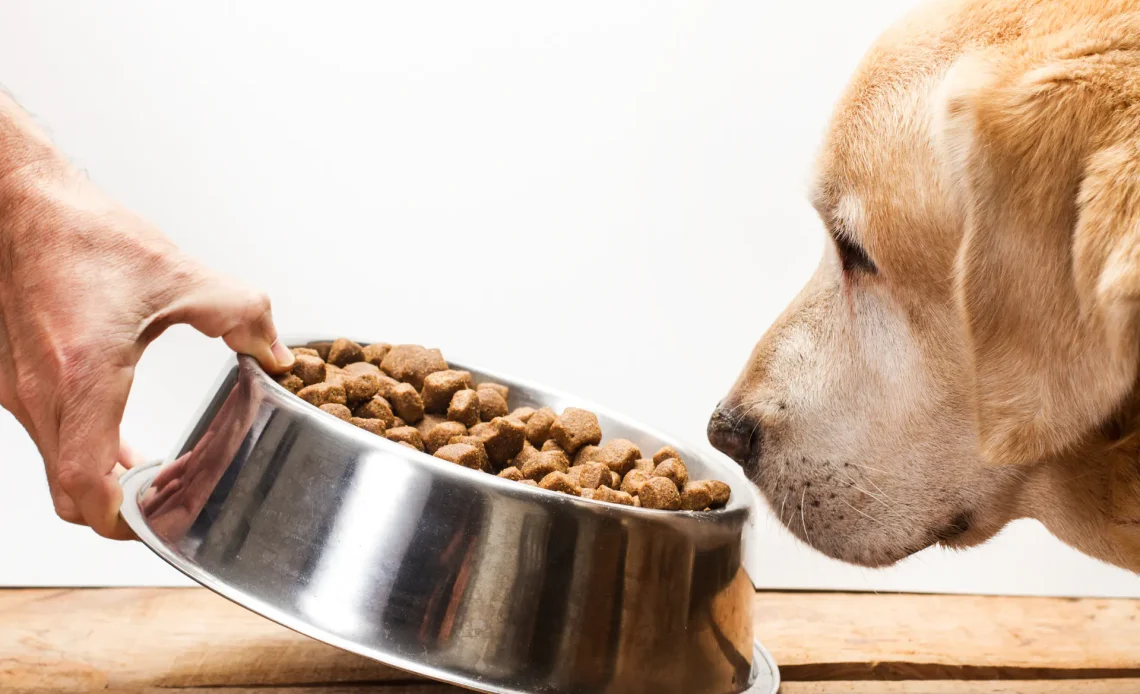
Why is my dog not drinking water but eating is one of the most concerning questions dog owners type into search engines — and for good reason.
When a dog continues eating normally but refuses to touch the water bowl, it signals that something specific is interfering with thirst rather than appetite.
While some causes are simple and resolve on their own within a day or two, others point to medical conditions that need veterinary attention before dehydration sets in.
How Much Water Should a Dog Drink Each Day
Before diagnosing the problem, it helps to know what normal looks like. A healthy dog should drink approximately one ounce of water per pound of body weight each day.
A 40-pound dog needs roughly 40 ounces — about five cups — of water daily. Puppies, nursing dogs, very active dogs, and dogs living in hot climates may need more. Dogs on wet or raw food diets often drink noticeably less because their food already contains significant moisture.
Any consistent drop below this baseline without an obvious cause is worth paying attention to. Dogs can survive without food for days, but dehydration from going without water becomes dangerous much faster — within as little as 24 to 48 hours in some cases.
Why Your Dog Is Eating but Not Drinking Water
Dental Pain and Oral Discomfort
Dental problems are one of the most common and frequently overlooked reasons a dog stops drinking water. Conditions like severe gingivitis, a cracked tooth, a tooth abscess, oral ulcers, or a foreign object lodged in the gums make it genuinely painful to lap water from a bowl.
Eating may still be possible — particularly if the food is soft — because chewing engages different mechanics than lapping and swallowing liquid. The cold or room-temperature water directly contacting a sensitive tooth or inflamed gum can trigger sharp pain that a dog quickly learns to avoid.
Look for signs like drooling, pawing at the mouth, reluctance to chew on one side, bad breath, or visible redness around the gums. A dental exam is the first step when these signs appear alongside reduced water intake.
Nausea and Gastrointestinal Upset
A dog experiencing nausea — even mild nausea — often avoids water while continuing to eat. This seems counterintuitive, but many dogs can push through the discomfort of nausea enough to eat small amounts while the idea of drinking liquid makes their stomach feel worse.
Gastrointestinal upset from dietary indiscretion (eating something they shouldn’t have), a sudden food change, mild gastroenteritis, or early stages of inflammatory bowel disease can all suppress thirst without immediately killing appetite.
If your dog is eating but also showing signs of stomach discomfort such as lip licking, grass eating, a hunched posture, or occasional retching, nausea is a very likely driver of the reduced water intake.
Wet Food or Moisture-Rich Diet
One of the simplest and most benign explanations is diet. Dogs eating wet food, raw food, or home-cooked meals with high moisture content get a significant portion of their daily fluid intake directly from their food.
Wet dog food is typically 75 to 80 percent moisture. A dog that has recently switched from dry kibble to a wet or raw diet may drink noticeably less water from their bowl — not because something is wrong, but because their hydration needs are already being partially met through food.
If your dog’s food has recently changed and no other symptoms are present, this is the most likely explanation. Monitor their overall hydration by checking gum moisture and skin elasticity rather than water bowl levels alone.
Stress and Anxiety
Dogs under stress commonly change both their eating and drinking habits. While stress typically suppresses appetite first, some dogs continue eating their familiar food out of routine but avoid drinking because anxiety disrupts normal thirst-driven behavior.
Common stress triggers include moving to a new home, the arrival of a new pet or baby, a change in the owner’s schedule, loud noises, boarding, car travel, or thunderstorms. Separation anxiety is one of the most frequent culprits — a dog that is anxious when alone may eat quickly before you leave but avoid the water bowl entirely during periods of distress.
Once the stressor is identified and addressed, normal drinking behavior usually returns within one to two days.
Unfamiliar or Unpleasant Water
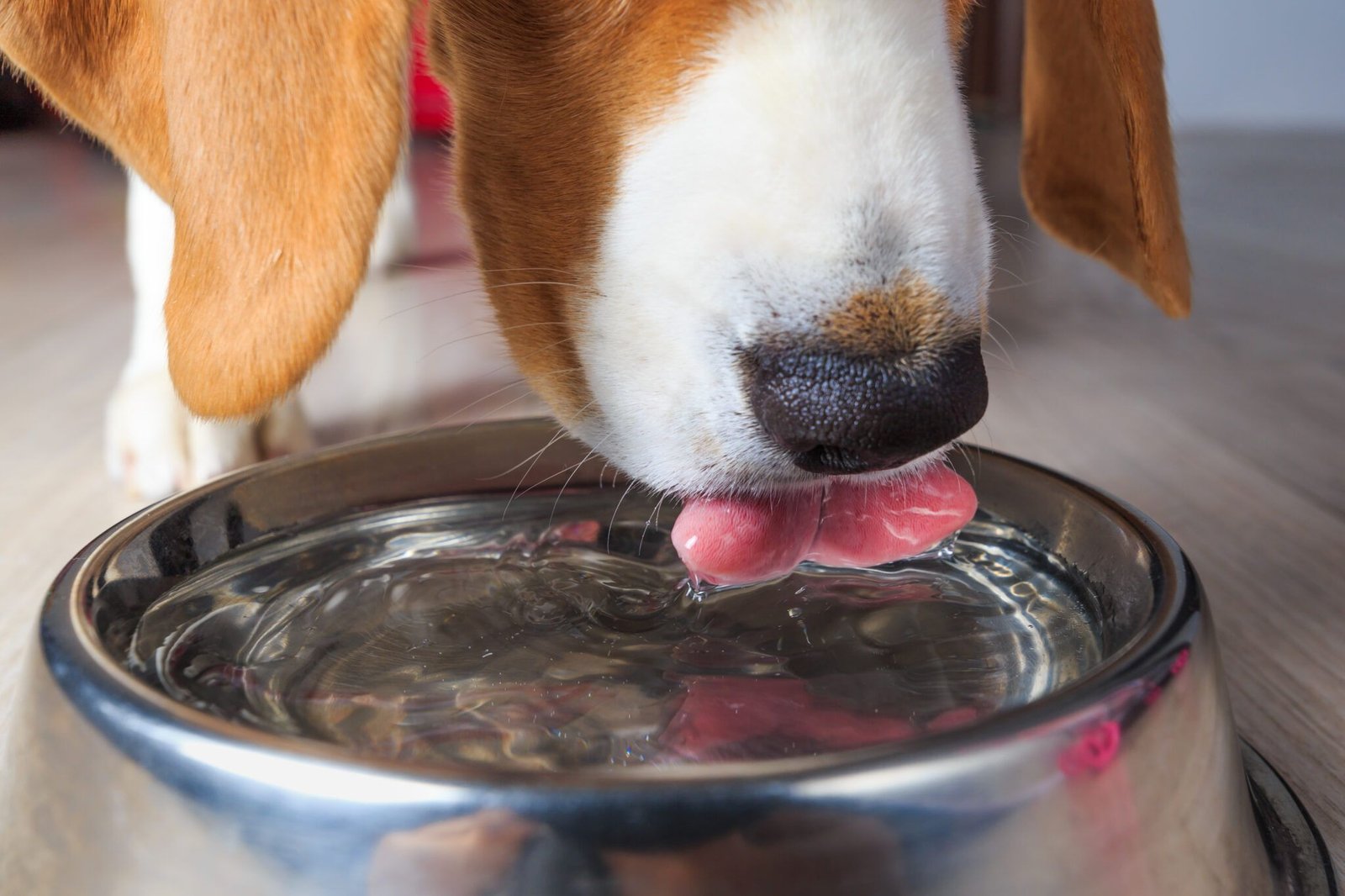
Dogs have highly sensitive noses and can detect changes in their water that humans cannot. A change in water source — switching from filtered to tap water, using a different bowl that retains chemical smells, or filling the bowl in a new location — can be enough to make some dogs reluctant to drink.
Chlorine in municipal tap water is particularly off-putting to some dogs. A dirty bowl with bacterial film, algae, or old food residue will also deter drinking even if the water itself is fresh.
Try washing the bowl thoroughly with mild soap and rinsing completely, changing to a stainless steel or ceramic bowl if currently using plastic, and offering filtered or bottled water to rule this out as a cause.
Bowl Placement and Physical Accessibility
Where the water bowl is placed matters more than most owners realize. A bowl positioned in a noisy area, a high-traffic zone, near a litter box (in multi-pet homes), or in an area where your dog has had a negative experience may be avoided simply because of location discomfort.
Dogs with arthritis, hip dysplasia, or neck and spinal pain may find it physically painful to lower their head to a floor-level bowl. The sustained bent-neck posture required to lap water can cause significant discomfort in dogs with musculoskeletal issues, even when eating from a raised bowl is manageable.
An elevated water bowl or moving the bowl to a quieter, more accessible location can make a meaningful difference for dogs with either behavioral or physical reasons for avoidance.
Recent Vaccination
It is completely normal for a dog to feel mildly unwell for 24 to 48 hours after receiving vaccinations. Mild nausea, low energy, and reduced interest in water are common post-vaccination responses.
A dog that has recently had shots and is now avoiding the water bowl but still eating should be monitored closely. In most cases, normal drinking behavior resumes within a day or two as the immune response settles down.
If reduced water intake persists beyond 48 hours after vaccination or is accompanied by more severe symptoms, contact your veterinarian.
Medical Conditions That Reduce Thirst
Several underlying medical conditions can interfere with a dog’s normal thirst drive while leaving appetite relatively intact — at least in the early stages.
| Medical Condition | How It Affects Water Intake |
|---|---|
| Kidney disease | Reduces thirst signals in early stages; later causes excessive thirst |
| Urinary tract infection (UTI) | Discomfort during urination can make dogs avoid drinking to reduce urination |
| Hypothyroidism | Slows metabolism, reducing energy, appetite variation, and sometimes thirst |
| Addison’s disease | Electrolyte imbalances disrupt normal thirst and drinking behavior |
| Liver disease | Systemic effects including nausea reduce water intake |
| Oral tumors or masses | Physical obstruction or pain makes drinking difficult |
| Upper respiratory infection | Nasal congestion reduces the ability to smell water, suppressing interest |
Any medical cause requires a veterinary diagnosis. Do not attempt to manage suspected illness at home beyond the short-term hydration strategies outlined later in this guide.
Aging and Senior Dog Changes
Older dogs experience a natural decline in their sense of smell and thirst sensitivity. A senior dog may genuinely not feel thirsty even when their body needs water, making age-related reduced water intake a real concern.
Senior dogs are also more prone to conditions like kidney disease, dental disease, and arthritis — all of which reduce willingness or ability to drink. Any sudden or gradual change in water intake in a dog over seven years old deserves a veterinary conversation rather than a wait-and-see approach.
Dehydration Itself
This sounds counterintuitive, but dehydration can suppress thirst. As a dog becomes increasingly dehydrated, lethargy sets in, and with lethargy comes reduced interest in all activities including drinking.
A mildly dehydrated dog may eat small amounts because hunger is a stronger immediate signal, but the energy required to seek and drink water feels too great. This creates a cycle where the dog becomes progressively more dehydrated without actively feeling or responding to thirst.
This is why recognizing early dehydration signs and acting quickly — before the cycle worsens — is so important.
Signs of Dehydration to Watch For
Catching dehydration early prevents it from progressing to a medical emergency. Learn these signs and check your dog regularly when water intake drops.
| Sign of Dehydration | What to Look For | Severity |
|---|---|---|
| Dry or tacky gums | Gums should be moist and slippery; dry or sticky gums indicate dehydration | Moderate |
| Skin tenting | Gently pinch the skin at the scruff; it should snap back immediately | Moderate to severe |
| Sunken eyes | Eyes appear dull and recessed rather than bright and full | Severe |
| Lethargy | Unusual tiredness, reluctance to move, slow responses | Moderate |
| Loss of appetite | Dehydration progresses to appetite loss if untreated | Worsening |
| Dark urine | Deep yellow or amber urine indicates concentrated, dehydrated state | Moderate |
| Panting without exertion | Seeking to cool down due to compromised temperature regulation | Moderate |
| Dry nose | Less reliable alone but combined with other signs warrants attention | Mild |
If your dog shows multiple signs from the moderate or severe categories, do not wait. Contact your veterinarian or an emergency animal clinic immediately.
How to Do the Skin Turgor Test at Home
The skin turgor test is one of the most reliable quick checks for dehydration you can perform at home.
Gently grasp a small fold of skin at the back of your dog’s neck or between the shoulder blades. Lift it slightly and release it. In a well-hydrated dog, the skin snaps back into place instantly.
In a dehydrated dog, the skin returns slowly or stays tented in place. The slower the return, the more significant the dehydration. If the skin stays raised for more than two to three seconds, your dog needs veterinary attention.
Practical Solutions to Get Your Dog Drinking Again
Add Water or Broth to Their Food
Adding a few tablespoons of low-sodium chicken broth or plain water directly to your dog’s dry kibble is one of the most effective ways to increase fluid intake without forcing your dog to drink from the bowl.
The appealing smell of broth encourages many reluctant drinkers to lap up the liquid along with their meal. Wet food mixed into dry food also increases moisture content significantly while maintaining familiar food palatability.
Use a Pet Water Fountain
Many dogs are attracted to moving water more than still water in a bowl. A pet water fountain keeps water circulating, which both aerates it and keeps it fresher, making it more appealing.
Some dogs that reliably ignore a standard bowl will drink readily from a fountain. It is worth trying as an early intervention, especially for dogs that have previously shown preference for running water like faucets or outdoor streams.
Offer Ice Cubes
Ice cubes are a low-effort way to deliver hydration in a format many dogs find novel and appealing. The crunchy texture satisfies chewing instinct while providing water as the ice melts.
Plain ice cubes work for most dogs. Some owners freeze low-sodium broth into ice cubes for added palatability. This works especially well during warmer months when any refreshing option is welcome.
Try a Different Bowl Material or Location
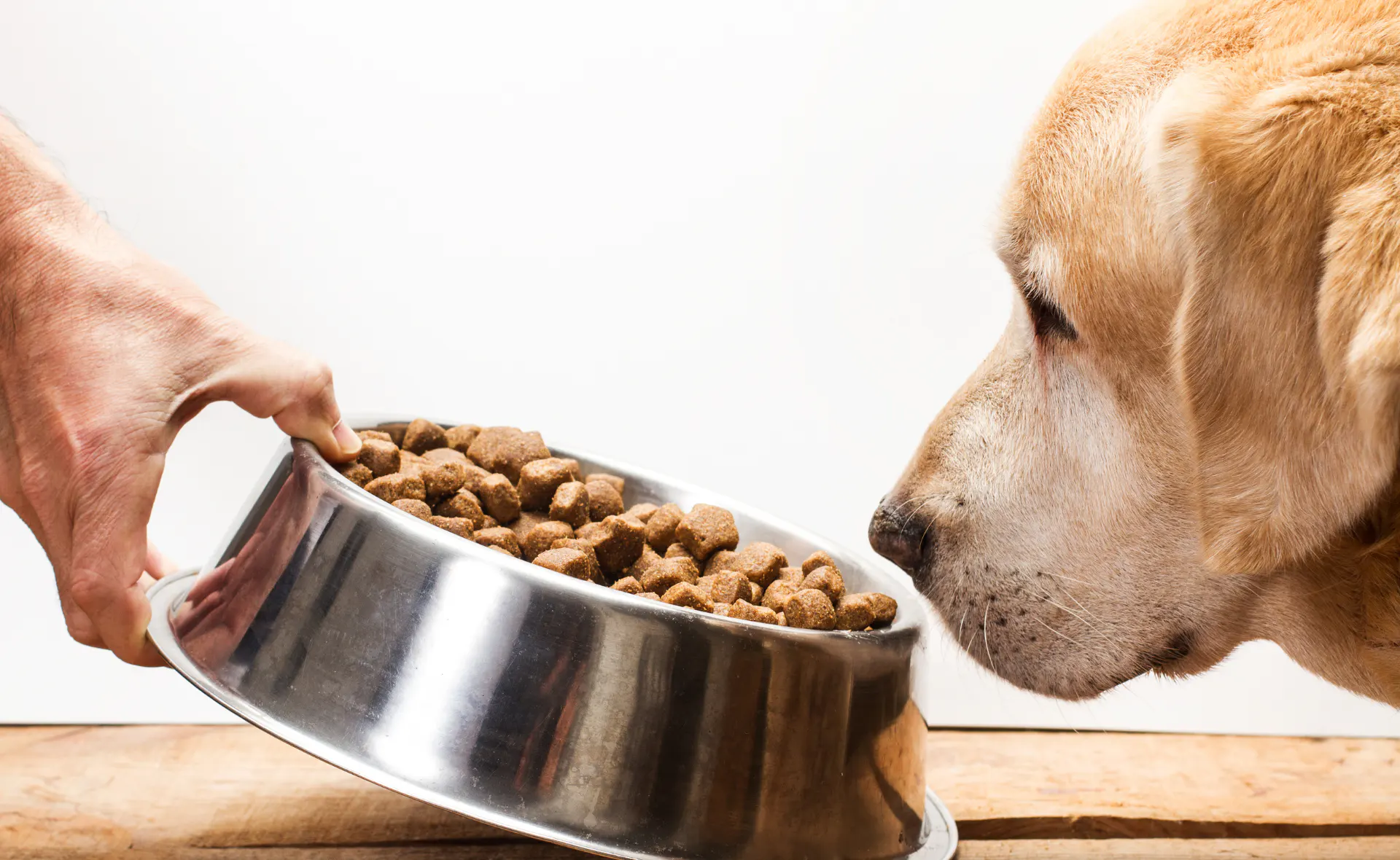
Switch from plastic to stainless steel or ceramic if you have not already. Plastic bowls can harbor bacteria and retain chemical odors that deter sensitive dogs.
Move the bowl to a quieter, calmer area of the home away from foot traffic, loud appliances, or areas where the dog has been startled in the past. Sometimes a simple location change produces an immediate improvement in drinking behavior.
Provide Multiple Water Stations
Placing water bowls in several locations throughout the home makes access easier and increases the chances your dog encounters a bowl during their normal movement through the house.
This is particularly useful for dogs with mobility issues, elderly dogs, or large multi-story homes where traveling to a single water source requires significant effort. More access points mean more opportunities to drink without a special trip.
Flavor the Water
Adding a small splash of low-sodium chicken, beef, or bone broth to the water bowl makes it more enticing for picky drinkers. The scent draws the dog in and the familiar flavor encourages lapping.
Use broths specifically labeled low-sodium or no added salt, as regular commercial broths contain onion and garlic compounds that are toxic to dogs. Homemade plain broth with no seasoning is the safest option.
Use Positive Reinforcement
Praise your dog calmly and offer a small treat immediately after they drink from the bowl. Over time this creates a positive association with the water bowl and reinforces the drinking behavior.
This works particularly well for stress-related or anxiety-driven avoidance. Pairing a calm environment, a fresh bowl, and positive reinforcement creates a new, less charged relationship with the water station.
When to Call the Vet
Most dogs that skip water for a few hours or show mild reduction over one day are not in immediate danger — especially if they are on a wet food diet or are otherwise behaving normally.
However, certain situations require veterinary contact without delay.
Call Your Vet If
Your dog has not drunk any water for more than 24 hours. Your dog is showing signs of moderate to severe dehydration. There are additional symptoms alongside reduced water intake — vomiting, diarrhea, lethargy, weight loss, changes in urination, or visible pain.
Your dog is a puppy, a senior, pregnant, nursing, or has a known chronic health condition. Any of these factors makes reduced water intake significantly more urgent.
Your dog has been eating but is now also losing interest in food. A dog that was eating but not drinking, and has now stopped eating too, has escalated to a more serious situation.
Reduced Water Intake by Cause — Quick Reference
| Cause | Expected Duration | Home Management | Vet Needed? |
|---|---|---|---|
| Wet food diet change | Ongoing — normal | Monitor hydration signs | No unless signs develop |
| Post-vaccination lethargy | 24–48 hours | Monitor, offer ice and broth | If beyond 48 hours |
| Stress or environmental change | 1–3 days | Identify stressor, calm environment | If persists beyond 3 days |
| Dirty or unfamiliar bowl | Resolves quickly | Clean bowl, try new location | No |
| Dental pain | Ongoing until treated | Broth in food, soft food | Yes — dental exam needed |
| Nausea / GI upset | 1–2 days mild cases | Bland diet, monitor | If vomiting or worsening |
| Arthritis / joint pain | Ongoing | Elevated bowl, assisted access | Yes — pain management |
| Kidney disease | Progressive | Veterinary-guided management | Yes — urgently |
| UTI or bladder issue | Until treated | Encourage fluids, vet visit | Yes |
| Dehydration cycle | Worsening without action | Emergency hydration steps | Yes — immediately |
Monitoring Hydration Between Vet Visits
If your dog has been evaluated and cleared of immediate medical issues but is still a low drinker, building a daily hydration monitoring habit keeps you ahead of any developing problems.
Keep a simple written log or phone note of how much water your dog consumes daily. Use a measuring cup to fill the bowl and record what remains at the end of the day to calculate actual intake.
Track this alongside food consumption, energy levels, urine color and frequency, and stool quality. Patterns in this data are far more useful to your vet than a single day observation and help catch slow-developing conditions like kidney disease or urinary tract problems early.
Special Cases Worth Knowing About
Puppies Not Drinking Water
Puppies are especially vulnerable to dehydration because of their smaller body size and faster metabolic rate. A puppy that is eating but not drinking water for more than 12 hours should be seen by a vet — do not apply the same 24-hour window used for adult dogs.
Very young puppies recently weaned may also simply not have fully learned to drink from a bowl yet. Offering water in a very shallow dish or saucer can help during the transition period.
Senior Dogs Not Drinking Water
Senior dogs over seven years old that reduce their water intake without an obvious environmental reason almost always have an underlying cause worth investigating. Kidney disease, dental disease, hypothyroidism, and cognitive decline are all more prevalent in older dogs and all affect water intake.
Do not dismiss reduced water intake in a senior dog as simply old age. An annual blood panel and urinalysis — or more frequently if your vet recommends — catches most of these conditions at a manageable stage.
Dogs Recovering From Illness or Surgery
Dogs recovering from any illness, procedure, or surgery may drink less as part of their recovery. Residual nausea from anesthesia, medication side effects, and general post-operative discomfort all contribute.
Follow your vet’s post-procedure hydration guidance closely. If your recovering dog is eating but not drinking and your vet did not provide specific instructions on this, call the clinic for guidance rather than managing it without professional input.
Frequently Asked Questions (FAQs)
Why is my dog not drinking water but eating normally?
Your dog may be getting enough moisture from wet food, experiencing mild nausea, or avoiding the bowl due to dental pain, stress, or bowl-related issues. Monitor for other symptoms and check hydration signs within 24 hours.
How long can a dog go without drinking water?
Dogs can survive without water for roughly 24 to 72 hours depending on size, health, and environmental conditions. Even mild dehydration within 24 hours can cause harm — do not wait more than one day before acting or calling your vet.
How do I know if my dog is dehydrated?
Check gum moisture — healthy gums feel slippery and moist. Perform the skin turgor test by pinching the scruff; it should spring back instantly. Sunken eyes, dark urine, lethargy, and panting without exertion are additional dehydration signs.
Could wet food be the reason my dog drinks less water?
Yes, absolutely. Wet food is 75–80% moisture, which significantly reduces how much a dog needs to drink from their bowl. If your dog recently switched to wet or raw food and is otherwise healthy, reduced bowl drinking is likely normal.
Can dental problems stop a dog from drinking water?
Yes. Tooth pain, abscesses, gingivitis, and oral injuries make the act of lapping cold water extremely painful. Dogs with dental issues often avoid the water bowl specifically while still managing to eat soft food.
Should I add broth to my dog’s water to encourage drinking?
Yes, low-sodium chicken or beef broth is safe and effective for encouraging reluctant drinkers. Always use no-onion, no-garlic, low-sodium versions or plain homemade broth — never regular seasoned commercial soups.
Can stress make my dog stop drinking water?
Yes. Anxiety from environmental changes, separation, travel, new pets, or loud events suppresses normal thirst behavior. Once the stressor is resolved, most dogs return to normal drinking within one to two days.
My puppy is eating but not drinking water — is this an emergency?
For puppies, yes — act faster than you would with an adult dog. A puppy not drinking for 12 hours or more should be seen by a vet. Their small size makes dehydration develop quickly and become dangerous.
What medical conditions cause a dog to stop drinking water?
Kidney disease, urinary tract infections, dental disease, hypothyroidism, Addison’s disease, upper respiratory infections, liver disease, and oral tumors can all reduce a dog’s willingness or ability to drink water.
When should I take my dog to the vet for not drinking water?
See a vet if your dog has not drunk water for more than 24 hours, shows any dehydration signs, has other symptoms like vomiting or lethargy alongside the reduced intake, or is a puppy, senior, pregnant, or has a known health condition.
Conclusion
Why is my dog not drinking water but eating comes down to a spectrum of causes — from the completely benign, like a switch to moisture-rich wet food, to the medically urgent, like dental disease, kidney problems, or progressing dehydration.
The key is reading the full picture: how long has this been happening, what else has changed, and are there any additional symptoms pointing toward something more serious.
Start with the simple checks — bowl cleanliness, bowl placement, diet moisture content, and recent stressors — and apply the hydration encouragement strategies outlined here.
If nothing improves within 24 hours or any concerning signs appear alongside the reduced drinking, call your veterinarian without delay.
Staying ahead of dehydration is always easier than treating its consequences, and your dog’s long-term health in 2026 depends on catching these changes early.


