



Flight of the Bumblebee Sheet Music represents one of classical music’s most thrilling and technically demanding compositions for pianists worldwide.
Composed by Nikolai Rimsky-Korsakov between 1899-1900 as an orchestral interlude for his opera “The Tale of Tsar Saltan,” this whirlwind piece has become a benchmark for musical virtuosity.
Whether you’re searching for free PDF downloads, beginner-friendly simplified versions, or the authentic Rachmaninoff piano arrangement, finding quality Flight of the Bumblebee sheet music opens doors to mastering this iconic composition that continues captivating audiences with its breathtaking speed and brilliant chromatic passages.
Understanding Flight of the Bumblebee
Flight of the Bumblebee originated as an orchestral interlude in Rimsky-Korsakov’s opera. The piece depicts the magical transformation of Prince Gvidon into a bumblebee, musically illustrating the insect’s rapid, buzzing flight through chromatic runs.
The composition lasts approximately 1-2 minutes when performed at tempo. Despite its brevity, it packs incredible musical intensity and technical challenges that test even the most accomplished pianists.
Rimsky-Korsakov was renowned for his orchestration skills. His original scoring for full orchestra creates the buzzing effect through rapid string passages, which translates brilliantly to piano arrangements.
Original Key and Musical Structure
The piece is primarily written in A minor. This key provides a natural framework for the chromatic passages that define the composition’s character and buzz-like quality.
The tempo marking is typically Vivace, around 160-200 BPM. This extremely fast pace creates the frenetic energy that mimics a bumblebee’s erratic flight patterns through the air.
The structure consists of continuous chromatic runs with minimal harmonic rest. Unlike traditional compositions with clear verse-chorus patterns, this piece maintains relentless forward momentum throughout its duration.
Famous Piano Arrangements

Rachmaninoff’s Piano Transcription
Sergei Rachmaninoff created the most celebrated piano arrangement. His 1929 transcription brilliantly adapts the orchestral version for solo piano, maintaining every detail while showcasing pianistic virtuosity.
Rachmaninoff’s version spans approximately 6 pages of music. It preserves the original A minor key while adding his characteristic harmonic richness and performance indications throughout.
This arrangement is considered Level 6 or Expert difficulty. It demands exceptional finger independence, speed, accuracy, and endurance from performers attempting this masterwork.
Simplified Beginner Versions
Beginner arrangements slow down the tempo significantly. These versions often reduce the chromatic complexity and feature larger note values, making the piece accessible to pianists with 2-3 years of experience.
Simplified editions typically span 2-4 pages. They capture the melody’s essence while eliminating the most technically challenging passages that define the advanced versions.
Letter notation versions exist for absolute beginners. These arrangements use alphabet letters instead of traditional notation, helping new players learn the famous melody quickly.
Intermediate Adaptations
Intermediate versions balance authenticity with playability. They maintain faster tempos than beginner editions while simplifying some of the most demanding chromatic runs and hand coordination requirements.
These arrangements usually require Grade 6-8 proficiency. Players need solid technical foundation including scales, arpeggios, and comfortable sight-reading at moderate tempos.
Intermediate editions often include helpful fingering suggestions. These numbered indications guide hand positioning for smoother execution of challenging passages throughout the piece.
Where to Find Free Sheet Music
MuseScore Platform
MuseScore offers numerous free Flight of the Bumblebee arrangements. The platform hosts user-generated versions ranging from beginner to advanced, all available for instant PDF and MIDI download.
You can transpose arrangements to different keys on MuseScore. This feature helps accommodate various skill levels or personal preferences without purchasing multiple versions.
The community rating system helps identify quality arrangements. User reviews and download counts indicate which transcriptions are most accurate and well-formatted.
IMSLP (Petrucci Music Library)
IMSLP provides public domain classical sheet music legally. As Rimsky-Korsakov’s work predates copyright protection, authentic historical editions are freely accessible on this comprehensive platform.
The site includes the original orchestral score. Studying the full orchestral version helps pianists understand the piece’s intended character and instrumental colors.
Various historical piano arrangements are available. Comparing different transcriptions from various eras reveals evolving performance practices and interpretive approaches.
8notes and Free-Scores
8notes offers free Flight of the Bumblebee piano sheet music. The platform provides straightforward PDF downloads with integrated playback features for hearing the arrangement before practicing.
Free-Scores hosts multiple arrangement levels and instrumentation options. Beyond piano versions, you’ll find arrangements for violin, clarinet, flute, and other instruments.
Both platforms include MIDI playback functionality. This feature allows you to hear how the piece should sound and adjust playback tempo for practice purposes.
PianoCoda and Similar Resources
PianoCoda provides professionally engraved free editions. Their high-quality typesetting ensures excellent readability, with clear notation and appropriate page formatting for practice and performance.
The site grades each piece according to difficulty. Flight of the Bumblebee typically appears at Grade 10, indicating late-advanced to professional-level technical requirements.
Reference audio recordings accompany the sheet music. These professional performances demonstrate proper interpretation, tempo, and stylistic nuances for the piece.
Paid Sheet Music Options
Musicnotes Digital Downloads
Musicnotes offers licensed professional arrangements. Their Flight of the Bumblebee editions include various difficulty levels, all properly formatted with clear printing and instant digital delivery.
Prices typically range from $4.99 to $7.99 per arrangement. This investment guarantees accurate transcriptions with proper licensing that supports composers and arrangers.
The platform provides transposition tools at no extra cost. You can shift any arrangement to different keys instantly before purchasing or printing.
Sheet Music Plus Collection
Sheet Music Plus features comprehensive arrangement catalogs. They stock versions from major publishers like Hal Leonard, Alfred Music, and specialized classical music imprints.
Print and digital formats are both available. Choose traditional paper delivery or instant PDF download depending on your preferences and practice needs.
Preview samples allow informed purchasing decisions. Review the first page before buying to ensure the arrangement matches your skill level and expectations.
Virtual Sheet Music Subscriptions
Virtual Sheet Music offers subscription-based access to vast libraries. A monthly fee provides unlimited downloads from thousands of classical pieces including multiple Flight of the Bumblebee arrangements.
Interactive features enhance digital practice sessions. Adjustable tempo, scrolling notation, and synchronized highlighting support effective learning and skill development.
The platform includes performance notes and historical context. These annotations deepen musical understanding beyond mere note reading and technical execution.
Difficulty Levels Explained
Grade 10 and Professional Level
The authentic Rachmaninoff arrangement sits at Grade 10. This highest classical piano grade demands years of serious study, exceptional technical facility, and advanced musical maturity.
Professional-level versions require 8-10 years of piano study minimum. Players need mastery of advanced techniques including rapid scales, chromatic passages, and sustained high-speed playing.
Conservatory students and concert pianists typically perform this version. The technical demands place it alongside other virtuosic showpieces in the advanced repertoire.
Upper Intermediate Requirements
Intermediate versions typically rank around Grade 6-8 difficulty. These arrangements maintain much of the piece’s character while reducing some extreme technical demands for developing pianists.
Players need comfortable octave spans and finger independence. Hand coordination at moderately fast tempos becomes essential for executing the chromatic runs smoothly.
Solid scale and arpeggio foundations are prerequisites. Without fluent technique in fundamental patterns, learning Flight of the Bumblebee becomes frustratingly difficult regardless of arrangement simplification.
Beginner and Elementary Adaptations
Beginner versions might start around Grade 3-4 difficulty. These heavily simplified arrangements capture the melody’s recognizable elements while eliminating most chromatic complexity.
Young students can tackle these easier versions successfully. They provide motivation through playing a famous piece while building foundational skills for eventually approaching harder arrangements.
Elementary adaptations often use both hands in unison. This approach reinforces the melody while avoiding complex independence requirements too challenging for newer players.
Technical Challenges and Solutions
Chromatic Scales Mastery
The piece consists primarily of chromatic scale patterns. Mastering chromatic fingering in both hands becomes fundamental before attempting to learn the actual composition.
Practice chromatic scales daily in all keys. Start slowly at 60 BPM and gradually increase speed while maintaining evenness, clarity, and relaxed hand position.
Use a metronome religiously during chromatic practice. Subdividing beats helps maintain rhythmic precision and prevents rushing through passages or developing uneven finger technique.
Speed Development Strategies
Start practicing at 25-50% of performance tempo. This foundationally slow approach builds accurate muscle memory and prevents mistakes from becoming ingrained through hurried practice.
Gradually increase tempo in small increments weekly. Adding 5-10 BPM per practice session allows technical adjustment without overwhelming your coordination or finger control.
Use rhythm variations to build speed systematically. Practice in dotted rhythms, reverse dotted patterns, and accent shifts to strengthen weak fingers and improve overall evenness.
Hand Independence Coordination
Both hands frequently play different chromatic patterns simultaneously. This independence requirement challenges even experienced pianists, requiring focused practice and mental concentration.
Practice each hand separately until fluent. Only combine hands after achieving comfortable speed and accuracy in isolation for each individual part.
Start hands-together practice at extremely slow tempos. This methodical approach allows conscious attention to coordination details before speed obscures technical issues.
Endurance Building
The relentless pace creates significant physical fatigue. Building muscular endurance becomes essential for performing the piece completely without tension or loss of control.
Practice in short bursts with frequent rest breaks. Playing 4-8 measures, then resting prevents overuse injuries while gradually building stamina for longer passages.
Focus on relaxation and efficient movement. Tension wastes energy and limits speed, so maintaining loose wrists and shoulders while playing proves crucial.
Learning the Piece Step by Step
Initial Score Analysis
Study the sheet music before touching the piano. Identify repeated patterns, harmonic sequences, and structural divisions that provide mental roadmaps through the continuous chromatic runs.
Mark fingerings carefully throughout the score. Consistent fingering choices prevent confusion and enable muscle memory development for reliable performance under pressure.
Listen to multiple professional recordings actively. Comparing interpretations reveals different approaches to tempo, dynamics, and character while informing your own artistic choices.
Slow Practice Methodology
Begin at 40-60 BPM regardless of skill level. This glacially slow pace allows perfect accuracy and develops the precise motor control necessary for eventual speed.
Play with exaggerated finger articulation initially. Lifting fingers high and striking keys deliberately builds strength and clarity that translates to cleaner fast playing.
Record slow practice sessions regularly. Playback reveals rhythm inconsistencies, missed notes, and technical issues that feel unnoticeable while actively playing.
Section-by-Section Approach
Divide the piece into 4-8 measure segments. Master each section individually before linking them together into larger phrases and eventually the complete composition.
Identify particularly challenging measures for extra attention. Spend disproportionate practice time on difficult passages rather than running through easy sections repeatedly.
Create practice loops of problematic spots. Playing challenging measures 20-30 times consecutively builds specific muscle memory and confidence for those particular patterns.
Gradual Tempo Acceleration
Increase speed only after achieving consistent accuracy. Playing mistakes quickly ingrains errors, while slow correct practice develops reliable technique that supports eventual speed.
Use percentage-based tempo goals rather than specific BPMs. Aiming for 110% of your current comfortable speed provides realistic, achievable weekly progress targets.
Test performance tempo in short segments first. Playing 8-16 measures at target speed reveals readiness better than attempting the complete piece prematurely.
Performance Tips and Techniques

Proper Hand Position
Maintain curved fingers with relaxed knuckles throughout. This ergonomic position enables rapid finger movement while preventing tension that limits speed and causes injury.
Keep wrists level and flexible, never locked. Slight rotational movements accommodate hand position changes during chromatic passages without rigid, tense positioning.
Position thumbs loosely rather than tucked underneath. Flexible thumb placement facilitates smooth chromatic fingering and prevents awkward hand twisting during rapid passages.
Dynamic Expression
The piece shouldn’t be monotonously loud throughout. Subtle dynamic shading adds musical interest and prevents listener fatigue despite the relentless tempo and buzzing character.
Create crescendos and diminuendos following the chromatic contours. Rising passages can increase volume naturally, while descending runs might decrease, mimicking the bumblebee’s varying flight proximity.
Save your loudest dynamics for climactic moments. Strategic dynamic placement creates dramatic impact rather than constant fortissimo that becomes musically exhausting.
Pedaling Considerations
Minimal pedaling suits this piece best. The rapid chromatic motion creates muddiness if sustained with heavy pedal, so dry articulation maintains clarity.
Use flutter pedaling technique sparingly. Quick pedal taps on downbeats can add subtle resonance without blurring the rapid note sequences.
Experiment with una corda pedal for color variation. The soft pedal changes timbre without affecting clarity, offering expressive possibilities in softer dynamic sections.
Mental Preparation
Visualize successful performances before playing. Mental rehearsal activates similar neural pathways as physical practice, building confidence and reducing performance anxiety.
Memorize the piece thoroughly for secure performances. Relying on muscle memory rather than reading allows focus on expression and technique during high-pressure performance situations.
Develop concentration stamina through meditation or mindfulness. Maintaining intense focus throughout the brief but demanding piece prevents mental lapses that cause technical breakdowns.
Different Instrumental Arrangements
Violin Transcriptions
Flight of the Bumblebee translates brilliantly to violin. The single-line melody naturally suits the instrument’s range and capabilities, creating spectacular solo showpieces for string players.
Violinists must master rapid string crossings. The chromatic runs require bow control and left-hand agility comparable to pianists’ finger challenges.
Famous violinists have recorded notable performances. Jascha Heifetz’s iconic interpretation set standards that influence violinists’ approaches to this day.
Clarinet and Woodwind Versions
Clarinet arrangements are extremely popular. The instrument’s agility and range suit the piece perfectly, making it a staple audition and recital work for clarinetists.
Flute versions showcase brilliant technical display. The flute’s natural brightness enhances the buzzing character while demanding exceptional breath control and finger speed.
Saxophone transcriptions offer jazz-influenced interpretations. Some arrangers add harmonic backgrounds and jazz phrasing to create unique versions of the classical original.
Orchestral and Ensemble Editions
The original orchestral version remains widely performed. Symphony orchestras include it in pops concerts and lighter classical programs for its crowd-pleasing excitement.
Chamber ensemble arrangements provide unique colors. String quartet or woodwind quintet versions distribute the technical challenges among multiple players creatively.
Brass ensemble transcriptions create powerful interpretations. Trumpet, trombone, and tuba versions emphasize bold, brilliant sonorities distinct from the original string conception.
Historical Context and Composer Background
Nikolai Rimsky-Korsakov Biography
Rimsky-Korsakov lived from 1844 to 1908. This Russian composer became renowned for brilliant orchestration, exotic harmonies, and incorporation of Russian folk elements into classical forms.
He served as a naval officer before focusing on music. This unusual background influenced his compositional interests, including programmatic works depicting nature and fantastical subjects.
Rimsky-Korsakov taught several famous composers including Igor Stravinsky. His pedagogical influence shaped early 20th-century Russian classical music significantly through his numerous talented students.
The Tale of Tsar Saltan Opera
The opera premiered in 1900 in Moscow. Based on a Pushkin fairy tale, it tells fantastical stories of Prince Gvidon’s adventures after being cast away.
Flight of the Bumblebee occurs in Act III. The music accompanies Prince Gvidon’s magical transformation into a bumblebee, allowing him to fly and eavesdrop on conversations.
The opera enjoys continued popularity in Russia. While less known internationally than some works, it remains a beloved part of Russian cultural repertoire.
Cultural Impact Over Time
The piece transcended its operatic origins quickly. Its brilliant virtuosity and recognizable character made it a standalone concert favorite within years of composition.
It appears frequently in popular culture worldwide. Films, television shows, commercials, and video games use it to convey frantic energy, speed, or comedic rushing scenarios.
Modern artists continue reinterpreting the work. From heavy metal arrangements to electronic remixes, Flight of the Bumblebee inspires creative adaptations across musical genres.
Practice Tools and Resources
Metronome Applications
Digital metronomes offer subdividing features. Apps like Soundbrenner or Pro Metronome break beats into smaller units, helping maintain precision during rapid chromatic passages.
Gradually accelerating metronomes aid tempo development. Programs can increase speed automatically over time, systematically pushing your comfortable playing tempo higher.
Visual metronomes reduce auditory distractions. Flashing lights or screen animations provide timing reference without competing with musical listening during practice.
Slow-Down Software
Amazing Slow Downer preserves pitch while reducing tempo. This tool allows you to hear recordings at practice speeds without the chipmunk effect of traditional speed changes.
Transcribe! software offers detailed loop functions. You can isolate difficult passages from recordings, slow them down, and practice along repeatedly.
YouTube playback speed controls provide free alternatives. Adjusting video speed to 0.25x or 0.5x lets you study performances in slow motion easily.
MIDI Learning Tools
Synthesia provides falling-note visualization for MIDI files. This video-game-like interface helps visual learners understand note timing and hand positions intuitively.
MIDI files offer isolated hand practice opportunities. Muting one hand’s channel lets you play along with perfect timing for the other part.
Digital piano MIDI recording enables objective assessment. Recording your practice and analyzing MIDI data reveals timing inconsistencies and note accuracy issues.
Video Tutorials
YouTube hosts numerous Flight of the Bumblebee tutorials. Professional pianists break down technical challenges, demonstrate practice techniques, and share performance insights.
Slow-motion hand position videos reveal fingering choices. Watching experts’ hand movements frame-by-frame clarifies optimal technique for challenging passages.
Multiple camera angles enhance video tutorial value. Overhead shots show both hands simultaneously while side angles reveal wrist position and finger curvature.
Common Mistakes to Avoid
Rushing the Tempo
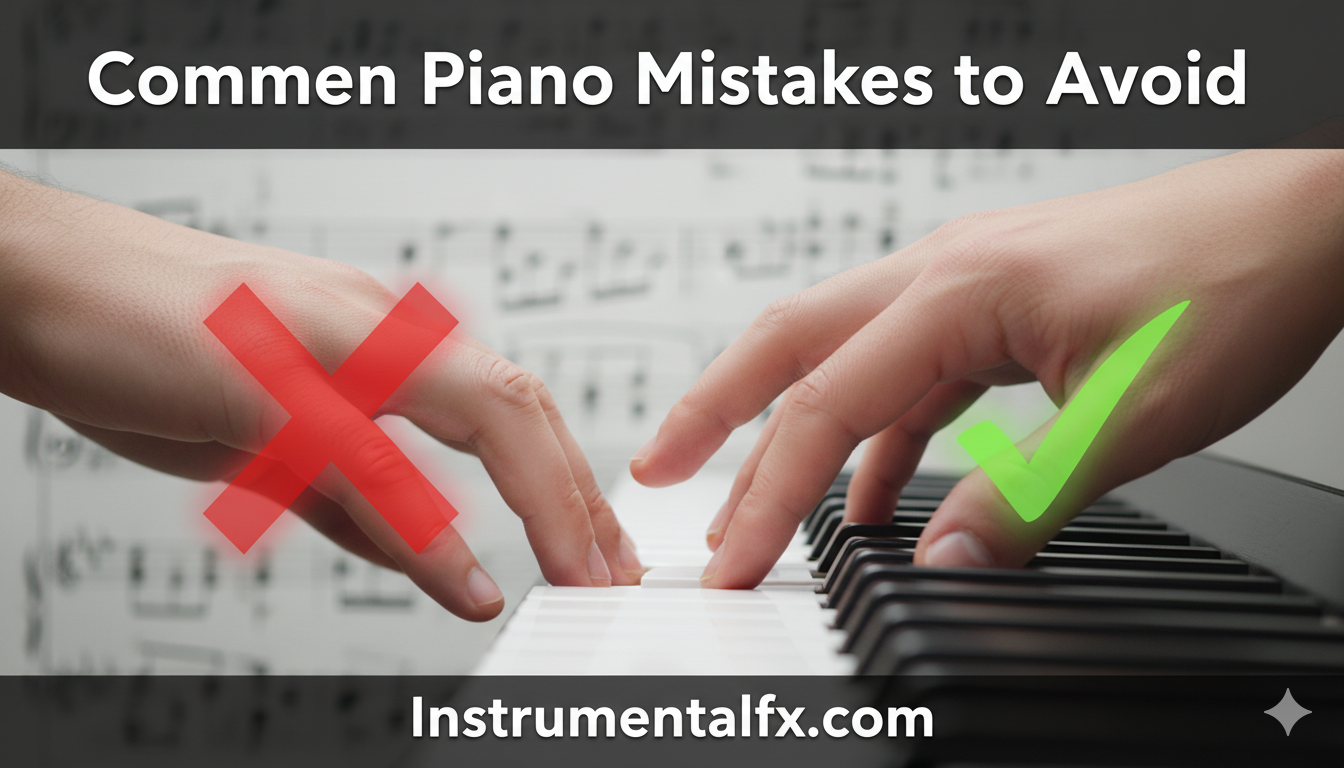
Playing faster than technical ability allows causes sloppy execution. This common mistake leads to missed notes, uneven rhythm, and overall poor musical quality.
Speeding up during familiar easy sections happens unconsciously. Using a metronome consistently prevents tempo fluctuation and maintains steady pulse throughout.
Racing to the finish line ruins musical impact. Even professionals must resist the temptation to accelerate inappropriately toward the piece’s conclusion.
Tension and Injury Risk
Gripping the piano with tense muscles limits speed potential. Excessive tension also causes pain, repetitive strain injuries, and long-term damage requiring medical intervention.
Warning signs include hand cramping or forearm pain. These symptoms indicate technique problems requiring immediate attention before serious injury develops.
Take breaks at first signs of discomfort. Pushing through pain never builds productive practice; it only creates injury that prevents playing altogether.
Neglecting Musical Expression
Treating the piece as merely technical exercise misses artistic potential. Even at extreme speeds, Flight of the Bumblebee offers opportunities for phrasing and dynamic nuance.
Mechanical, unmusical performances bore audiences quickly. Adding subtle expression transforms technical display into engaging musical communication that captivates listeners.
Study the programmatic context for interpretive inspiration. Understanding the bumblebee’s flight narrative informs artistic choices about character and emotional content.
Inconsistent Fingering
Changing fingerings between practice sessions creates confusion. Muscle memory develops from repetition with identical physical movements, not random variations.
Write fingerings in your score permanently. Clear, consistent fingering choices eliminate decision-making during performance, allowing focus on musical execution.
Practice new fingerings slowly until automatic. Switching fingering systems requires patient retraining at reduced tempos before speed attempts.
Comparison of Popular Editions
Rachmaninoff vs. Original Score
Rachmaninoff’s arrangement adapts orchestral textures pianistically. His version preserves Rimsky-Korsakov’s musical content while optimizing for piano’s unique capabilities and limitations.
The original orchestral score distributes material across instruments. Understanding this distribution helps pianists imagine orchestral colors while playing solo arrangements.
Rachmaninoff adds interpretive markings throughout. His performance indications reflect early 20th-century Russian piano tradition and his personal artistic vision.
Public Domain vs. Modern Editions
Public domain editions offer free accessibility. Historical prints from early 20th century provide authentic period sources without copyright restrictions or purchase requirements.
Modern commercial editions include editorial improvements. Contemporary publishers add fingerings, performance notes, and improved engraving for enhanced readability.
Quality varies significantly in free sources. Public domain scans may have unclear notation, missing measures, or other issues requiring verification against reliable editions.
Simplified Arrangements Comparison
Different publishers create varying difficulty reductions. Some maintain more authentic character through minimal simplification while others prioritize maximum accessibility for beginners.
Examine sample pages before selecting simplified versions. Ensuring the arrangement matches your specific technical level prevents frustration from inappropriate difficulty choices.
Some simplified editions include accompaniment parts. Piano duet or teacher accompaniment versions allow less advanced students to perform with harmonic support.
Preparing for Performance
Memory Work Strategies
Memorize in small chunks using multiple reinforcement methods. Combine visual memory (seeing notation), aural memory (hearing sounds), and kinesthetic memory (feeling movements) for reliable recall.
Test memory by starting from different points. Random entry practice reveals weak memorization spots requiring additional reinforcement before performance.
Mental practice away from the piano strengthens memory. Visualizing fingerings and hearing the piece internally builds neural connections supporting confident performance.
Managing Performance Anxiety
Develop consistent pre-performance routines. Predictable warm-up sequences and mental preparation rituals reduce nervousness by providing familiar structure.
Practice performing regularly in low-stakes situations. Playing for friends, family, or small gatherings builds comfort with performance pressure gradually.
Focus on musical communication rather than perfection. Connecting emotionally with the music’s character reduces self-consciousness about potential mistakes.
Stage Presence Considerations
Project confidence through body language and demeanor. Purposeful movement to the piano and poised sitting conveys professionalism that engages audiences positively.
Manage nervous energy through deep breathing. Slow, controlled breaths before performing calms physiological anxiety responses and centers mental focus.
Acknowledge the audience appropriately before and after. Brief bows frame the performance professionally and create connection with listeners.
Recording and Evaluation
Record practice performances regularly. Audio or video recordings provide objective feedback impossible to obtain while actively playing the piece.
Compare recordings against professional performances. Analyzing differences reveals areas needing improvement in tempo, dynamics, accuracy, or musical character.
Focus on progress, not perfection. Celebrating incremental improvements maintains motivation through the lengthy process of mastering this challenging work.
Advanced Interpretation Techniques
Tempo Flexibility
Subtle tempo variations add musical interest. Microscopic rubato—slight accelerations and decelerations within the overall tempo—creates organic, breathing performances versus mechanical metronomic playing.
Save significant tempo changes for structural moments. Slight ritardandos before major sections or at the conclusion provide clear musical punctuation.
Maintain consistent pulse despite flexibility. Rubato should enhance rather than destroy the underlying rhythmic framework that holds the piece together.
Voicing and Balance
Bring out melodic lines within chromatic textures. Subtle emphasis on structurally important notes creates implied melody listeners can follow through dense note clusters.
Balance left and right hand volumes appropriately. Typically the right hand melody should project slightly above left hand accompaniment patterns.
Listen actively while playing for blend. Real-time listening allows dynamic adjustment ensuring proper balance rather than autopilot playing.
Historical Performance Practice
Study early 20th-century Russian piano traditions. Understanding performance practices from Rachmaninoff’s era informs stylistically appropriate interpretation choices.
Consider Rimsky-Korsakov’s orchestral intentions. Imagining orchestral instruments’ timbres and characters guides pianistic tone production and articulation choices.
Research different pianists’ interpretive approaches. Comparing Horowitz, Argerich, Lang Lang, and others reveals varied valid interpretations of the same score.
Sheet Music Reading Tips
Navigating Complex Notation
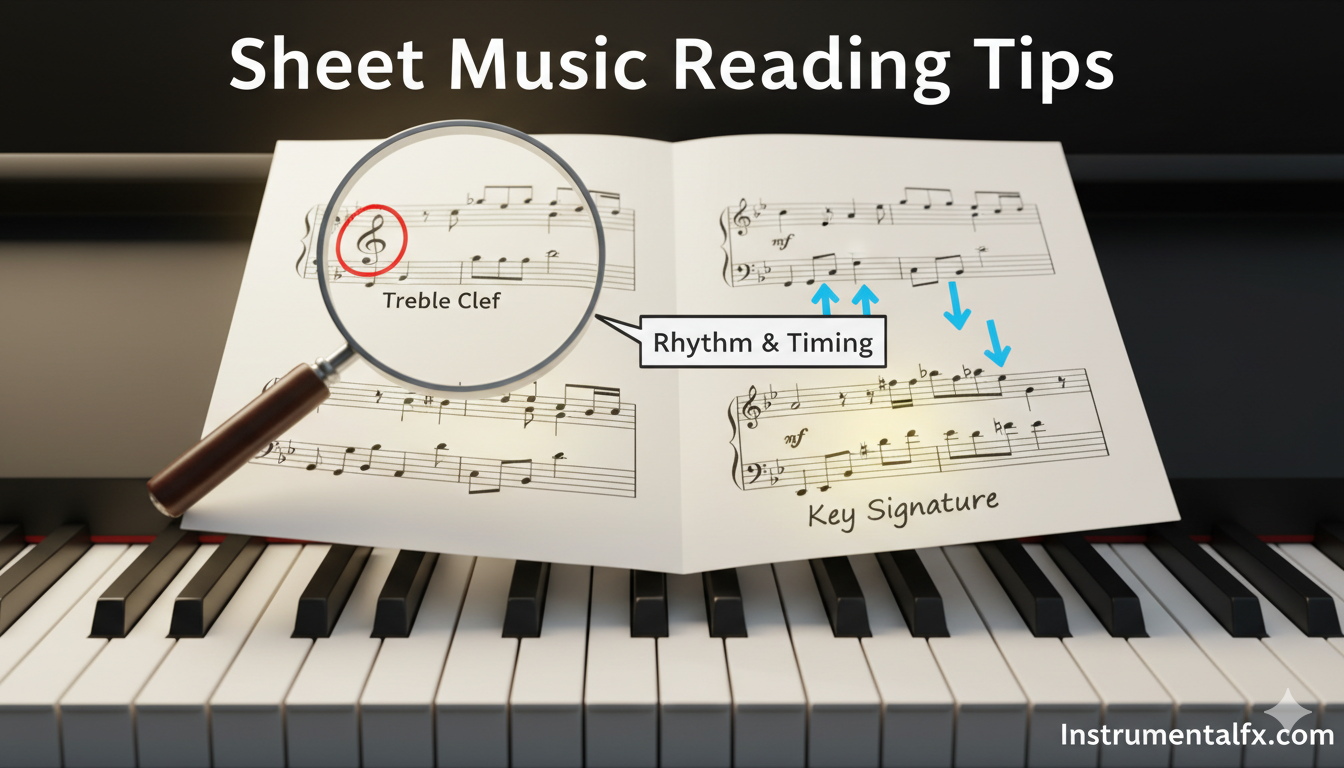
Learn to read chromatic patterns rather than individual notes. Recognizing directional motion (ascending/descending) and interval patterns accelerates sight-reading dramatically.
Identify repeated sections to minimize actual reading. Much musical material recurs, so recognizing repetition reduces the amount requiring detailed note-by-note analysis.
Practice sight-reading chromatic passages in other music. Developing this skill generally transfers directly to Flight of the Bumblebee’s specific challenges.
Understanding Musical Symbols
Familiarize yourself with Italian tempo and expression markings. Terms like “vivace,” “presto,” and dynamic indicators communicate the composer’s interpretive intentions clearly.
Recognize articulation symbols accurately. Staccato dots, accents, and slurs significantly affect musical character when observed properly.
Study fingering notation conventions. Understanding publisher fingering systems helps you adopt suggested fingerings efficiently or modify them intelligently.
Annotation Best Practices
Use pencil for all markings. Permanent ink prevents corrections, while pencil annotations can evolve as your interpretation develops over time.
Create personal reminder systems consistently. Whether circling problem spots, highlighting patterns, or color-coding sections, consistent notation helps practice efficiency.
Keep scores neat despite extensive markings. Overly cluttered pages become visually confusing, defeating the purpose of helpful annotations.
Frequently Asked Questions
Where can I download Flight of the Bumblebee sheet music for free?
You can legally download free Flight of the Bumblebee sheet music from MuseScore, IMSLP, 8notes, Free-Scores, and PianoCoda. These platforms offer various arrangements from beginner to advanced difficulty levels in PDF format.
What grade level is Flight of the Bumblebee on piano?
The authentic Rachmaninoff arrangement is Grade 10 (professional level), requiring 8-10 years of serious study. Simplified versions range from Grade 3-4 for beginners to Grade 6-8 for intermediate players.
Who arranged Flight of the Bumblebee for piano?
Sergei Rachmaninoff created the most famous piano arrangement in 1929. His transcription is considered the definitive version, though many other arrangers have also created simplified and alternative interpretations.
Is Flight of the Bumblebee the hardest piano piece?
While extremely challenging, Flight of the Bumblebee isn’t objectively the hardest piano piece. Works like Liszt’s Transcendental Etudes or Ravel’s Gaspard de la Nuit are generally considered more difficult overall.
What key is Flight of the Bumblebee in?
The standard piano version is in A minor. Some orchestral and instrumental arrangements may appear in different keys, but A minor remains the most common key for piano transcriptions.
How long does it take to learn Flight of the Bumblebee?
Advanced pianists might learn it in 2-4 months with daily practice. Intermediate players tackling simplified versions may need 3-6 months, while beginners should expect 6-12 months for basic arrangements.
What tempo should Flight of the Bumblebee be played?
Professional performances typically range from 160-200 BPM. Beginners should start at 40-60 BPM and gradually increase speed only after achieving consistent accuracy at slower tempos.
Can I perform Flight of the Bumblebee without copyright issues?
Yes, the composition is public domain. However, specific modern arrangements may be copyrighted, so ensure you’re using public domain editions or properly licensed versions for public performances.
What makes Flight of the Bumblebee so difficult?
The continuous chromatic runs at extreme speeds demand exceptional finger independence, accuracy, and endurance. The relentless tempo allows no time for recovery or correction during performance.
Are there simplified versions for beginner pianists?
Yes, numerous simplified arrangements exist ranging from elementary to intermediate levels. These versions reduce chromatic complexity and slower tempos while preserving the piece’s recognizable character and melody.
Conclusion
Flight of the Bumblebee sheet music provides pianists with an exciting challenge that has captivated musicians for over a century.
From free PDF downloads on platforms like MuseScore and IMSLP to professional arrangements by Rachmaninoff, abundant resources exist for every skill level.
Whether you’re a beginner exploring simplified versions or an advanced player tackling the virtuosic original, this iconic composition offers invaluable technical development and performance opportunities.
By selecting appropriate difficulty levels, utilizing effective practice strategies, and accessing quality sheet music sources, you can successfully navigate the buzzing chromatic passages of Rimsky-Korsakov’s masterpiece.
Start your Flight of the Bumblebee journey today with the perfect arrangement for your current abilities and watch your piano skills soar.


