

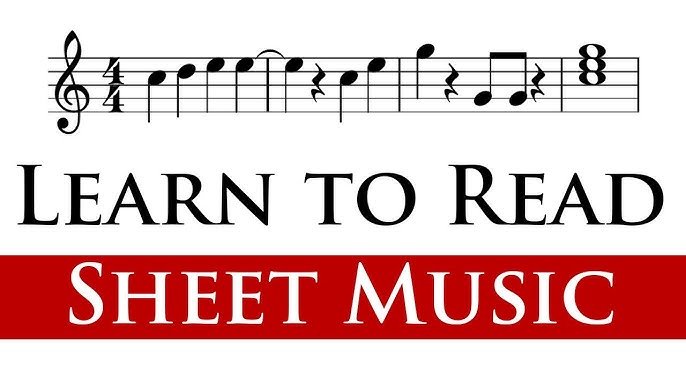
How to read sheet music is a fundamental skill every musician must master to unlock their full musical potential. This comprehensive guide breaks down the complex world of musical notation into simple, actionable steps that anyone can follow.
Whether you’re picking up an instrument for the first time or refreshing your knowledge, understanding sheet music opens doors to playing thousands of songs exactly as composers intended.
Understanding Sheet Music Basics
Musical notation is a universal language. Musicians worldwide use identical symbols and systems. This standardization enables seamless communication through music.
Sheet music translates sound into visual symbols. Each marking conveys specific information about pitch, duration, and expression. Reading these symbols becomes intuitive with practice.
Learning to read music resembles learning any new language. Initial challenges give way to fluency gradually. Consistent practice accelerates your progress significantly.
The Musical Staff Explained
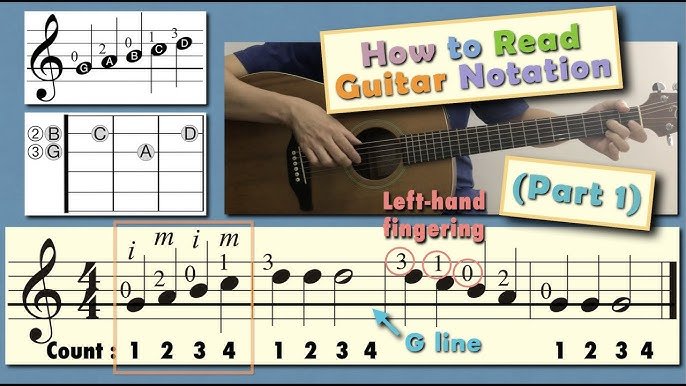
The staff forms the foundation of written music. It consists of five horizontal lines and four spaces. Each position represents a different musical note.
Lines and spaces are numbered from bottom to top. The bottom line is line one. The top line is line five.
Notes sit either on lines or in spaces. Position determines the note’s pitch. Higher positions indicate higher sounds.
How the Staff Works
Musical notes are named using letters A through G. These seven letters repeat across different octaves. The pattern continues infinitely in both directions.
When notes extend beyond the staff’s range, ledger lines appear. These short lines extend above or below. They accommodate extremely high or low notes.
The staff provides a visual map for musicians. It shows exactly which notes to play. Spatial relationships indicate pitch relationships clearly.
Understanding Musical Clefs
Clefs determine how to interpret staff positions. They assign specific note names to lines and spaces. Two main clefs dominate Western music notation.
The Treble Clef
The treble clef resembles an ornate letter G. It wraps around the second line from bottom. This line represents the note G.
Higher-pitched instruments use treble clef. Violin, flute, and saxophone music appears here. Piano’s right hand typically reads treble clef.
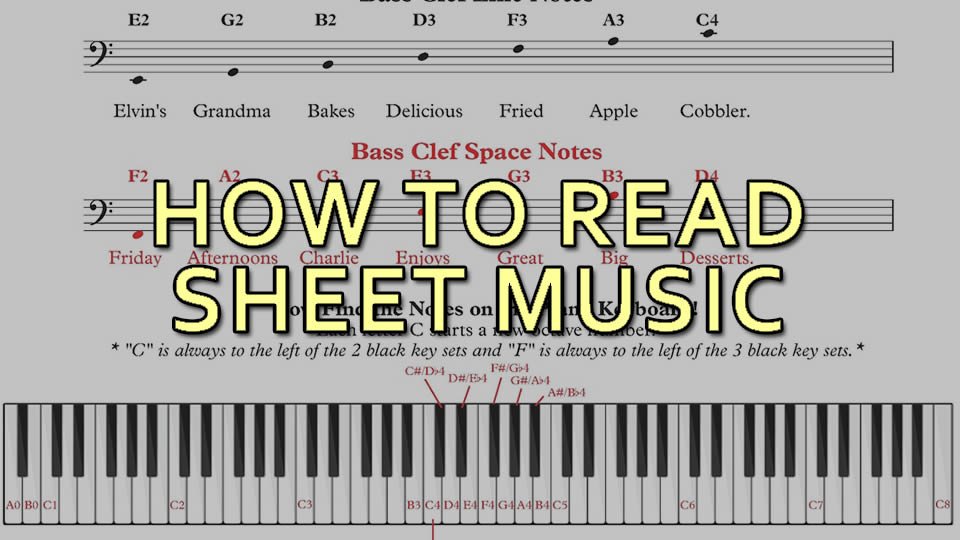
Lines in treble clef spell E-G-B-D-F from bottom to top. A common mnemonic is “Every Good Boy Does Fine.” Spaces spell F-A-C-E, literally spelling “face.”
The Bass Clef
The bass clef looks like a backwards C with two dots. The dots surround the F line. This identifies it as the F clef.
Lower-pitched instruments read bass clef. Cello, trombone, and tuba music uses it. Piano’s left hand reads bass clef primarily.
Lines in bass clef spell G-B-D-F-A from bottom upward. Remember “Good Boys Do Fine Always.” Spaces spell A-C-E-G: “All Cows Eat Grass.”
The Grand Staff
Piano music combines both clefs simultaneously. The grand staff shows treble above bass. A brace connects them together.
This system accommodates piano’s wide range. Right hand plays treble clef notes. Left hand plays bass clef notes.
Middle C bridges both clefs. It appears on a ledger line between them. This note is crucial for orientation.
Reading Musical Notes
Notes are the building blocks of music. They indicate which pitch to play. They also show how long to sustain it.
Note Anatomy
Every note contains specific components. The note head can be filled or hollow. Filled heads indicate shorter durations generally.
The stem extends vertically from the note head. Direction doesn’t affect the pitch played. It simply improves visual clarity and spacing.
Flags curve from the stem’s end. They reduce note duration by half each time. Multiple flags create increasingly shorter notes.
Note Values and Duration
Whole notes are hollow circles without stems. They receive four beats in common time. These are the longest standard notes.
Half notes have hollow heads with stems. They receive two beats typically. One whole note equals two half notes.
Quarter notes feature filled heads with stems. Each receives one beat in standard timing. They form the rhythmic foundation of most music.
Eighth notes have filled heads, stems, and one flag. They receive half a beat each. Two eighth notes equal one quarter note.
Sixteenth notes include two flags on their stems. They get one-quarter beat each. Four sixteenth notes equal one quarter note.
Dots and Ties
A dot after a note adds half its value. A dotted half note equals three beats. A dotted quarter note equals one and one-half beats.
Ties connect two identical notes together. The combined duration should be played smoothly. This creates notes spanning multiple measures.
Ties appear as curved lines between note heads. They commonly cross bar lines. This extends notes beyond measure boundaries.
Understanding Musical Rests
Rests indicate silence in music. They’re equally important as notes themselves. Every note value has a corresponding rest.
Whole rests hang below the fourth line. They receive four beats of silence. These create significant pauses in music.
Half rests sit on the middle line. They receive two beats of silence. Visual distinction from whole rests matters greatly.
Quarter rests resemble squiggly lightning bolts. They receive one beat of silence. These are extremely common in music.
Eighth and sixteenth rests mirror their note counterparts. Single and double flags indicate their duration. They create brief silences between notes.
Time Signatures and Rhythm
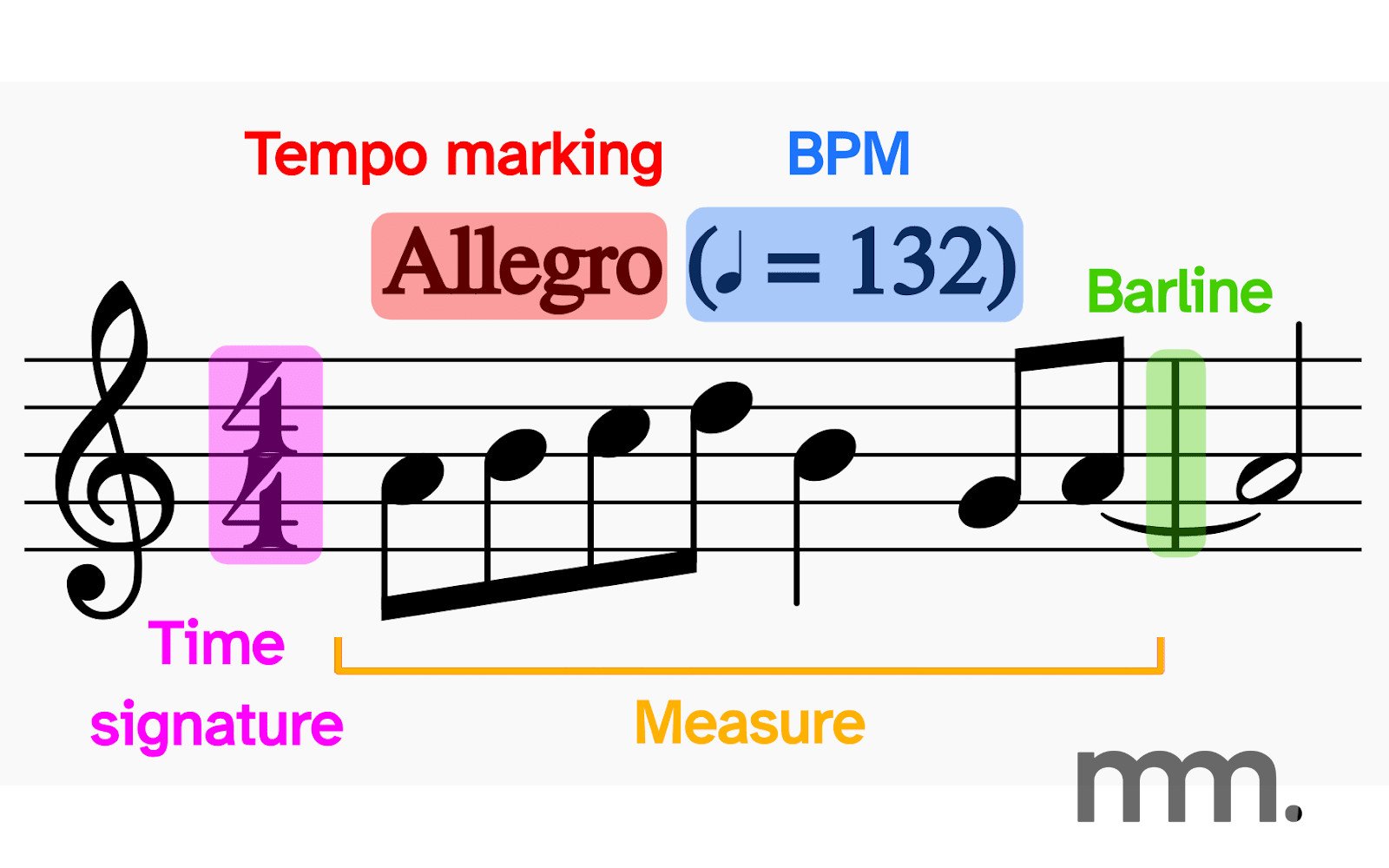
Time signatures appear at the beginning of pieces. They look like fractions with stacked numbers. They establish the rhythmic framework completely.
Reading Time Signatures
The top number shows beats per measure. Four means four beats in each measure. Three means three beats per measure.
The bottom number indicates which note gets one beat. Four means quarter notes receive one beat. Eight means eighth notes receive one beat.
Common time (4/4) is music’s most frequent signature. Four quarter notes fit each measure. This creates steady, march-like rhythm.
Measures and Bar Lines
Vertical lines divide music into measures. These are called bar lines. They organize music into manageable chunks.
Measures contain specific numbers of beats. The time signature determines this number. Proper beat counting is essential.
Double bar lines indicate section endings. A thick-then-thin double bar signals completion. These provide important structural markers.
Tempo and Speed
Tempo controls music’s overall speed. It’s measured in beats per minute (BPM). Higher numbers mean faster performance speeds.
Tempo Markings
Italian terms traditionally indicate tempo. Largo means very slow and broad. Andante suggests a walking pace.
Moderato indicates moderate speed. Allegro means fast and lively. Presto signals very fast performance.
Metronome markings provide exact speeds. Quarter note = 120 means 120 quarter notes per minute. These remove ambiguity from tempo indications.
Tempo Changes
Accelerando means gradually speed up. Ritardando means gradually slow down. These create dynamic musical expression.
A tempo returns to original speed. This follows temporary tempo changes. It reestablishes the initial pace.
Fermatas pause on specific notes. A curved dot symbol indicates this. The pause duration depends on musical context.
Key Signatures Explained
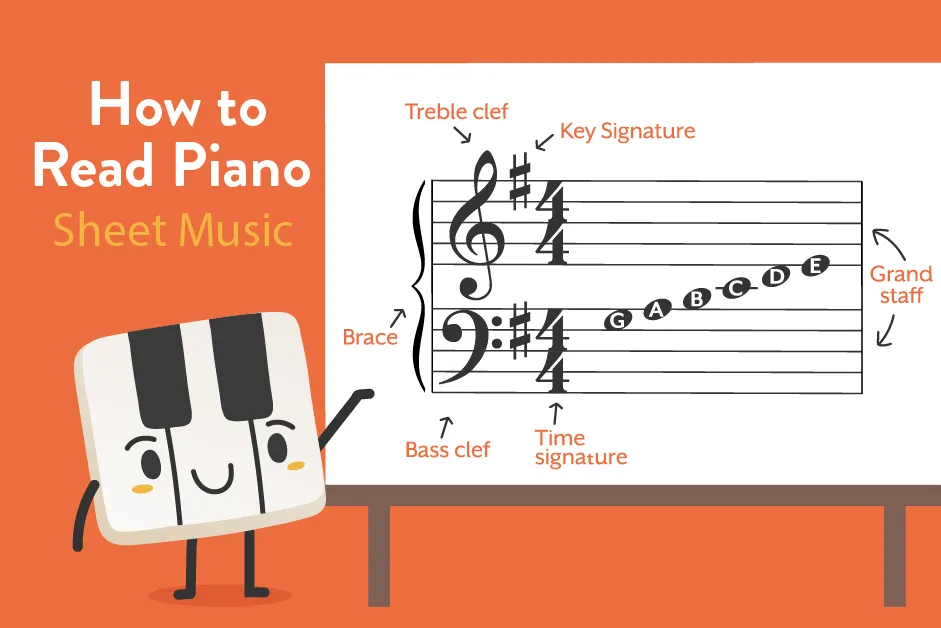
Key signatures appear after the clef symbol. They show which notes are sharp or flat throughout. This establishes the piece’s tonal center.
Sharps and Flats
Sharps raise notes by one semitone. The symbol resembles a hashtag (#). Sharped notes sound slightly higher.
Flats lower notes by one semitone. The symbol resembles a lowercase b (♭). Flatted notes sound slightly lower.
Natural signs cancel previous sharps or flats. They look like rectangles with extensions (♮). These restore notes to natural pitch.
Common Key Signatures
C major has no sharps or flats. All notes remain natural throughout. This is the simplest key signature.
G major contains one sharp (F#). D major contains two sharps (F# and C#). Each additional sharp follows specific patterns.
F major contains one flat (B♭). B♭ major contains two flats (B♭ and E♭). Flat keys also follow predictable patterns.
Musical Scales and Patterns
Scales form the foundation of melodies. They consist of eight consecutive notes. Understanding scales improves reading fluency significantly.
The Major Scale Pattern
Major scales follow specific interval patterns. Whole-whole-half-whole-whole-whole-half creates major tonality. This pattern applies to all major keys.
C major is the easiest scale. It uses only white piano keys. No sharps or flats are needed.
Other major scales require accidentals. G major needs F#. D major needs F# and C#.
Scale Degrees
Each scale position has specific names. The first note is the tonic. It establishes the key center.
The fifth note is the dominant. It creates harmonic tension. The fourth note is the subdominant.
Understanding scale degrees aids musical comprehension. Patterns become more recognizable. Reading speed increases naturally.
Dynamic Markings
Dynamics control volume and intensity. They range from very soft to very loud. Italian abbreviations indicate these levels.
Volume Indications
Pianissimo (pp) means very soft. Piano (p) means soft. Mezzo-piano (mp) means moderately soft.
Mezzo-forte (mf) means moderately loud. Forte (f) means loud. Fortissimo (ff) means very loud.
Crescendo means gradually get louder. Diminuendo means gradually get softer. Hairpin symbols often indicate these changes.
Expression Markings
Legato means play smoothly and connected. Slurs connect multiple notes together. This creates flowing musical lines.
Staccato means play short and detached. Dots above notes indicate this. Each note receives brief articulation.
Accents emphasize specific notes. A sideways V marks accented notes. These receive extra stress or volume.
Articulation and Phrasing
Articulation affects how notes are played. It adds character to musical performance. Different symbols indicate various techniques.
Common Articulations
Tenuto marks indicate full note value. A short horizontal line appears above notes. Play these notes with full weight.
Marcato means play with emphasis. An inverted V symbol marks these notes. They receive strong, separated articulation.
Fermatas create held pauses. A curved dot appears above notes. Duration depends on musical judgment.
Phrase Markings
Phrase marks show musical sentences. Long curved lines span multiple measures. They indicate where to breathe naturally.
Breath marks suggest pause points. A small apostrophe appears between notes. These guide musical phrasing effectively.
Slurs connect different pitches smoothly. Ties connect identical pitches together. Understanding this distinction prevents confusion.
Special Symbols and Notations
Additional symbols provide extra information. They guide interpretation and performance. Recognizing these enhances musical understanding.
Repeat Signs
Repeat signs have two dots beside double bars. Return to the previous repeat sign. This saves space in sheet music.
First and second endings alternate during repeats. Play first ending initially. Skip to second ending after repeating.
D.C. al Fine means return to beginning. Play until “Fine” marking appears. This creates efficient musical structure.
Ornaments
Trills rapidly alternate between two adjacent notes. A “tr” symbol marks these. They add decorative flourishes.
Mordents briefly touch neighboring notes. Upper mordents go up then down. Lower mordents reverse this pattern.
Turns wind around four notes quickly. They embellish single notes beautifully. These add baroque-style ornamentation.
Reading Chord Symbols
Chord symbols appear above the staff. They show harmony for accompanying instruments. Jazz and pop music use these extensively.
Basic Chord Notation
Letter names indicate root notes. C means C major chord. Am means A minor chord.
Numbers indicate chord extensions. C7 includes a seventh note. C9 adds a ninth note.
Slash chords show specific bass notes. C/G means C chord with G in bass. These control harmonic movement precisely.
Chord Qualities
Major chords use capital letters alone. C represents C major. No additional symbol is needed.
Minor chords add lowercase “m.” Am means A minor. Some systems use “min” instead.
Diminished chords use a degree symbol (°). Augmented chords use a plus sign (+). These alter basic chord structures.
Practical Reading Tips
Developing sight-reading skills requires dedicated practice. Specific strategies accelerate learning. Consistent application yields best results.
Start Simple
Begin with easy pieces in C major. Avoid complex rhythms initially. Build confidence through successful experiences.
Practice short sections repeatedly. Master small chunks before combining them. This prevents overwhelming frustration.
Use beginner-level sheet music collections. These progress systematically through concepts. Gradual difficulty increases ensure steady progress.
Practice Strategies
Set aside daily reading time. Even ten minutes helps significantly. Consistency matters more than duration.
Practice both hands separately initially. Combine them only after mastering each individually. This applies primarily to piano music.
Use a metronome for steady tempo. Start slow and increase gradually. Accuracy trumps speed always.
Common Mistakes to Avoid
Don’t rush through unfamiliar pieces. Slow practice builds solid foundations. Speed develops naturally over time.
Avoid looking at your hands constantly. Train yourself to read ahead. This improves fluency dramatically.
Don’t ignore rhythm while focusing on notes. Rhythmic accuracy equals pitch accuracy. Both require equal attention.
Learning Resources and Tools
Numerous resources support music reading development. Technology offers innovative practice solutions. Traditional methods remain valuable too.
Digital Applications
Music reading apps provide interactive practice. They offer immediate feedback on accuracy. Gamification makes learning more engaging.
Digital sheet music libraries offer vast selections. Instant access eliminates purchasing delays. Adjustable difficulty levels accommodate growth.
Metronome apps ensure consistent tempo practice. Many include customizable sounds and patterns. These are essential practice tools.
Traditional Methods
Method books progress systematically through concepts. They combine reading practice with technique development. Structured learning prevents gaps in knowledge.
Flash cards drill note recognition. Regular use builds automatic identification. Speed and accuracy improve simultaneously.
Working with a teacher provides personalized guidance. They identify specific weaknesses immediately. Customized exercises address individual needs.
Practicing Different Musical Styles
Various musical genres use notation differently. Understanding style-specific conventions aids performance. Each tradition has unique characteristics.
Classical Music
Classical notation is highly detailed. Every nuance is typically written. Precise adherence to markings is expected.
Dynamics and articulations appear frequently. Expression marks guide interpretation. Historical performance practices influence reading.
Complex rhythms and time signatures are common. Key signature changes occur regularly. Technical demands require careful preparation.
Jazz Music
Jazz uses chord symbols extensively. Lead sheets show melody and harmony. Improvisation fills in remaining details.
Swing rhythms aren’t always written explicitly. Understanding jazz conventions is essential. Feel and style matter greatly.
Syncopation appears constantly in jazz. Anticipations and delays create groove. Rhythmic precision mixed with flexibility is key.
Pop and Contemporary
Pop music often simplifies notation. Chord charts guide accompaniment. Melody lines may be basic.
Lyrics appear below corresponding notes. This aids singers significantly. Timing aligns with syllables clearly.
Lead sheets provide essential information efficiently. Full arrangements may show all parts. Complexity varies by publisher.
Advanced Reading Concepts
Intermediate and advanced readers encounter additional challenges. Complex notation requires deeper understanding. Continued study reveals new layers.
Transposition
Some instruments read transposed parts. Written C sounds as different pitches. Clarinet and trumpet transpose commonly.
Understanding transposition aids ensemble playing. Conductors must know all transpositions. This enables effective rehearsal communication.
Sight-transposing becomes necessary sometimes. Reading in one key while playing another. This advanced skill develops gradually.
Complex Time Signatures
Unusual time signatures challenge rhythmic reading. 5/4 and 7/8 are less common. They require careful beat subdivision.
Changing time signatures appear in contemporary music. Meters shift frequently throughout pieces. This demands heightened concentration.
Compound meters group beats differently. 6/8 feels as two groups of three. Understanding beat grouping clarifies rhythm.
Contemporary Notation
Modern composers use extended techniques. New symbols indicate unusual sounds. Each composer may create unique notation.
Graphic notation visualizes musical ideas non-traditionally. Interpretation becomes more subjective. These challenge conventional reading skills.
Aleatoric elements introduce controlled randomness. Performers make choices within parameters. This combines reading with creativity.
Benefits of Reading Music
Music literacy opens countless opportunities. Benefits extend beyond simple note reading. The skill enriches musical life comprehensively.
Performance Opportunities
Reading enables participation in ensembles. Orchestras and bands require this skill. Community groups welcome literate musicians.
Learning new pieces accelerates dramatically. No memorization by ear is needed. Efficient practice saves significant time.
Professional opportunities increase with literacy. Session work requires sight-reading ability. Theater pits demand quick music learning.
Musical Understanding
Reading reveals compositional structures clearly. Patterns become visible on the page. Theoretical concepts make more sense.
Analyzing scores deepens musical appreciation. Understanding composer intentions enhances interpretation. Critical listening skills improve simultaneously.
Communication with other musicians improves. Common vocabulary facilitates collaboration. Musical discussions become more meaningful.
Creative Development
Composition requires notation knowledge. Writing down ideas preserves them accurately. Sharing compositions becomes possible.
Arranging music depends on reading skills. Adapting pieces for different instruments needs understanding. Creating original arrangements expands creativity.
Improvisation benefits from reading ability. Understanding harmony and structure aids spontaneity. Written and improvised music inform each other.
Overcoming Reading Challenges
Many musicians struggle with reading initially. Common difficulties have proven solutions. Persistence and proper strategies ensure success.
Slow Reading Speed
Reading slowly is completely normal initially. Speed increases with consistent practice. Patience prevents discouragement.
Practice sight-reading daily, even briefly. Use progressively difficult materials. Celebrate gradual improvements consistently.
Focus on patterns rather than individual notes. Recognize common scale and chord shapes. This accelerates processing speed.
Rhythm Difficulties
Counting out loud helps rhythm accuracy. Speak counts while playing initially. This reinforces beat placement.
Subdivide complex rhythms into smaller parts. Break difficult passages into manageable chunks. Understand how parts relate mathematically.
Use rhythm-only exercises regularly. Clap or tap rhythms before adding pitch. This isolates rhythmic challenges effectively.
Note Recognition Issues
Drill note identification separately from playing. Flash cards build automatic recognition. Speed and accuracy develop together.
Practice reading in different clefs. Bass clef requires equal attention. Treble-only focus creates imbalance.
Use landmark notes as reference points. Middle C, bass clef F, treble clef G serve well. Calculate other notes from these anchors.
Building Long-Term Skills
Music reading is a lifelong journey. Continuous improvement remains possible always. Advanced readers still discover new insights.
Consistent Practice
Establish regular reading time daily. Consistency matters more than duration. Brief daily practice beats occasional marathons.
Vary practice materials regularly. Different styles present unique challenges. Diverse reading experiences build comprehensive skills.
Review fundamentals periodically. Even advanced readers benefit from basics review. This prevents skill decay over time.
Setting Goals
Establish specific, measurable reading goals. “Learn 5 new pieces this month” works well. Vague goals lack motivating power.
Track progress through practice journals. Note challenges and improvements. Documentation reveals growth patterns.
Celebrate achievements along the way. Acknowledge milestones both large and small. Positive reinforcement sustains motivation.
Expanding Repertoire
Explore music outside comfort zones. Different genres develop varied skills. Stylistic diversity strengthens overall reading.
Challenge yourself with slightly difficult pieces. Growth occurs at learning’s edge. Too-easy material doesn’t build skills.
Join reading groups or sight-reading clubs. Group practice adds social motivation. Shared challenges create supportive environments.
Frequently Asked Questions (FAQs)
How long does it take to learn to read sheet music?
Basic reading ability develops within weeks of consistent practice. Fluency requires months or years depending on dedication and practice frequency.
Do I need to learn music theory to read sheet music?
Basic theory knowledge helps tremendously but isn’t strictly required initially. Understanding improves as you practice reading regularly.
What’s the best age to start learning to read music?
Any age works well for learning music reading. Children often learn quickly, but adults bring focus and motivation advantages.
Can I learn to read music without a teacher?
Self-teaching is possible using books, apps, and online resources. However, teachers accelerate learning by correcting mistakes immediately.
Should I learn piano to read music better?
Piano provides excellent visual representation of music theory. However, any instrument can teach reading skills effectively.
How do I improve my sight-reading speed?
Practice reading new music daily without repeating pieces. Focus on patterns rather than individual notes for faster processing.
What’s the difference between reading and sight-reading?
Reading allows preparation time before playing. Sight-reading means playing unfamiliar music immediately without prior review.
Do all musicians need to read sheet music?
Not all musicians read music, but literacy expands opportunities significantly. Many successful musicians developed careers without reading ability.
How important are mnemonics for learning notes?
Mnemonics help initial learning but become unnecessary eventually. They provide scaffolding while developing automatic note recognition.
What should I practice first when learning to read?
Start with note identification on the staff. Add rhythm reading separately, then combine both together gradually.
Conclusion
How to read sheet music transforms from mysterious symbols into a powerful communication tool through dedicated practice and proper guidance. This essential skill opens doors to performing thousands of pieces, collaborating with other musicians, and deeply understanding music’s structure and beauty. The journey from beginner to fluent reader requires patience, but rewards multiply exponentially over time.
Remember that every accomplished musician started exactly where you are now—looking at confusing symbols that eventually became second nature through consistent effort. The key lies in daily practice, even if only for a few minutes, using appropriate difficulty materials that challenge without overwhelming. Celebrate small victories along the way, whether recognizing your first chord progression or sight-reading through an entire piece.
Music reading isn’t merely a technical skill but a gateway to artistic expression and cultural connection. As you progress, you’ll find yourself thinking less about individual symbols and more about the musical ideas they represent. This literacy enables you to learn pieces faster, communicate with other musicians effectively, and appreciate compositions on deeper levels. Whether you dream of performing in orchestras, writing your own music, or simply playing for personal enjoyment, reading sheet music empowers you to achieve these goals with confidence and competence.


