


Scotland’s rich cultural history is deeply intertwined with its musical traditions, especially when it comes to weddings. The music played during Scottish weddings has evolved significantly over the centuries, merging ancient traditions with modern influences. From the hauntingly beautiful tunes of the bagpipes to the lively beats of ceilidh bands, the soundscape of Scottish weddings is as diverse as it is enchanting. As we explore the evolution of wedding music traditions in Scotland, we will delve into the background, significance, and modern developments of these cherished customs that continue to make Scottish weddings uniquely memorable.
THE HISTORICAL ROOTS OF SCOTTISH WEDDING MUSIC
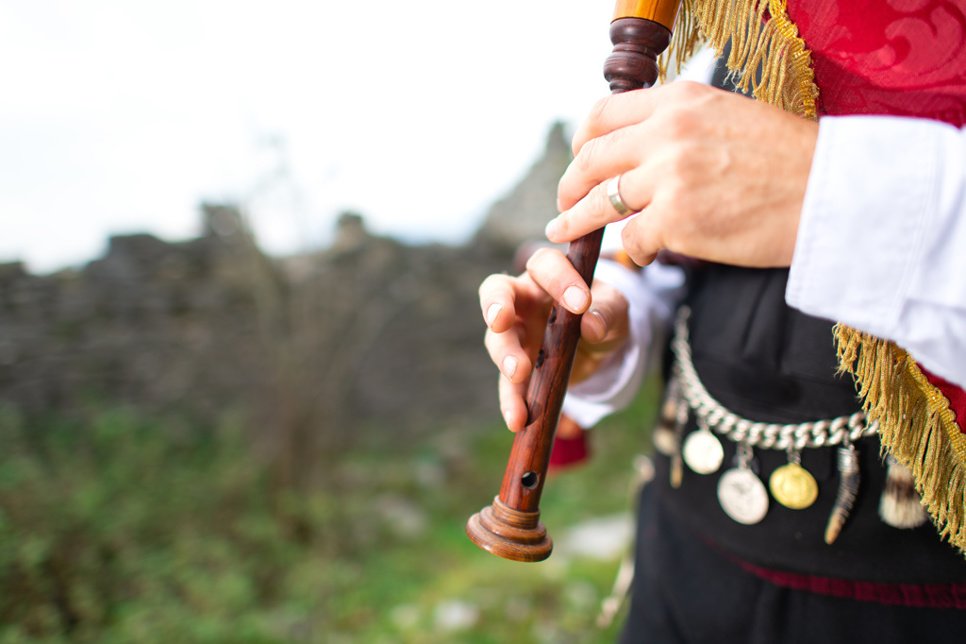
Scottish wedding music has ancient origins, with influences stretching back to early Celtic and Norse traditions. Music was an integral part of community gatherings and rituals in ancient Scotland, forming a crucial element of weddings. The distinctive sound of the bagpipes, for example, has been a prominent feature in Scottish weddings for centuries. This instrument’s powerful and emotive notes have historically been used to announce celebrations and lead processions. Bagpipes were believed to bring good fortune and harmony to couples as they embarked on their journey together. Additionally, harps and fiddles, dating back to medieval times, have been favored instruments at weddings, providing an ethereal resonance that embodies the romantic spirit of matrimony.
With the influence of various cultural exchanges and societal changes, the music played at Scottish weddings gradually transformed. Interactions with neighboring countries introduced new styles and instruments, such as the accordion, which became a staple in Scottish folk music. The inclusion of diverse musical styles helped diversify the auditory experience and led to the emergence of bands that combined traditional and contemporary sounds, laying the foundation for what we recognize today as Scottish wedding bands.
THE ROLE OF MUSIC IN SCOTTISH WEDDINGS
Music holds a resonant place in Scottish weddings, acting as a bridge between tradition and personal expression. It is not just an accompaniment but a vital aspect that enhances the emotional depth and joy of the ceremony. The choice of wedding music is often a reflection of personal taste, family heritage, and regional influences. For many couples, music is a way to honor their roots while celebrating their union.
Traditional Scottish music usually marks the beginning and end of wedding ceremonies. As the bride makes her entrance, the bagpipes often sound their melodious tunes, setting a tone of grandeur and emotional anticipation. During the ceremony, ancient songs that have been passed down through generations are performed, fostering a connection between the past and the present. One traditional dance, the ‘Strip the Willow’, showcases the communal aspect of Scottish weddings, as guests join in lively and interactive ceilidh dances that symbolize community support for the newlyweds.
MODERN TRENDS IN SCOTTISH WEDDING MUSIC
The modern landscape of Scottish wedding music has expanded to include a range of styles and influences, driven by the increasing popularity of bespoke weddings. While the traditional elements remain ever-present, contemporary influences from pop, rock, and other genres have infiltrated wedding playlists, introducing a blend of the old and new.
Couples today often opt for scottish wedding bands that can perform a repertoire extending beyond traditional folk music. These bands, skilled in various musical genres, ensure the entertainment appeals to guests of all ages. Customization is key, as couples seek music that mirrors their personal taste and the unique atmosphere they wish to create. DJs are also becoming more prevalent, offering curated playlists that ensure a seamless musical experience throughout the day. Despite these modern twists, there remains a steadfast adherence to traditional music during key moments, preserving the musical heritage that defines Scottish weddings.
PERSONALIZING YOUR WEDDING MUSIC
With the broad array of musical choices available, personalization is a growing trend in Scottish weddings. Couples now have the opportunity to craft a soundtrack that echoes their personality and story. Whether opting for a solo bagpiper, a classical string quartet, or a full band capable of delivering modern hits and timeless classics, the possibilities are endless.
Music personalization extends to ceremonial music selections, first dances, and reception tunes. Couples might choose a song that holds special meaning for the ceremony or choreograph their first dance to a unique arrangement that signifies their relationship. Additionally, it’s common for couples to incorporate traditional Scottish songs alongside contemporary favorites, allowing them to honor tradition while showcasing individuality.
IMPACT OF VENUE ON MUSIC CHOICES
The choice of venue can significantly influence the music at a Scottish wedding. Castles, historic churches, and scenic outdoor locations all lend themselves to different musical experiences. For instance, the acoustics of a grand hall might favor a larger band or orchestra, while intimate venues might benefit from smaller, more personal ensembles.
Outdoor weddings, popular for their picturesque settings, often include bands or DJs equipped to perform in open-air environments, ensuring sound quality withstands the elements. The romantic atmosphere created by the natural beauty of Scotland’s landscapes complements the music, enhancing the entire wedding experience.
THE FUTURE OF SCOTTISH WEDDING MUSIC
Looking ahead, the future of Scottish wedding music lies in its ability to adapt while maintaining connection to its roots. Technology is paving new avenues for musical exploration, allowing couples to incorporate elements like live streaming performances for guests unable to attend. Furthermore, the ever-increasing blending of global music trends with local traditions is likely to result in new forms of musical expression at weddings.
As more couples seek environmentally responsible celebrations, there’s a growing interest in sustainable music options, such as using solar-powered equipment or supporting local musicians, which aligns with broader ecological awareness without compromising on quality and tradition.
THE IMPORTANCE OF MUSIC IN CREATING MEMORABLE MOMENTS
Music’s role in encapsulating memories cannot be understated. The melodies chosen for ceremonies, dances, and receptions become timeless reminders of shared moments, often evoking smiles, tears, and laughter when revisited. Scottish weddings, with their blend of cultural, musical tradition, and modern personalization, offer particularly lasting impressions.
Selecting meaningful music enhances the emotive resonance of a wedding day. Whether through a touching rendition of a family favorite or an upbeat song that gets guests on the dance floor, music serves as the heartbeat of the day, creating a tapestry of memories that couples and guests alike cherish for years to come.
CONCLUSION
In conclusion, the evolution of wedding music traditions in Scotland reflects both a respect for cultural heritage and a readiness to embrace innovation. From the historic strains of bagpipes to contemporary scottish wedding bands, music remains an enduring, integral component of Scottish weddings. As we honor the past and look to the future, the musical journey of Scottish weddings continues, enriched by its ability to create and cradle cherished memories. With its powerful ability to connect hearts, music will undoubtedly continue to play an essential role in celebrating love and unity in Scotland’s weddings for generations to come.

