


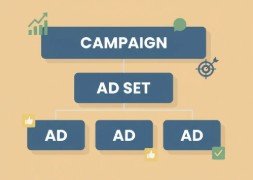
Running profitable paid social campaigns has shifted heavily away from manual bidding hacks and audience micro-targeting toward feeding the machine learning algorithm precisely what it needs to succeed. When you look under the hood of struggling ad managers, the problem is rarely the product; it is almost always a messy jumble of overlapping campaigns, duplicate ad sets, and tight budgets. A well‑structured account works like a map, telling the system exactly who to target and how much to spend so that there is no internal competition or higher auction costs. For marketing agencies managing multiple client rosters, maintaining this high level of organization can quickly become overwhelming, which is why utilizing white label facebook ads has become a highly effective strategy to scale operations. A clean, simplified setup gives your creatives the breathing room they need to perform consistently and predictably.
Consolidation Beats Hyper-Segmentation
Splitting your budget across dozens of targeted ad sets is not a strategy anymore. When you spread your money thin, the algorithm doesn’t get enough conversion data. It stays stuck in the learning phase. It never improves. A better way is to combine your campaigns. Put goals together. Use targeting. Let the platform’s machine learning work for you. It will find your buyers efficiently. Recent industry data reinforces this approach, showing that brands achieving the highest return on ad spend structure campaigns to prioritize machine learning rather than fight it. By combining overlapping audiences and leaning into campaign budget optimization, you allow the system to allocate funds dynamically in real time to the ad sets with the highest probability of converting.
The Role of Properly Fed Pixel and API Data
Even the most perfectly organized campaign layout will fail entirely if the underlying data tracking is flawed, disjointed, or incomplete. A truly robust setup includes a seamlessly integrated web pixel working hand-in-hand with a robust server-side conversions application programming interface. This setup captures the data that usually gets lost because of privacy blockers or delayed sales. When the platform receives accurate feedback, it can tell exactly which ad led to the purchase. This ongoing process helps the algorithm get better over time. Without tracking, you’re working without any guidance—spending money on people who already bought something or just don’t care.
Aligning Creative Strategy with Campaign Objectives
Once the foundational infrastructure and tracking pipelines are correctly established, the actual ad creatives take over the heavy lifting of audience targeting. Because broad audiences are now the standard best practice across the board, the specific video or image you use becomes the primary filter that determines who stops scrolling and engages. A strong account architecture will carefully separate content that educates at the top of the funnel from offers that retarget at the bottom. This ensures each message fits where the user is in their buying journey. Global digital advertising data shows that steady revenue growth on platforms comes from showing the right ads to the right people at the right time. Your account should include a testing area. This allows new hooks and visual styles to run safely. It won’t affect the ads that already drive most of your daily sales.
Maintaining a Healthy Ecosystem
Ultimately, a well-structured ad account is one that prioritizes overarching simplicity, highly reliable tracking data, and top-tier creative output over complicated, outdated audience hacks. Keeping the total number of active campaigns low while actively maximizing the data flowing into each one ensures that the algorithm operates at peak efficiency at all times. Regular account audits should focus purely on turning off underperforming assets and gradually introducing fresh creative concepts to combat inevitable ad fatigue. For businesses wanting to deliver exceptional client results without the massive internal overhead, utilizing white label facebook ads can guarantee these best practices are strictly followed month over month. A streamlined account architecture not only reduces daily management stress but also creates a highly predictable, scalable environment that consistently turns advertising spend into measurable, sustainable profit.

