

Why Does a Dog Eat Its Own Poop? If you have ever caught your dog eating its own poop, you are not alone. This behavior, called coprophagia, is far more common than most owners realize.
Some dogs do it out of instinct, others because of a nutrient gap, and some because of stress or boredom. The good news is that it is almost always manageable once you understand the root cause.
Why Does a Dog Eat Its Own Poop?
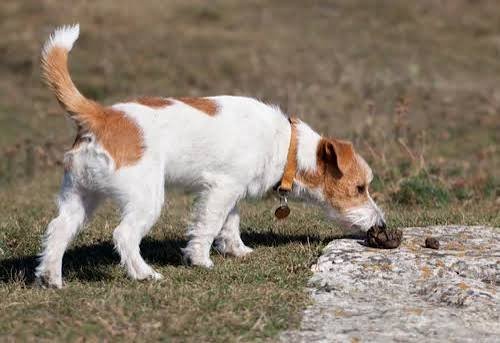

Dogs eat their own poop for a mix of instinctive, medical, and behavioral reasons. These include leftover nutrients in the stool, vitamin or enzyme deficiencies, intestinal parasites, anxiety, boredom, attention-seeking, or simple scavenging instinct left over from their wild ancestors.
Most cases are not dangerous, but a vet visit is worth it if the habit starts suddenly or your dog seems unwell.
What Coprophagia Actually Means
Coprophagia is the clinical term vets use for stool eating. It comes from Greek, meaning feces (copro) and eating (phagia).
Vets split it into two types. Autocoprophagia means a dog eats its own waste. Allocoprophagia means it eats another animal’s waste, such as a cat’s litter box deposits.
Studies suggest roughly one in six dogs eats poop regularly, so it is considered a common behavior rather than a rare disorder.
Why Dogs Eat Their Own Poop: The Main Reasons
It Is an Old Survival Instinct
Before domestication, wild canines often ate feces to keep their den clean and hide their scent from predators. This kept the pack safer from threats that could track them by smell.
That instinct never fully disappeared. Many modern dogs still carry the same behavioral wiring, even though there is no den to protect anymore.
Mother Dogs Cleaning Up After Puppies
Nursing mothers routinely eat their puppies’ waste for the first few weeks of life. This keeps the whelping area clean and stops the smell from attracting predators.
Some mothers continue the habit even after puppies are weaned. It is considered completely normal maternal behavior and usually fades on its own.
Nutrient Deficiency or Poor Digestion
If a dog’s food is missing key nutrients, or the dog cannot properly absorb what it eats, the body may push the dog to seek those nutrients elsewhere.
Thiamine (vitamin B1) deficiency has been directly linked to coprophagia in older research. Diets low in quality protein and fat can trigger the same drive.
Undigested Food in the Stool
Some medical conditions, like exocrine pancreatic insufficiency (EPI), stop a dog from breaking down food properly. That means partially digested nutrients pass straight into the stool.
To your dog’s nose, that stool still smells like food. Eating it becomes a logical, if unpleasant, response.
Intestinal Parasites
Worms and other parasites can rob a dog of nutrients it needs, leaving it hungrier than normal. This nutrient theft can push a dog toward eating stool in search of calories.
A fecal exam at the vet is the simplest way to rule this cause out or confirm it.
Boredom or Lack of Stimulation
Dogs left alone for long stretches with nothing to do sometimes turn to stool eating simply because it is something to interact with. This is more common in high-energy breeds that are under-exercised.
Puzzle feeders, walks, and playtime often reduce this type of coprophagia significantly.
Stress and Anxiety

A dog that feels anxious, whether from a new home, separation, or a change in routine, may eat its own waste as a coping mechanism. It can also happen after a dog has been scolded for house-soiling accidents.
In fear-based cases, the dog is essentially trying to “hide the evidence” before punishment happens again.
Attention-Seeking Behavior
If a dog learns that eating poop gets an immediate, dramatic reaction from its owner, it may repeat the act simply to get noticed. Negative attention is still attention, from a dog’s point of view.
Staying calm and ignoring the behavior instead of reacting strongly can help break this cycle.
Scavenging and Greedy Eating Habits
Dogs that steal food off counters or raid the trash are statistically more likely to eat stool too. This overlaps with a strong food drive and scavenging instinct.
Feeding a consistent, satisfying amount of food can reduce the urge to scavenge for extra calories elsewhere.
Curiosity, Especially in Puppies
Puppies explore the world mouth-first. Poop is just another new object to investigate, especially if it gets a reaction from a human nearby.
Most puppies grow out of this stage with consistent supervision and redirection.
Medical vs Behavioral Causes at a Glance
| Cause Type | Examples | Typical Signs | First Step |
|---|---|---|---|
| Medical | Parasites, EPI, thiamine deficiency, diabetes | Sudden onset, weight loss, diarrhea, vomiting | Vet exam and fecal test |
| Behavioral | Boredom, anxiety, attention-seeking, instinct | Long-standing habit, otherwise healthy dog | Training and environment changes |
| Maternal | Nursing mothers cleaning puppies | Only seen in mother dogs post-whelping | Usually needs no treatment |
| Dietary | Low-quality food, poor digestibility | Undigested food visible in stool | Diet review with vet |
Is It Dangerous for a Dog to Eat Its Own Poop?
In most healthy dogs, eating their own stool occasionally is unpleasant but not an emergency. It rarely causes serious harm on its own.
That said, it is not risk-free. Stool can carry parasites, bacteria, or viruses that get reintroduced into your dog’s system.
Health Risks to Watch For
- Reinfection with intestinal worms or parasites
- Exposure to bacteria such as Salmonella or E. coli
- Bad breath and dental buildup from the habit
- Potential transmission of certain parasites to humans, especially children
When Stool Eating Signals a Bigger Problem
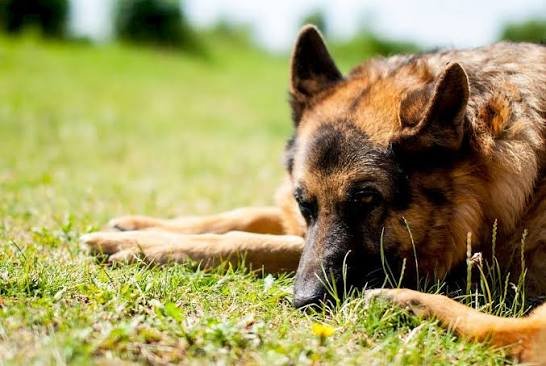

A sudden new habit in an adult dog deserves a vet visit, especially alongside other symptoms. These include noticeable weight loss, increased appetite, changes in stool consistency, or lethargy.
Conditions like diabetes, Cushing’s disease, and pancreatic issues can all present alongside coprophagia. A basic blood panel and fecal test usually rules these out quickly.
How to Stop a Dog From Eating Its Own Poop
Step 1: Clean Up Immediately
The single most effective fix is removing access. Pick up stool within a minute or two of your dog going to the bathroom.
If your yard has been neglected for a while, do a full cleanup first. A weekly scoop schedule leaves far too much temptation lying around.
Step 2: Supervise Every Bathroom Break
Go outside with your dog instead of letting them out alone. This lets you intervene the moment they finish and redirect them with a toy or treat.
Keeping your dog on a leash during potty breaks gives you more control in the first few weeks of training.
Step 3: Teach a Reliable “Leave It” Cue
Start training “leave it” indoors with low-value items before moving to real stool situations. Reward heavily every time your dog disengages on command.
This single command becomes your best long-term tool, useful for far more than just stool eating.
Step 4: Address the Diet
Talk to your vet about switching to a high-quality, easily digestible food. Look for labels with named protein sources rather than vague terms like “meat meal.”
Digestive enzymes or probiotics may help dogs whose stool eating is linked to poor nutrient absorption. Always confirm dosing with your vet first.
Step 5: Rule Out Parasites and Medical Causes
Bring a fresh stool sample to your vet for testing. This step alone resolves many cases once the underlying parasite or deficiency is treated.
Skipping this step means you could be training around a problem that medication would fix in days.
Step 6: Add Enrichment and Exercise
Bored dogs need outlets. Puzzle feeders, snuffle mats, and daily walks reduce the idle time that often leads to stool eating.
A tired, mentally stimulated dog is far less likely to look for trouble in the yard.
Step 7: Consider a Basket Muzzle for Severe Cases
For dogs that eat stool the instant it appears, a well-fitted basket muzzle can physically prevent access while training continues. It still allows panting, drinking, and treats.
This should always be paired with desensitization so the dog does not associate the muzzle with stress.
Step 8: Avoid Punishment

Scolding a dog after the fact does not connect the punishment to the act in their mind. It often increases anxiety and can make the behavior worse, not better.
Positive reinforcement for leaving stool alone works far better than correction after it has already happened.
Comparing Common Fixes
| Method | Best For | Effort Level | Vet Visit Needed |
|---|---|---|---|
| Immediate cleanup | Almost every dog | Low | No |
| “Leave it” training | Behavioral cases | Medium | No |
| Diet change | Nutrient-related cases | Medium | Recommended |
| Parasite treatment | Sudden new habit | Low | Yes |
| Basket muzzle | Severe, persistent cases | Medium | No |
| Deterrent sprays or additives | Mild, occasional cases | Low | No |
Do Poop-Eating Deterrent Products Work?
Food additives that make stool taste unpleasant are widely sold, and they work for some dogs but not others. Results vary a lot from one dog to the next.
They tend to work best as one part of a bigger plan that also includes cleanup, training, and enrichment, rather than as a standalone fix.
When to Call the Vet
- The habit started suddenly in an adult dog
- Your dog is losing weight or eating more than usual
- You notice diarrhea, vomiting, or lethargy alongside it
- Undigested food is visible in the stool
- Home management has not helped after several weeks
A short exam and a fecal test are usually enough to point your vet toward the right next step.
Key Takeaways
- Coprophagia is common and rarely dangerous on its own.
- Causes range from instinct and boredom to real medical issues.
- Sudden changes in adult dogs deserve a vet check.
- Cleanup, supervision, training, and diet cover most cases.
- Punishment tends to backfire and should be avoided.
Also Read:
- Seedance 2.5 for Creative Brief Review and Visual Concept Development
- 5 DFM Rules Secure Micron-Level Precision for Critical Robotic Hardware
- 9 Best Equipment Management Tools for Recording Studios
- Small Light, Big Output: Olight Baton 4
- AI Photo Editor Workflow for a Cohesive Artist Press Kit
- 3D vs 2D Brand Mascot Design: Which Cartoon Style Fits Your Business?
- What Makes the Backend Behind a Mobile App Succeed or Fail?
- What Restaurant Operators Should Know Before Installing a Commercial Tandoor Oven
- Top Sales Gamification Software That Drives Results
- Self Storage Dubai: A Simple Guide Before You Book
- How Market Makers Affect Liquidity, Spreads, and Trading Decisions
- How Seamless Gutters Improve Curb Appeal and Home Value
- The Role of Credit Score in Vehicle Loan Approvals Explained
- How Amazon PPC Specialists Use AI Tools for Campaign Optimization
- How Should I Start Investing? A Complete Month-by-Month Beginner’s Guide
- How Does a Critical Illness Diagnosis Affect Your Financial Stability?
- 8 Best Stripe Alternatives in 2026 for Receiving International Payments in India
- How Medicare Part C Plans Compare to Original Medicare
- Tiger Exchange App Login Guide for Indian Users
- The Traditions That Make Raksha Bandhan One of India’s Most Cherished Festivals
- Two Teams, One Release: A Study in Browser Testing
- The Test Cloud as a Newsroom, Not a Factory
- Six Honest Objections to Moving Your Automation to the Cloud
Frequently Asked Questions (FAQs)
Why does my dog eat its own poop all of a sudden?
A sudden change in an adult dog often points to a medical cause like parasites or a digestive issue. A vet visit with a fecal test is the fastest way to find out.
Is it normal for puppies to eat poop?
Yes, it is common in puppies exploring their environment. Most grow out of it with supervision and consistent redirection.
Can eating poop make my dog sick?
It can expose your dog to parasites and bacteria like Salmonella. Most healthy dogs handle occasional exposure fine, but repeated exposure raises the risk.
Does a vitamin deficiency really cause coprophagia?
Some research links thiamine and other nutrient gaps to the behavior. A vet can test for deficiencies and adjust the diet accordingly.
Will adding pineapple to my dog’s food stop the habit?
Some owners report success with pineapple or other taste-aversion additives, though results are inconsistent. It works better combined with cleanup and training.
Should I punish my dog for eating poop?
No, punishment usually increases anxiety and can make the behavior worse. Positive reinforcement for leaving stool alone works far better.
Can stress cause a dog to eat its own poop?
Yes, anxiety from a new environment, separation, or past punishment can trigger the habit. Reducing stress and rebuilding trust often helps.
Do mother dogs eating puppy poop need to be stopped?
No, this is normal maternal behavior that keeps the den clean. It usually stops naturally once puppies are weaned.
How long does it take to stop a dog from eating poop?
Most behavioral cases improve within two to four weeks of consistent cleanup, supervision, and training. Medical cases often resolve faster once treated.
When should I take my dog to the vet for this?
See a vet if the habit is sudden, paired with weight loss or diarrhea, or has not improved after weeks of home management. A basic exam usually identifies the cause quickly.
Conclusion
Coprophagia is a strange but common behavior rooted in instinct, nutrition, or emotion rather than a single simple cause.
Most dogs that eat their own poop are otherwise healthy, and the habit responds well to cleanup, supervision, training, and dietary attention.
Sudden onset in an adult dog, or symptoms like weight loss and diarrhea, are the clearest signs it is time to involve your vet.
With patience and the right combination of fixes from this guide, most owners can stop the behavior within a few weeks. If nothing seems to work, a vet visit will usually uncover the missing piece.