


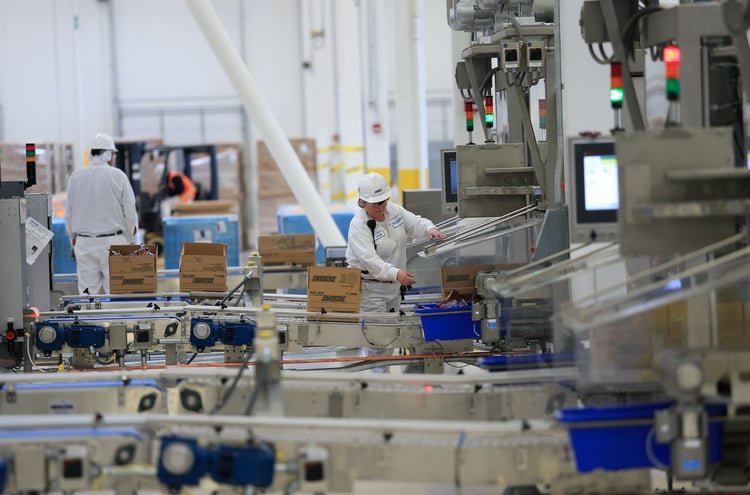
We inherited the wrong metaphor for testing infrastructure. For two decades we described it as a factory: tests are widgets, the grid is an assembly line, throughput is the goal, and a good day is one where the line never stops. The factory metaphor shaped the tools, and the tools shaped how we think. A better metaphor has arrived, and the platform announced as LambdaTest Is Now TestMu AI is best understood through it. The modern test cloud is not a factory. It is a newsroom.
Why the factory metaphor fails
A factory optimizes for identical output: every widget the same, variance is defect, the line runs a fixed sequence. But tests are not identical widgets, and the goal is not to produce more of them. The goal is to learn something — specifically, whether the software is safe to ship. A factory that runs the same eight hundred tests in the same order regardless of what changed is optimizing throughput while ignoring relevance, which is exactly the wrong thing to optimize when the product is knowledge rather than units.
What a newsroom optimizes for
A newsroom optimizes for getting the important story first. When news breaks, an editor does not assign every reporter to every story in a fixed rotation; they direct attention to where it matters most, right now, given what just happened. The day is not a fixed sequence but a continuous reallocation of finite attention toward the highest-value question. This is what an agentic test cloud does: it reads what changed and directs testing effort toward what that change put at risk, the way an editor directs reporters toward the breaking story.
The agent as editor
In this metaphor the intelligent layer is not a faster machine on the assembly line; it is the editor making assignment decisions. The LambdaTest Agentic Test Cloud reasons about which tests are worth running for a given change, which failures are worth a human’s attention, and which results tell the most important story soonest — exactly the editorial judgments that distinguish a newsroom from a printing press. The infrastructure still executes, the way a newsroom still prints, but the value has moved upstream to the decisions about where to point the effort.
Why the metaphor changes your choices
If you believe testing is a factory, you buy throughput: more machines, more parallelism, faster execution. Those things matter, but they are table stakes. If you believe testing is a newsroom, you buy judgment: the ability to direct attention well, to surface the important failure first, to not waste reporters on stories that do not matter. The factory buyer asks how many tests per minute. The newsroom buyer asks whether the most important result arrives first, which is a completely different and more useful question.
The reader is still the editor-in-chief
A newsroom has an editor-in-chief who sets the standards and makes the final call on the hard stories, and an agentic test cloud has the human engineer in exactly that role. The agent handles the assignment decisions that used to consume the day, but the judgment about what quality means for this product, and whether a borderline story runs, stays with the person. The metaphor is not about replacing the newsroom with an algorithm; it is about freeing the editor-in-chief from doing the assignment desk’s job by hand.
Living in the new metaphor
Once you adopt the newsroom frame, the older tools start to feel like what they are: printing presses being asked to make editorial decisions they were never built for. TestMu AI is built around the assumption that the scarce resource is attention, not throughput, and that the job of the platform is to spend attention well. That is a newsroom’s job, and it is a more honest description of what testing has actually always been for.
Where every metaphor eventually breaks
Honest use of a metaphor includes naming where it fails, because a metaphor pushed too far misleads as efficiently as it once illuminated. The newsroom frame breaks down, for instance, around reproducibility: a newsroom prizes the scoop, the one-time event, while testing prizes the opposite, the repeatable result you can trust to mean the same thing tomorrow. Borrow the editorial-judgment insight from the newsroom, but do not import its romance with novelty.
The factory metaphor was not wrong about everything either, which is why it lasted. Testing really does have an assembly-line quality at the execution layer, where identical, repeatable, high-throughput processing is exactly what you want. The error was applying the factory logic to the decision layer above execution, where judgment rather than throughput is the goal. The metaphors are not rivals so much as descriptions of different layers.
The practical takeaway is to hold metaphors lightly and switch between them deliberately. Think factory when you are reasoning about execution efficiency; think newsroom when you are reasoning about where to direct attention. A team fluent in both can ask the right question at the right layer, while a team locked into one metaphor keeps applying it where it does not fit and making predictable mistakes as a result.
The newsroom that the team becomes
When a team internalizes the newsroom frame, something happens to how they describe their own work. They stop reporting how many tests they ran this week and start reporting which important stories the testing caught first, which is a much more useful summary for anyone who has to make a decision about quality. The conversation moves up a level, from activity to judgment, and the people in the conversation start sounding more like editors and less like factory foremen.
This shift also changes hiring and growth. A factory rewards engineers who can keep the line running; a newsroom rewards engineers who develop strong editorial judgment about risk, priority, and meaning. The career path for a quality engineer in the newsroom frame is upward into deeper judgment rather than sideways into more throughput, and that is a career people actually want, not the dead-end specialty that quality engineering used to be in the factory days. The metaphor reshapes not just the work but the people who do it, and the people who do it reshape what the discipline can become next.
Once a few teams adopt the newsroom posture and demonstrate that it ships better software, the rest of the field tends to follow, because the difference is visible in outcomes that everyone can measure. The factory teams keep getting faster at building the wrong thing; the newsroom teams keep finding the right thing to build first. Over a few years the gap compounds, and the metaphor that started as a clever framing becomes the new default that engineers entering the field assume was always true.
Try narrating your own pipeline as a newsroom for a day. Ask whether the most important story is reaching you first or whether you are reading the wire in the order it happened to arrive. The factory ran in arrival order because it did not know any better. A newsroom knows better, and so, increasingly, does the infrastructure underneath your tests.