


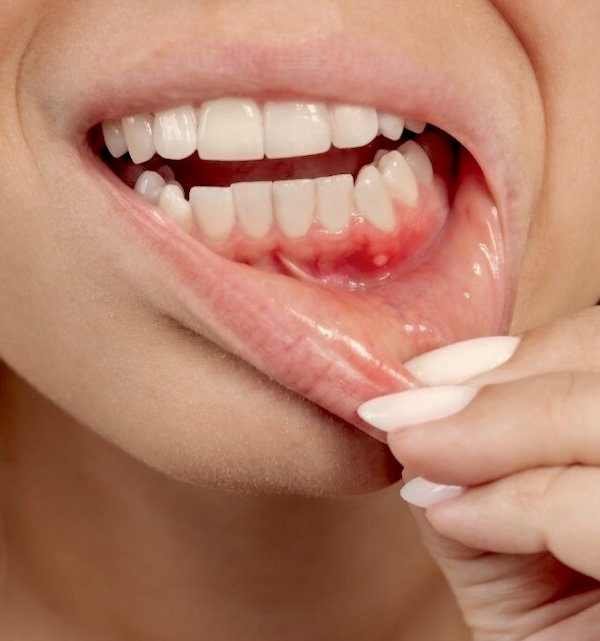
Sore bottom gums can turn something simple, like eating or brushing, into a painful chore. If you’re asking “why do my bottom gums hurt,” the answer usually comes down to irritation, infection, or pressure in the lower jaw.
Why Do My Bottom Gums Hurt?
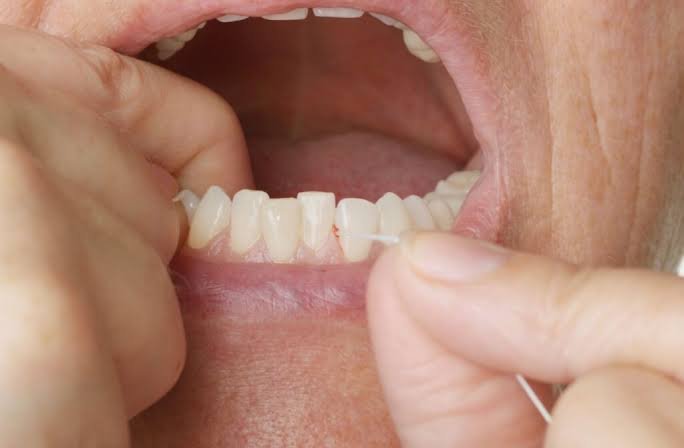
Bottom gum pain is most often caused by gum disease, aggressive brushing, food trapped between teeth, teething, or a tooth infection. Mild soreness usually improves with better oral hygiene, while sharp or swelling pain needs a dentist.
Common Causes of Bottom Gum Pain
Lower gum pain has several everyday triggers. Some are minor and fix themselves quickly, while others point to a deeper dental issue.
1. Gingivitis and Gum Disease
Plaque buildup along the gumline irritates the tissue and causes swelling. This is the single most common reason bottom gums hurt.
Left untreated, gingivitis can progress into periodontitis, a more serious infection that affects the bone supporting your teeth.
2. Brushing Too Hard
A hard-bristled toothbrush or aggressive brushing motion can scrape and bruise the gum tissue. This often shows up as tenderness right after you brush.
Switching to a soft-bristled brush and gentler strokes usually solves this within a few days.
3. Food Particles Stuck Between Teeth
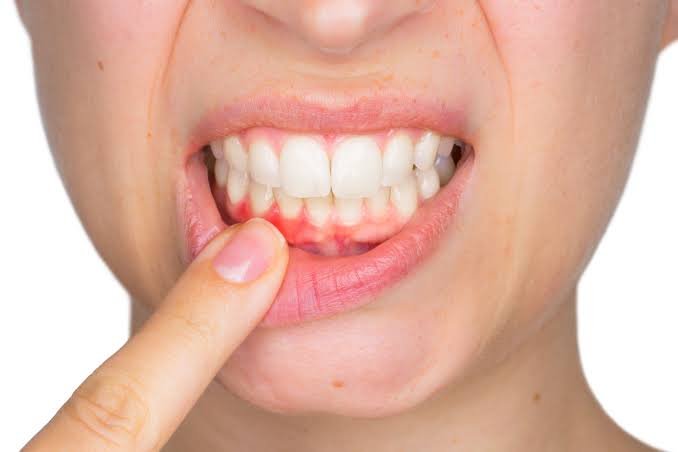
Popcorn hulls, seeds, and fibrous foods can wedge into the lower gumline. The trapped debris presses on the tissue and causes localized pain.
Flossing carefully around the sore spot often brings instant relief.
4. Tooth Infection or Abscess
A bacterial infection at the root of a lower tooth can cause a throbbing ache that radiates into the gum. Swelling, warmth, and a bad taste are common warning signs.
An abscess needs prompt dental treatment since it will not heal on its own.
5. Teething (Adults and Children)
Wisdom teeth pushing through the lower jaw are a frequent cause of gum soreness in teens and adults. In babies, new teeth breaking through the gum tissue cause similar discomfort.
6. Canker Sores or Mouth Ulcers
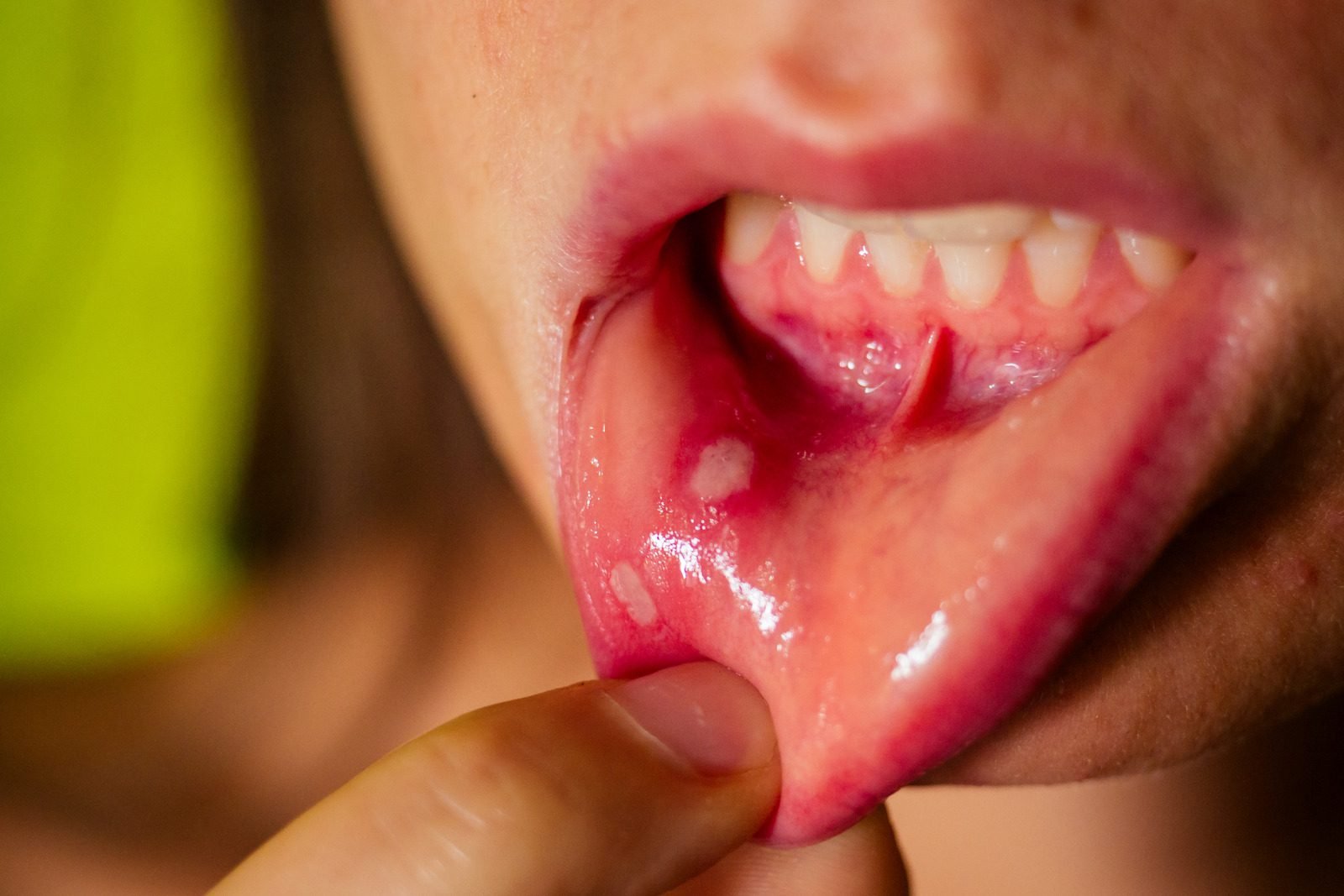
Small, painful ulcers can form on the bottom gums due to stress, minor injury, or certain foods. They typically heal within one to two weeks.
7. Ill-Fitting Dental Work
Dentures, retainers, or braces that rub against the lower gums can create sore spots and irritation over time.
8. Hormonal Changes
Pregnancy, puberty, and menstrual cycles can make gums more sensitive and prone to swelling and tenderness.
Symptoms That Often Come With Bottom Gum Pain
Bottom gum pain rarely shows up alone. Watch for these accompanying signs, since they help narrow down the cause.
- Redness or swelling along the gumline
- Bleeding when brushing or flossing
- Bad breath that does not go away
- Sensitivity to hot or cold foods
- A visible bump, sore, or pimple-like spot on the gum
- Loose feeling in a nearby tooth
When to See a Dentist
Most mild gum soreness clears up with better home care within a week. Persistent or worsening pain is a different story.
Signs You Should Not Ignore
- Pain lasting longer than 7–10 days
- Swelling that spreads to the jaw or face
- Fever alongside gum pain
- Pus or a foul taste near the sore area
- Gums pulling away from the teeth
If any of these apply, book a dental appointment rather than waiting it out.
How to Relieve Bottom Gum Pain at Home
These steps can ease discomfort while you wait for a dental visit or while mild irritation heals on its own.
Rinse With Warm Salt Water
Mix half a teaspoon of salt into warm water and swish for 30 seconds. This reduces bacteria and calms inflammation.
Switch to a Soft-Bristled Toothbrush
A softer brush reduces trauma to already-sensitive tissue while you continue daily hygiene.
Apply a Cold Compress
Holding a cold pack against the outside of your jaw for 10–15 minutes can numb pain and reduce swelling.
Use an Over-the-Counter Pain Reliever
Standard pain relievers like ibuprofen can manage discomfort short-term. Always follow the package directions.
Try a Clove Oil Dab
Clove oil has natural numbing properties. A small amount applied with a cotton swab can ease localized pain.
How to Prevent Bottom Gum Pain
| Habit | Why It Helps |
|---|---|
| Brush twice daily with a soft brush | Removes plaque without damaging gum tissue |
| Floss once a day | Clears trapped food and bacteria between teeth |
| Use an antiseptic mouthwash | Reduces bacteria that cause gum disease |
| Visit the dentist every 6 months | Catches problems before they cause pain |
| Avoid tobacco products | Lowers risk of gum disease and slow healing |
| Stay hydrated | Keeps saliva flow healthy, which protects gums |
Bottom Gum Pain vs Other Dental Pain
| Type of Pain | Likely Cause | Typical Feeling |
|---|---|---|
| Gum-only pain | Gingivitis, brushing injury, food trapped | Tender, sore to touch |
| Tooth-specific pain | Cavity, cracked tooth | Sharp, triggered by temperature |
| Radiating jaw pain | Abscess, infection | Throbbing, constant |
| Wisdom tooth pain | Teething, impaction | Pressure, swelling near the back |
Also Read:
- Why Does My Gum Hurt When I Touch It? Causes & Relief
- Why Is My Tongue Itchy? Common Causes & Treatments
- Why Are MRIs So Expensive? The Real Cost Explained
- How Cashless Health Insurance Is Transforming Patient Experience
- Dr. L Barbara Robinson on What Patients Should Understand Before Choosing Robotic Heart Surgery
- How Peptides Are Changing the Science of Bodybuilding Research
- How the Best Personal Training Studios in Singapore Use Data
- How Care Patterns Help During Steps to Report Suspected Nursing Home Abuse
- From Hair Care Idea To Business: How Bo International Supports Startup Brands
- Portable Space Heaters vs Fan Heaters: Pros and Cons
- How Insurance Responses Can Affect a Houston, TX Auto Accident Claim
- The Investigation Steps a Premises Liability Lawyer May Take After an Injury
- Does Being a Loan Guarantor Affect Your CIBIL Score
- Do You Need Legal Help After a Truck Accident? Here’s What to Know
- Employee Rights and Legal Remedies in Whistleblower Retaliation Cases
- 430+ Trendy Roblox Username Ideas for Boys & Girls
- 1000+ Trendy Instagram Usernames Ideas for Girls
- Letflix Review – Features, How It Works and Safe to Use?
- Download Gayatri Mantra Best Ringtone Mp3/M4R
- Grand Theft Auto: San Andreas – Theme Song Download
- Download Mission Impossible – Original Theme Song
- Randy Orton – Voices WWE Theme Song Download
- Lorde – Liability (Instrumental)
- Mac Miller – Diablo (Instrumental)
- David Guetta – Lovers On The Sun (Instrumental)
Frequently Asked Questions (FAQs)
Why do my bottom gums hurt when I brush?
Aggressive brushing or a hard-bristled brush can bruise the gum tissue. Switch to a soft brush and gentle circular motions.
Why do my bottom gums hurt but not my top gums?
Lower teeth are more prone to plaque buildup and tartar, which makes lower gums more likely to become irritated first.
Can stress cause bottom gum pain?
Yes. Stress can trigger canker sores and weaken your immune response, making gums more prone to inflammation.
Is it normal for gums to hurt after flossing?
Mild tenderness after flossing is common if you’re new to it or flossed too hard. Pain that lasts for days is not normal.
Why do my bottom gums hurt near my wisdom teeth?
This is usually a sign your wisdom teeth are erupting or partially impacted, which puts pressure on the surrounding gum tissue.
Can a cavity cause gum pain instead of tooth pain?
Yes. Decay near the gumline can irritate the gum tissue before you notice pain in the tooth itself.
Why do my bottom gums hurt only on one side?
One-sided pain often points to a localized issue like trapped food, a cracked tooth, or an infection in that specific area.
How long should bottom gum pain last before I worry?
If the pain does not improve within 7–10 days of home care, it’s time to see a dentist.
Can bottom gum pain be a sign of gum disease?
Yes. Persistent soreness, bleeding, and swelling are early signs of gingivitis, which can progress if untreated.
Does pregnancy cause bottom gum pain?
Hormonal shifts during pregnancy increase blood flow to the gums, often causing tenderness and swelling known as pregnancy gingivitis.
Why do my bottom gums hurt after eating?
Food particles or acidic foods can irritate already-sensitive gum tissue, especially if you have small cuts or inflammation.
Can a mouthguard cause bottom gum pain?
Yes, if it fits poorly. An ill-fitting mouthguard can rub against the gumline and cause soreness over time.
Is bottom gum pain linked to sinus issues?
Sinus pressure typically affects upper gums and teeth, not the lower jaw, so bottom gum pain is rarely sinus-related.
Why do my bottom gums hurt at night?
Nighttime teeth grinding (bruxism) can put extra pressure on the lower jaw and gums, causing soreness that’s worse in the morning.
Can dehydration cause gum pain?
Reduced saliva from dehydration allows bacteria to build up faster, which can lead to gum irritation.
What toothpaste helps with sore bottom gums?
Toothpaste designed for sensitive teeth and gums, often containing potassium nitrate or fluoride, can reduce discomfort.
Why do my bottom gums hurt around a loose tooth?
A loose tooth often indicates bone or gum tissue loss from periodontitis, which causes surrounding gum pain.
Can allergies cause bottom gum pain?
Certain food allergies or sensitivities can trigger localized swelling and soreness in the gums.
Should I stop flossing if my bottom gums hurt?
No. Gently continue flossing, since stopping allows plaque to build up further and worsen the pain.
When does bottom gum pain count as a dental emergency?
Severe swelling, fever, spreading pain, or pus are signs of infection that require same-day dental care.
Conclusion
Bottom gum pain almost always traces back to plaque buildup, brushing habits, trapped food, or an underlying infection. Most cases improve within a week with gentle brushing, flossing, and salt water rinses.
If your pain is severe, spreading, or paired with swelling and fever, don’t wait it out. See a dentist promptly to rule out infection and protect your long-term oral health.


