


Phantom of the Opera sheet music remains one of the most sought-after resources for pianists, vocalists, and musical theater enthusiasts worldwide.
Andrew Lloyd Webber’s masterpiece has captivated audiences since 1986, and the demand for authentic piano and vocal arrangements continues to grow in 2026.
Whether you’re a beginner exploring Broadway classics or an advanced musician preparing for performances, finding the right sheet music is essential for capturing the haunting beauty of this iconic musical.
Understanding Phantom of the Opera Sheet Music
The Phantom of the Opera musical features some of the most recognizable melodies in Broadway history. The sheet music encompasses various arrangements designed for different skill levels and performance contexts.
Andrew Lloyd Webber composed this masterwork with intricate harmonies and dramatic crescendos. The piano vocal arrangements typically include the melody line, lyrics, piano accompaniment, and chord symbols for guitarists.
Most official publications come from Hal Leonard, the authorized publisher. These editions ensure accuracy and respect for the composer’s original intentions while providing playable arrangements for musicians.
Types of Phantom of the Opera Sheet Music Available
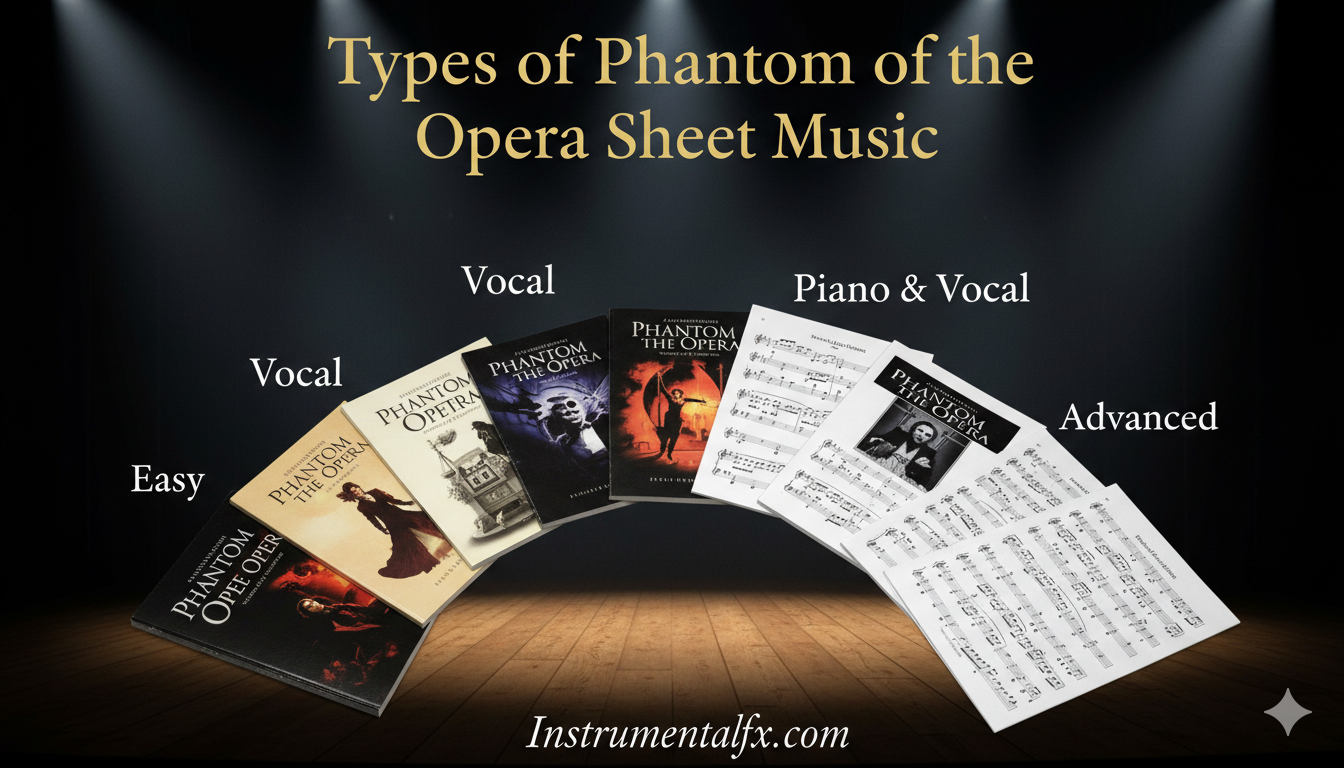
Piano Solo Arrangements
Piano solo versions allow pianists to perform the complete musical experience without vocal accompaniment. These arrangements incorporate both melody and harmony into the piano part.
Intermediate piano solos typically simplify complex orchestrations while maintaining the essence of each song. Advanced arrangements include more elaborate voicings and technical passages that mirror the original orchestrations.
Easy piano editions feature simplified left-hand patterns and reduced note density. These versions help beginners build confidence while learning iconic melodies like “The Music of the Night.”
Piano Vocal Guitar Editions
Piano vocal guitar (PVG) arrangements are the most versatile format. They include vocal melody lines with lyrics, full piano accompaniment, and guitar chord diagrams above the staff.
The souvenir edition from Hal Leonard features nine signature songs from the musical. This format works perfectly for singers who accompany themselves or collaborative performances between pianists and vocalists.
PVG editions typically maintain the original key signatures. This ensures authentic sound quality and appropriate vocal ranges for different voice types.
Vocal Selections and Songbooks
Vocal selections focus primarily on the singer’s perspective. These arrangements include the complete vocal line with piano reduction for accompaniment purposes.
Most vocal selections include performance notes and character context. Understanding which character sings each piece helps vocalists interpret the emotional content appropriately.
Songbooks often compile multiple shows or an entire composer’s catalog. The Andrew Lloyd Webber collections include Phantom selections alongside hits from Cats, Evita, and other musicals.
Essential Songs Included in Phantom Sheet Music Collections
The Phantom of the Opera (Title Song)
The title song features the famous duet between Christine and the Phantom. This piece showcases dramatic dynamics and the signature descending organ motif that opens the musical.
The piano part requires solid technique with rapid arpeggios and thick chordal textures. Vocalists must navigate wide intervallic leaps and sustained high notes throughout the piece.
Most arrangements present this song in D minor, the original key. The haunting quality emerges from the modal harmonies and chromatic voice leading.
The Music of the Night
This ballad represents the Phantom’s seductive power and vulnerability. The sweeping melody line requires legato phrasing and expressive dynamics from both pianist and vocalist.
The original key is A-flat major, though transposed versions exist for different vocal ranges. The piano accompaniment features lush, romantic harmonies with arpeggiated patterns.
This piece works beautifully as a standalone performance selection. Many students choose it for recitals and auditions due to its emotional depth and technical accessibility.
All I Ask of You
The romantic duet between Christine and Raoul contrasts sharply with the Phantom’s darker numbers. This song features soaring melodies and hopeful harmonies in D-flat major.
The piano part supports the vocal lines without overwhelming them. Gentle arpeggios and sustained chords create an intimate atmosphere perfect for this love song.
Duet versions allow two singers to perform their respective parts. Solo arrangements typically feature one vocal line with the other woven into the accompaniment.
Think of Me
Christine’s showcase aria demonstrates her vocal prowess and innocence. The piece begins simply and builds to a dramatic climax with challenging coloratura passages.
Piano accompaniment starts with delicate patterns that gradually intensify. The arrangement requires careful attention to tempo fluctuations and rubato sections.
This piece frequently appears in audition books. Its structure allows singers to demonstrate both lyrical beauty and technical facility within a single selection.
Masquerade
The ensemble number features complex rhythms and layered vocal parts. Piano reductions necessarily simplify the orchestral density while maintaining the celebratory character.
The 3/4 waltz tempo requires steady rhythmic pulse from pianists. Syncopated accents and chromatic harmony create the decadent atmosphere of the masquerade ball.
Solo piano versions often include multiple melodic lines simultaneously. This creates a fuller sound that captures the ensemble nature of the original.
Angel of Music
This early duet between Christine and Meg introduces the Phantom’s mysterious influence. The ethereal quality comes from suspended harmonies and gentle dynamics.
The piano writing emphasizes arpeggiated textures and flowing lines. Vocalists appreciate the moderate tessitura that allows for expressive singing without strain.
Sheet music for this piece often includes staging notes. Understanding the dramatic context enhances musical interpretation during performance.
Wishing You Were Somehow Here Again
Christine’s introspective aria reveals her grief and confusion. The piano arrangement supports the vulnerable vocal line with sparse, poignant harmonies.
This ballad requires sensitive dynamic shaping from both performers. The climactic bridge section demands powerful singing supported by fuller piano textures.
Many arrangements include optional cuts for audition purposes. The complete version runs approximately four minutes in performance.
Prima Donna
The comedic ensemble piece showcases Carlotta’s temperament and the opera company’s politics. Piano reductions capture the frenetic energy through rapid passages and staccato articulations.
The vocal line requires dramatic flair and character interpretation. Accompanists must maintain clear rhythm while navigating quick tempo changes.
This selection appears less frequently in beginner books. The technical demands suit intermediate to advanced players seeking character pieces.
The Point of No Return
The seductive duet marks the climax of the musical’s tension. Piano arrangements emphasize the sultry, tango-like rhythm and chromatic harmonies.
Both vocal parts interweave throughout the piece. The dramatic irony of the scene influences performance choices regarding dynamics and phrasing.
This advanced selection challenges pianists with complex chord structures. Vocalists must balance seduction with underlying menace in their interpretation.
Choosing the Right Difficulty Level
Beginner Level Sheet Music
Beginner arrangements simplify left-hand accompaniment patterns. These versions often use block chords instead of arpeggios and reduce overall note density.
Easy piano editions stay within a five-finger position when possible. This allows developing pianists to focus on melody and basic rhythm without excessive hand movement.
Vocal lines in beginner books may include simplified intervals. While maintaining recognizable melodies, these editions avoid the most challenging leaps and sustained high notes.
Intermediate Level Arrangements
Intermediate editions assume basic piano technique and note reading fluency. These arrangements include more authentic harmonies and rhythmic complexity than beginner versions.
Pianists encounter arpeggiated accompaniment patterns and moderate hand spans. The technical challenges remain manageable while providing satisfying musical results.
Vocal parts in intermediate books preserve original keys and intervals. Singers develop proper technique by working with authentic arrangements suited to their advancing abilities.
Advanced and Professional Editions
Advanced arrangements closely mirror the original orchestral scores. These versions include complex voicings, extended techniques, and demanding passages that require significant practice.
Professional musicians often prefer these editions for recital performances. The arrangements provide maximum musical interest and challenge for experienced players.
Vocal scores at this level may include cadenzas and ornamentations. These optional embellishments allow singers to showcase technical prowess and personal interpretation.
Digital vs Physical Sheet Music
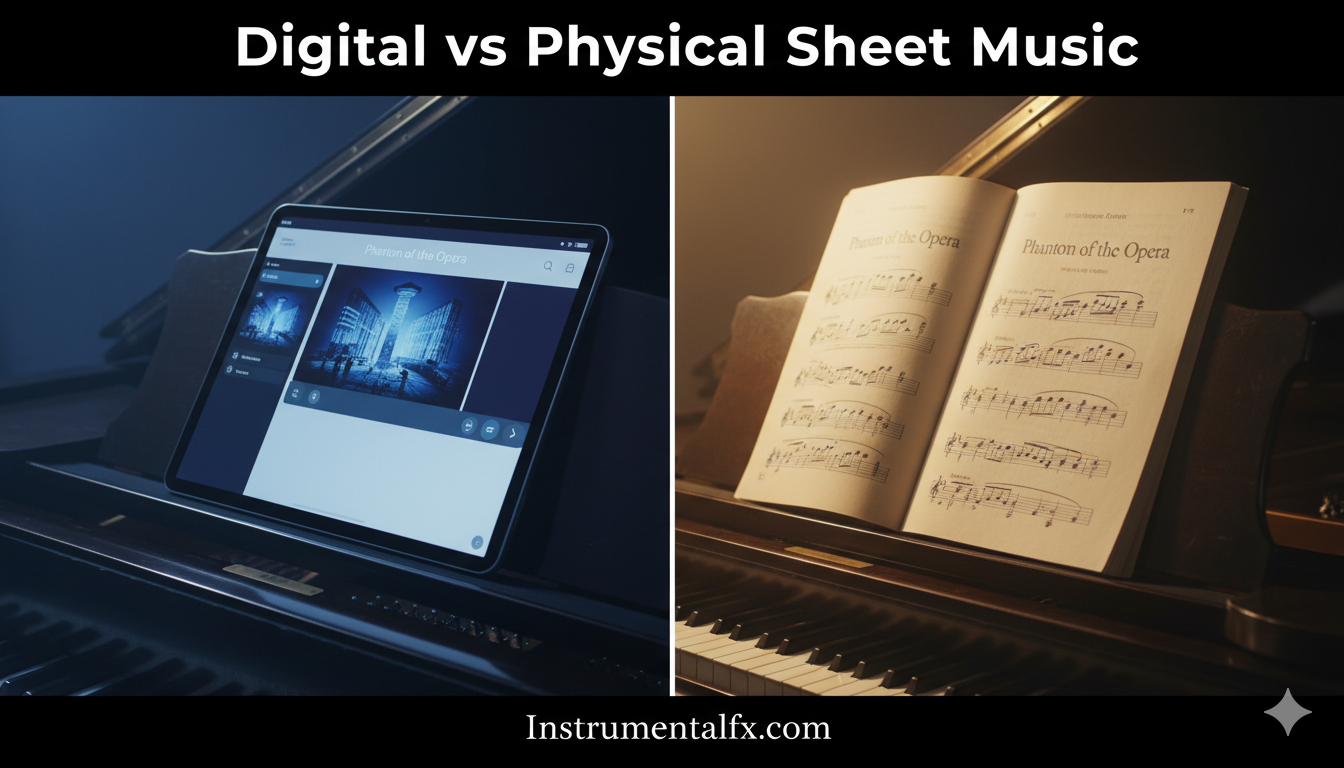
Advantages of Digital Sheet Music
Digital downloads provide instant access to sheet music. Musicians can purchase and print arrangements immediately without waiting for shipping.
Many digital platforms allow transposition and customization. This flexibility helps musicians adapt pieces to their specific needs and vocal ranges.
Digital libraries enable organization and portability. Tablets and electronic readers eliminate the need to carry heavy binders to rehearsals and performances.
Benefits of Physical Sheet Music
Physical books offer superior page-turning experience during performances. The larger format and professional binding withstand repeated use better than printed pages.
Souvenir editions include color photographs and production information. These collectible volumes celebrate the theatrical experience beyond just the musical notation.
Many musicians prefer the tactile experience of physical sheet music. The ability to write notes directly on pages facilitates learning and interpretation.
Hal Leonard’s bound collections provide comprehensive content in single volumes. These editions often cost less per song than purchasing individual digital downloads.
Where to Find Authentic Phantom Sheet Music
Official Publishers and Retailers
Hal Leonard serves as the primary authorized publisher for Phantom of the Opera sheet music. Their editions maintain the highest accuracy and legal authorization.
Major music retailers carry extensive Phantom collections. Sheet Music Plus, Musicnotes, and J.W. Pepper offer both physical and digital options.
Amazon provides convenient access to various editions. Customer reviews help musicians identify the most suitable arrangements for their skill levels.
Free Sheet Music Resources
MuseScore hosts community-created arrangements for non-commercial use. These user-generated versions vary in accuracy and quality compared to official publications.
Noteflight offers free interactive sheet music viewing. The platform allows musicians to play along with digital accompaniment while reading notation.
Public domain arrangements may exist for older adaptations. However, Andrew Lloyd Webber’s music remains under copyright, requiring legal purchases for official versions.
Library Resources
Public libraries often maintain sheet music collections available for borrowing. This option allows musicians to preview different editions before purchasing.
University music libraries provide access to comprehensive research materials. Students can examine various arrangements and performance editions for academic study.
Interlibrary loan services expand available resources. Musicians can request specific editions from other libraries within cooperative networks.
Tips for Learning Phantom Songs on Piano
Start with Simplified Arrangements
Beginning with easy piano versions builds fundamental understanding. Musicians develop familiarity with melodies and harmonies before tackling complex arrangements.
Practice hands separately before combining parts. This methodical approach ensures accuracy in both melody and accompaniment.
Focus on small sections at slow tempos. Gradual speed increases prevent the development of poor technical habits and ensure musical accuracy.
Master the Left Hand Accompaniment
The left hand provides harmonic foundation and rhythmic drive. Spending dedicated practice time on accompaniment patterns creates confident, steady support.
Arpeggiated patterns require finger independence and smooth transitions. Breaking these patterns into smaller segments facilitates muscle memory development.
Understanding chord progressions aids memorization and interpretation. Recognizing harmonic patterns makes learning new pieces faster and more musical.
Develop Expressive Playing
Phantom music demands dramatic dynamic contrasts. Practicing exaggerated dynamics initially helps develop control for nuanced performance expression.
Rubato passages require musical sensitivity and timing flexibility. Listening to multiple recordings provides insight into interpretive possibilities.
Pedaling technique significantly affects the emotional quality. Experiment with pedal timing to achieve the desired resonance without muddiness.
Vocal Performance Considerations
Understanding Vocal Ranges
Christine’s parts typically suit soprano voices with strong upper registers. The role requires sustained high notes and agile coloratura passages.
The Phantom’s music sits comfortably for baritone or tenor voices. Dramatic interpretation matters as much as vocal technique for this complex character.
Supporting roles like Carlotta and Raoul each have specific range requirements. Reviewing vocal lines before purchase ensures suitability for your voice type.
Proper Breath Support
The sweeping melodies require excellent breath control and support. Long phrases demand strategic breathing to maintain musical line continuity.
Developing strong diaphragmatic breathing supports sustained high notes. Proper technique prevents vocal strain during challenging passages.
Mark breathing points in your sheet music during preparation. Consistent breath placement ensures reliable performances under pressure.
Character Interpretation
Each song reveals specific character emotions and motivations. Understanding the dramatic context deepens musical interpretation and audience connection.
The Phantom’s music conveys both menace and vulnerability. Balancing these contradictory elements creates compelling, nuanced performances.
Christine’s journey from innocence to awareness unfolds musically. Tracking her character development through different songs enhances interpretive choices.
Accompaniment Techniques for Phantom Music
Supporting Vocalists Effectively
Piano accompanists must balance volume to support without overwhelming singers. Careful dynamic control ensures the vocal line remains clearly audible.
Breathing with the singer creates ensemble unity. This connection helps pianists anticipate phrasing and tempo fluctuations naturally.
Watching the vocalist provides visual cues for entrances and transitions. Strong communication between performers elevates the overall musical experience.
Managing Complex Rhythms
Some Phantom pieces feature intricate rhythmic interplay between parts. Practicing with a metronome establishes steady pulse before adding expressive flexibility.
Syncopated passages require precise coordination between hands. Slow practice with emphasis on rhythmic accuracy prevents timing issues later.
Recording practice sessions reveals rhythmic inconsistencies. Objective listening identifies areas needing additional attention before performances.
Creating Orchestral Effects on Piano
Piano reductions attempt to capture orchestral color and texture. Using varied touch and articulation creates the illusion of different instrumental voices.
The famous organ theme requires sustained bass notes and clear upper voices. Pedaling technique and voicing balance bring this iconic sound to life.
Staccato passages mimic string pizzicato or percussion effects. Crisp articulation and appropriate dynamics enhance these orchestral characteristics.
Sheet Music for Different Instruments
Violin and String Arrangements
Violin sheet music allows string players to perform memorable melodies. These arrangements typically include piano accompaniment for complete performances.
String quartet versions distribute parts among multiple players. These arrangements provide rich harmonic textures suitable for chamber concerts.
Solo violin pieces challenge players with extended range and rapid passages. The transcriptions adapt vocal lines and orchestral themes for the instrument.
Woodwind and Brass Editions
Clarinet and flute arrangements transpose melodies to comfortable ranges. These editions include piano reduction or band accompaniment options.
Saxophone versions often appear in jazz-influenced interpretations. These creative arrangements reimagine Phantom themes in contemporary styles.
Trumpet and French horn sheet music highlights dramatic fanfares. These pieces work well for recitals and demonstration of brass technique.
Full Orchestra and Band Scores
Concert band arrangements allow large ensembles to perform selections. These versions distribute melodic material across multiple instrument sections.
Marching band editions include percussion and field show adaptations. These arrangements maintain recognizable themes while accommodating outdoor performance needs.
Full orchestral scores recreate the original theatrical experience. These comprehensive editions require large ensembles but deliver authentic sound quality.
Using Sheet Music for Auditions
Selecting Appropriate Audition Pieces
Choose songs that showcase your strengths while fitting audition requirements. “Think of Me” demonstrates vocal range, while “Music of the Night” highlights lyrical singing.
Prepare 16-bar and 32-bar cuts from longer pieces. Many auditions require abbreviated versions that still convey musical and dramatic intent.
Ensure your sheet music is clearly marked and professionally presented. Accompanists appreciate clean copies with clearly indicated cuts and tempo markings.
Preparing Accompaniment Tracks
When live accompanists aren’t available, quality backing tracks help. Professional recordings provide steady tempo and authentic instrumentation.
Practice extensively with your chosen track before auditions. Familiarity with the accompaniment prevents surprises during high-pressure situations.
Some audition situations allow digital playback devices. Confirm technical requirements and backup plans before audition day arrives.
Professional Presentation Standards
Print sheet music on high-quality paper in clear, readable format. Avoid handwritten edits that might confuse unfamiliar accompanists.
Use a professional binder or folder for organization. Page protectors prevent damage while allowing easy page turns.
Mark all dynamics, cuts, and special instructions clearly. Communication with accompanists determines audition success beyond just vocal performance.
Historical Context and Musical Analysis
Andrew Lloyd Webber’s Compositional Style
Webber combines classical techniques with contemporary musical theater sensibilities. His melodies feature memorable hooks supported by rich harmonic progressions.
The Phantom score incorporates rock elements, classical references, and operatic traditions. This eclectic approach creates unique theatrical music that appeals to diverse audiences.
Recurring musical themes unify the score dramatically. The Phantom’s motif appears throughout different songs, creating psychological continuity.
The Musical’s Cultural Impact
Since its 1986 premiere, Phantom has become the longest-running Broadway show. The music’s popularity extends far beyond theater into concert repertoire.
Countless artists have recorded Phantom songs across multiple genres. These interpretations demonstrate the music’s versatility and enduring appeal.
The musical continues influencing contemporary composers and productions. Its success established new standards for spectacular staging and memorable scores.
Understanding the Original Orchestration
The original orchestration features synthesizers alongside traditional orchestra. This combination creates the signature “Phantom sound” familiar to audiences worldwide.
Studying orchestral scores reveals Webber’s sophisticated instrumental writing. Understanding these textures helps pianists recreate orchestral effects in their playing.
The iconic organ sound comes from synthesizer programming specifically. Piano arrangements attempt to capture this distinctive timbre through articulation and dynamics.
Practice Strategies for Complex Passages
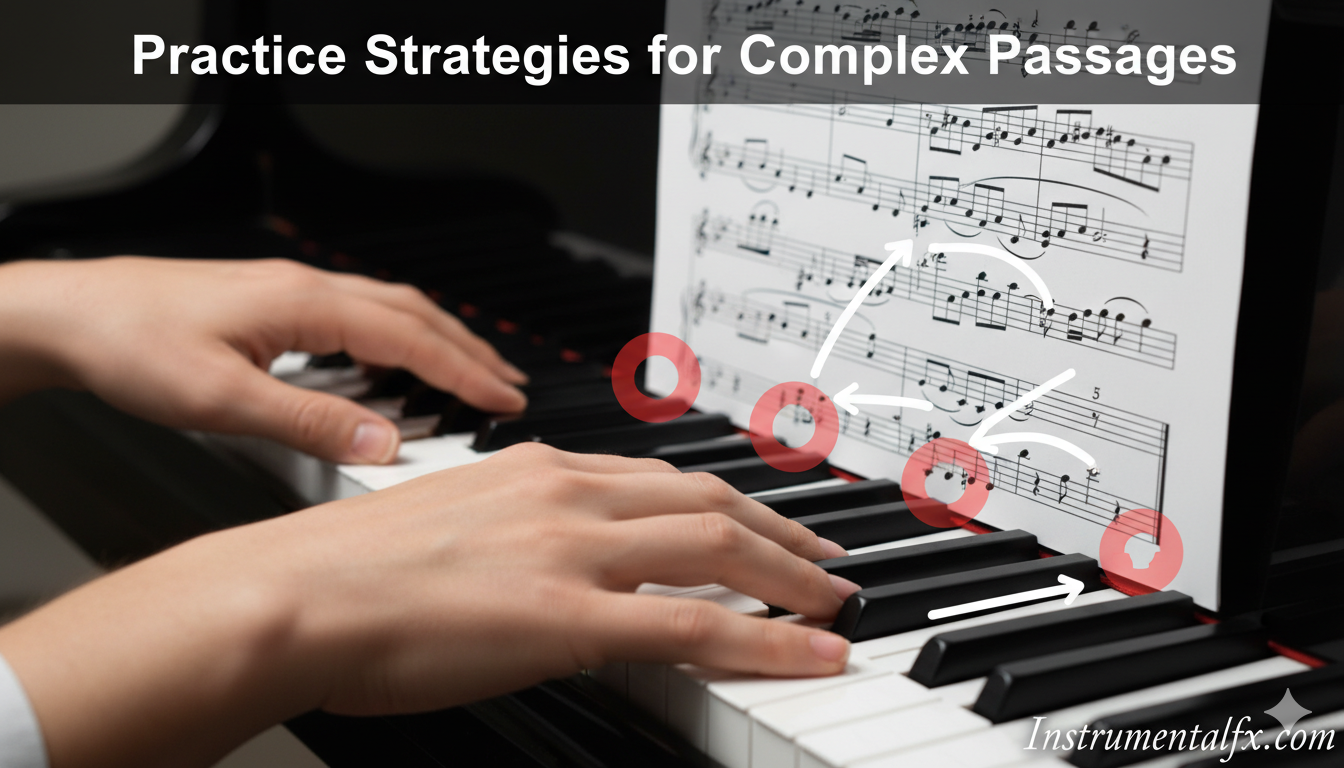
Breaking Down Difficult Sections
Identify the most challenging measures in each piece. Isolating these sections allows focused practice without repeating easier material unnecessarily.
Slow practice remains the most effective learning tool. Gradually increasing tempo only when accuracy is consistent prevents embedded errors.
Use varied rhythms to strengthen difficult passages. Practicing in different rhythmic patterns develops finger independence and mental flexibility.
Building Muscle Memory
Consistent daily practice develops reliable muscle memory. Short, focused sessions prove more effective than occasional marathon practice periods.
Mental practice away from the instrument reinforces learning. Visualizing finger movements and hearing music mentally strengthens neural pathways.
Performing from memory tests true understanding and security. Regular memory work builds confidence for performances without sheet music.
Addressing Technical Challenges
Identify specific technical obstacles like large leaps or rapid scales. Targeted exercises addressing these issues improve overall performance quality.
Proper hand position and relaxed technique prevent injury. Tension creates both physical problems and musical limitations.
Recording practice sessions provides objective feedback. Listening critically reveals areas needing improvement that feel different while playing.
Sheet Music Collections and Anthologies
Complete Musical Scores
Full vocal scores contain every song from the musical. These comprehensive editions suit serious students and professional productions.
Piano conductor scores include dialogue cues and staging information. These versions help musical directors prepare complete theatrical productions.
Orchestral scores show all instrumental parts simultaneously. These study scores benefit musicians interested in composition and orchestration.
Best-of Collections
Andrew Lloyd Webber compilation books include Phantom highlights alongside other shows. These anthologies provide variety for pianists and singers exploring his catalog.
Broadway collections feature Phantom songs with other musical theater classics. These volumes offer excellent value for musicians building diverse repertoires.
Decade-specific anthologies place Phantom in historical context. Understanding contemporary musicals enriches appreciation for Webber’s contributions.
Specialized Arrangements
Jazz interpretations reimagine Phantom melodies with sophisticated harmonies. These arrangements appeal to musicians interested in stylistic variation.
Pop piano versions simplify arrangements for commercial appeal. These editions make Phantom accessible to contemporary musicians unfamiliar with theater.
Classical crossover arrangements bridge concert and theatrical traditions. These versions allow classical musicians to explore musical theater repertoire.
Technology and Sheet Music in 2026
Digital Sheet Music Platforms
Subscription services provide unlimited access to extensive catalogs. Monthly fees grant instant downloads of thousands of arrangements.
Interactive sheet music apps offer playback and practice features. These tools help musicians learn independently with built-in accompaniment.
Cloud storage ensures sheet music availability across multiple devices. Synchronization features update libraries automatically on all connected platforms.
Apps for Musicians
Notation apps allow custom edits to purchased sheet music. Transposition, tempo adjustment, and annotation features enhance personalization.
Practice apps include metronomes, tuners, and recording capabilities. Integrated tools streamline the practice process in single applications.
Performance apps turn pages automatically using foot pedals or gestures. These innovations free musicians from manual page turns during performances.
Online Learning Resources
Video tutorials demonstrate proper technique for specific pieces. Visual instruction complements written notation for comprehensive learning.
Virtual masterclasses connect students with professional performers. These educational opportunities were impossible before internet technology.
Online communities provide support and feedback for musicians. Sharing recordings and asking questions creates collaborative learning environments.
Copyright and Legal Considerations
Understanding Music Copyright
Andrew Lloyd Webber’s compositions remain under copyright protection. Unauthorized copying, distribution, or public performance violates intellectual property laws.
Purchasing legitimate sheet music supports composers and publishers. Legal sales enable continued creation of quality arrangements and new musical works.
Educational exceptions allow limited copying for classroom use. Teachers should understand fair use guidelines to remain compliant.
Public Performance Rights
Performing Phantom music publicly may require licensing fees. ASCAP, BMI, and SESAC manage performance rights for copyright holders.
Many venues hold blanket licenses covering most copyrighted music. Performers should verify licensing before planning public concerts.
Private performances for friends and family typically don’t require licenses. Commercial contexts including ticket sales generally need proper authorization.
Respecting Intellectual Property
Musicians should avoid illegal download sites offering free copyrighted music. These sources harm composers while often providing inferior quality.
Supporting legitimate publishers ensures future availability of quality arrangements. The sheet music industry depends on honest transactions.
Sharing purchased digital downloads violates license agreements. Each performer should purchase individual copies for legal compliance.
Preparing for Performances
Memorization Techniques
Start memorization early in the learning process. Working from memory strengthens musical understanding beyond note reading.
Learn in musical phrases rather than measure-by-measure. This approach builds meaningful connections that resist memory lapses.
Practice in different locations and on different instruments. Varying practice conditions develops robust memory resistant to performance anxiety.
Managing Performance Anxiety
Thorough preparation builds confidence that reduces nervousness. Knowing the music completely allows focus on expression rather than notes.
Visualization techniques help manage pre-performance stress. Mental rehearsal of successful performances creates positive expectations.
Breathing exercises and physical relaxation reduce tension. Proper physical state enables best technical and musical execution.
Stage Presence and Presentation
Musical preparation alone doesn’t guarantee compelling performances. Stage presence, posture, and confidence communicate professionalism.
Practice entrances and exits with the same attention as musical performance. Confident stage behavior frames the music positively.
Engaging with the audience creates connection beyond technical accuracy. Sharing the emotional content makes performances memorable.
Advanced Musical Interpretation
Analyzing Harmonic Progressions
Understanding chord structures deepens interpretive possibilities. Recognizing harmonic functions guides dynamic shaping and phrasing choices.
Chromatic passages create tension and forward motion. Highlighting these elements through subtle emphasis enhances dramatic effect.
Modal interchange adds color to traditional progressions. Identifying these moments helps pianists create appropriate tonal color.
Developing Personal Style
While respecting the composer’s intentions, musicians bring personal interpretation. Finding balance between authenticity and individuality defines artistry.
Listening to multiple recordings reveals interpretive possibilities. Comparing different approaches helps develop informed personal choices.
Experimenting during practice uncovers unique interpretive ideas. Not all experiments succeed, but exploration develops artistic voice.
Collaborating with Other Musicians
Chamber music settings require active listening and flexibility. Responding to fellow musicians creates organic, communicative performances.
Rehearsal communication establishes shared interpretive vision. Discussing musical ideas prevents conflicts during performances.
Video recording rehearsals provides objective performance feedback. Watching collaborative work reveals ensemble balance and timing issues.
Resources for Continued Learning
Recommended Study Materials
Method books addressing specific technical challenges supplement repertoire study. Combining technical exercises with musical pieces accelerates progress.
Music theory resources deepen understanding of compositional techniques. Knowledge of harmony and form enhances interpretation and memorization.
Performance practice guides offer historical context and stylistic information. Understanding theatrical traditions informs appropriate performance choices.
Finding Qualified Teachers
Private instruction provides personalized guidance and accountability. Qualified teachers identify technical issues and suggest appropriate solutions.
Online lesson platforms connect students with expert instructors worldwide. Virtual instruction makes specialized teaching accessible regardless of location.
Masterclasses and workshops offer intensive focused learning. These short-term educational experiences complement regular instruction.
Joining Musical Communities
Local theater groups provide performance opportunities and networking. Community involvement builds skills while creating social connections.
Online forums connect musicians sharing similar interests. These communities offer advice, encouragement, and collaborative possibilities.
Attending live performances inspires continued musical development. Experiencing professional artistry motivates personal improvement.
Frequently Asked Questions
Where can I download Phantom of the Opera sheet music legally?
Legitimate sources include Musicnotes, Sheet Music Plus, and Hal Leonard’s website. These platforms offer instant digital downloads with proper licensing. Always purchase from authorized retailers to support composers and ensure accurate arrangements.
What skill level is required for Phantom piano sheet music?
Editions range from easy piano (beginner) to advanced professional arrangements. Most collections specify difficulty levels clearly. Intermediate players can handle standard piano-vocal-guitar editions with practice, while beginners should start with simplified versions.
Are there free legal versions of Phantom sheet music available?
While some community arrangements exist on MuseScore, Andrew Lloyd Webber’s music remains copyrighted. Free versions are typically unauthorized or inferior quality. Libraries often loan sheet music legally at no cost, providing legitimate free access.
How many songs are typically included in Phantom sheet music books?
Standard collections include 9 signature songs from the musical. Complete vocal scores contain all musical numbers including ensemble pieces. Souvenir editions focus on the most popular solo and duet selections.
Can I transpose Phantom songs to different keys?
Digital sheet music often includes transposition features for different vocal ranges. Some printed editions offer multiple key options. Pianists can transpose manually, though this requires music theory knowledge and may affect the piece’s character.
What is the best edition for beginner pianists?
The “Easy Piano” edition from Hal Leonard provides simplified arrangements maintaining melodic integrity. These versions reduce technical demands while preserving recognizable themes. Beginners progress faster with appropriate difficulty levels.
Do I need piano-vocal-guitar sheet music if I only play piano?
Piano-vocal-guitar editions work perfectly for solo piano with singing. The guitar chords can be ignored if unnecessary. However, dedicated piano solo arrangements often provide richer harmonizations specifically for piano performance.
How accurate are digital arrangements compared to printed versions?
Official digital downloads from authorized publishers match printed editions exactly. Both formats use identical notation and arrangements. User-created free arrangements vary significantly in accuracy and quality.
Can I use Phantom sheet music for commercial performances?
Public performances require performance licenses from ASCAP, BMI, or SESAC. Many venues maintain blanket licenses covering most copyrighted material. Commercial recordings require additional mechanical licenses and permissions.
What is included in the piano conductor score?
Piano conductor scores include all vocal parts, dialogue cues, and staging notes. These comprehensive editions help musical directors coordinate full theatrical productions. They’re essential for anyone directing or conducting the complete musical.
Conclusion
Phantom of the Opera sheet music continues enchanting musicians across all skill levels in 2026.
From beginner piano arrangements to advanced vocal scores, quality editions make Andrew Lloyd Webber’s masterpiece accessible to everyone.
Whether preparing for auditions, performances, or personal enjoyment, selecting appropriate arrangements ensures rewarding musical experiences.
The combination of dramatic melodies, rich harmonies, and emotional depth guarantees that Phantom remains a cornerstone of musical theater repertoire.
Invest in legitimate sheet music, practice diligently, and let the music’s timeless beauty inspire your performances for years to come.


