



Why Do My Teeth Hurt When I Run? Your teeth hurt when you run because of sinus pressure, increased blood flow, jaw clenching, cold air exposure, or an underlying dental issue like a cavity or worn enamel. For most runners, this pain is harmless and temporary.
But sometimes it’s a sign your dentist needs to take a look.
Why Do My Teeth Hurt When I Run?
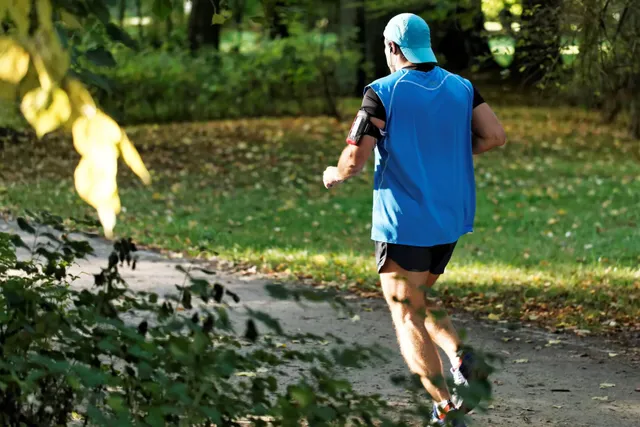
Tooth pain during running is usually caused by sinus inflammation pressing on nerves near your upper teeth, or by blood vessels in your mouth swelling from increased circulation. Jaw clenching, mouth breathing, and existing dental problems can also trigger it.
Why Your Teeth Hurt When You Run: The Main Causes
Running puts your whole body under load, and your mouth is not exempt. Several physical changes happen at once during a run, and any one of them can trigger tooth pain.
Sinus Pressure and Inflammation
Your upper back teeth sit close to your maxillary sinuses. When you run, the lining of your sinus cavity can swell slightly, especially if you have allergies or a cold.
That swelling presses on shared nerve pathways. The result feels exactly like a toothache, even though your teeth are completely healthy.
Increased Blood Flow
Running raises your heart rate and blood pressure. Blood vessels throughout your body, including the tiny ones feeding your gums and teeth, expand to handle the extra flow.
This swelling inside the tooth can create a dull, throbbing ache. It usually fades once your heart rate returns to normal after your run.
Teeth Grinding and Jaw Clenching
Many runners unconsciously clench their jaw when pushing through a hard effort or a tough hill. This is called bruxism, and it puts real stress on your teeth and jaw joint.
Over time, clenching wears down enamel and can make teeth more sensitive to impact and temperature during exercise.
Breathing Cold or Dry Air Through Your Mouth

Mouth breathing is common during intense running. Cold, dry air rushing over your teeth can trigger sharp pain, especially if enamel is already thin.
Mouth breathing also dries out saliva, which is your first line of defense against bacteria and decay.
Tooth Sensitivity From Worn Enamel
If enamel has worn down anywhere on a tooth, the softer dentin layer underneath gets exposed. Dentin contains tiny tubules that connect directly to the nerve.
Temperature changes, impact, and vibration from running can all trigger sudden, sharp pain in these exposed areas.
Cavities and Tooth Decay
A cavity that’s silent at rest can flare up during a run. The vibration from your footstrikes and the extra blood flow to inflamed tissue both intensify the discomfort.
If pain is isolated to one specific tooth, a cavity is one of the more likely explanations.
Cracked or Fractured Teeth
A crack doesn’t always show up to the naked eye, but it can still move slightly under pressure. Running’s repetitive impact can aggravate a hairline fracture you didn’t know you had.
This type of pain often comes and goes unpredictably, which is a useful clue for your dentist.
Acidic and Sugary Sports Fuel
Sports drinks, gels, and chews are often high in sugar and acid. Frequent use during long runs can erode enamel over time and make teeth more reactive to running-related pressure changes.
Rinsing your mouth with water after using these products helps limit the damage.
Facial Muscle Fatigue (Referred Pain)
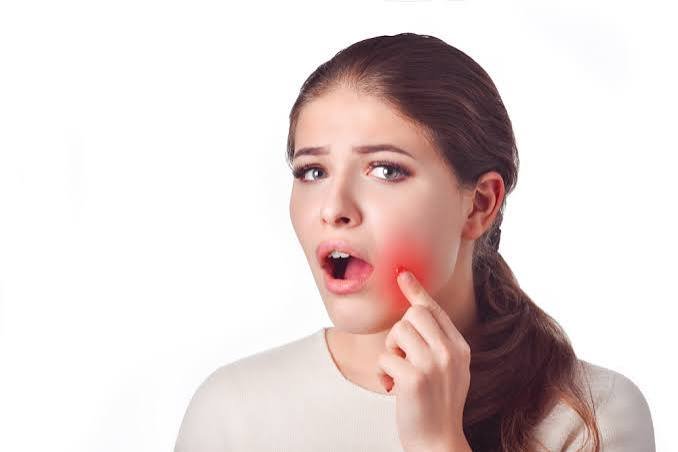
Running engages muscles across your jaw, neck, and face more than most people realize. Fatigued muscles can send referred pain signals that feel like they’re coming from your teeth, even when the teeth themselves are fine.
Causes at a Glance
| Cause | Feels Like | Common Trigger |
|---|---|---|
| Sinus pressure | Dull ache in upper teeth | Allergies, colds, cold weather |
| Increased blood flow | Throbbing, pulsing pain | Hard effort, elevated heart rate |
| Jaw clenching | Soreness, tightness | Stress, uphill running |
| Cold air exposure | Sharp, sudden pain | Mouth breathing in cold weather |
| Worn enamel | Sensitivity to temperature | Grinding, acidic foods |
| Cavity | Localized, sharp pain | Untreated decay |
| Cracked tooth | Inconsistent, sharp pain | Old fillings, trauma |
How to Stop Your Teeth From Hurting When You Run
Breathe Through Your Nose When Possible
Nasal breathing warms and filters air before it reaches your teeth. It also helps protect your sinuses from sudden pressure changes.
Cover Your Mouth in Cold Weather
A light buff, scarf, or running mask reduces direct cold air exposure. This alone resolves sensitivity for many runners during winter months.
Use Toothpaste for Sensitive Teeth
Desensitizing toothpaste blocks the tubules in exposed dentin. Most people notice a difference within two weeks of consistent use.
Relax Your Jaw Intentionally
Do a quick jaw check every mile. Unclench, drop your shoulders, and let your tongue rest gently on the roof of your mouth.
Rinse After Sports Drinks or Gels
Swish water in your mouth after consuming anything acidic or sugary. This helps neutralize acid before it can soften enamel.
Treat Allergies and Sinus Issues
If sinus pressure is the trigger, an antihistamine or saline rinse before your run can reduce inflammation significantly.
Wear a Night Guard If You Grind
If clenching happens during sleep too, a night guard protects your enamel and can reduce daytime sensitivity during exercise.
When to See a Dentist
Occasional, mild tooth discomfort during a run usually isn’t urgent. But some signs point to a real dental problem that needs professional care.
- Pain that lasts for hours after your run ends
- Sharp pain localized to one single tooth
- Visible cracks, chips, or dark spots on a tooth
- Swelling, bleeding gums, or bad taste in your mouth
- Pain that’s getting worse week over week
A dentist can rule out cavities, cracks, and gum disease with a quick exam and, if needed, an X-ray.
Also Read:
- InstrumentalFx Home
- Why Does My Gum Hurt When I Touch It?
- Why Is My Tongue Itchy?
- Why Are MRIs So Expensive?
- How Peptides Are Changing the Science of Bodybuilding Research
- How the Best Personal Training Studios in Singapore Use Data
- How Cashless Health Insurance Is Transforming Patient Experience
- What Patients Should Understand Before Choosing Robotic Heart Surgery
- How Care Patterns Help During Steps to Report Suspected Nursing Home Abuse
- Portable Space Heaters vs Fan Heaters: Pros and Cons
- Corrosion-Resistant Flexible Couplings: The Quiet Upgrade
- How Stack-Up Symmetry Affects Warpage in 12-Layer PCBs
- From Hair Care Idea to Business: How Bo International Supports Startup Brands
- How Insurance Responses Can Affect a Houston, TX Auto Accident Claim
- The Investigation Steps a Premises Liability Lawyer May Take
- Does Being a Loan Guarantor Affect Your CIBIL Score
- Do You Need Legal Help After a Truck Accident?
- What to Know Before Using a Currency Exchange Service in Hyderabad
- Creative Outdoor Activities
- Creating Mood-Based Images for Social Posts
- 430+ Trendy Roblox Username Ideas for Boys & Girls
- 1000+ Trendy Instagram Usernames Ideas for Girls
- Letflix Review: Features, How It Works and Safe to Use?
Frequently Asked Questions (FAQs)
Is it normal for teeth to hurt when running?
Yes. Mild tooth discomfort during running is common and usually caused by sinus pressure or blood flow changes rather than a dental problem.
Why do only my top teeth hurt when I run?
Your upper teeth sit close to your maxillary sinuses. Sinus inflammation from running or allergies presses on shared nerves, causing pain in the upper teeth specifically.
Can running damage your teeth?
Running itself doesn’t damage teeth directly, but jaw clenching, acidic sports drinks, and mouth breathing during long runs can contribute to enamel wear over time.
Why do my teeth hurt when I breathe in cold air while running?
Cold air can trigger sharp pain in teeth with worn or thin enamel, because the temperature change reaches exposed dentin and irritates the nerve underneath.
Does sinus pressure from running cause tooth pain?
Yes. Increased blood flow and mild sinus swelling during exercise can put pressure on nerves connected to your upper back teeth.
Should I stop running if my teeth hurt?
Not necessarily. If the pain is mild and fades quickly after your run, you can usually continue. Persistent or sharp pain deserves a dental check.
Can a cavity cause tooth pain only when I exercise?
Yes. A cavity that’s usually silent can become noticeable during running because of vibration from footstrikes and increased blood flow to inflamed tissue.
Why do my teeth hurt after running but not during?
This is often linked to a delayed rise in blood pressure or lingering sinus inflammation that peaks slightly after your heart rate starts to drop.
Does clenching my jaw while running cause tooth pain?
Yes. Many runners clench unconsciously during hard efforts, and this added pressure can strain teeth, gums, and the jaw joint.
Can allergies make my teeth hurt when I run?
Yes. Allergies inflame your sinuses, and that inflammation can radiate into the upper teeth, especially when running increases circulation further.
What toothpaste helps with tooth pain from running?
A toothpaste formulated for sensitive teeth, containing potassium nitrate or stannous fluoride, can reduce nerve sensitivity within a couple of weeks.
Is tooth pain during running a sign of a cracked tooth?
It can be. A crack that isn’t visible can still shift slightly under the repeated impact of running, producing sharp, inconsistent pain.
Can sports drinks cause tooth sensitivity while running?
Yes. Many sports drinks are acidic and sugary, which can gradually erode enamel and increase sensitivity during physical activity.
Why does my jaw hurt along with my teeth when I run?
Jaw pain alongside tooth pain often points to clenching or muscle fatigue in the muscles that control your bite.
How long should tooth pain from running last?
Pain tied to blood flow or sinus pressure typically fades within 10 to 30 minutes after your run ends. Pain lasting longer warrants attention.
Can dehydration cause tooth pain while running?
Dehydration reduces saliva flow, which can leave teeth more exposed to temperature changes and bacteria, indirectly increasing sensitivity.
Does running in winter make tooth pain worse?
Yes. Cold, dry air is one of the most common triggers for sharp tooth pain during outdoor winter running.
Can a sinus infection cause tooth pain when running?
Yes. An active sinus infection increases pressure near the roots of your upper teeth, and running can intensify that discomfort temporarily.
Is tooth pain during running more common in distance runners?
It can be, since longer runs mean more time with elevated heart rate, sustained mouth breathing, and prolonged jaw tension.
Can a mouthguard help with tooth pain when running?
A mouthguard can help if clenching or grinding is the main cause, since it cushions the bite and reduces direct pressure on teeth.
Why do my back teeth hurt more than my front teeth when running?
Back teeth are closer to the sinus cavities and endure more force during clenching, making them more prone to running-related pain.
Does high blood pressure make tooth pain worse during exercise?
Higher blood pressure increases blood flow to small vessels throughout the body, including the teeth, which can intensify a throbbing sensation.
Can old fillings cause tooth pain when running?
Yes. Metal or composite fillings that have loosened slightly can transmit vibration from running directly to the tooth’s nerve.
When should I see a dentist for tooth pain related to running?
See a dentist if pain is localized to one tooth, lasts more than an hour, or is accompanied by swelling, bleeding, or visible damage.
Conclusion
Tooth pain when running is common, and in most cases it comes from sinus pressure, blood flow changes, or jaw clenching rather than a dental emergency. Simple fixes like nasal breathing, covering your mouth in cold weather, and relaxing your jaw solve the problem for most runners.
If the pain is sharp, localized, or doesn’t fade after your run, it’s worth getting checked by a dentist. Catching a cavity or crack early is always easier than dealing with it later.


