



Why Do My Teeth Hurt at Night? You felt fine all day, but the moment your head hits the pillow, your tooth starts throbbing. It’s a frustrating pattern, and you’re not imagining it.
Nighttime tooth pain is a real phenomenon backed by simple biology. Lying down changes blood flow, pressure, and focus in ways that make existing dental problems feel much worse.
Why Do My Teeth Hurt at Night?
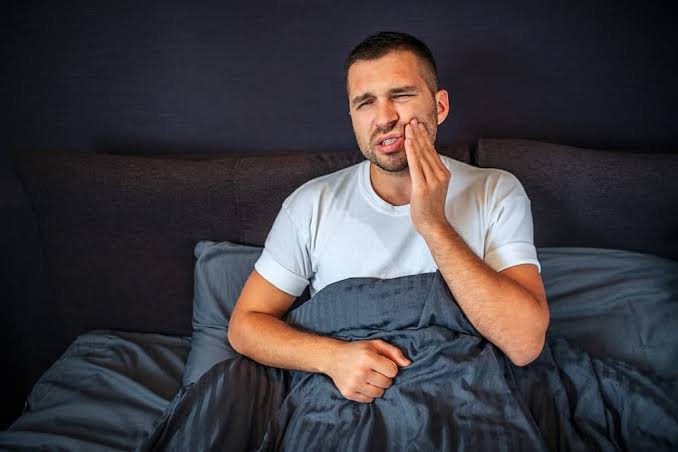
Teeth often hurt more at night because lying down increases blood flow and pressure around the tooth’s nerve. Fewer daytime distractions, sinus congestion, and unconscious teeth grinding also make existing dental problems feel far more intense after dark.
Key Takeaways
- Lying flat increases blood flow to the head, raising pressure inside an inflamed tooth.
- Quiet nighttime environments make you more aware of pain you’d otherwise ignore.
- Bruxism, or teeth grinding, often happens unconsciously during sleep.
- Sinus congestion can mimic or worsen tooth pain in the upper jaw.
- Persistent nighttime pain usually signals a problem that needs a dentist’s attention.
Increased Blood Flow When Lying Down
When you lie down, blood naturally shifts toward your head and face. This raises pressure inside the tightly enclosed pulp chamber of an already inflamed tooth.
That extra pressure pushes against sensitive nerve tissue. The result is a throbbing ache that feels far stronger than it did while you were upright.
Fewer Distractions at Night
During the day, work, conversation, and movement all compete for your attention. Mild tooth discomfort often gets pushed to the background.
At night, in a quiet, still room, there’s nothing left to distract you. The same level of pain suddenly feels impossible to ignore.
Teeth Grinding and Jaw Clenching (Bruxism)
Many people grind or clench their teeth while asleep without ever realizing it. This habit is called bruxism, and it places heavy pressure on the teeth and jaw joints.
Over time, grinding wears down enamel and irritates nerves. If you wake up with a sore jaw or a dull headache, bruxism could be the hidden cause.
Sinus Pressure and Congestion
Your upper back teeth share nerve pathways with the maxillary sinuses. When you lie down, sinus congestion can build up and press directly on those tooth roots.
If several upper teeth ache at once rather than just one, sinus pressure is a likely explanation rather than a cavity or infection.
Untreated Cavities and Tooth Decay

Cavities often start out painless, but as decay reaches deeper layers of the tooth, sensitivity increases. Reduced saliva flow at night can make this pain feel sharper.
Saliva helps neutralize acid and protect exposed areas during the day. Without that protection overnight, decay-related pain tends to intensify.
Gum Disease and Inflammation
Inflamed, infected gums can make teeth feel sore, loose, or tender to pressure. Lying down can increase blood flow to already swollen gum tissue.
This added pressure often makes gum-related tooth pain noticeably worse once you’re in bed.
Tooth Infections and Abscesses
An infected or abscessed tooth involves a buildup of pus around the root, which creates constant internal pressure. This type of pain is often described as throbbing and relentless.
Abscess pain tends to intensify at night and rarely goes away with basic home remedies. It usually requires urgent dental treatment.
Common Causes at a Glance
| Cause | Typical Pain Pattern | Needs a Dentist? |
|---|---|---|
| Blood flow and pressure | Dull to sharp throbbing | Only if persistent |
| Bruxism (grinding) | Sore jaw, headache | Yes, for a night guard |
| Sinus congestion | Multiple upper teeth ache | If ongoing |
| Cavities | Sharp, triggered by sweets/cold | Yes |
| Gum disease | Soreness, looseness | Yes |
| Abscess/infection | Constant throbbing, swelling | Yes, urgently |
At-Home Relief Options
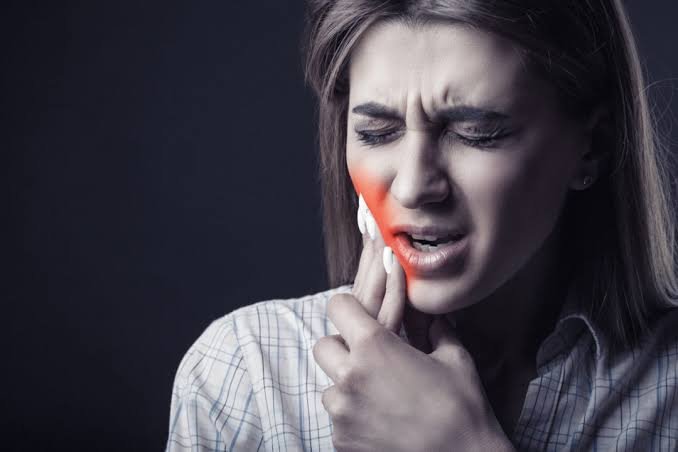
- Take an over-the-counter pain reliever like ibuprofen or acetaminophen as directed.
- Rinse with warm salt water to reduce inflammation.
- Apply a cold compress to the outside of the cheek near the painful tooth.
- Prop your head up with an extra pillow to reduce blood flow to the area.
- Avoid sugary, hot, or cold foods and drinks before bed.
Best Practices to Prevent Nighttime Tooth Pain
- Brush and floss thoroughly before bed to remove trapped food particles.
- Ask your dentist about a night guard if grinding is suspected.
- Treat sinus congestion with saline rinses or allergy medication as needed.
- Schedule regular checkups to catch cavities before they progress.
- Sleep with your head slightly elevated if you have ongoing inflammation.
Mistakes to Avoid
- Don’t ignore pain that wakes you up repeatedly night after night.
- Avoid relying only on painkillers instead of seeing a dentist.
- Don’t eat sugary snacks right before bed if you have sensitive teeth.
- Never assume sinus-related pain will resolve without checking for dental causes too.
When to See a Dentist Immediately
- Pain lasts longer than 24 to 48 hours without improving.
- You notice facial swelling or a visible bump on the gum.
- You develop a fever alongside the tooth pain.
- Pain makes it difficult to swallow or open your mouth fully.
- Over-the-counter medication no longer provides any relief.
Also Read:
- How Stack-Up Symmetry Affects Warpage and Assembly Yield in 12-Layer PCBs
- From Hair Care Idea To Business: How Bo International Supports Startup Brands
- Portable Space Heaters vs Fan Heaters: Pros and Cons
- How Care Patterns Help During Steps to Report Suspected Nursing Home Abuse
- How Insurance Responses Can Affect a Houston, TX Auto Accident Claim
- The Investigation Steps a Premises Liability Lawyer May Take After an Injury
- Does Being a Loan Guarantor Affect Your CIBIL Score
- Do You Need Legal Help After a Truck Accident? Here’s What to Know
- What to Know Before Using a Currency Exchange Service in Hyderabad
- Corrosion-Resistant Flexible Couplings: The Quiet Upgrade That Prevents Expensive Failures
- Why Not an American Ark? Historical Context
- Letflix Review – Features, How It Works and Safe to Use?
- 430+ Trendy Roblox Username Ideas for Boys & Girls
- 1000+ Trendy Instagram Usernames Ideas for Girls (2024)
- Download Gayatri Mantra Best Ringtone Mp3/M4R
- Grand Theft Auto: San Andreas – Theme Song Download
- Download Mission Impossible – Original Theme Song
- Randy Orton – Voices WWE Theme Song Download
- Luke Bryan – Light It Up Karaoke Acoustic Piano
- Ace Hood – To Whom It May Concern (Instrumental)
- Lil Wayne – Plastic Bag (Instrumental)
- Gotye – Somebody That I Used To Know (Instrumental)
Frequently Asked Questions (FAQs)
Why do my teeth hurt at night?
Lying down increases blood flow and pressure around an inflamed tooth’s nerve, while a quiet room removes daytime distractions, making the same pain feel much stronger.
Why does tooth pain feel worse when I lie down?
Lying flat raises blood pressure in the head, which increases pressure inside the tooth’s pulp chamber and intensifies nerve sensitivity.
Can teeth grinding cause nighttime tooth pain?
Yes, bruxism puts heavy pressure on teeth during sleep, often wearing down enamel and irritating nerves without you realizing it’s happening.
How do I know if sinus pressure is causing my tooth pain?
If multiple upper teeth ache at the same time rather than just one, sinus congestion pressing on the tooth roots is a likely cause.
Can a cavity cause pain only at night?
Yes, reduced saliva flow at night removes a protective barrier, which can make cavity-related sensitivity feel sharper after dark.
Is nighttime tooth pain a sign of infection?
It can be. Throbbing, constant pain combined with swelling often points to an abscess or infection that needs urgent treatment.
What home remedies help with tooth pain at night?
Warm salt water rinses, cold compresses, over-the-counter pain relievers, and sleeping with your head elevated can all provide temporary relief.
Does sleeping position affect tooth pain?
Yes, sleeping flat increases blood flow to the head. Elevating your head slightly with an extra pillow can reduce pressure and ease discomfort.
Why does my jaw hurt along with my tooth at night?
This is often a sign of bruxism, where grinding and clenching place strain on both the teeth and the jaw muscles overnight.
Can gum disease cause tooth pain at night?
Yes, inflamed gums can become more sensitive as blood flow increases while lying down, making teeth feel sore or loose.
How long can I wait before seeing a dentist for nighttime tooth pain?
If pain lasts more than 24 to 48 hours or keeps returning, it’s time to schedule an appointment rather than continue waiting.
What painkillers are safe for nighttime tooth pain?
Over-the-counter options like ibuprofen or acetaminophen are commonly used, but always follow the dosing instructions on the label.
Can eating before bed make tooth pain worse?
Yes, sugary, hot, or cold foods and drinks close to bedtime can irritate sensitive or decayed teeth and trigger discomfort.
Should I use a night guard for tooth pain from grinding?
A dentist can recommend a custom night guard, which cushions the teeth and reduces pressure caused by grinding or clenching.
Is it normal for a toothache to disappear during the day?
Yes, daytime activity, saliva flow, and distractions can make pain feel less noticeable, even though the underlying problem hasn’t gone away.
Can stress make nighttime tooth pain worse?
Yes, stress often contributes to teeth grinding and clenching, which can intensify tooth and jaw pain during sleep.
What does throbbing tooth pain at night usually mean?
Throbbing pain often indicates pulpitis, inflammation of the tooth’s inner nerve tissue, which becomes more noticeable under increased blood pressure.
Can a toothache be an emergency?
Yes, if pain is accompanied by facial swelling, fever, or difficulty swallowing, it should be treated as a dental emergency.
Why does my tooth only hurt after I lie down for a while?
Pressure and blood flow changes take a few minutes to build after lying down, which is why pain can start gradually rather than instantly.
Can dehydration affect nighttime tooth pain?
Reduced saliva production, which naturally occurs during sleep, can worsen sensitivity in teeth already affected by decay or exposed roots.
Will nighttime tooth pain go away on its own?
Occasional mild sensitivity may fade, but persistent or worsening pain usually signals an underlying issue that needs professional treatment.
What’s the difference between sinus pain and tooth pain?
Sinus-related pain typically affects several upper teeth at once, while true dental pain is usually isolated to a single tooth.


