


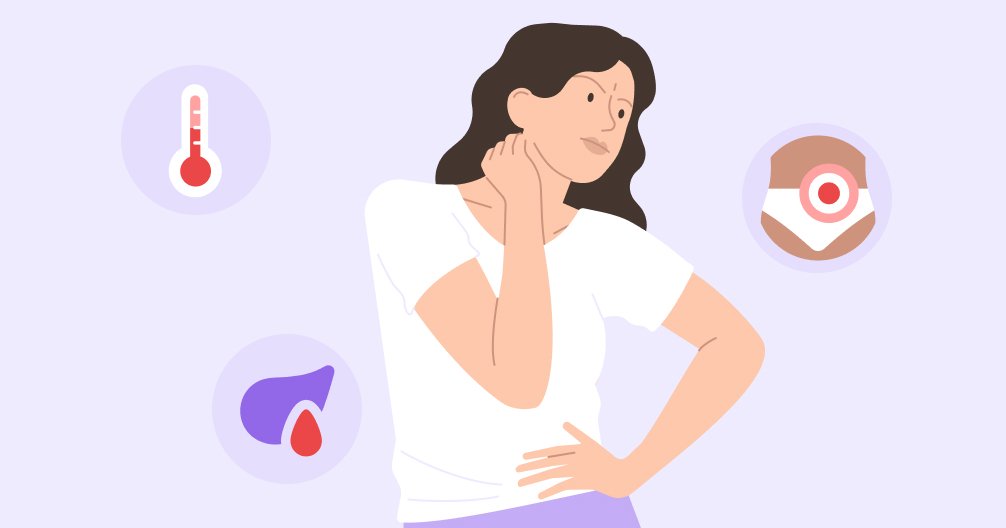
Why Am I Bleeding? Noticing unexpected blood, whether it’s from your gums, your nose, your skin, or somewhere else, can be unsettling. Sometimes it’s minor and explainable, and sometimes it’s your body signaling something worth checking out.
Why Am I Bleeding?

Unexplained bleeding can come from minor causes like dry skin, hormonal changes, or medication side effects, or from more significant issues like clotting disorders, infections, or underlying conditions. Heavy, persistent, or unexplained bleeding always deserves medical evaluation.
Why Bleeding Happens
Bleeding occurs when blood vessels are damaged and blood escapes from where it’s supposed to stay. Normally, your body’s clotting system quickly seals the leak.
When bleeding happens without an obvious injury, or doesn’t stop as expected, it often points to something affecting either the blood vessels themselves or your body’s clotting ability.
Common Types of Unexplained Bleeding
Easy Bruising and Skin Bleeding
Unexplained bruises or bleeding under the skin can result from fragile blood vessels, certain medications, or a clotting issue. Blood thinners and even long-term steroid use can make bruising more likely.
Vitamin deficiencies, particularly vitamin C or K, can also weaken blood vessels and contribute to this pattern.
Gum Bleeding
Bleeding gums are often linked to gum disease caused by plaque buildup. Brushing too hard or starting a new flossing routine can also cause temporary bleeding.
Persistent gum bleeding that doesn’t improve with better oral hygiene is worth mentioning to a dentist.
Nosebleeds
Dry air, frequent nose picking, or minor irritation are the most common causes of nosebleeds. Blood thinning medications can also make nosebleeds more frequent or harder to stop.

Most nosebleeds resolve with simple pressure and aren’t a sign of anything serious.
Vaginal Bleeding
Vaginal bleeding outside of a regular period can stem from hormonal changes, birth control, fibroids, or pregnancy-related causes. It’s considered unusual any time it doesn’t match your typical cycle.
Bleeding after menopause is always worth a medical evaluation, since it can sometimes signal a more serious underlying issue.
Rectal or GI Bleeding
Blood in the stool or on toilet paper can come from hemorrhoids, anal fissures, or issues higher up in the digestive tract. Dark, tarry stools can indicate bleeding from further inside the digestive system.
Any rectal bleeding that’s persistent or unexplained should be evaluated by a doctor.
Blood in Urine
Blood in the urine can be caused by urinary tract infections, kidney stones, or irritation from strenuous exercise. In some cases, it can point to a more serious kidney or bladder issue.
Even a single episode of visible blood in urine is worth mentioning to a healthcare provider.
Medication-Related Bleeding
Blood thinners, aspirin, and certain anti-inflammatory medications can all increase bleeding risk throughout the body. This can show up as easier bruising, longer bleeding from small cuts, or nosebleeds.
If bleeding started after a new prescription, that timing is an important clue for your doctor.
Clotting Disorders
Conditions like hemophilia or von Willebrand disease affect the body’s ability to form clots properly. These are often identified when bleeding is unusually prolonged or heavy relative to the injury.
A family history of bleeding problems can be a helpful clue if this is suspected.
Liver or Kidney Conditions
Since the liver produces many clotting proteins, liver disease can impair the body’s ability to stop bleeding. Kidney disease can have a similar effect on clotting function.
These causes are usually identified through blood tests as part of a broader evaluation.
Bleeding by Location and Likely Cause
| Location | Common Causes | When It’s More Concerning |
|---|---|---|
| Skin/bruising | Minor injury, medication, vitamin deficiency | Bruises appearing without any known cause |
| Gums | Gum disease, brushing technique | Bleeding that doesn’t improve with better care |
| Nose | Dry air, irritation, blood thinners | Frequent, hard-to-stop nosebleeds |
| Vaginal | Hormones, birth control, cycle changes | Bleeding after menopause or during pregnancy |
| Rectal | Hemorrhoids, fissures | Dark, tarry stools or persistent bleeding |
| Urine | UTI, kidney stones, exercise | Any visible blood without a clear cause |
When Bleeding Is a Medical Emergency
Most unexplained bleeding is manageable and not immediately dangerous. But certain situations need urgent attention.
- Bleeding that won’t stop after 10-15 minutes of direct pressure
- Vomiting blood or coughing up blood
- Black, tarry, or bloody stools
- Heavy vaginal bleeding soaking through a pad or tampon hourly
- Bleeding during pregnancy, especially with pain or cramping
- Bleeding paired with dizziness, weakness, or fainting
- Unexplained bruising with fever, weight loss, or swollen glands
- Any bleeding after a significant injury or accident
If you experience any of these signs, seek emergency medical care right away.
What to Do About Mild Unexplained Bleeding
Track the Pattern
Note when the bleeding happens, how much occurs, and any related symptoms. This information helps a doctor narrow down the likely cause quickly.
Review Your Medications
Check whether a new medication, supplement, or dosage change lines up with when the bleeding started. Blood thinners and certain supplements are common culprits.
Apply Gentle Pressure
For visible bleeding like a nosebleed or minor cut, gentle steady pressure usually helps it stop. Avoid repeatedly checking too soon, since this can restart the bleeding.
Stay Hydrated and Well-Nourished
A balanced diet supports healthy blood vessels and clotting function. If a vitamin deficiency is suspected, a doctor can confirm this with a simple blood test.
Schedule a Medical Evaluation
Even mild but unexplained bleeding is worth mentioning at your next checkup. A doctor can rule out underlying causes with a physical exam and basic bloodwork.
Mistakes to Avoid
- Ignoring bleeding that keeps recurring without explanation
- Assuming all bruising is normal without checking the pattern
- Delaying care for heavy or prolonged bleeding
- Stopping a prescribed blood thinner without medical guidance
- Overlooking bleeding paired with fatigue, dizziness, or pale skin
Key Takeaways
- Unexplained bleeding can come from many sources, from minor irritation to underlying health conditions.
- Medications, especially blood thinners, are a common and often overlooked cause.
- Bleeding after menopause, during pregnancy, or that won’t stop needs urgent evaluation.
- Tracking when and how bleeding occurs helps doctors identify the cause faster.
- Persistent or recurring bleeding should never be dismissed as unimportant.
Also Read:
- From Hair Care Idea To Business: How Bo International Supports Startup Brands
- Portable Space Heaters vs Fan Heaters: Pros and Cons
- How Care Patterns Help During Steps to Report Suspected Nursing Home Abuse
- How Insurance Responses Can Affect a Houston, TX Auto Accident Claim
- Download Gayatri Mantra Best Ringtone Mp3/M4R
- Grand Theft Auto: San Andreas – Theme Song Download
- Download Mission Impossible – Original Theme Song
- Randy Orton – Voices WWE Theme Song Download
- 430+ Trendy Roblox Username Ideas for Boys & Girls
- 1000+ Trendy Instagram Usernames Ideas for Girls
- Letflix Review – Features, How It Works and Safe to Use?
- The Investigation Steps a Premises Liability Lawyer May Take After an Injury
- Does Being a Loan Guarantor Affect Your CIBIL Score
- Do You Need Legal Help After a Truck Accident? Here’s What to Know
- Employee Rights and Legal Remedies in Whistleblower Retaliation Cases
- Lorde – Liability (Instrumental)
- The LOX – Ignorant (Instrumental)
- Dae Dae – Spend It (Instrumental)
- Mac Miller – Diablo (Instrumental)
- How Peptides Are Changing the Science of Bodybuilding Research
- How Cashless Health Insurance Is Transforming Patient Experience
- Why Is My Tongue Itchy? Common Causes & Treatments
- Why Are MRIs So Expensive? The Real Cost Explained
- Why Does My Gum Hurt When I Touch It? Causes & Relief
- Why Do My Feet Burn at Night? 9 Possible Causes
Frequently Asked Questions
Why am I bleeding between periods?
Bleeding between periods can result from hormonal changes, birth control, fibroids, or ovulation-related spotting. If it happens repeatedly, a gynecologist can help identify the exact cause.
Is unexplained bruising something to worry about?
Occasional mild bruising is usually harmless, but frequent or unexplained bruising, especially with other symptoms, deserves a medical evaluation. This is especially true if bruises appear without any known injury.
Why do my gums bleed when I brush my teeth?
This is most often caused by gum disease from plaque buildup or brushing too hard. Improving your oral hygiene routine and seeing a dentist can help resolve it.
Can medication cause unexplained bleeding?
Yes, blood thinners, aspirin, and certain anti-inflammatory drugs can all increase bleeding risk. If bleeding started after a new medication, mention this to your doctor.
Why is there blood in my urine?
Blood in urine can result from a urinary tract infection, kidney stones, or intense exercise. Any visible blood in urine should be evaluated by a healthcare provider.
Is it normal to bleed after menopause?
No, any vaginal bleeding after menopause is considered abnormal and should be evaluated promptly. It doesn’t always indicate something serious, but it needs to be checked.
Why do I get nosebleeds so often?
Frequent nosebleeds are often linked to dry air, nose picking, or blood-thinning medications. If they become very frequent or hard to stop, a doctor can help identify the cause.
Can stress cause unexplained bleeding?
Stress itself doesn’t directly cause bleeding, but it can worsen conditions like gum disease or hormonal imbalances that contribute to bleeding. Managing stress may indirectly help some related symptoms.
What does blood in my stool mean?
Blood in stool can come from hemorrhoids, anal fissures, or bleeding higher in the digestive tract. Dark or tarry stools in particular should be evaluated promptly.
Can a vitamin deficiency cause bleeding?
Yes, deficiencies in vitamin C or vitamin K can weaken blood vessels and impair clotting. A blood test can confirm whether this is contributing to your symptoms.
Why do I bruise so easily?
Easy bruising can result from thin skin, certain medications, or an underlying clotting issue. If bruising increases suddenly or without explanation, it’s worth discussing with a doctor.
Is bleeding during early pregnancy normal?
Light spotting can sometimes occur in early pregnancy, but any bleeding should be reported to your doctor. It can range from harmless to a sign of a more serious issue.
Can liver problems cause unexplained bleeding?
Yes, since the liver produces clotting proteins, liver disease can impair the body’s ability to stop bleeding. This is typically identified through blood tests.
Why won’t my nosebleed stop?
Prolonged nosebleeds can result from blood thinners, high blood pressure, or a clotting issue. If direct pressure for 10-15 minutes doesn’t help, seek medical care.
Can exercise cause blood in urine?
Yes, intense or prolonged exercise can occasionally cause temporary blood in the urine. It usually resolves on its own, but persistent cases should be checked.
What’s the difference between spotting and abnormal bleeding?
Spotting is typically very light bleeding, often just a few drops, while abnormal bleeding is heavier or occurs at unexpected times. Both are worth mentioning if they happen outside your normal pattern.
Can a clotting disorder cause frequent unexplained bleeding?
Yes, conditions like hemophilia or von Willebrand disease can cause bleeding that’s heavier or longer-lasting than expected. A doctor can test for these if bleeding seems unusually prolonged.
Why do I bleed more when I take aspirin?
Aspirin thins the blood and reduces clotting ability, which can make bleeding more noticeable or harder to stop. This is a known side effect and worth discussing with your doctor if it’s disruptive.
When should unexplained bleeding be treated as an emergency?
Treat it as an emergency if bleeding won’t stop after direct pressure, comes with vomiting blood, black stools, or severe dizziness. Heavy bleeding during pregnancy also warrants immediate care.
Can dehydration cause easier bleeding or bruising?
Dehydration itself doesn’t directly cause bleeding, but it can affect overall vascular health over time. Staying well-hydrated supports healthy blood vessel function.
Conclusion
Unexplained bleeding usually has a clear explanation once you look at where it’s happening and what else is going on with your body. Many cases trace back to something manageable, like medication, minor irritation, or hormonal changes.
Pay close attention to bleeding that’s heavy, persistent, or paired with other symptoms like dizziness or pain. When in doubt, a doctor can run the right tests to identify the cause and get you the appropriate treatment.


