


What is indie music? This question has puzzled music lovers for decades, and the answer continues to evolve in 2026. Indie music represents far more than just a genre—it’s a cultural movement rooted in creative independence and artistic freedom.
Originally short for “independent,” the term described artists who released music without major record label backing. Today, indie music has transformed into a distinctive sonic identity characterized by authenticity, experimentation, and emotional depth.
From bedroom producers uploading tracks to Spotify to established acts headlining festivals worldwide, indie music encompasses a vast spectrum of sounds and styles that defy simple categorization while maintaining a rebellious spirit against mainstream conventions.
The True Meaning of Indie Music
Indie music carries two interconnected definitions that often confuse listeners. Understanding both perspectives helps clarify what makes music truly “indie” in 2026.
The literal meaning refers to production and distribution methods. Independent music describes songs created outside the traditional major label system. Artists maintain creative control over their work, handle their own recording, and often manage distribution through independent labels or self-release platforms.
The cultural meaning extends beyond business arrangements. Indie music has evolved into a recognizable aesthetic characterized by specific sonic qualities, lyrical approaches, and artistic values. This definition focuses on the sound and spirit rather than corporate affiliations.
Many successful indie artists now work with major labels while retaining the indie ethos. This paradox reflects how indie music has matured from a purely independent production model into an established genre with distinct characteristics.
Historical Origins of Independent Music
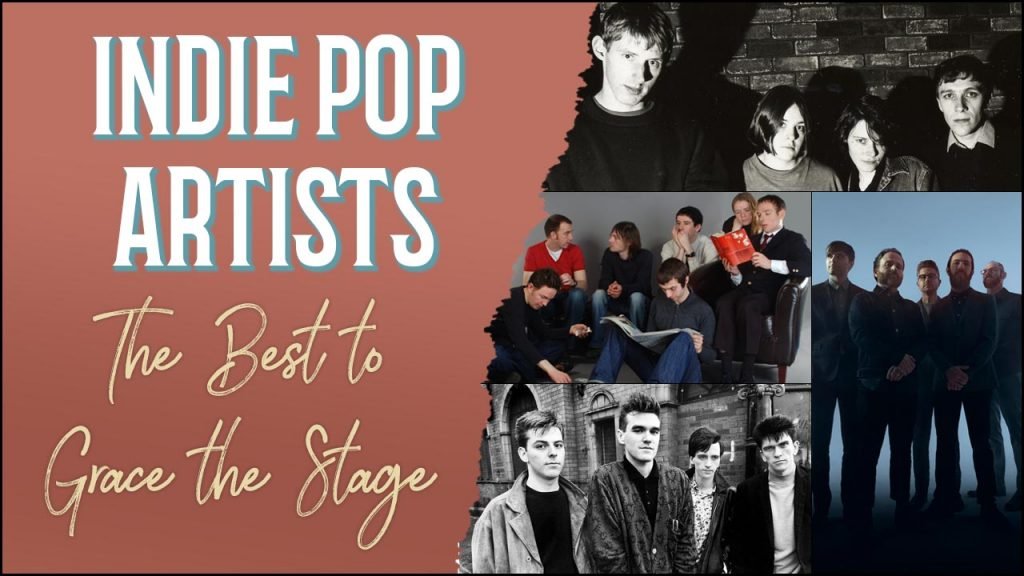
The indie music movement emerged from the post-punk scene of the late 1970s and early 1980s in the United Kingdom and United States. This period marked a cultural shift toward DIY ethics and artistic autonomy.
British bands like The Smiths, Buzzcocks, and Joy Division pioneered the independent approach. They released music through small labels like Rough Trade and Factory Records, establishing blueprints for future generations. The Buzzcocks’ 1977 “Spiral Scratch” EP is often credited as the first true indie release.
American indie rock developed simultaneously through college radio stations and underground venues. R.E.M., The Replacements, and Hüsker Dü built devoted followings without mainstream radio support. These bands proved commercial success didn’t require major label machinery.
The 1990s brought indie music into broader consciousness through the alternative rock explosion. Though Nirvana signed to a major label, their DIY roots influenced countless bedroom musicians to pick up instruments.
Defining Characteristics of the Indie Sound
Indie music resists simple sonic definitions, but several characteristics frequently appear across different indie subgenres and eras.
Guitar-oriented instrumentation dominates most indie music. Electric and acoustic guitars create the foundational textures, often accompanied by live drums and bass. This organic approach contrasts with heavily produced pop music.
Earnest and emotive lyrics distinguish indie songwriting. Artists tackle introspective themes, personal experiences, and sociopolitical commentary with vulnerability. The lyrics often feel conversational rather than polished or commercial.
Lo-fi production aesthetics appear frequently in indie recordings. Many artists embrace imperfections, tape hiss, and raw sounds that convey authenticity. This unpolished quality signals artistic priority over commercial perfection.
Experimental approaches to songwriting set indie apart from formulaic genres. Unusual time signatures, unconventional structures, and creative arrangements reflect the freedom independent artists enjoy.
Indie Music vs Alternative Music: Understanding the Difference
The terms “indie” and “alternative” are often used interchangeably, creating confusion about their actual meanings and distinctions.
Alternative music originally served as an umbrella term for anything outside mainstream pop and rock radio formats. It described the sound rather than the production method. Bands like Nirvana, Radiohead, and The Smashing Pumpkins became alternative icons.
Indie music specifically referenced independent production and distribution, though it developed its own sonic identity over time. The confusion intensified when alternative music became mainstream in the 1990s, losing its outsider status.
In 2026, alternative typically describes guitar-based rock music with broader commercial appeal. Indie maintains associations with smaller-scale operations, creative authenticity, and specific aesthetic choices regardless of label affiliation.
Many artists embody both categories simultaneously. The overlap reflects how these terms describe different aspects of music culture rather than mutually exclusive categories.
Major Indie Music Subgenres
The Indie music branches into numerous subgenres, each with distinct characteristics while maintaining core independent values.
Indie Rock
Indie rock remains the most recognizable indie subgenre. It features guitar-driven arrangements, dynamic song structures, and introspective lyrics. Bands like Arctic Monkeys, The Strokes, and Vampire Weekend exemplify modern indie rock.
Indie Pop
Indie pop emphasizes melody, harmony, and accessibility while maintaining independent sensibilities. Artists create catchy, lighthearted music without mainstream pop’s commercial calculations. Clairo, Rex Orange County, and CMAT represent contemporary indie pop.
Indie Folk
Indie folk strips music down to acoustic essentials. Artists like Bon Iver, Fleet Foxes, and Phoebe Bridgers craft intimate, emotionally raw songs. The subgenre often features fingerpicked guitars, subtle percussion, and hushed vocals.
Bedroom Pop
Bedroom pop describes music recorded in home studios with accessible equipment. This subgenre exploded in the 2010s as production technology became affordable. Clairo’s “Pretty Girl” and Gus Dapperton’s early work defined the aesthetic.
Indie Electronic
Indie electronic fuses electronic production with indie sensibilities. Artists like MGMT, Tame Impala, and M83 create psychedelic soundscapes and synth-heavy compositions. The subgenre bridges indie rock and electronic music cultures.
Dream Pop
Dream pop creates atmospheric, ethereal soundscapes through reverb-heavy guitars and whispered vocals. Beach House, Cocteau Twins, and Slowdive pioneered this immersive subgenre.
Iconic Indie Artists Who Shaped the Genre
Certain artists defined indie music’s evolution and continue influencing new generations of musicians.
The Smiths established indie music’s emotional template in the 1980s. Johnny Marr’s jangly guitars and Morrissey’s melancholic lyrics created the blueprint countless bands still follow.
Radiohead demonstrated indie music’s artistic possibilities. Their experimental approach to rock music inspired generations to push creative boundaries while maintaining commercial viability.
Elliott Smith brought heartbreaking intimacy to indie folk. His whispered vocals and fingerpicked guitar influenced the confessional songwriting movement that dominates modern indie.
Arcade Fire proved indie bands could achieve mainstream success without compromising artistic vision. Their theatrical, orchestral approach expanded indie rock’s sonic palette.
Mac DeMarco defined 2010s indie with his slacker persona and jangly guitar tones. His laid-back approach influenced countless bedroom pop artists.
Phoebe Bridgers represents contemporary indie’s emotional honesty. Her vulnerable songwriting and collaborative spirit embody modern indie values.
How Indie Music Distribution Has Evolved
The methods for creating and sharing indie music have transformed dramatically, especially in the digital era.
Independent record labels provided the original indie infrastructure. Small operations like Sub Pop, Matador, and Merge Records offered artist-friendly contracts while maintaining creative freedom. These labels operated outside the major label system.
The internet revolutionized indie music distribution. Platforms like Bandcamp, SoundCloud, and Spotify eliminated traditional gatekeepers. Artists could upload music directly to listeners worldwide without label intermediaries.
Streaming services changed how indie artists reach audiences. Playlist placements on Spotify and Apple Music can make or break careers. Algorithmic recommendations expose listeners to new indie artists daily.
Social media marketing became essential for indie musicians. TikTok, Instagram, and Twitter allow direct artist-to-fan relationships. Viral moments can launch careers overnight.
Direct-to-fan platforms enable sustainable careers. Services like Patreon, Bandcamp subscriptions, and exclusive content offerings let artists monetize dedicated fanbases without streaming revenue dependence.
The Modern Indie Music Scene in 2026
Today’s indie music landscape looks dramatically different from previous decades while maintaining core independent values.
Genre boundaries continue dissolving in the “post-genre” era. Artists blend indie rock, hip-hop, electronic, and pop elements freely. This experimentation creates fresh sounds that defy traditional categorization.
TikTok drives indie music discovery. Short-form video content helps unknown artists reach millions. Songs like “Heat Waves” by Glass Animals became massive hits through TikTok virality.
DIY production quality rivals professional studios. Affordable software and equipment democratized music production. Bedroom producers create polished tracks that compete with major label releases.
Live performance remains crucial for indie artists. Touring revenue sustains careers since streaming pays minimally. Festivals like Coachella, Glastonbury, and Primavera showcase indie alongside mainstream acts.
Collaborative culture defines modern indie. Artists frequently feature on each other’s tracks, blurring individual artist identities. This community approach contrasts with competitive mainstream music.
Emerging Indie Artists to Watch in 2026
The indie scene constantly regenerates with fresh talent bringing new perspectives and sounds.
Borderline from New Zealand pushes indie-pop boundaries with trip-hop and hyper-pop influences. Their glitchy, experimental approach represents the post-genre movement’s cutting edge.
Day We Ran delivers emotionally resonant indie rock from Australia. Their “sad-happy” anthems capture the contradictions of modern life.
Hallpass returns to guitar-driven indie with urgent, dangerous energy. They represent a resurgence in high-fidelity rock that feels genuinely exciting.
Rec Hall blends dark electronics with indie rock fundamentals. Their “Witchstep” style captures modern indie’s eclectic, moody aesthetic.
Cardinals, Ellur, and The Scratch expand indie’s boundaries in different directions. These rising acts prove indie music’s vitality and diversity.
How to Recognize Indie Music
Identifying indie music requires understanding sonic qualities, production approaches, and contextual clues beyond simple label affiliations.
Listen for authentic, earnest vocal delivery. Indie singers often prioritize emotional honesty over technical perfection. Voices sound natural rather than heavily processed.
Notice production choices that favor character over polish. Indie recordings embrace imperfections, allowing room sounds, slight timing variations, and tonal quirks that major label productions eliminate.
Observe unconventional song structures. Indie artists frequently avoid verse-chorus formulas, creating dynamic arrangements that serve emotional narratives rather than radio formats.
Identify guitar-centric arrangements. While not universal, most indie music features prominent guitar work ranging from jangly to distorted.
Consider lyrical content and delivery. Indie lyrics tend toward introspection, specific observations, and literary references. The writing feels personal rather than calculated for mass appeal.
Creating Indie Music: A DIY Approach
Anyone can create indie music with modest resources and dedication. The barriers to entry have never been lower.
Start with basic recording equipment. An audio interface, microphone, and digital audio workstation like GarageBand or Reaper provide everything needed. Many successful indie artists began with just a laptop.
Learn fundamental music theory and production skills. Online tutorials cover everything from chord progressions to mixing techniques. The indie ethos values learning through experimentation.
Develop a unique artistic voice. Indie music rewards authenticity over imitation. Draw from diverse influences but create something distinctly personal.
Record rough demos first. Indie music celebrates imperfection. Don’t wait for perfect performances—capture genuine moments even if technically flawed.
Utilize free distribution platforms. Upload music to Bandcamp, SoundCloud, or DistroKid for Spotify placement. Build an audience gradually through consistent releases.
The Business of Independent Music
Understanding indie music’s economic realities helps contextualize artistic choices and career sustainability.
Streaming revenue rarely sustains indie artists. Spotify pays fractions of cents per stream. Artists need millions of plays for significant income.
Merchandise sales provide crucial income. Physical items like vinyl, t-shirts, and posters generate better margins than streaming. Fans appreciate tangible connections to artists.
Live performances remain the primary revenue source. Tours, festivals, and intimate shows create sustainable income while building fan relationships.
Sync licensing offers lucrative opportunities. Placing songs in TV shows, films, and commercials can fund entire albums from single placements.
Crowdfunding enables specific projects. Platforms like Kickstarter and Patreon let fans directly support artists. This model works especially well for established indie acts with dedicated followings.
Indie Music’s Cultural Impact
Beyond sonic characteristics, indie music influences fashion, attitudes, and cultural movements.
Indie aesthetics shaped contemporary style. Thrift store fashion, vintage clothing, and effortlessly casual looks originated in indie culture. This anti-fashion approach rejected mainstream trends.
DIY ethics extended beyond music. The independent spirit influenced art, publishing, film, and entrepreneurship. Self-sufficiency became a cultural value.
Authenticity became a prized commodity. Indie music’s rejection of corporate calculation influenced broader cultural demands for genuine experiences and transparent relationships.
Alternative spaces thrived through indie support. Independent venues, record stores, and coffee shops became cultural hubs sustained by indie communities.
Progressive values aligned with indie culture. Environmental consciousness, social justice, and political awareness frequently characterize indie music communities.
The Future of Indie Music
Indie music continues evolving while maintaining core values of independence and authenticity.
Artificial intelligence presents new creative tools. Indie artists experiment with AI-assisted production while maintaining human emotional cores. This technology democratizes advanced production techniques.
Web3 and blockchain offer alternative monetization. NFTs and cryptocurrency enable direct artist-to-fan transactions. Some indie musicians embrace these technologies for sustainable income.
Virtual performances expand globally. Live-streamed concerts and VR experiences let artists reach worldwide audiences without touring costs.
Micro-genres proliferate endlessly. TikTok and streaming algorithms encourage hyper-specific niches. Indie artists can find devoted audiences for increasingly specialized sounds.
Community-based models gain traction. Artist cooperatives, shared studios, and collective labels provide support systems. Collaboration replaces competition as indie musicians recognize mutual benefits.
Building Your Indie Music Collection
Discovering and supporting indie music enriches your listening experience while helping artists thrive.
Explore curated playlists on streaming platforms. Services like Spotify and Apple Music offer excellent indie-focused playlists. “Indie Vibes 2026” and “Fresh Finds” introduce new artists weekly.
Follow independent music blogs and publications. Sites like Pitchfork, Stereogum, and Indie Music Center highlight emerging talent. Their recommendations surface quality music before mainstream awareness.
Attend local shows and small venues. Discover regional indie scenes by supporting neighborhood venues. These intimate performances create meaningful connections with artists.
Use discovery features actively. Spotify’s “Discover Weekly” and Apple Music’s “New Music Mix” algorithms surface indie music based on listening habits.
Purchase music directly from artists. Bandcamp Fridays give 100% of revenue to musicians. This direct support sustains indie careers more effectively than streaming.
Frequently Asked Questions
What exactly defines indie music today?
Indie music in 2026 describes music created with creative independence, whether through independent labels or major label arrangements that preserve artistic control. The term encompasses specific sonic aesthetics—guitar-oriented, earnest, and experimental—while representing DIY values and authentic expression that resists mainstream commercial formulas.
Is indie music only for independent artists?
No, many indie artists work with major labels while maintaining creative autonomy. The indie classification depends more on artistic approach and sound characteristics than business arrangements. Artists like Lana Del Rey sign with major labels but retain indie sensibilities through their creative vision and aesthetic choices.
What’s the difference between indie and alternative music?
Alternative music describes anything deviating from mainstream sounds regardless of production method. Indie specifically references independent production origins and associated sonic aesthetics. Alternative became mainstream in the 1990s, while indie maintained outsider status. The terms overlap significantly but emphasize different aspects.
What instruments are common in indie music?
Indie music heavily features electric and acoustic guitars, bass, and drums. Synthesizers, keyboards, and electronic elements appear increasingly in indie electronic and bedroom pop. The organic, instrument-based approach distinguishes indie from heavily programmed pop music, though production techniques vary widely across subgenres.
Who are the most influential indie artists?
The Smiths, Radiohead, and R.E.M. pioneered indie music’s foundation. Modern influential artists include Arcade Fire, Mac DeMarco, Phoebe Bridgers, and Bon Iver. These musicians shaped indie’s evolution through innovative songwriting, production approaches, and career models that inspired countless followers.
Can you make money from indie music?
Yes, though rarely through streaming alone. Successful indie musicians earn through diverse revenue streams: touring, merchandise, sync licensing, crowdfunding, and direct sales. Building sustainable careers requires entrepreneurial skills, dedicated fanbases, and consistent work. Many indie artists supplement music income with related work.
What are the main indie music subgenres?
Major indie subgenres include indie rock, indie pop, indie folk, bedroom pop, indie electronic, and dream pop. Each maintains core indie values while emphasizing different sonic elements. Contemporary indie increasingly blends these categories, creating hybrid styles that defy traditional genre classifications.
How has streaming changed indie music?
Streaming democratized distribution, eliminating traditional gatekeepers and enabling global reach. However, minimal per-stream payments make sustainable income difficult. Playlist placements became crucial for discovery. Artists balance streaming accessibility with direct sales through platforms like Bandcamp to maintain viable careers.
Why do indie songs sound lo-fi sometimes?
Lo-fi production aesthetics signal authenticity and artistic priority over commercial polish. Many indie artists intentionally embrace recording imperfections, tape hiss, and raw sounds. Limited budgets also contribute to lo-fi qualities, though modern technology enables high-quality bedroom production. The aesthetic represents values over technical perfection.
How can I start listening to indie music?
Begin with influential artists like The Smiths, Radiohead, or Mac DeMarco. Explore Spotify playlists like “Indie Vibes 2026” and “Front Page Indie.” Follow music blogs covering emerging artists. Attend local indie shows to discover regional scenes. Let streaming algorithms suggest similar artists, expanding your indie horizons gradually.
Conclusion
What is indie music ultimately represents a question with evolving answers that reflect changing music industry dynamics and cultural values. At its core, indie music embodies creative independence, authentic expression, and artistic risk-taking that resists mainstream commercial calculations.
From its post-punk origins in the late 1970s to today’s diverse ecosystem of bedroom producers and festival headliners, indie music has transformed from a production method into a recognized genre with distinct aesthetic qualities.
The 2026 indie landscape features unprecedented creative freedom enabled by accessible technology and global distribution platforms, while economic challenges force artists to develop entrepreneurial skills alongside musical talents.
Whether through guitar-driven indie rock, intimate bedroom pop, or experimental electronic sounds, indie music continues providing alternatives to mainstream formulas while building communities around shared values of authenticity and independence.


