


Star spangled banner trumpet sheet music remains one of the most sought-after patriotic arrangements for brass players in 2026.
Whether you’re a beginner learning your first national anthem or an advanced player preparing for a ceremonial performance, finding the right arrangement can transform your playing experience.
This comprehensive guide explores the best trumpet arrangements available, from free downloadable PDFs to professional-grade sheet music collections.
Understanding Star Spangled Banner Arrangements for Trumpet
The national anthem presents unique challenges for trumpet players. Written originally as “To Anacreon in Heaven,” a British drinking song, the melody spans a wide octave range that tests breath control and embouchure strength.
Star spangled banner trumpet sheet music typically comes in several key signatures. The most common are Bb (concert Ab) and C (concert Bb), allowing players to choose based on their comfort level and performance context.
Professional arrangements often include dynamics markings, articulation guides, and phrasing suggestions. These details help trumpet players deliver emotionally powerful performances that honor the anthem’s significance.
Free Star Spangled Banner Trumpet Sheet Music Resources
MuseScore offers extensive free trumpet arrangements of the Star Spangled Banner. These community-contributed scores range from simplified beginner versions to complex ensemble arrangements featuring multiple trumpet parts.
Capotasto Music provides free printable PDFs specifically designed for Bb trumpet. Their arrangements include chord symbols and fingering suggestions, making them ideal for students and casual players.
Music All The Time hosts trumpet sheet music in both F (concert Eb) and C keys. The site offers band arrangements that allow trumpet players to perform alongside flutes, clarinets, saxophones, and other wind instruments.
Virtual Sheet Music features duet arrangements pairing trumpet with piano accompaniment. These scored arrangements work beautifully for recitals, church services, and educational settings.
Professional Star Spangled Banner Trumpet Arrangements
Alfred Music publishes several professional-grade trumpet arrangements by renowned arrangers. Mark Williams’ version includes both shortened endings for sing-alongs and extended concert endings with dramatic flourishes.
Sheet Music Plus offers Randy Adams’ trumpet trio arrangement. This three-part harmony setting requires no accompaniment and works perfectly for ceremonial performances or chamber music programs.
PraiseCharts provides David Shipps’ arrangements in multiple keys (Ab and Bb). These versions include separate trumpet 1 and trumpet 2 parts for ensemble performances.
Canadian Brass Store features James Klages’ traditional trumpet trio arrangement. The package includes a full score plus individual parts for all three trumpet players.
Beginner-Friendly Star Spangled Banner Arrangements
Nicholas Nmoleo’s easy trumpet arrangement on MuseScore simplifies the melody without losing its patriotic character. This version stays within a comfortable range, avoiding the challenging high notes that intimidate beginners.
Mike Story’s extremely easy arrangement eliminates fermatas and ritardando markings. By adding extra measures in the final phrases, Story creates a straightforward path through the anthem’s most complex sections.
Beginner arrangements typically restrict the range to one octave. They often include fingering charts and breathing marks to support developing players.
Large print letter note versions serve younger students and adults returning to music. These formats replace traditional notation with letter names, accelerating the learning process.
Intermediate Star Spangled Banner Trumpet Music
Intermediate arrangements introduce ornamental figures and articulation variety. Players encounter grace notes, trills, and dynamic contrasts that add sophistication to the basic melody.
The range extends to high D or E, challenging players to develop consistent upper register control. Breath management becomes crucial as phrase lengths increase.
Most intermediate versions include optional harmony parts. This allows section rehearsals where first and second trumpets can practice balance and blend.
Tempo markings become more specific, with suggested metronome speeds for different performance contexts. Ceremonial performances typically move slower than concert hall renditions.
Advanced Star Spangled Banner Trumpet Arrangements
John Philip Sousa’s band arrangement represents the gold standard for advanced players. Harmonized by Walter Damrosch, this version features dramatic fanfare openings and powerful ensemble moments.
Advanced arrangements push the range to high F or beyond. Players must demonstrate exceptional control, pure tone quality, and expressive interpretation.
Extended techniques appear in some contemporary arrangements. Flutter tonguing, dramatic crescendos, and subtle vibrato usage add modern interpretive elements.
Professional orchestrations include detailed articulation markings. Staccato passages, legato phrases, and marcato accents create textural variety throughout the arrangement.
Star Spangled Banner Trumpet Ensemble Music
Brass quintet arrangements combine two trumpets with horn, trombone, and tuba. These full-bodied settings showcase the anthem’s harmonic richness and melodic power.
Trumpet quartet versions distribute melodic and harmonic material across four parts. First trumpet typically carries the melody while second through fourth trumpets provide harmonic support.
Mixed ensemble arrangements pair trumpets with woodwinds. Full concert band settings allow trumpet sections to shine during key melodic moments while blending during tutti passages.
Jazz ensemble charts reimagine the anthem with swing rhythms and improvised sections. These modern interpretations maintain respect for the original while exploring creative harmonic possibilities.
Digital vs. Physical Star Spangled Banner Sheet Music
Digital downloads offer immediate access and unlimited printing capabilities. PDF formats ensure compatibility across all devices and operating systems.
Physical sheet music collections provide tactile benefits for traditional learners. Many players prefer turning actual pages rather than swiping screens during practice sessions.
Interactive sheet music platforms like MakeMusic Cloud provide playback features. These tools allow players to adjust tempo, loop difficult sections, and practice with accompaniment tracks.
Watermarked digital copies protect copyright while allowing personal use. Most legitimate publishers include purchaser information on downloaded files.
Keys and Transpositions for Trumpet Players
Bb trumpet is the standard instrument for which most arrangements are written. Concert pitch appears a whole step lower than written notation.
C trumpet arrangements sound as written, simplifying transposition for players comfortable reading concert pitch. Professional orchestral players often prefer C trumpet for classical literature.
Switching between Bb and C versions affects the technical difficulty. Some passages become easier on one instrument while more challenging on the other.
Accompaniment tracks must match the trumpet’s transposition. Bb trumpet players need tracks in concert Ab while C trumpet requires concert Bb accompaniment.
Practice Tips for Star Spangled Banner on Trumpet
Start by mastering the melody in your comfortable middle register. Once secure, gradually work toward the written octave with consistent daily practice.
Break the anthem into four distinct phrases. Master each phrase individually before connecting them into the complete performance.
Record practice sessions to identify intonation issues and rhythmic inconsistencies. Self-evaluation accelerates improvement and builds performance confidence.
Practice with a metronome to develop steady tempo control. Gradually increase speed only after achieving accuracy and tone quality at slower tempos.
Performance Considerations for Trumpet Players
Ceremonial performances require exceptional breath support for long, sustained phrases. Practice circular breathing techniques or strategically plan breath points that don’t interrupt musical phrases.
Outdoor performances demand adjusted dynamics. Wind, distance, and ambient noise require trumpet players to project more forcefully than indoor venues.
Sound checks become essential for amplified performances. Balance trumpet volume with microphone placement to avoid feedback while maintaining clarity.
National anthem protocols vary by country and context. Research appropriate performance practices, including whether to stand, when to begin, and how to conclude respectfully.
Star Spangled Banner Trumpet Fingering Charts
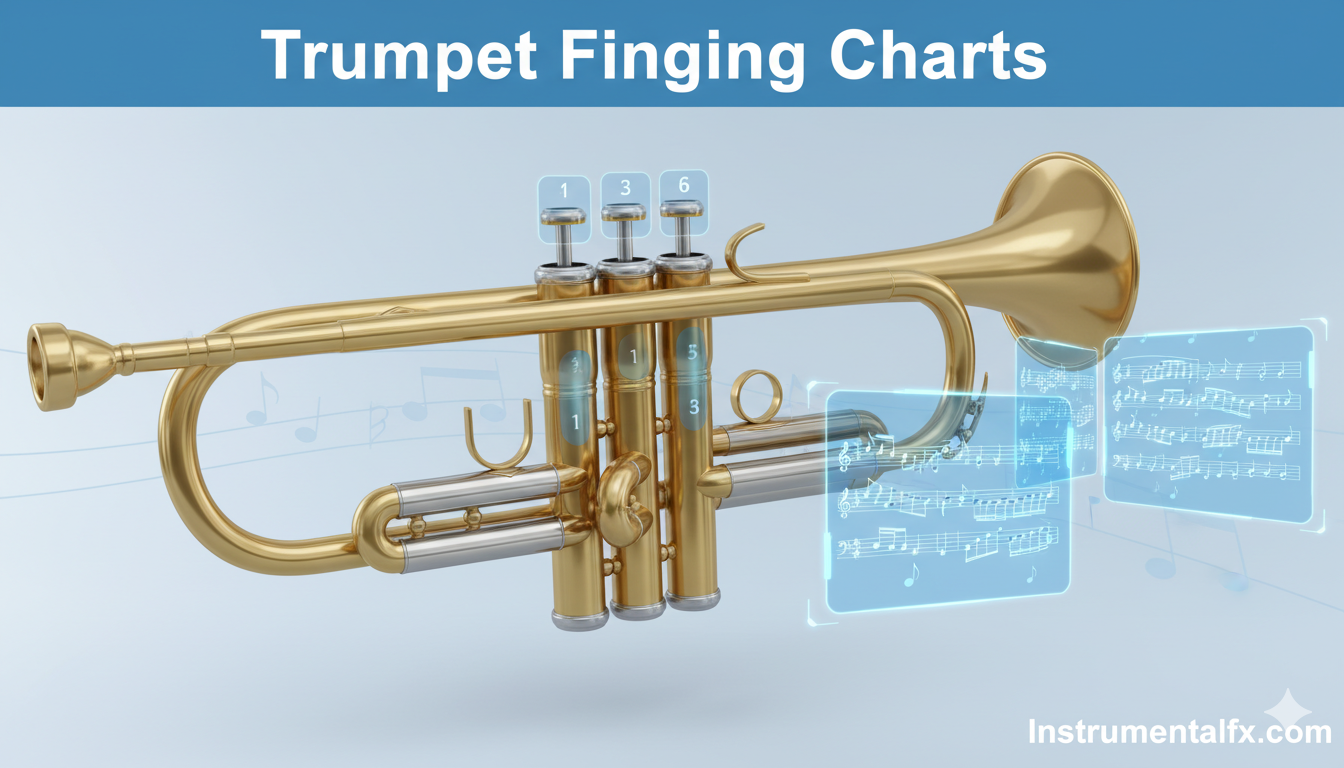
High G (third line) requires standard 1-2-3 fingering. Maintain steady air support to center the pitch without excessive lip pressure.
The challenging interval from G to high D tests range and flexibility. Practice this leap slowly, ensuring the upper note speaks cleanly without strain.
Alternative fingerings for certain passages improve technical facility. Experiment with 1-3 instead of 1-2-3 for faster passages requiring smoother transitions.
Trill fingerings add ornamentation in advanced arrangements. Research historical performance practices to apply trills stylistically and appropriately.
Maintaining Musical Accuracy in Patriotic Performances
Respect the anthem’s historical significance through accurate pitch and rhythm. Avoid embellishments unless specifically written into professional arrangements.
Dynamic contrasts enhance emotional impact without compromising patriotic dignity. Subtle crescendos leading to climactic moments create powerful musical statements.
Articulation clarity distinguishes professional performances from amateur attempts. Clean attacks, precise releases, and appropriate tongue placement separate excellent from mediocre playing.
Tempo consistency throughout the anthem demonstrates musical maturity. Avoid rushing excited passages or dragging during challenging technical sections.
Educational Value of Star Spangled Banner Sheet Music
The national anthem teaches fundamental trumpet skills applicable to all musical contexts. Range development, breath control, and dynamic expression receive focused attention.
Historical context lessons enrich musical learning. Students discover the anthem’s origins, Francis Scott Key’s inspiration, and the melody’s British roots.
Ensemble arrangements develop collaborative music-making skills. Trumpet sections learn balance, blend, intonation matching, and supportive playing.
Performance opportunities motivate consistent practice. School concerts, sports events, and civic ceremonies provide meaningful contexts for musical growth.
Arrangers and Composers Behind Top Versions
Mark Williams creates accessible yet sophisticated trumpet arrangements. His educational background informs arrangements that challenge without overwhelming players.
Mike Story specializes in young band literature. His Star Spangled Banner arrangements eliminate traditional obstacles that frustrate beginning ensembles.
David Marlatt’s brass ensemble arrangements showcase rich harmonies. His four-trumpet, two-horn, two-trombone, baritone, and tuba setting creates magnificent concert performances.
Douglas Wagner adapts orchestral settings for concert band. His arrangements preserve the anthem’s grandeur while accommodating school ensemble instrumentation.
Technology Tools for Learning Trumpet Sheet Music
Metronome apps provide flexible tempo control with customizable sound options. Visual metronomes help players internalize steady pulse without auditory distraction.
Tuner applications ensure accurate pitch matching throughout the anthem’s range. Chromatic tuners display pitch deviation, helping players develop reliable intonation.
Recording software captures practice sessions for analytical review. Digital audio workstations allow detailed editing, looping, and comparison with professional recordings.
Sheet music reader apps organize digital libraries efficiently. Cloud storage ensures access across multiple devices for practice anywhere.
Building Trumpet Repertoire Beyond the National Anthem
Patriotic music collections extend beyond the Star Spangled Banner. America the Beautiful, The Stars and Stripes Forever, and other works develop similar technical skills.
Classical trumpet literature provides foundational technique development. Baroque sonatas, romantic character pieces, and 20th-century compositions round out comprehensive musicianship.
Jazz standards introduce improvisation and stylistic flexibility. Swing, bebop, and Latin genres expand rhythmic vocabulary and harmonic understanding.
Contemporary compositions challenge advanced players with extended techniques. Multiphonics, microtones, and unconventional notation push artistic boundaries.
Copyright Considerations for Sheet Music
Free arrangements often carry Creative Commons licenses permitting personal use. Commercial performances may require additional permissions or licensing fees.
Professional publishers protect arrangements through copyright law. Unauthorized copying, distribution, or public performance violates legal protections.
Educational fair use provisions allow limited classroom copying. Teachers should verify current copyright law applicable to their specific situations.
Digital rights management prevents unauthorized file sharing. Respect intellectual property by purchasing legitimate copies for each performer.
Preparing for Trumpet Auditions with the National Anthem
Many auditions include patriotic repertoire demonstration. Prepare the Star Spangled Banner to showcase fundamental skills and musical maturity.
Judges evaluate tone quality throughout the entire range. Demonstrate consistent sound production from lowest to highest written notes.
Musical interpretation reveals artistic understanding. Balance technical accuracy with expressive phrasing that communicates the anthem’s emotional power.
Professional presentation includes proper posture, instrument angle, and performance demeanor. Non-musical factors contribute significantly to overall audition success.
Seasonal Performance Opportunities
Independence Day celebrations feature prominent trumpet performances. Prepare multiple arrangements to accommodate different venue acoustics and ensemble configurations.
Memorial Day ceremonies honor military service members. The national anthem holds special significance, requiring respectful, heartfelt performances.
Veterans Day events recognize all who served. Trumpet players contribute meaningfully to these solemn occasions through prepared, polished performances.
Sports events from Little League to professional athletics include national anthem performances. Familiarize yourself with specific venue requirements and acoustic challenges.
Selecting the Right Star Spangled Banner Arrangement
Assess your current technical level honestly. Choose arrangements that challenge without overwhelming, allowing steady progress toward more complex versions.
Consider performance context when selecting arrangements. Solo performances require different considerations than ensemble settings.
Evaluate accompaniment options if applicable. Piano, band, or a cappella performances each demand specific arrangement types.
Preview arrangements before purchase when possible. Many digital retailers provide sample pages or audio demonstrations for informed decision-making.
Collaborative Performance Strategies
Communicate clearly with accompanists during rehearsals. Establish tempo, discuss phrasing, and coordinate breathing points for seamless musical partnership.
Section rehearsals develop trumpet ensemble cohesion. First and second trumpet players must balance melody and harmony effectively.
Full ensemble rehearsals integrate trumpet parts into complete arrangements. Listen actively to other sections, adjusting dynamics and blend appropriately.
Conductor communication ensures unified musical interpretation. Follow gestural cues, respond to tempo modifications, and maintain visual contact throughout performances.
Historical Context of Star Spangled Banner Music
Francis Scott Key wrote the poem “Defence of Fort M’Henry” in 1814. The text, inspired by witnessing Fort McHenry’s bombardment, paired with the existing British melody.
Congress officially designated the Star Spangled Banner as the national anthem in 1931. Prior to this, the song gained unofficial recognition through widespread popularity.
Original manuscripts reveal performance practice evolution. Early versions differed in text, melody, and harmonic treatment from modern standardized editions.
Cultural significance extends beyond American borders. The anthem represents freedom, democracy, and national identity to audiences worldwide.
Advanced Techniques for Professional Performances
Vibrato usage varies by performance context. Classical performances typically employ subtle, controlled vibrato while jazz settings allow wider, more expressive oscillations.
Dynamic range expansion creates dramatic impact. Professional players master pianissimo entrances building to fortissimo climaxes with technical control.
Extended high register passages demand exceptional physical conditioning. Daily upper register exercises, proper warmup routines, and strategic rest periods prevent injury.
Musical phrasing transcends written notation. Mature players shape phrases with subtle rubato, dynamic shading, and expressive timing variations.
Maintaining Instrument Care During Patriotic Performances
Outdoor performances expose instruments to temperature extremes. Protect valves with appropriate lubricants suited to hot or cold conditions.
Humidity affects intonation and valve response. Monitor weather conditions and adjust embouchure or tuning slide positions accordingly.
Regular maintenance prevents performance emergencies. Clean, oil, and inspect instruments before important patriotic events.
Backup instruments provide insurance against mechanical failures. Professional performers always prepare contingency plans for equipment problems.
Mental Preparation for High-Pressure Performances
Visualization techniques reduce performance anxiety. Mentally rehearse successful performances, imagining perfect execution and positive audience response.
Breathing exercises calm nerves before taking the stage. Deep, controlled breathing activates parasympathetic responses counteracting stress.
Positive self-talk builds confidence. Replace negative thoughts with affirming statements about preparation, skill, and musical ability.
Performance routines create psychological comfort. Consistent pre-performance rituals establish familiar patterns that reduce anxiety.
Resources for Continued Trumpet Development
Private instruction accelerates skill development. Qualified teachers provide personalized feedback addressing individual technical and musical needs.
Master classes expose students to diverse pedagogical approaches. Observing professionals work with other students provides valuable indirect learning.
Online tutorials supplement traditional instruction. YouTube channels, subscription platforms, and video lessons offer convenient, accessible learning resources.
Professional associations connect trumpet players worldwide. Organizations like the International Trumpet Guild provide networking, publications, and performance opportunities.
Star Spangled Banner in Educational Curricula
Elementary music programs introduce the national anthem early. Simple arrangements develop patriotic awareness alongside fundamental musical skills.
Middle school ensembles tackle intermediate arrangements. Students develop section playing, harmonic awareness, and ensemble balance.
High school advanced bands perform sophisticated versions. Complex arrangements challenge technical skills while deepening musical understanding.
College trumpet studios explore historical performance practices. University students research authentic interpretations, manuscript sources, and stylistic conventions.
Common Mistakes in Star Spangled Banner Performances
Rushing the tempo undermines musical dignity. Anxious performers often accelerate, losing the anthem’s majestic, deliberate character.
Weak dynamics fail to capture emotional power. Timid playing diminishes the anthem’s impact, while overly aggressive approaches sound brash.
Inaccurate rhythms distort familiar melodies. Careful attention to dotted rhythms, triplets, and note lengths maintains musical integrity.
Poor intonation distracts from musical expression. Consistent practice with drones, tuners, and recordings develops reliable pitch accuracy.
Future Trends in Trumpet Sheet Music Publishing
Digital-first publishing dominates modern distribution. Instant downloads, searchable catalogs, and unlimited reprinting convenience reshape music acquisition.
Interactive scores integrate multimedia elements. Augmented reality features, embedded audio, and instructional videos enhance traditional notation.
Crowdsourced arrangements expand available repertoire. Platforms like MuseScore democratize publishing, allowing amateur arrangers to share work globally.
Subscription models provide unlimited library access. Monthly fees grant members complete catalog access rather than individual purchase requirements.
Frequently Asked Questions
Where can I find free star spangled banner trumpet sheet music?
MuseScore, Capotasto Music, and Music All The Time offer free downloadable PDFs. These sites provide beginner through advanced arrangements in various keys suitable for different skill levels and performance contexts.
What key is best for trumpet players performing the national anthem?
Bb (concert Ab) and C (concert Bb) are the most common keys for trumpet. Bb trumpet arrangements are more prevalent and accessible for most players, while C trumpet versions suit professional orchestral contexts.
How difficult is the Star Spangled Banner for beginner trumpet players?
The wide octave range makes the anthem challenging for beginners. Simplified arrangements limiting the range to one octave and eliminating high notes make the piece accessible to developing players within their first year.
Should I memorize the Star Spangled Banner on trumpet?
Memorization is strongly recommended for performances, especially ceremonial occasions. It allows better audience connection, eliminates page-turning distractions, and demonstrates professionalism and respect for the anthem’s significance.
What tempo should I use when playing the national anthem?
Ceremonial performances typically range from 75-90 beats per minute. Concert settings may move slightly faster around 95-110 BPM, but always prioritize dignity and clarity over speed.
Are there jazz versions of Star Spangled Banner for trumpet?
Yes, several jazz arrangements exist featuring swing rhythms, harmonic reharmonizations, and improvised sections. These creative interpretations maintain respect for the anthem while exploring modern musical possibilities.
Can I play Star Spangled Banner on piccolo trumpet?
Piccolo trumpet works beautifully for the national anthem, offering brilliant upper register clarity. Transpose appropriately for your instrument’s key (Bb or A) and adjust dynamics for the smaller horn’s projection.
How long does it take to learn the Star Spangled Banner on trumpet?
Intermediate players typically master basic versions in 2-4 weeks with consistent daily practice. Beginners may require 2-3 months, while advanced arrangements demand ongoing refinement over extended periods.
What are the hardest parts of the Star Spangled Banner for trumpet?
The octave leap from G to high D challenges most players. Additionally, maintaining steady breath support throughout long phrases and executing the final climactic ascent require advanced technique.
Do I need piano accompaniment for Star Spangled Banner trumpet performances?
Not necessarily. Many arrangements work beautifully unaccompanied, especially in ceremonial contexts. Piano accompaniment adds harmonic support valuable for recitals, while band accompaniments suit ensemble performances.
Conclusion
Star spangled banner trumpet sheet music encompasses a remarkable range of arrangements serving players at every skill level.
From free beginner-friendly downloads to professional orchestral parts, abundant resources support trumpet players preparing this iconic national anthem. The key to successful performance lies in selecting appropriate arrangements matching your current technical abilities while challenging continued growth.
Whether you’re performing at sporting events, memorial ceremonies, educational concerts, or personal practice sessions, the Star Spangled Banner demands respect, preparation, and musical integrity.
Invest time exploring various arrangements, studying professional recordings, and developing the technical skills necessary for confident, emotionally powerful performances.


