


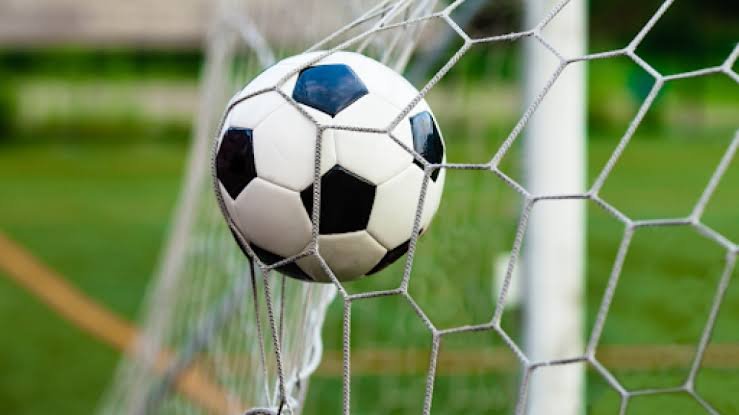
Selecting suitable soccer goals can improve training quality at every stage. Coaches assess equipment size before planning drills for different abilities. Well-chosen soccer goals help learners practise shooting, passing, positioning, and teamwork. Proper dimensions also encourage accurate movement during regular practice sessions. A thoughtful selection supports steady progress while meeting practical training requirements.
Understanding Different Training Requirements
Beginners benefit from simple equipment that encourages basic shooting practice. Experienced teams need sturdy frames suitable for demanding drills.
Equipment should match the available space plus the intended training activities.
Matching Goal Sizes to Ability
Smaller frames help young learners develop accuracy through repeated attempts. Full sized structures support advanced training with realistic match conditions.
Correct dimensions make practice more useful across different development stages.
Essential Features Worth Considering
Reliable construction improves stability during regular sessions across different playing conditions. Material quality also affects durability during frequent assembly or transport.
- Choose frame dimensions that suit the intended training age group.
- Check net strength before purchasing equipment for frequent practice sessions.
- Assess frame stability before using equipment on outdoor playing surfaces.
- Select portable designs for locations requiring regular equipment relocation.
- Compare assembly requirements before choosing equipment for school training programmes.
Choosing Materials for Lasting Performance
Strong frames help maintain shape during repeated shots throughout training. Weather-resistant materials reduce deterioration when equipment remains outdoors for extended periods.
- Inspect frame joints regularly to identify loose connections before training.
- Choose suitable net materials for repeated contact with footballs.
- Store removable components safely after completing each practice session.
- Review cleaning instructions to preserve materials throughout regular use.
Additional Factors That Influence Selection
Available space determines whether permanent structures or portable alternatives work best. Budget planning should include replacement nets plus routine equipment maintenance.
Coaches should also consider storage access before choosing larger frames. Safe positioning reduces unnecessary movement during drills and organised matches.
Comparing Equipment Across Skill Levels
The following table outlines practical differences between common goal categories.
| Training level | Suitable goal type | Main benefit |
| Early learners | Small training frames | Encourages basic shooting accuracy |
| School training | Junior sized goals | Supports developing coordination |
| Recreational teams | Portable medium goals | Allows flexible practice arrangements |
| Advanced training | Full sized goals | Supports realistic match preparation |
| Club competitions | Regulation sized goals | Meets relevant competition requirements |
Before purchasing equipment, verify dimensions against the intended activity. Local competition rules may specify additional requirements for approved equipment.
FAQ About Soccer Goal Selection
- What size suits young beginners? Smaller goals help young learners practise accurate shooting without requiring excessive kicking strength. Choose dimensions suitable for their age group.
- Are portable goals suitable for regular training? Portable models work well when teams need flexible practice areas. Check frame stability before every session to reduce movement.
- Which materials provide better durability? Metal frames often provide strong support during repeated use. Quality netting also helps withstand frequent contact with footballs.
- Should training equipment match competition dimensions? Matching official dimensions helps advanced teams prepare for competitive conditions. Beginners may benefit from smaller alternatives during early skill development.
- How often should equipment be inspected? Inspect frames, joints, anchors, and nets before regular training sessions. Replace damaged components promptly to maintain safe operating conditions.
Practical Selection
Choosing appropriate equipment starts with understanding soccer goals training needs plus available space. Beginners usually benefit from smaller frames that support controlled shooting practice. Advanced teams may require regulation dimensions for realistic match preparation. Strong materials help extend service life while reducing replacement expenses. Careful comparison supports better purchasing decisions for schools, clubs, and recreational groups.


