


Mary did you know sheet music has become one of the most sought-after Christmas pieces for musicians worldwide. This beloved carol, composed by Mark Lowry and Buddy Greene in 1991, continues to inspire pianists, guitarists, and vocalists every holiday season.
Whether you’re a beginner searching for your first Christmas piece or an advanced musician seeking a challenging arrangement, finding the right sheet music is essential for bringing this timeless carol to life.
Understanding Mary Did You Know Sheet Music
The original composition was written in D minor, creating a contemplative and moving atmosphere. The song’s structure follows a simple verse format that builds emotionally throughout the piece.
Most arrangements feature moderate tempo markings around 72-80 BPM. The emotional depth of the lyrics requires careful attention to dynamics and phrasing.
The piece typically spans three to four pages in standard arrangements. Advanced versions can extend to six or more pages with elaborate embellishments.
Popular Versions and Arrangements
Piano Arrangements
Beginner Level: Simple arrangements focus on basic melody lines with minimal left-hand accompaniment. These versions typically stay in the original key with simplified rhythms. Perfect for students with 1-2 years of experience.
Intermediate Level: These arrangements add harmonic complexity and fuller chord voicings. The left hand features more movement with arpeggios and bass patterns. Suitable for pianists with 3-5 years of training.
Advanced Level: Complex arrangements incorporate jazz harmonies, extended techniques, and virtuosic passages. Artists like Mark Hayes and Jennifer Eklund have created stunning advanced versions. These require significant technical proficiency and interpretive skills.
Guitar Arrangements
Standard Tuning Tabs: Most guitar versions use standard EADGBE tuning. Chord progressions typically move between Dm, F, C, Am, and related chords. Fingerpicking patterns create an intimate acoustic feel.
Easy Guitar TAB: Simplified versions reduce complex chords to basic triads. These arrangements work well for campfire settings and casual performances.
Fingerstyle Arrangements: Advanced fingerstyle versions showcase the guitar’s melodic capabilities. Artists like Kelly Valleau and Wolfgang Vrecun have created beautiful instrumental arrangements.
Vocal Sheet Music
Singer Pro Editions: These arrangements include optimal voice leading and comfortable ranges. Key options allow singers to choose their best tessitura.
Vocal Duets: Popular among church choirs and small ensembles. Harmonies typically split between soprano/alto or tenor/bass parts.
Choral Arrangements: Available for SATB, SSA, TTBB, and SAB voicings. Roger Emerson’s arrangement for Pentatonix has gained widespread popularity.
Where to Find Mary Did You Know Sheet Music
Premium Sheet Music Platforms
Musicnotes.com: Offers 149+ different arrangements covering all skill levels. Digital downloads are available instantly with transposition options. Prices range from $3-6 per arrangement.
Sheet Music Plus: Features licensed arrangements from major publishers. High-quality printable PDFs with customer reviews and ratings.
Virtual Sheet Music: Provides interactive sheet music with adjustable tempo and playback features. Subscription options offer unlimited access to their catalog.
Free Sheet Music Resources
MuseScore.com: Community-uploaded arrangements available for free download. Quality varies but includes some excellent transcriptions. Always verify copyright status before public performance.
IMSLP/Petrucci Music Library: Public domain arrangements and educational resources. Useful for historical versions and academic study.
YouTube Transcriptions: Many musicians share free simplified versions in video descriptions. These work well for learning by ear and personal practice.
Publisher Collections
Hal Leonard Corporation: Official publisher of many professional arrangements. Books combine multiple Christmas songs with “Mary Did You Know” included.
Alfred Music: Educational editions designed for lesson programs. Progressive difficulty levels help students advance systematically.
Beckenhorst Press: Specializes in sacred choral music with exceptional arrangements. Craig Courtney’s version is particularly noteworthy.
Skill Level Recommendations
Absolute Beginners (0-1 Year Experience)
Look for arrangements marked “Beginner Notes” or “Easy Piano.” These versions use simplified notation with finger numbers. Five-finger positions keep hand movement minimal.
Practice hands separately before combining. Start slowly with a metronome at 50-60 BPM. Focus on correct fingering from the beginning.
Late Beginners (1-2 Years Experience)
Choose “Late Beginner” or “Elementary” level arrangements. These introduce simple pedaling and basic chord inversions. Hand independence develops gradually.
Work on smooth transitions between positions. Practice dynamic contrast between verses. Develop steady rhythm before adding expression.
Early Intermediate (2-3 Years Experience)
Select arrangements that introduce arpeggios and extended hand positions. Left-hand patterns become more complex with walking bass lines. Right-hand melody includes some ornamental figures.
Focus on musical phrasing and breathing points. Begin interpreting the emotional content of lyrics. Experiment with subtle tempo fluctuations.
Intermediate (3-5 Years Experience)
Tackle arrangements featuring octaves, fuller chord voicings, and moderate hand stretches. Pedaling becomes more sophisticated with half-pedal techniques. Musical interpretation takes precedence.
Study professional recordings for inspiration. Work on creating a personal interpretation. Consider adding your own ornamentations carefully.
Advanced (5+ Years Experience)
Challenge yourself with arrangements by Mark Hayes, Lloyd Larson, or Phillip Keveren. These versions feature complex harmonies, extended techniques, and virtuosic passages. Jazz influences appear in some arrangements.
Focus on storytelling through music. Create dramatic contrasts between sections. Develop your unique artistic voice in interpretation.
Key and Transposition Options
Original Key: D Minor
The original key provides a warm, contemplative tone. Most published arrangements use this key as standard. Voice ranges typically work well without transposition.
Common Alternate Keys
A Minor: Popular for lower male voices and beginning pianists. Requires fewer accidentals, making sight-reading easier.
C Minor: Provides deeper, more dramatic tone color. Works excellently for cello and lower instruments.
G Minor: Lighter feel suitable for children’s voices. Two-flat key signature is accessible for students.
E Minor: Uncommon but effective for certain vocal ranges. One-sharp key signature facilitates transposition.
Instruments Covered in Arrangements
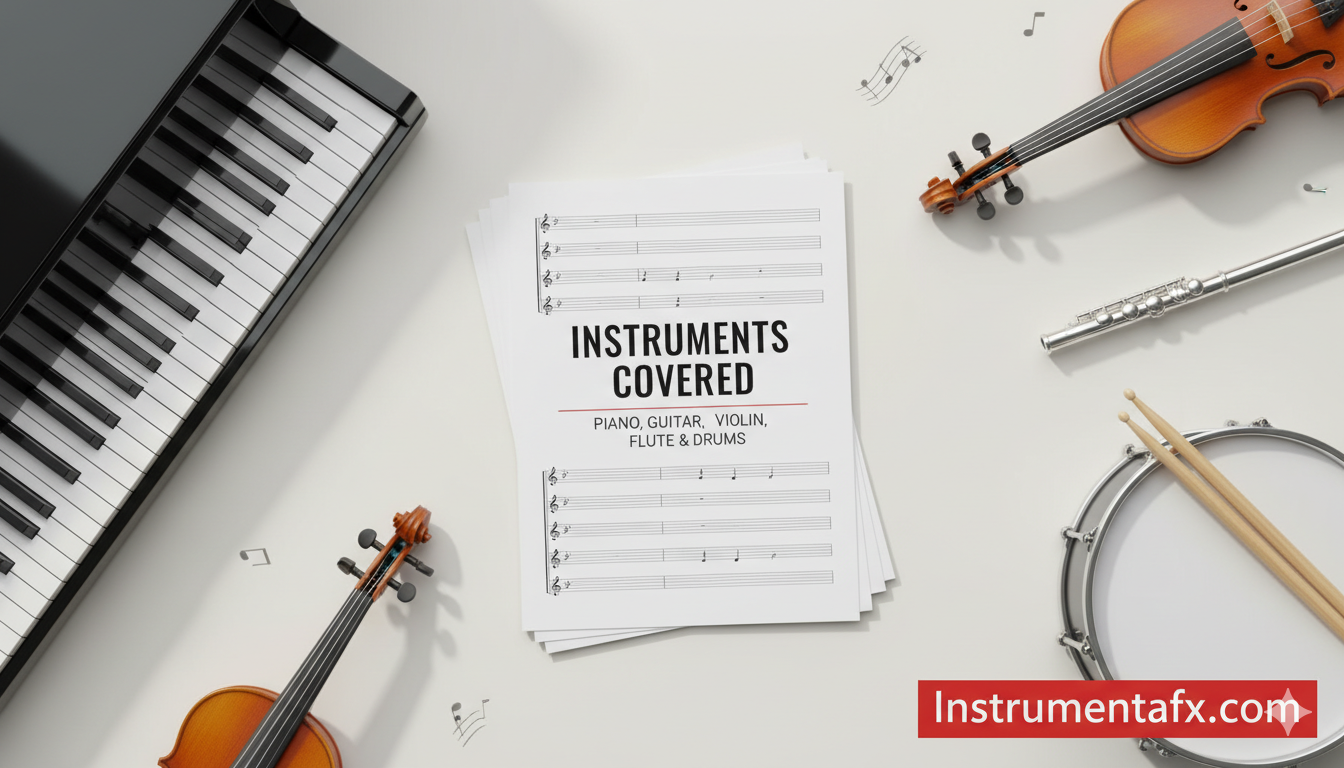
Keyboard Instruments
Piano: The most common instrument for this piece. Full arrangements span the keyboard’s range. Solo piano versions work beautifully for recitals.
Organ: Church performances often use organ accompaniment. Registration suggestions vary by arrangement. Pedal bass lines add gravitas.
Keyboard Synth: Modern arrangements incorporate synthesizer pads. Creates atmospheric backgrounds for contemporary services.
String Instruments
Violin: Melodic arrangements showcase the violin’s lyrical qualities. Often paired with piano accompaniment. Lindsey Stirling’s version gained viral popularity.
Cello: The cello’s tenor range perfectly suits the song’s emotional depth. Solo cello arrangements are particularly moving.
Guitar: Acoustic guitar arrangements range from simple strumming to complex fingerstyle. Electric guitar adds modern worship elements.
Wind Instruments
Flute: Soprano range flute parts often double vocal melodies. Solo arrangements require breath management skills.
Clarinet: Warm tone complements the carol’s reflective nature. Transposed for B-flat clarinet in most arrangements.
Saxophone: Alto and tenor sax arrangements are popular for jazz-influenced versions. Adds soulful quality to performances.
Trumpet: Brass arrangements bring nobility and celebration. Often used in larger ensemble settings.
Vocal Arrangements
Solo Voice: Singer Pro editions optimize vocal range and key. Available in high, medium, and low voice versions.
Duets: Soprano/Alto or Tenor/Bass combinations are most common. Creates intimate performance opportunities.
Choir: Full SATB arrangements allow rich four-part harmony. Smaller ensembles use SAB or SSA voicings.
Notable Artist Arrangements
Pentatonix Version
The a cappella arrangement by Roger Emerson captures Pentatonix’s signature sound. Intricate vocal percussion and layered harmonies create a full ensemble sound. The arrangement reached millions through YouTube performances.
Available for SATBB choirs and vocal ensembles. Difficulty level is intermediate to advanced. Requires strong rhythmic precision and blend.
Kathy Mattea Original Recording
The 1993 recording launched the song’s popularity. Piano/vocal/guitar arrangement remains the most requested. Simple, heartfelt interpretation serves as the definitive version.
Suitable for solo performers and small groups. Medium difficulty with accessible chord progressions. Essential for any Christmas music collection.
Clay Aiken Contemporary Version
Aiken’s interpretation adds contemporary R&B influences. Vocal runs and embellishments require advanced technique. The arrangement showcases dramatic dynamic range.
Singer Pro edition guides vocalists through challenging passages. Works well for contemporary worship settings. Requires confident upper register.
Kenny Rogers Country Interpretation
Rogers’ version brings country music sensibilities. Gentle picking patterns and warm vocals define this arrangement. Accessible for intermediate guitarists and vocalists.
Features simple, elegant accompaniment. Storytelling approach emphasizes lyrics. Perfect for intimate acoustic performances.
Sheet Music Format Options
Digital Downloads
PDF Format: Instant access after purchase with print-on-demand convenience. Compatible with tablets for paperless performances. Most cost-effective option at $3-6 per arrangement.
Interactive Formats: Apps like forScore and Musicnotes allow annotation and playback. Transpose keys instantly without repurchasing. Create setlists and organize libraries efficiently.
MIDI Files: Some platforms include MIDI for practice and learning. Adjust tempo to your practice speed. Isolate individual parts for focused work.
Physical Sheet Music
Single Sheets: Individual song purchases from music stores. Traditional paper format some musicians prefer. Keep in folders or binders.
Books and Folios: Christmas collections include multiple carols. Better value when learning several pieces. Often include historical notes and performance tips.
Bound Editions: Professional presentations suitable for performances. Lay flat on music stands. Durable for repeated use.
Learning Tips and Practice Strategies
For Pianists
Week 1-2: Learn right-hand melody completely. Master fingerings and phrase shapes. Add left-hand bass notes only.
Week 3-4: Combine hands slowly, focusing on coordination. Practice difficult transitions repeatedly. Begin adding pedal to sustained sections.
Week 5-6: Work on dynamics and musical expression. Record yourself to identify improvement areas. Polish technically challenging passages.
Performance Ready: Memorize if desired, though reading is acceptable. Practice performing for small audiences. Develop confidence in your interpretation.
For Guitarists
Chord Mastery: Practice chord changes in isolation. Develop smooth, silent transitions. Build finger strength for barre chords.
Strumming Patterns: Start with basic down-stroke patterns. Gradually add complexity with alternating bass notes. Create dynamics through attack variation.
Fingerpicking: Learn picking patterns slowly and evenly. Build independence between thumb and fingers. Add melody notes within patterns.
For Vocalists
Text Study: Read the lyrics as poetry without music. Understand the theological questions being asked. Connect personally with the message.
Breath Management: Mark breathing points in the score. Practice extended phrases with proper support. Never sacrifice meaning for technique.
Interpretation: Listen to multiple recorded versions for ideas. Develop your unique approach to the text. Balance emotion with vocal control.
Performance Considerations
Church Services and Worship
The song works beautifully in Advent and Christmas services. Consider placement during offering or communion. Allow the contemplative lyrics to create reflective moments.
Coordinate with worship leaders about arrangement style. Balance between traditional and contemporary approaches. Ensure sound system properly supports your instrument/voice.
Recitals and Concerts
Include “Mary Did You Know” in Christmas concert programs. Pair with contrasting pieces for variety. Consider adding introductory remarks about the song’s history.
For solo recitals, choose arrangements matching your technical level. Showcase your interpretive abilities through musical choices. Prepare multiple verses to avoid monotony.
Recording Projects
This piece records exceptionally well with proper microphone placement. Consider adding subtle reverb for warmth. Layer multiple takes to achieve professional sound.
Home recording setups can produce excellent results. Invest time in finding the best room acoustics. Listen critically and re-record as needed.
Copyright and Legal Considerations
Public Performance Rights
“Mary Did You Know” is protected by copyright. Church services typically fall under CCLI or similar licenses. Concert performances require proper permissions.
Check your venue’s licensing agreements before performing. Contact publishers directly for clarification. Always credit composers in programs.
Making Copies
Purchased sheet music includes limited copying rights. One backup copy for personal use is typically allowed. Sharing digital files violates copyright.
Schools and churches need institutional licenses. These cover multiple copies for students or choir members. Annual fees provide legal peace of mind.
Arranging and Transcription
Creating your own arrangements requires permission. Posting transcriptions online may violate copyright. Always obtain rights before public distribution.
Personal transcriptions for practice are generally acceptable. Commercial use requires licensing agreements. Respect intellectual property rights.
Popular Accompaniment Tracks
Piano Accompaniment Tracks
Professional backing tracks help solo performers. Tracks include introduction and interludes. Various keys and tempos are available.
Websites like MusicNotes offer official tracks. Christian Copyright Licensing includes some resources. YouTube features unofficial versions.
Guitar Backing Tracks
Strumming and fingerpicking accompaniments exist. Useful for vocalists learning the piece. Practice maintaining tempo with recorded tracks.
Orchestral Tracks
Full orchestra arrangements create concert-quality performances. String sections add richness and depth. Available through major sheet music publishers.
Special Arrangements and Medleys
Combined Christmas Medleys
Many arrangements pair “Mary Did You Know” with other carols. “Let All Mortal Flesh Keep Silence” is a popular combination. Creates extended performance pieces.
Jazz Arrangements
Reharmonized versions add sophisticated chord extensions. Swing rhythms transform the traditional feel. Suitable for jazz ensemble and combo settings.
Contemporary Worship Style
Modern arrangements incorporate pop/rock elements. Electric guitars and drums provide rhythmic foundation. Appeals to younger congregations.
Technology and Apps for Learning
Sheet Music Apps
forScore: Professional app for iPad musicians. Annotation tools and page-turning features. Organize entire music library.
Musicnotes: Official app from the major publisher. Purchase and store music securely. Transpose instantly without additional cost.
MuseScore: Free notation software and app. Access community-uploaded arrangements. Create your own arrangements.
Practice Tools
Metronome Apps: Maintain steady tempo during practice. Gradually increase speed incrementally. Track progress over time.
Recording Apps: Document practice sessions for review. Identify areas needing improvement. Share recordings with teachers.
Slow-Down Apps: Adjust tempo of recordings without pitch change. Learn difficult passages note-by-note. Available for most devices.
Building Your Sheet Music Collection
Essential Arrangements to Own
Start with a basic piano/vocal/guitar arrangement. Add instrumental versions for your primary instrument. Consider purchasing a few difficulty levels.
Organization Systems
Create digital folders by holiday and difficulty level. Tag files with descriptive keywords. Backup collections regularly to cloud storage.
Physical copies need protective sheet protectors. Organize in binders by season and occasion. Label clearly for quick access.
Budget-Friendly Collecting
Watch for publisher sales during holiday seasons. Subscribe to music retailer newsletters for discount codes. Consider bundled collections for better value.
Frequently Asked Questions
What is the easiest version of Mary Did You Know sheet music for beginners?
Look for arrangements labeled “Beginner Notes” or “Easy Piano” from publishers like Hal Leonard. These versions use simplified notation with finger numbers and stay within five-finger positions. Most feature simplified left-hand accompaniment with basic chord patterns.
Where can I download Mary Did You Know sheet music for free legally?
MuseScore.com offers community-uploaded arrangements for free download, though quality varies. Always check the copyright status and remember that free versions may have usage restrictions. For public performances, purchasing licensed arrangements is recommended to respect copyright laws.
What key is Mary Did You Know originally written in?
The original composition is written in D minor, which provides the contemplative and reflective tone characteristic of the piece. However, arrangements are available in multiple keys including A minor, C minor, G minor, and E minor to accommodate different vocal ranges and instrumental preferences.
How difficult is Mary Did You Know on piano for intermediate players?
Intermediate arrangements typically require 3-5 years of piano experience and include arpeggios, fuller chord voicings, and moderate hand stretches. The piece demands good hand independence and basic pedaling skills. Most intermediate versions span four to five pages with moderate technical challenges.
Can I get Mary Did You Know sheet music for guitar with tabs?
Yes, guitar TAB arrangements are widely available from publishers like Musicnotes and Sheet Music Plus. Options range from easy chord charts to advanced fingerstyle arrangements. Both standard tuning and alternate tuning versions exist, with prices typically between $3-7.
Which arrangement of Mary Did You Know is most popular?
The Pentatonix version arranged by Roger Emerson has gained tremendous popularity, along with Kathy Mattea’s original recording arrangement. Both are widely performed and available in multiple formats. The choice depends on your performance context—choral, solo, or instrumental.
Is Mary Did You Know sheet music available for choir?
Extensive choral arrangements exist for SATB, SSA, SAB, TTBB, and 2-part choirs. Publishers like Hal Leonard, Alfred Music, and Beckenhorst Press offer multiple voicing options. Many include piano accompaniment or optional orchestra parts for Christmas concerts.
How long does it take to learn Mary Did You Know on piano?
Learning time varies by skill level—beginners may need 6-8 weeks, intermediates 3-4 weeks, and advanced players 1-2 weeks. Consistent daily practice of 20-30 minutes accelerates progress. Focus on mastering hands separately before combining them.
Can I transpose Mary Did You Know sheet music to a different key?
Digital sheet music from platforms like Musicnotes includes instant transposition features at no extra cost. This allows singers to find their optimal vocal range and instrumentalists to play in comfortable keys. Physical sheet music requires purchasing different key versions.
What is the best Mary Did You Know arrangement for church services?
For contemporary services, consider the Pentatonix arrangement or modern worship versions with full band. Traditional services work well with Craig Courtney’s arrangement or simple piano/vocal versions. Match the arrangement style to your congregation’s worship preferences and available musicians.
Conclusion
Mary did you know sheet music continues to touch hearts and inspire musicians across all skill levels and instruments. From simple beginner arrangements to complex virtuosic versions, this beloved Christmas carol offers something for everyone.
Whether you’re planning a church performance, preparing for a recital, or simply learning a new piece for personal enjoyment, the right arrangement awaits your discovery.
The song’s timeless message resonates deeply during the Christmas season, making it an essential addition to any musician’s holiday repertoire.
Take time to explore various arrangements, find the one that speaks to your skill level and musical taste, and let this beautiful piece become part of your Christmas tradition.
With proper practice and heartfelt interpretation, you’ll create meaningful musical moments that capture the wonder and mystery expressed in Mark Lowry’s profound lyrics.


