


Trust quietly shapes almost every relationship in your life, which is why so many people ask, “why is trust important?” It affects how well teams work together, how close relationships grow, and how safe people feel being honest with each other.
Why Is Trust Important
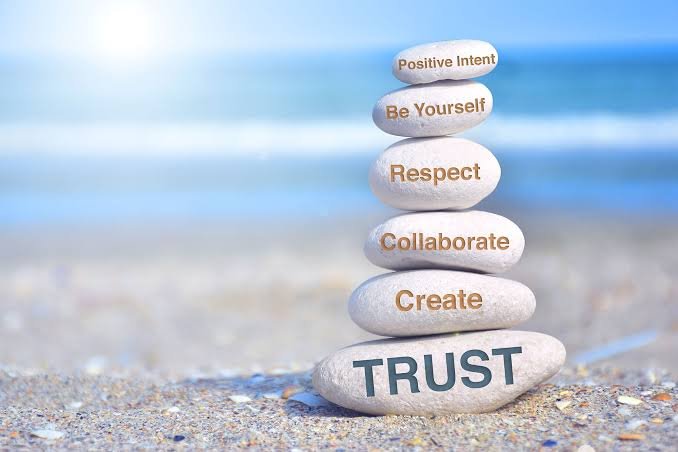
Trust is important because it’s the foundation that allows relationships, teams, and organizations to function without constant fear, suspicion, or self-protection. Without it, communication breaks down, cooperation slows, and stress increases.
What Trust Actually Does
Trust isn’t just a nice feeling. It changes how people behave toward each other in measurable ways.
It Reduces Fear and Self-Protection
When trust is present, people stop guarding themselves and start focusing on the relationship or task at hand instead of watching their back.
It Enables Vulnerability
Trusting someone means believing they’ll act in your interest even when you’re exposed. This vulnerability is what makes deep relationships and honest teamwork possible.
It Speeds Up Communication
High-trust relationships allow information to move freely, without people second-guessing intentions or hiding details out of fear.
Why Trust Is Important in Relationships
Personal relationships rely on trust just as much as professional ones, if not more.
It’s the Foundation of Emotional Safety
Feeling safe to be honest, vulnerable, and imperfect with another person depends entirely on trust. Without it, people hold back their true feelings.
It Prevents Constant Conflict
When trust is strong, small misunderstandings don’t spiral into major conflicts, since both people assume good intent rather than malice.
It Builds Long-Term Commitment
Relationships without trust tend to stay shallow or unstable, since long-term commitment requires believing the other person will follow through.
Why Trust Is Important in the Workplace
Workplace trust has been studied extensively, and the data consistently shows its impact on performance.
Higher Productivity and Engagement
Research on high-trust organizations has linked strong trust cultures to noticeably higher employee productivity, engagement, and lower absenteeism compared to low-trust workplaces.
Better Teamwork and Collaboration
Teams with high trust share knowledge openly instead of hoarding it out of fear that a coworker will take credit or use it against them.
Stronger Leadership
Leadership is fundamentally relational. Employees follow leaders they trust and disengage from ones they don’t, regardless of formal authority.
Psychological Safety and Innovation
Google’s internal research on team performance found that psychological safety, closely tied to trust, was one of the strongest predictors of high-performing teams.
The Cost of Low Trust
Understanding what’s lost when trust is absent makes its importance clearer.
| Area Affected | Impact of Low Trust |
|---|---|
| Communication | Information gets withheld or filtered |
| Productivity | Energy shifts toward self-protection instead of output |
| Teamwork | Knowledge-sharing and collaboration decline |
| Innovation | People avoid risk-taking or proposing new ideas |
| Retention | Employees and partners are more likely to leave |
| Mental health | Stress and anxiety increase in low-trust environments |
How Trust Is Built Over Time
Trust doesn’t appear instantly. It’s built through consistent, repeated behavior.
Key Elements That Build Trust
- Consistency between words and actions
- Reliability in following through on commitments
- Honesty, even when it’s uncomfortable
- Competence in the area being trusted
- Genuine care for the other person’s interests, not just your own
Trust vs Blind Trust
It’s worth distinguishing healthy trust from unearned or excessive trust.
| Healthy Trust | Blind Trust |
|---|---|
| Built gradually through consistent behavior | Given immediately without evidence |
| Allows for accountability | Ignores red flags or warning signs |
| Strengthens over time with follow-through | Can lead to repeated exploitation |
| Balanced with healthy boundaries | Lacks boundaries or scrutiny |
Mistakes That Damage Trust
- Saying one thing and doing another
- Breaking confidentiality or sharing private information
- Failing to follow through on commitments
- Avoiding accountability after a mistake
- Prioritizing self-interest over the relationship or team
Also Read:
- Why Does My Gum Hurt When I Touch It? Causes & Relief
- Why Is My Tongue Itchy? Common Causes & Treatments
- Why Are MRIs So Expensive? The Real Cost Explained
- How Cashless Health Insurance Is Transforming Patient Experience
- Dr. L Barbara Robinson on What Patients Should Understand Before Choosing Robotic Heart Surgery
- How Peptides Are Changing the Science of Bodybuilding Research
- How the Best Personal Training Studios in Singapore Use Data
- How Care Patterns Help During Steps to Report Suspected Nursing Home Abuse
- From Hair Care Idea To Business: How Bo International Supports Startup Brands
- Portable Space Heaters vs Fan Heaters: Pros and Cons
- How Insurance Responses Can Affect a Houston, TX Auto Accident Claim
- The Investigation Steps a Premises Liability Lawyer May Take After an Injury
- Does Being a Loan Guarantor Affect Your CIBIL Score
- Do You Need Legal Help After a Truck Accident? Here’s What to Know
- Employee Rights and Legal Remedies in Whistleblower Retaliation Cases
- 430+ Trendy Roblox Username Ideas for Boys & Girls
- 1000+ Trendy Instagram Usernames Ideas for Girls
- Letflix Review – Features, How It Works and Safe to Use?
- Download Gayatri Mantra Best Ringtone Mp3/M4R
- Grand Theft Auto: San Andreas – Theme Song Download
- Download Mission Impossible – Original Theme Song
- Randy Orton – Voices WWE Theme Song Download
- Lorde – Liability (Instrumental)
- Mac Miller – Diablo (Instrumental)
- David Guetta – Lovers On The Sun (Instrumental)
Frequently Asked Questions (FAQs)
Why is trust important in a relationship?
Trust creates the emotional safety needed for honesty, vulnerability, and long-term commitment between partners.
Why is trust important in the workplace?
It enables collaboration, open communication, and higher productivity, while its absence increases stress and self-protective behavior.
Can a relationship survive without trust?
It’s extremely difficult. Most relationships without trust become shallow, strained, or eventually break down entirely.
How long does it take to build trust?
Trust typically builds gradually through consistent, reliable behavior over repeated interactions, though it varies by relationship.
Can trust be rebuilt after it’s broken?
Yes, but it requires consistent honesty, accountability, and time. Rebuilt trust is often more fragile than trust that was never broken.
Why is trust important for leadership?
Employees are far more likely to follow, support, and stay loyal to leaders they trust, since leadership is fundamentally relational.
What is the difference between trust and respect?
Respect is admiration for someone’s abilities or character, while trust is belief that they’ll act in your best interest.
Why do some people struggle to trust others?
Past betrayals, trauma, or inconsistent relationships can make trusting others feel riskier, even in healthy relationships.
Is it possible to trust too much?
Yes. Blind trust without healthy boundaries or accountability can lead to repeated harm or exploitation.
Why is trust important in teams?
It allows team members to share ideas freely, take risks, and collaborate without fear of judgment or blame.
How does trust affect communication?
High trust encourages open, honest communication, while low trust leads to filtered or guarded conversations.
Why is self-trust important too?
Trusting your own judgment and decisions builds confidence and reduces anxiety when facing difficult choices.
Can trust exist without honesty?
No. Honesty is one of the core building blocks of trust, since consistent dishonesty erodes it quickly.
Why is trust important in customer relationships?
Customers who trust a brand are more likely to stay loyal, recommend it to others, and forgive occasional mistakes.
What happens to productivity when trust is low?
Employees spend more time and energy protecting themselves rather than focusing on meaningful work, which lowers overall output.
Why is trust considered fragile?
It often takes a long time to build but can be damaged quickly through a single significant breach or betrayal.
Does trust look different in every relationship?
Yes. The specific expectations behind trust vary depending on the relationship, whether personal, professional, or family-based.
Why is trust linked to psychological safety?
Trust allows people to feel safe making mistakes or speaking up, which is the foundation of psychological safety in teams.
Can a company culture be built around trust?
Yes. Organizations that intentionally build trust through transparency and consistency often see stronger engagement and retention.
Why is trust important during change or uncertainty?
People rely more heavily on trust during uncertain times, since it reduces fear and increases willingness to follow guidance.
Conclusion
Trust is the invisible foundation behind nearly every meaningful relationship, team, and organization. It reduces fear, enables honest communication, and allows people to collaborate without constantly protecting themselves.
Whether in personal relationships or the workplace, trust isn’t built overnight, but the payoff, stronger connections, better teamwork, and lasting stability, makes it one of the most valuable things you can build.


