


Why Is Denver Called the Mile High City? Denver’s nickname sounds like marketing, but it is actually a precise fact about the ground you would be standing on. The city sits exactly one mile above sea level, and that single number explains almost everything about the name.
Why Is Denver Called the Mile High City?
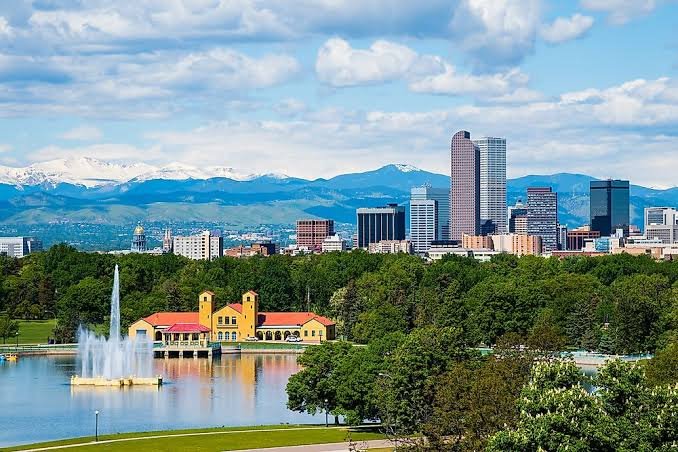
Denver is called the Mile High City because its official elevation is exactly 5,280 feet, or one mile, above sea level. The measurement is marked on the steps of the Colorado State Capitol and confirmed by a row of purple seats at Coors Field.
The Exact Elevation Behind the Name
5,280 feet equals exactly one mile, and that is Denver’s surveyed elevation above sea level. This is not a rounded estimate; it is a specific, government-confirmed figure.
The measurement was taken using official land surveys, which is why the nickname has stuck for over a century without dispute.
Where the One-Mile Mark Is Officially Located
The Colorado State Capitol Steps
The most famous marker sits on the west side steps of the Colorado State Capitol building. A engraved step confirms the exact one-mile elevation point.
Because of resurveys over the decades, more than one step has carried the marker at different times, but the location has always stayed at the Capitol.
Coors Field’s Purple Row
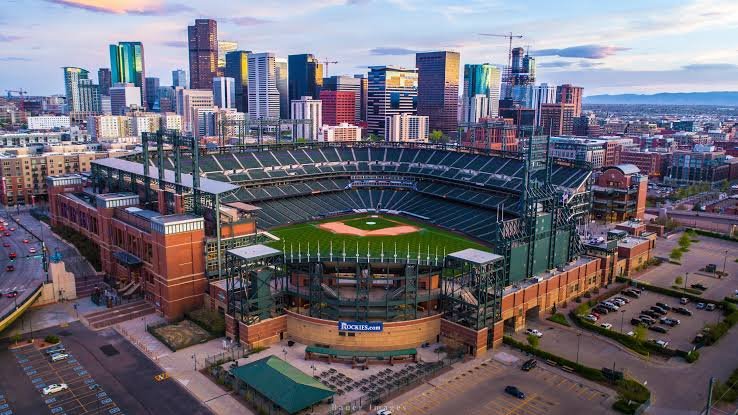
Baseball fans have their own version of the marker. An entire row of purple seats circles Coors Field at precisely the 5,280-foot elevation line.
It has become one of the most photographed spots in the stadium for visitors checking off Denver landmarks.
Where the Nickname Came From
Denver was founded in 1858 during a gold rush, when prospectors settled near the confluence of the South Platte River and Cherry Creek. The city was named after James W. Denver, then governor of the Kansas Territory.
The Mile High nickname grew from local boosters in the late 1800s and early 1900s who used the elevation to promote the city’s climate and scenery. By the 1950s, the United States Postal Service had recognized “Mile High City” as an official designation, cementing it in national use.
Other Historical Nicknames for Denver
Denver has carried more than one nickname over its history. Here is how they compare.
| Nickname | Meaning | Still Used Today |
|---|---|---|
| Mile High City | Exact elevation of 5,280 feet | Yes, primary nickname |
| Queen City of the Plains | Denver’s role in regional agriculture | Occasionally |
| Queen City of the West | Historic prominence in the western U.S. | Rarely |
How Elevation Shapes Life in Denver
Thinner Air and Lower Oxygen
At 5,280 feet, air pressure is lower than at sea level, meaning fewer oxygen molecules per breath. Visitors often notice shortness of breath or fatigue for the first day or two after arriving.
Faster Dehydration and Sunburn
Thinner air holds less moisture, and there is less atmosphere to filter UV rays. Locals recommend drinking more water than usual and applying sunscreen even on cool days.
Effects on Cooking and Boiling Water
Water boils at a lower temperature at high altitude, which changes cooking and baking times. Many recipes include separate high-altitude instructions specifically for cities like Denver.
Impact on Sports Performance
Thinner air affects how baseballs, footballs, and other objects travel through the air, often carrying farther. It is also why visiting athletes sometimes struggle with stamina compared to games played at sea level.
Mile High City vs Other High-Altitude U.S. Cities
| City | Elevation | Known For |
|---|---|---|
| Denver, CO | 5,280 ft | Exact one-mile marker, largest high-altitude U.S. city |
| Colorado Springs, CO | 6,035 ft | Higher than Denver, smaller population |
| Santa Fe, NM | 7,199 ft | Higher elevation, much smaller city |
| Salt Lake City, UT | 4,226 ft | Lower than Denver, also mountain-adjacent |
Common Misconceptions About the Nickname
- Denver is not the highest city in the U.S.; several smaller cities sit higher
- The one-mile figure is not an approximation; it is a specific surveyed elevation
- The nickname is not just a marketing phrase; it reflects an actual measured fact
Expert Tips for Visiting the Mile High City
Acclimating for a day or two before heavy hiking or exercise helps most visitors avoid altitude discomfort. Drinking extra water and limiting alcohol on the first day are the most commonly recommended adjustments.
Also Read:
- First Class vs Business Class: A Cost-Benefit Breakdown for Finance and Travel Managers
- How Toronto Event Planners Are Choosing Photo Booths for Social Sharing
- How Playground Surfacing Improves Safety and Accessibility
- Why Are MRIs So Expensive? The Real Cost Explained 2026
- Why Do My Feet Burn at Night? 9 Possible Causes 2026
- Why Is My Tongue Itchy? Common Causes & Treatments 2026
- How Cashless Health Insurance Is Transforming Patient Experience
- How the Best Personal Training Studios in Singapore Use Data
- How Care Patterns Help During Steps to Report Suspected Nursing Home Abuse
- Portable Space Heaters vs Fan Heaters: Pros and Cons
- From Hair Care Idea To Business: How Bo International Supports Startup Brands
- How Stack-Up Symmetry Affects Warpage and Assembly Yield in 12-Layer PCBs
- Corrosion-Resistant Flexible Couplings: The Quiet Upgrade That Prevents Expensive Failures
- How Insurance Responses Can Affect a Houston, TX Auto Accident Claim
- The Investigation Steps a Premises Liability Lawyer May Take After an Injury
- Does Being a Loan Guarantor Affect Your CIBIL Score
- Do You Need Legal Help After a Truck Accident? Here’s What to Know
- What to Know Before Using a Currency Exchange Service in Hyderabad
- 430+ Trendy Roblox Username Ideas for Boys & Girls
- 1000+ Trendy Instagram Usernames Ideas for Girls (2024)
- Letflix Review – Features, How It Works and Safe to Use?
- Download Gayatri Mantra Best Ringtone Mp3/M4R
- Grand Theft Auto: San Andreas – Theme Song Download
- Download Mission Impossible – Original Theme Song
- Randy Orton – Voices WWE Theme Song Download
Frequently Asked Questions (FAQs)
Why is Denver called the Mile High City?
Denver sits at an official elevation of 5,280 feet, exactly one mile above sea level, which gave rise to the nickname.
Is Denver actually one mile above sea level?
Yes. The elevation is a surveyed measurement, not an estimate, and it is marked at the Colorado State Capitol.
Where is the exact one-mile marker in Denver?
The main marker is on the west side steps of the Colorado State Capitol building. A row of purple seats at Coors Field marks the same elevation line.
Is Denver the highest city in the United States?
No. Several smaller U.S. cities, including Colorado Springs and Santa Fe, sit at higher elevations than Denver.
Who named the city of Denver?
Denver was named after James W. Denver, who served as governor of the Kansas Territory when the city was founded in 1858.
When did Denver officially become known as the Mile High City?
The nickname grew popular in the late 1800s and early 1900s, and the United States Postal Service formally recognized it in the 1950s.
Does Denver’s elevation affect the weather?
Yes. Higher elevation means thinner air, which contributes to Denver’s lower humidity, intense sunshine, and rapid temperature swings.
Why does water boil at a lower temperature in Denver?
Lower air pressure at high elevation causes water to boil at a reduced temperature, which is why many recipes list separate high-altitude cooking instructions.
Does the Mile High elevation affect sports played in Denver?
Yes. Thinner air allows baseballs and footballs to travel farther, and visiting athletes often notice reduced stamina compared to sea-level games.
Why do visitors get tired faster in Denver?
Lower oxygen levels in the thinner air can cause fatigue, headaches, or shortness of breath until a visitor’s body adjusts, usually within a day or two.
What other nicknames has Denver had?
Denver has also been called the Queen City of the Plains and the Queen City of the West, both referencing its regional importance.
Is the Mile High City nickname just for tourism marketing?
No. While it is used in marketing, the nickname reflects an actual surveyed elevation fact rather than an exaggerated claim.
How high is Coors Field compared to sea level?
Coors Field sits at the same 5,280-foot mark as the rest of central Denver, marked by a purple row of seats circling the stadium.
Does elevation affect sunburn risk in Denver?
Yes. Thinner atmosphere filters less UV radiation, so sunburn can happen faster in Denver than at sea level, even on cooler days.
Should visitors prepare differently for Denver’s altitude?
Drinking extra water, limiting alcohol on arrival, and avoiding strenuous activity for the first day are commonly recommended adjustments.
Conclusion
Why is Denver called the Mile High City comes down to one exact, surveyed fact: the city sits precisely 5,280 feet, or one mile, above sea level. That elevation is marked permanently at the Colorado State Capitol and echoed in the purple seats at Coors Field.
Beyond the nickname itself, that same altitude shapes the city’s weather, its cooking times, its sports, and how visitors feel during their first day in town. Understanding the elevation is really understanding what makes Denver, Denver.


