



Why does my wife hit me — this is one of the most painful and confusing questions a husband can ask. Domestic violence against men is real, underreported, and widely misunderstood.
Many men feel ashamed, isolated, or unsure whether what they are experiencing even qualifies as abuse.
What Is Domestic Violence Against Men?
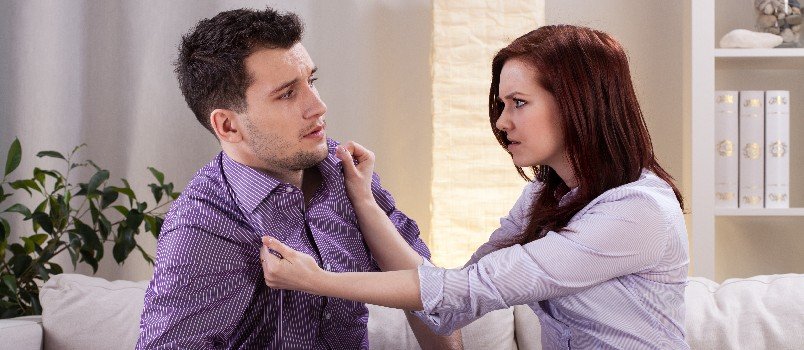
Domestic violence against men is any pattern of controlling, harmful, or abusive behavior by a wife or partner. It includes physical hitting, slapping, punching, emotional manipulation, and verbal abuse.
Many people still believe domestic violence only flows one direction. The data says otherwise. According to research cited in multiple studies, women initiate physical violence in relationships nearly as often as men — sometimes more.
The National Domestic Violence Hotline confirms that 1 in 7 men in the U.S. has experienced severe physical violence from an intimate partner. This number is likely much higher due to massive underreporting.
Why Men Don’t Report
Men often stay silent because of social stigma, fear of not being believed, or cultural messaging that says “real men don’t get hit.” Many men laugh it off, hide bruises, or convince themselves it is not serious enough to report.
This silence is dangerous. Abuse that goes unaddressed almost always escalates over time.
Why Does My Wife Hit Me? The Core Emotional Causes
There is no single reason. Hitting is almost always a symptom of something deeper — unresolved emotional pain, faulty coping patterns, or psychological conditions. Below are the main emotional causes researchers and therapists identify.
1. Emotional Dysregulation
Some people never learn healthy ways to manage intense emotions. When a wife feels flooded by anger, frustration, or fear, she may physically lash out because her nervous system has no better tool available.
This does not excuse the behavior. But it does explain why the hitting often comes during arguments that spiral fast — the emotional brain takes over before rational thought can intervene.
Dialectical Behavior Therapy (DBT) is specifically designed to help people with emotional dysregulation build better skills. It is one of the most evidence-based treatments for this root cause.
2. Childhood Trauma and Learned Behavior
One of the most consistent findings across research is that domestic violence is often a learned behavior passed down through generations. If your wife grew up in a home where physical aggression was how adults resolved conflict, her nervous system learned that pattern as “normal.”
Adverse Childhood Experiences (ACEs) are a well-documented risk factor. The higher a person’s ACE score, the greater the risk of repeating abusive patterns in adult relationships.
She may not even consciously recognize what she is doing. To her nervous system, physical escalation simply feels familiar — not monstrous.
3. Need for Power and Control
Abuse is frequently not about anger at all. It is about control. The Power and Control Wheel, developed by the Domestic Abuse Intervention Programs, maps out how abusers use tactics — including physical violence — to dominate their partners.
A wife who hits may be trying to maintain control over the relationship dynamic. She may use hitting alongside other tactics: isolation, emotional manipulation, financial control, or threats about the children.
Recognizing this pattern is critical. When hitting is part of a broader pattern of control, it is categorized as intimate partner violence — not just a “bad moment.”
4. Untreated Mental Health Conditions
Certain mental health diagnoses are associated with higher risk of emotional dysregulation and aggression. These include:
| Condition | How It May Contribute |
|---|---|
| Borderline Personality Disorder (BPD) | Intense fear of abandonment, emotional flooding, impulsive behavior |
| Narcissistic Personality Disorder | Entitlement, rage when challenged, lack of empathy |
| Antisocial Personality Disorder | Disregard for others’ safety, low impulse control |
| PTSD | Hypervigilance, trauma triggers causing explosive reactions |
| Bipolar Disorder | Manic episodes can lower impulse control significantly |
It is important to state clearly: mental illness does not cause domestic violence. Millions of people live with these conditions without ever harming a partner. But when these conditions go untreated, they can increase the risk of violent behavior in someone already inclined toward it.
5. Substance Abuse
Alcohol and drug use significantly lower impulse control and increase aggression. Many men who ask “why does my wife hit me” report that the hitting only happens when she is drinking or using substances.
Research consistently shows a strong overlap between substance abuse and intimate partner violence. But here is the critical truth therapists emphasize: the substance is not the cause of the violence. It is a trigger that lowers the inhibition threshold.
Couples therapy cannot work when active addiction is present in the relationship. The addiction must be addressed first through its own treatment pathway.
6. Retaliation and Preemptive Striking
Some research shows that women hit because they fear being hit first and want to get the first blow in. Others hit as retaliation for perceived emotional harm — a harsh word, a dismissal, a feeling of being disrespected.
This does not justify the behavior. But understanding the motivation helps clarify the dynamic. If your wife grew up in an environment where she felt powerless, hitting may feel like her only way to reclaim agency when she feels threatened.
7. Stress, Frustration, and Poor Communication Skills
Sometimes the cause is less pathological and more about a total absence of healthy communication tools. Chronic stress — financial pressure, parenting strain, work burnout — can push someone to a breaking point if they have never learned to express frustration constructively.
When hitting happens in this context, it is still abuse. But it may be more responsive to therapy and communication-based interventions than cases rooted in personality disorder or a deliberate need for control.
Behavioral Warning Signs of an Abusive Wife

Abuse rarely starts with hitting. It builds gradually. These are the behavioral red flags that often precede physical violence.
Controlling Behavior
She controls who you see, where you go, how you spend money, and how much time you spend with family or friends. This isolation is a classic early-stage abuse tactic.
Constant Criticism and Humiliation
“You never do anything right.” “You’re such a disappointment.” Regular belittling attacks your self-worth until you begin to believe the criticism is deserved. This is emotional abuse.
Gaslighting
She makes you question your own memory and perception of events. “That never happened.” “You’re crazy.” “You’re too sensitive.” Gaslighting is a deliberate manipulation tactic that keeps you off-balance.
Using Children as Weapons
An abusive wife may threaten to take the children or turn them against you if you leave. This tactic is especially powerful because it exploits your love for your kids to keep you trapped.
Withholding Affection as Punishment
Withholding physical or emotional closeness as a tool to punish or control is a form of emotional abuse. It creates a cycle of compliance-for-affection that reinforces the power imbalance.
Accusations and Jealousy
Frequent false accusations of cheating or neglect, combined with intense jealousy, are early warning signs. Note the pattern: people who accuse others of dishonesty are often projecting their own behaviors.
The Cycle of Abuse in Marriages
Understanding the cycle helps you recognize that the “good periods” are part of the pattern — not evidence that the abuse is over.
| Phase | What Happens |
|---|---|
| Tension Building | Stress rises, communication breaks down, you walk on eggshells |
| Incident | Physical or verbal abuse occurs |
| Reconciliation | Apologies, affection, promises it won’t happen again (“honeymoon phase”) |
| Calm | A period of relative peace before tension begins building again |
This cycle can repeat for years. The reconciliation phase is especially dangerous because it creates hope that keeps victims in the relationship.
How Abuse Affects Men’s Mental Health
Being hit by your wife causes real psychological harm. The impact is often minimized because of gender norms that tell men to “toughen up.”
Men in abusive relationships commonly develop:
- Anxiety and Hypervigilance. You become permanently “on edge,” waiting for the next incident. The fight-or-flight system stays activated, raising cortisol levels chronically.
- Depression. Ongoing abuse erodes self-worth. Many men internalize the message that they somehow deserve it.
- PTSD. Physical abuse by a spouse is a traumatic event. Repeated exposure can cause full clinical PTSD — nightmares, flashbacks, emotional numbing.
- Social Isolation. Shame keeps many men from telling friends or family. The isolation worsens depression and removes the support network needed to leave.
- Self-Doubt. Gaslighting and emotional manipulation cause men to question their own perception of reality, making it harder to recognize the abuse for what it is.
What To Do If Your Wife Is Hitting You

Your safety comes first. Here are clear, practical steps.
Prioritize Your Immediate Safety
If you are in immediate danger, call emergency services. Do not wait to see if it escalates. Physical violence is never acceptable regardless of the circumstances.
Build a Safety Plan
A safety plan means identifying what you will do if an incident happens. Know which room to go to, which exit to use, where you can go, and who you can call. Keep a bag with important documents ready if you may need to leave quickly.
Document the Abuse
Keep a private record of incidents — dates, what happened, any injuries. Take photos of bruises. This documentation protects you legally and helps you see the pattern clearly.
Reach Out for Support
Talk to a trusted friend, family member, or counselor. Contact the National Domestic Violence Hotline at 1-800-799-7233. They serve male victims and can connect you with local resources.
Seek Individual Therapy
A therapist experienced in domestic abuse can help you process what is happening, rebuild self-esteem, and make informed decisions about your next steps without pressure.
Consider Couples Therapy Carefully
Couples therapy is not always safe when one partner is abusive. If the violence is ongoing and part of a control pattern, individual therapy for both partners separately is usually recommended first.
Can an Abusive Wife Change?
This is one of the most painful questions a husband asks. The honest answer: change is possible, but it requires the abusive partner to take full accountability and commit to serious professional intervention.
For change to happen, the following typically need to occur:
The abusive partner must genuinely acknowledge that her behavior is wrong and harmful — not minimize, deny, or blame the victim.
She must enter individual therapy focused on the root causes, whether that is trauma processing, DBT for emotional dysregulation, addiction treatment, or personality disorder management.
The environment must be physically safe. Reconciliation without structural change and professional support almost always leads to the cycle repeating.
Many relationships do improve. Many do not. Your safety and wellbeing cannot be placed on hold indefinitely waiting to see which outcome unfolds.
Resources for Men Experiencing Domestic Violence
| Resource | Contact |
|---|---|
| National Domestic Violence Hotline | 1-800-799-7233 |
| Crisis Text Line | Text HOME to 741741 |
| MenHealing.org | menheal.org |
| 1in6 (support for male abuse survivors) | 1in6.org |
| SAMHSA National Helpline (substance abuse) | 1-800-662-4357 |
Frequently Asked Questions (FAQs)
Is it really domestic violence if my wife hits me?
Yes, absolutely. Domestic violence includes any physical aggression by a partner regardless of gender. Being hit by your wife is abuse.
Why does my wife hit me but then apologize and act loving afterward?
This is the reconciliation phase of the abuse cycle. Apologies and affection after violence are part of the pattern, not proof that the abuse is over.
Can stress cause my wife to hit me?
Stress can be a trigger but it is never a justification. Millions of people experience severe stress without becoming physically violent toward a partner.
What should I do immediately after my wife hits me?
Remove yourself from the situation if possible, ensure your safety, document the incident with photos or notes, and contact a trusted person or the domestic violence hotline.
Is my wife’s hitting my fault?
No. Nothing you say or do justifies physical violence. Abuse is a choice made by the person who inflicts it.
Can couples therapy fix an abusive marriage?
Couples therapy is not safe when active physical abuse is occurring. Individual therapy for both partners is the recommended starting point in abusive relationships.
Does my wife hit me because she has a mental illness?
Mental illness can be a contributing factor but does not cause domestic violence. Many people with mental health conditions never harm their partners. Treatment for underlying conditions is important but does not automatically stop abusive behavior.
Why don’t I just leave if my wife hits me?
Leaving an abusive relationship is complicated by emotional bonds, financial ties, children, fear of not being believed, and safety risks. It is never as simple as “just leave.” Seek support before, during, and after any decision to leave.
Will my wife’s hitting get worse over time?
Untreated abuse tends to escalate in frequency and severity over time. This is one of the most consistent findings in domestic violence research. Early intervention is strongly recommended.
Where can men get help for domestic violence?
Call the National Domestic Violence Hotline at 1-800-799-7233, text HOME to 741741, or visit 1in6.org which specifically serves male survivors.
Conclusion
Why does my wife hit me is a question no man should have to ask — but thousands do every day. Physical violence by a wife is real, it causes serious emotional and psychological harm, and it qualifies as domestic abuse regardless of gender.
The causes are complex: childhood trauma, emotional dysregulation, substance abuse, mental health conditions, and a need for power and control all play documented roles.
None of them justify hitting. Understanding the cause helps clarify the path forward — whether that is therapy, a safety plan, legal protection, or the difficult decision to leave.
You are not weak for struggling with this. You are not at fault. Help is available, and you deserve safety, respect, and a relationship free from violence. Take the first step today.


