


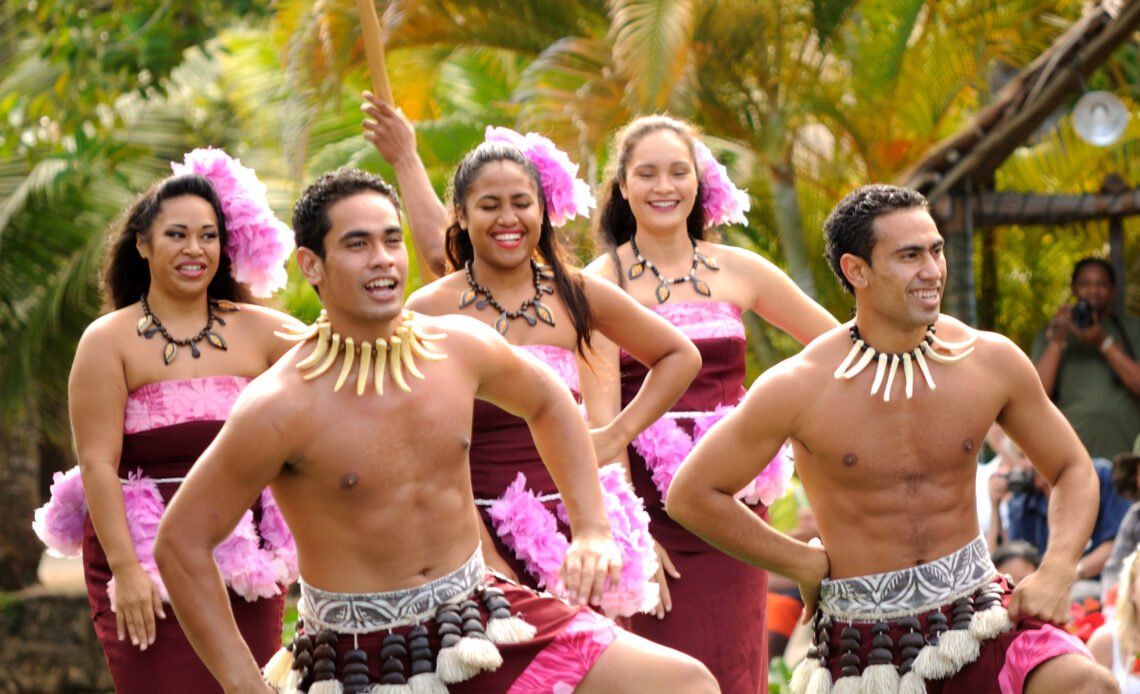
Samoans are often noted for their larger average body size, and many people wonder, “why are Samoans big?” The answer isn’t one single cause. It’s a mix of genetics, traditional diet, culture, and lifestyle shaped over centuries.
Why Are Samoans Big?
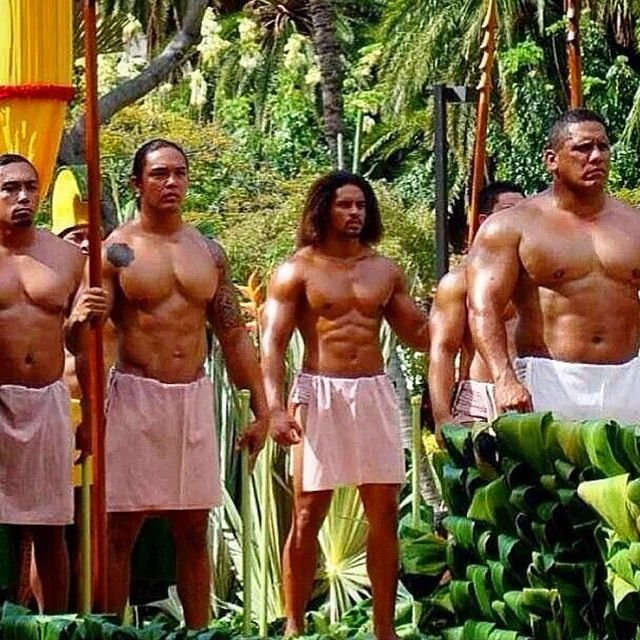
Samoan body size is shaped by a combination of a genetic variant linked to fat storage, a historically calorie-dense traditional diet, physically demanding daily life, and cultural values that view size as strength and status. It’s a population-level pattern, not a rule for every individual.
The Genetic Factor
Scientists have identified a specific genetic variant that plays a measurable role in Samoan body composition.
The CREBRF Gene Variant
Researchers from Brown University, Yale, and the University of Pittsburgh identified a variant in the CREBRF gene, found on chromosome 5, in a large study published in Nature Genetics. Nearly half of Samoans carry this variant, compared to a very small percentage of other populations worldwide.
The variant is associated with roughly a 35% higher likelihood of obesity, largely by affecting how the body stores and uses energy.
It’s Only Part of the Picture
Even the lead researchers were clear that genetics alone explains a small share of the variation in body size. Lifestyle, diet, and environment interact with this genetic tendency rather than acting alone.
Traditional Diet and Food Culture
Food plays a central role in Samoan life, both nutritionally and socially.
Calorie-Dense Traditional Foods
Staples like taro, breadfruit, coconut cream, and fatty cuts of meat are common in traditional Samoan meals. Coconut-based dishes in particular are rich and calorie-dense.
Communal Feasting and Portion Culture
Large family gatherings and celebrations often involve generous, shared meals. Feeding guests abundantly is a sign of respect and hospitality in Samoan culture.
Shift Toward Processed Foods
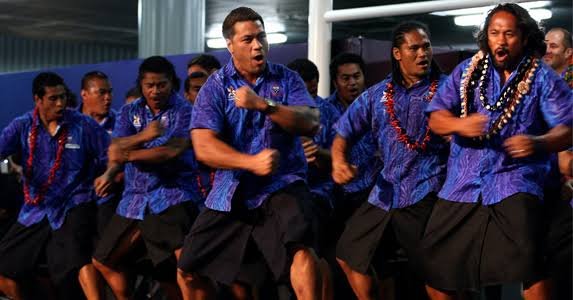
Since the mid-20th century, imported processed and high-fat foods have become more common in Samoan diets. This shift has been linked by public health researchers to rising obesity rates across the Pacific Islands.
Cultural and Historical Factors
Body size carries different cultural meaning in Samoa than it does in many Western contexts.
Size as Strength and Status
Historically, a larger, sturdier build was associated with strength, health, and social standing, especially for chiefs and respected community figures.
Physical Labor and Traditional Lifestyle
Traditional Samoan life involved substantial physical activity, including farming, fishing, and building. This combination of high caloric intake and high physical output shaped body composition over generations.
Athletic Culture and Rugby
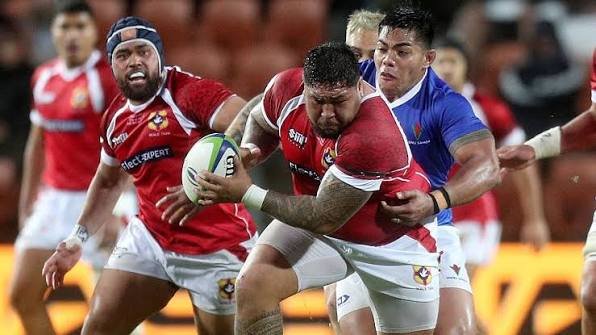
Samoa has produced a notably high number of professional rugby players relative to its population. Strength, size, and power are highly valued in this sporting culture, reinforcing size as an asset.
Health Considerations Worth Understanding
It’s important to separate cultural and genetic explanations from health outcomes, since the two aren’t the same thing.
| Factor | Historical Context | Modern Consideration |
|---|---|---|
| Traditional diet | High-calorie, nutrient-dense, activity-matched | Still valuable, but often paired with less activity today |
| CREBRF gene variant | Linked to fat storage efficiency | Increases obesity and type 2 diabetes risk |
| Processed food access | Limited before the 20th century | Widely available, contributing to rising obesity rates |
| Physical labor | Central to daily traditional life | Reduced in modern urban lifestyles |
Public health data shows Samoa has one of the world’s highest obesity rates, which is a genuine health concern that researchers and Samoan health officials continue to study and address.
Common Misconceptions to Avoid
- Not every Samoan person is “big,” since individual body size varies widely
- Being large isn’t purely a lifestyle choice, given the documented genetic component
- Genetics alone doesn’t determine body size; diet and activity still matter
- Large body size and good health aren’t automatically the same thing
- Stereotyping based on ethnicity overlooks real individual and family differences
Also Read:
- Why Does My Gum Hurt When I Touch It? Causes & Relief
- Why Is My Tongue Itchy? Common Causes & Treatments
- Why Are MRIs So Expensive? The Real Cost Explained
- How Cashless Health Insurance Is Transforming Patient Experience
- Dr. L Barbara Robinson on What Patients Should Understand Before Choosing Robotic Heart Surgery
- How Peptides Are Changing the Science of Bodybuilding Research
- How the Best Personal Training Studios in Singapore Use Data
- How Care Patterns Help During Steps to Report Suspected Nursing Home Abuse
- From Hair Care Idea To Business: How Bo International Supports Startup Brands
- Portable Space Heaters vs Fan Heaters: Pros and Cons
- How Insurance Responses Can Affect a Houston, TX Auto Accident Claim
- The Investigation Steps a Premises Liability Lawyer May Take After an Injury
- Does Being a Loan Guarantor Affect Your CIBIL Score
- Do You Need Legal Help After a Truck Accident? Here’s What to Know
- Employee Rights and Legal Remedies in Whistleblower Retaliation Cases
- 430+ Trendy Roblox Username Ideas for Boys & Girls
- 1000+ Trendy Instagram Usernames Ideas for Girls
- Letflix Review – Features, How It Works and Safe to Use?
- Download Gayatri Mantra Best Ringtone Mp3/M4R
- Grand Theft Auto: San Andreas – Theme Song Download
- Download Mission Impossible – Original Theme Song
- Randy Orton – Voices WWE Theme Song Download
- Lorde – Liability (Instrumental)
- Mac Miller – Diablo (Instrumental)
- David Guetta – Lovers On The Sun (Instrumental)
Frequently Asked Questions (FAQs)
Why are Samoans big genetically?
A variant in the CREBRF gene, carried by nearly half of Samoans, affects fat storage and is linked to a higher likelihood of obesity.
Is Samoan body size purely genetic?
No. Researchers found genetics explain only a small portion of the variation, with diet, activity, and lifestyle playing major roles too.
Why do Samoans often excel at rugby?
Larger frames, strength, and a cultural emphasis on physicality make rugby a natural fit, and Samoa has become a major talent source for the sport worldwide.
What foods are part of the traditional Samoan diet?
Staples include taro, breadfruit, coconut cream, fish, and pork, often prepared for large communal meals.
Are all Samoans considered “big”?
No. Body size varies widely among individuals, and genetics or culture don’t determine every person’s build.
Does Samoa have high obesity rates?
Yes. Public health data consistently ranks Samoa among the countries with the highest obesity rates globally.
Is being large in Samoan culture seen as a health risk or a strength?
Historically it symbolized strength and status, though modern health research also links excess weight to conditions like diabetes and heart disease.
How did colonization affect Samoan diets?
The introduction of imported processed and fatty foods shifted traditional eating patterns, contributing to rising obesity over recent decades.
Is the CREBRF gene variant found in other populations?
It’s rare globally but more common throughout other Pacific Islander populations, not just Samoans.
Can lifestyle changes offset the genetic risk?
Yes. Balanced diet and regular physical activity can help offset genetic predispositions toward higher body fat storage.
Why is body size viewed differently in Samoan culture compared to Western culture?
Cultural values around strength, hospitality, and status shape different perceptions of body size than Western beauty standards typically emphasize.
Are Samoans taller than average, or just heavier?
Research points more strongly to differences in weight and build rather than significant differences in average height compared to other populations.
Do Samoan children show this body size pattern early?
Genetic and dietary influences can begin shaping growth patterns from childhood, though environment plays an increasing role as children grow older.
Is this topic considered sensitive to discuss?
Yes, and it’s important to rely on published research rather than stereotypes, since body size varies by individual regardless of ethnicity.
What is a “founder population” in genetic research?
It refers to a population descended from a small number of ancestors, which is why certain gene variants like CREBRF appear more frequently in Samoans.
Are there other Pacific Islander groups with similar genetic patterns?
Yes. Related genetic and dietary patterns have been studied in other Polynesian populations, including Tongans and Samoans in diaspora communities.
How much does the CREBRF variant increase obesity risk?
Studies estimate around a 35% higher likelihood of obesity in carriers, making it one of the strongest known single-gene BMI associations identified so far.
Does diet alone explain Samoan body size?
No single factor fully explains it. Diet interacts with genetics, culture, and activity levels to shape overall body composition.
Why do researchers study Samoan genetics specifically?
Samoa’s relatively isolated population and high obesity rates make it a valuable group for identifying genetic contributors to weight and metabolic health.
Is it accurate to say all Samoans have the same body type?
No. Genetics create tendencies, not guarantees, so individual variation remains significant within the Samoan population.
Conclusion
Samoan body size reflects a genuine mix of genetics, traditional diet, physical lifestyle, and cultural values built over generations. The CREBRF gene variant plays a documented role, but it works alongside diet and environment rather than acting alone.
Understanding this topic means looking at real research instead of assumptions, while recognizing that body size still varies widely from person to person within any population.


