

Why Are My Cats Ears Cold? You reach out to pet your cat and their ears feel almost icy. It’s a little alarming, especially if you’re not sure whether it’s normal or a sign something is wrong.
The short answer is that cold ears are usually harmless.
Why Are My Cats Ears Cold?
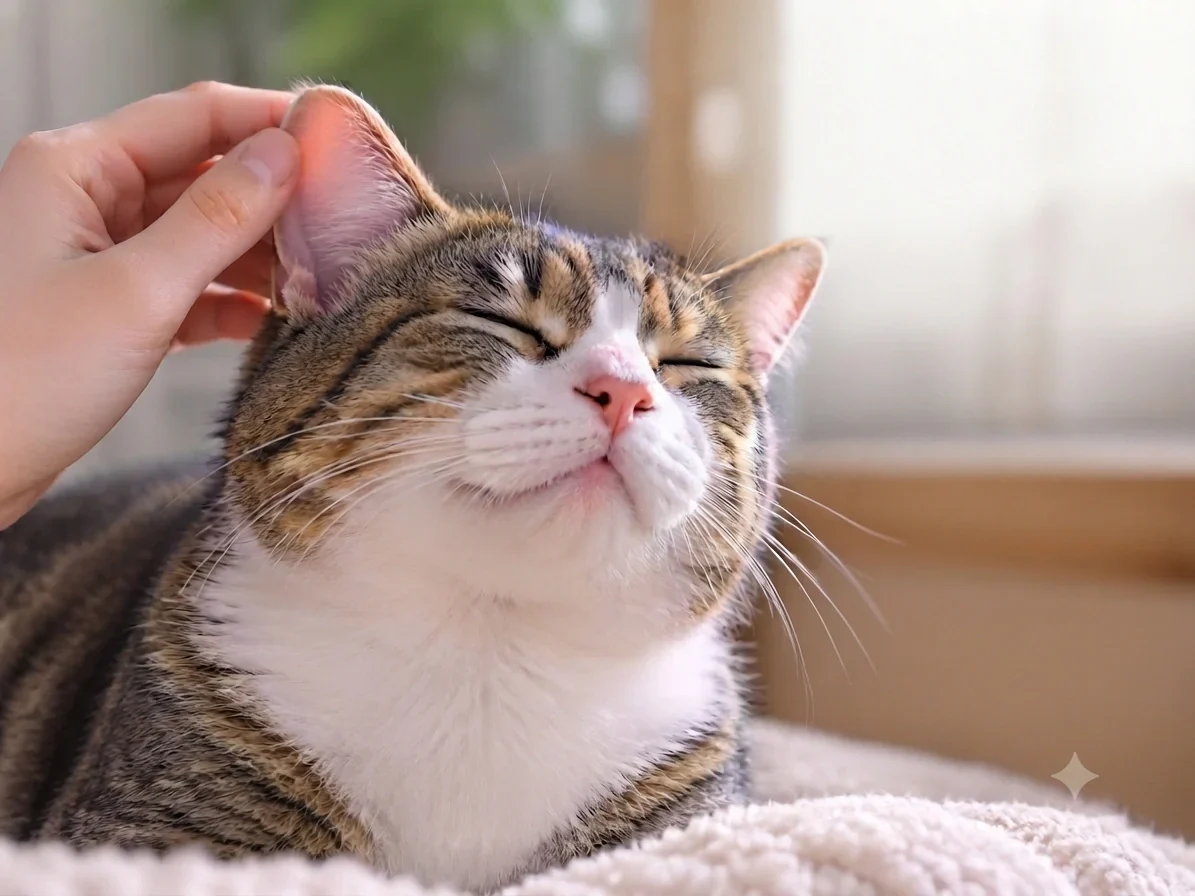

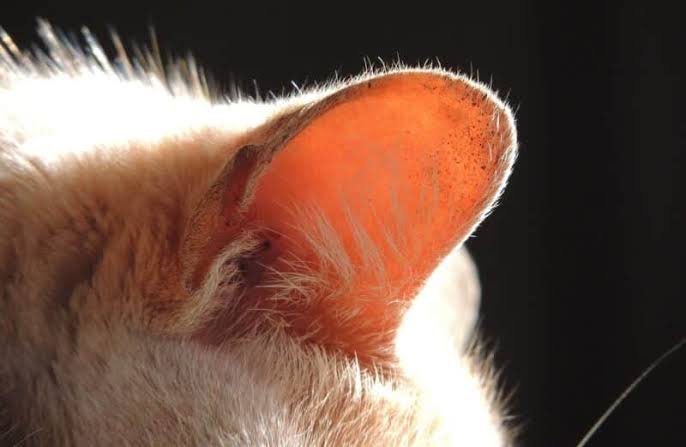
Cat ears often feel cold simply because they have thin skin and very little fur to trap heat. In most healthy cats, this is completely normal and not a reason to worry.
Cold ears only become concerning when paired with other symptoms like lethargy, poor appetite, or swelling.
Why Cat Ears Feel Cold More Than Other Body Parts
Ears, paws, and noses are extremities. Extremities lose heat faster than the rest of the body because they sit farther from the core.
A cat’s average body temperature runs between 100.5°F and 102.5°F, which is warmer than a human’s. Even so, their thin-skinned ears can feel cool to the touch while their core stays perfectly healthy.
Common Normal Causes of Cold Cat Ears
Most of the time, cold ears come down to simple environmental or behavioral reasons. None of these require a vet visit on their own.
- Cool room temperature – air conditioning or drafts near vents
- Just came in from outside – ears cool down fastest in cold weather
- Reduced blood flow during rest – less movement means less circulation to the ears
- Blood vessel constriction – the body pulls warmth toward the core to protect vital organs
- Personal preference – some cats seek out cool airflow on purpose
How Cats Regulate Body Temperature
Cats naturally constrict blood vessels in their extremities when they get cold. This response concentrates warmth around the heart, lungs, and other vital organs.
Ears cool down first because they have the least fat and fur protecting them. This is a built-in survival mechanism, not a malfunction.
When Cold Ears Might Signal a Health Problem
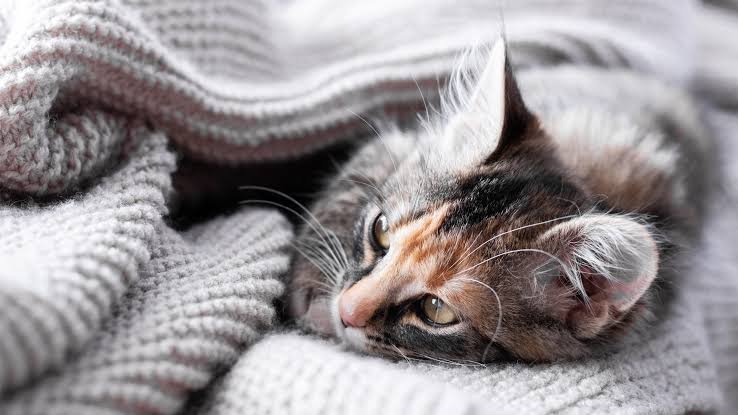

Cold ears become a real concern only when other symptoms show up alongside them. On their own, cool ears rarely mean anything serious.
Signs That Warrant a Vet Visit
- Lethargy or unusual sleepiness beyond normal cat naps
- Loss of appetite or refusing food
- Pale or bluish gums
- Swelling around the ears
- Shivering that doesn’t stop after a few minutes
- Slow, weak, or irregular breathing
Possible Underlying Conditions
Persistent cold ears combined with these symptoms can point to hypothermia, poor circulation, heart disease, shock, anemia, or in rare cases, organ dysfunction. A veterinarian is the only one who can confirm which of these applies.
Cold Ears vs. Fever: How to Tell the Difference
It sounds strange, but cold ears can sometimes appear alongside a fever elsewhere in the body. The two are not contradictory.
| Symptom | Cold Ears Alone | Fever Present |
|---|---|---|
| Ear temperature | Cool to touch | May still feel cool |
| Body temperature | Normal (100.5–102.5°F) | Elevated, cat feels hot |
| Energy level | Normal, active | Sluggish, sleeping more |
| Behavior | Normal grooming and eating | Reduced appetite |
| Action needed | Monitor only | Contact a vet |
Which Cats Are Most Sensitive to Cold?


Not every cat handles cold the same way. Certain cats lose body heat faster and need extra warmth more often.
| Cat Type | Why They Feel Cold Easily |
|---|---|
| Kittens | Low body fat, immature temperature regulation |
| Senior cats | Slower metabolism, less efficient heat production |
| Short-haired breeds | Less fur insulation |
| Underweight cats | Reduced fat layer for warmth |
| Recently spayed/neutered cats | Anesthesia and shaved fur reduce heat retention temporarily |
What Temperature Is Too Cold for a Cat?
Most cats start feeling uncomfortable below 59°F. The ideal indoor comfort range for cats sits between 68°F and 77°F.
Older cats and short-haired breeds tend to prefer the warmer end of that range. Adjusting your thermostat slightly can make a noticeable difference for a chilly cat.
How to Warm Up a Cat With Cold Ears
If your cat seems generally cold but otherwise healthy, a few simple changes usually help fast.
- Move their bed away from drafts, windows, and AC vents
- Add a soft blanket or heated pet mat to their favorite resting spot
- Keep indoor temperature closer to 70–75°F during colder months
- Offer a warm, quiet space away from foot traffic
- Check their whole body, not just the ears, to confirm they’re comfortable
Mistakes to Avoid

- Don’t assume cold ears alone mean illness without checking for other symptoms
- Don’t use human heating pads directly on skin without a barrier
- Don’t ignore repeated shivering that lasts more than a few minutes
- Don’t skip a vet visit if lethargy or appetite loss appears alongside cold ears
Expert Tip
Check your cat’s whole body temperature picture, not just the ears. Warm belly and gums combined with cold ears is almost always normal circulation at work.
Also Read:
- From Prototype to Production: Why Great Software Needs More Than a Good Idea
- Before a Track Becomes a Video Draft: How to Keep Mood, Message, and Timing Aligned
- Seedance 2.5 for Creative Brief Review and Visual Concept Development
- 5 DFM Rules Secure Micron-Level Precision for Critical Robotic Hardware
- 9 Best Equipment Management Tools for Recording Studios
- Small Light, Big Output: Olight Baton 4 – The Pocket Powerhouse You Need
- AI Photo Editor Workflow for a Cohesive Artist Press Kit
- 3D vs. 2D Brand Mascot Design: Which Cartoon Style Fits Your Business?
- How to Choose the Best Online Medicine App in India: A Buyer’s Guide
- How Stack-Up Symmetry Affects Warpage and Assembly Yield in 12-Layer PCBs
- From Hair Care Idea To Business: How Bo International Supports Startup Brands
- Portable Space Heaters vs Fan Heaters: Pros and Cons
- How Care Patterns Help During Steps to Report Suspected Nursing Home Abuse
- Not All Notebooks Are Equal: Matching the Build to the Job
- How Toronto Event Planners Are Choosing Photo Booths for Social Sharing
- How Playground Surfacing Improves Safety and Accessibility
- Is a Return of Premium Term Plan Worth Considering for Long-Term Protection?
- AC Maintenance Cost in Idle Months: What You Still Pay
- How to Design Your Dream Home with AI: A Complete Guide for Beginners
- How You Can Find Out Whether You’re A Likeable Person
- Life Insurance for NRI — What’s Different and What to Check Before You Buy From Abroad
- How Insurance Responses Can Affect a Houston, TX Auto Accident Claim
- The Investigation Steps a Premises Liability Lawyer May Take After an Injury
- Does Being a Loan Guarantor Affect Your CIBIL Score
Frequently Asked Questions (FAQs)
Why are my cat’s ears cold but they seem fine?
Thin skin and reduced blood flow to extremities make ears cool naturally, especially in a cold room or after rest.
Is it normal for cat ears to feel cold in winter?
Yes, colder indoor and outdoor temperatures reduce blood flow to the ears, which is a normal protective response.
Should I worry if my cat’s ears are cold but they’re eating normally?
No, normal appetite and activity are strong signs your cat is healthy despite cool ears.
Can cold ears mean my cat has a fever?
Yes, in some cases a cat can have a fever while their ears still feel cool, so check overall behavior too.
What is a cat’s normal body temperature?
A healthy cat’s body temperature typically ranges between 100.5°F and 102.5°F.
At what temperature do cats start feeling cold?
Most cats feel uncomfortable below 59°F, with 68–77°F considered ideal indoor comfort.
Do kittens get cold ears more often than adult cats?
Yes, kittens have less body fat and immature temperature regulation, making them more prone to cold extremities.
Are senior cats more likely to have cold ears?
Yes, older cats often have slower metabolisms, which reduces heat production throughout the body.
Can cold ears after spaying or neutering be normal?
Yes, anesthesia and a shaved surgical area can temporarily affect a cat’s ability to retain heat.
What does it mean if my cat’s ears are cold and swollen?
Swelling alongside cold ears is not normal and should be checked by a veterinarian right away.
Can stress make a cat’s ears feel cold?
Yes, stress can trigger blood vessel constriction similar to the response caused by cold temperatures.
How can I warm up my cat safely at home?
Move their bed away from drafts, add a soft blanket or heated mat, and keep the room between 68–77°F.
Is shivering with cold ears always serious?
Brief shivering after waking up is normal, but prolonged shivering can signal illness, pain, or anxiety.
Can poor circulation cause consistently cold ears?
Yes, ongoing circulation issues can keep ears cooler than normal and should be evaluated by a vet if persistent.
Do short-haired cats get cold ears more easily?
Yes, less fur means less insulation, making short-haired breeds more sensitive to cooler ear temperatures.
When should I take my cat to the vet for cold ears?
Seek veterinary care if cold ears come with lethargy, poor appetite, pale gums, or ongoing shivering.
Can anemia cause cold ears in cats?
Yes, anemia can reduce circulation and oxygen delivery, which may make extremities feel cooler than usual.
Is touching a cat’s ears a reliable way to check if they’re cold?
Not entirely, since ears naturally run cooler than the rest of the body even when a cat feels perfectly fine.
Can heart disease cause cold ears in cats?
Yes, poor circulation from heart conditions can reduce blood flow to extremities like the ears.
How do I know if my cat’s temperature regulation is working properly?
Check that your cat is active, eating normally, and has warm gums and a warm belly despite cool ears.
Conclusion
Cold ears in cats are usually a normal side effect of thin skin, reduced blood flow, and cooler room temperatures. The real warning signs are lethargy, appetite loss, swelling, or ongoing shivering, not cold ears alone.
If your cat is acting completely normal otherwise, a warmer bed and a slightly higher room temperature are usually all they need.