


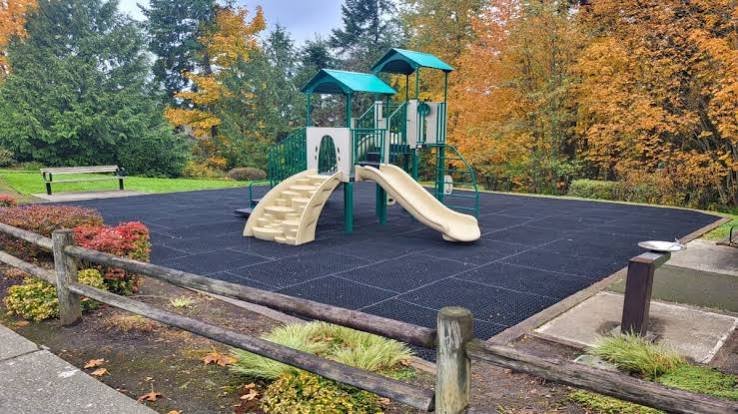
Playground surfacing is one of the most important parts of a safe and welcoming play environment. While structures, climbers, swings, and slides often get the most attention, the surface beneath them helps reduce injury risk and supports access for children with different mobility needs.
A well-planned surface can improve fall protection, drainage, movement, and long-term usability. It also helps families, schools, and community groups make more informed decisions when planning new play spaces or improving existing ones.
Why Surfacing Matters for Playground Safety
Falls are a common part of active play. Children climb, balance, jump, and test their abilities. Proper surfacing does not prevent every fall, but it can help reduce the severity of injuries when falls happen.
Safety surfacing is designed to absorb impact. The right material and depth depend on the height and type of play features above it. Surfacing should be matched to the equipment layout, expected use, and maintenance capacity.
Key Safety Benefits
- Helps cushion falls from elevated play components
- Reduces hard landing areas around swings, slides, and climbers
- Supports consistent footing during running and active movement
- Improves drainage when installed with proper base preparation
- Can help define use zones around play structures
Surfacing works together with playground equipment, not separately from it. The safest results come from planning both at the same time, including fall zones, circulation paths, and age-appropriate play areas.
Common Playground Surfacing Options
Different surfacing materials offer different benefits. Some are loose-fill, while others are unitary, meaning they create a connected surface. Each option should be evaluated for safety performance, accessibility, budget, appearance, and maintenance needs.
Loose-Fill Materials
Loose-fill surfaces can include engineered wood fibre, pea gravel, sand, or similar materials. These options may provide good impact protection when installed at the correct depth and maintained regularly.
The main maintenance task is keeping the material level and deep enough, especially under high-use areas. Displacement often happens below swings, at slide exits, and around popular climbing features.
Unitary Surfaces
Unitary surfaces include poured-in-place rubber, rubber tiles, and synthetic turf systems with impact-attenuating layers. These surfaces are often chosen for smoother mobility, consistent appearance, and easier movement for wheeled devices.
They may require a higher initial investment, but they can support accessible routes more reliably when installed correctly. Long-term performance depends on proper base construction, drainage, and routine inspections.
How Surfacing Supports Accessibility
Accessible playground surfacing helps children, caregivers, and visitors move through the space with greater ease. A surface that is firm, stable, and slip-resistant can support wheelchairs, walkers, strollers, and people with balance challenges.
Accessibility is not only about reaching the edge of a playground. It also includes moving between activity areas, approaching transfer points, and participating in social play. Surfacing plays a direct role in whether those experiences are practical.
Important Accessibility Features
- Firm and stable routes from entry points to play features
- Smooth transitions between pathways and play zones
- Reduced loose material displacement along main travel routes
- Clear access to ground-level play panels and gathering areas
- Surface choices that support caregivers as well as children
When accessibility is considered early, the play area can feel more inclusive without treating accessible features as separate. Good surfacing helps create shared spaces where children can play near one another, interact, and participate at different levels.
Planning Surfacing Around Use Zones
Use zones are the areas around play components where children may fall or move quickly. These spaces need appropriate surfacing that extends far enough from the equipment. The required distance can vary depending on the type of activity.
Swings, slides, rotating elements, and climbing structures each create different movement patterns. Planning surfacing around these patterns helps reduce hazards and supports better supervision. It also keeps circulation routes from crossing high-motion areas unnecessarily.
Maintenance and Inspection Considerations
Even high-quality surfacing needs regular attention. Inspections help identify compaction, holes, debris, drainage problems, loose edges, surface wear, or changes in impact performance. A simple maintenance routine can extend service life and improve daily safety.
Loose-fill materials often need raking, topping up, and depth checks. Unitary surfaces may need cleaning, seam checks, edge inspections, and repairs to damaged sections. Seasonal changes can also affect surface condition and drainage.
Budgeting for Safer and More Accessible Play
Surfacing can be a significant part of a playground budget, but it should not be treated as an afterthought. It affects safety, accessibility, maintenance, and how the space functions over time.
Planning documents may include cost estimates for materials, base preparation, installation, drainage, and future upkeep. Some communities also review playground equipment grants when building funding strategies for safer and more inclusive spaces.
Building Better Play Experiences from the Ground Up
Playground surfacing improves safety by helping manage fall impact, supporting stable movement, and defining active play areas. It improves accessibility by creating routes and play zones that more people can use with confidence.
When surfacing is chosen carefully, maintained consistently, and planned alongside the overall play design, it becomes a foundation for better play. The result is a space that supports active movement, social connection, and broader participation.